Author Archives: Jacky

What is the Transition Glasses ? 5 Pros and Cons

What Are Transition Lenses?

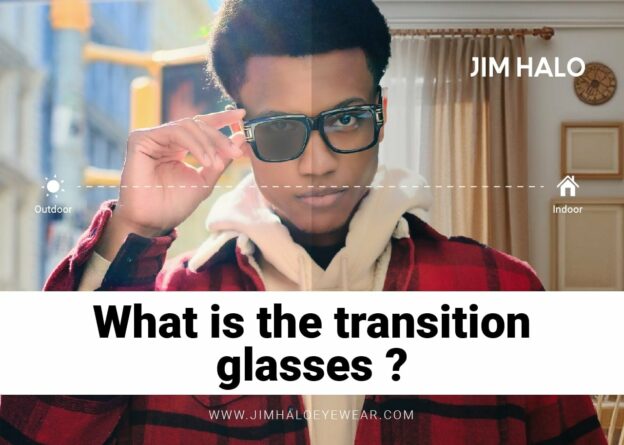
Transition glasses, also known as photochromic lenses, are eyeglasses that darken when exposed to sunlight and become clear again indoors.Photochromic lenses and Transition lenses, often used interchangeably in casual conversation, are both dynamic eyewear technologies that adapt to changing light conditions. Photochromic lenses go by many other names, including light-adaptive lenses, variable tint lenses, light intelligent lenses. When we’re not using their scientific name, we prefer the term light-responsive lenses, because it neatly encapsulates exactly what these lenses do: they respond automatically to UV light. If you can’t recall these terms, simply saying “glasses that adjust in sunlight” usually conveys the idea.
How Do Transition Lenses Work?

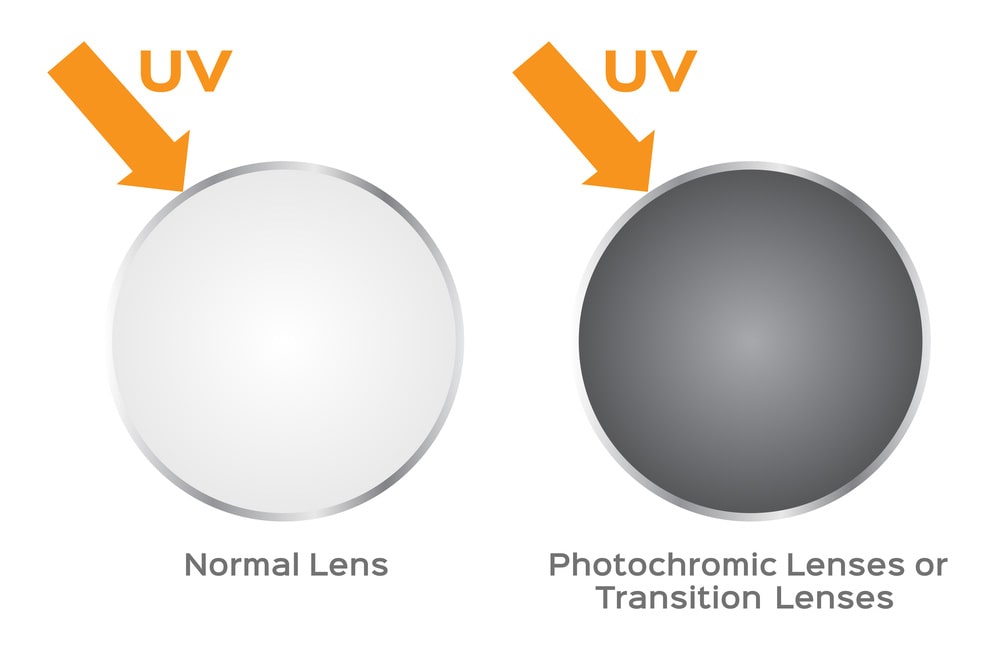
The light-sensitive molecules inside photochromic lenses shift their structure when they’re bathed in UV rays, allowing them to absorb more light and give the lenses a darkened appearance. Once the UV light goes away, the process reverses and the lenses become clear again.

These photochromic molecules are sensitive to both the presence and amount of UV light. They’ll change their structure more quickly when exposed to a lot of it, and more slowly if there’s only a little bit. That’s why you might notice your photochromic lenses darkening a bit less in the shade than out in the sun.

Transition lenses owe their color-changing ability to an innovative manufacturing technique. The lenses are infused with a UV-sensitive material, typically silver halide compounds, during production. This compound acts as the key ingredient that enables the lens to adapt its tint.

When exposed to ultraviolet (UV) light, the embedded silver halide molecules undergo a chemical reaction where they break down, producing tiny dark silver particles. These particles effectively scatter and absorb light, thereby darkening the lens to shield your eyes from glare and bright sunlight.

The mechanism is akin to how photosensitive film reacts to light but with one significant distinction: transition lenses can revert back to their original state. Once the source of UV light is removed, the decomposed silver halide doesn’t remain permanently changed. Instead, it goes through a reversible process thanks to the presence of another component, copper oxide, which serves as a catalyst.

In the absence of UV light, the catalytic action of copper oxide facilitates the recombination of silver ions and halogen atoms, reforming the silver halide compound. As a result, the lens gradually clears up, allowing for normal vision in indoor or low-light conditions.

Overall, this sophisticated chemistry within the lens ensures that it transitions seamlessly between clear and tinted states based on the surrounding light levels, providing wearers with convenient, automatic protection against harmful UV rays.

Why does ultraviolet (UV) light damage the eyes?
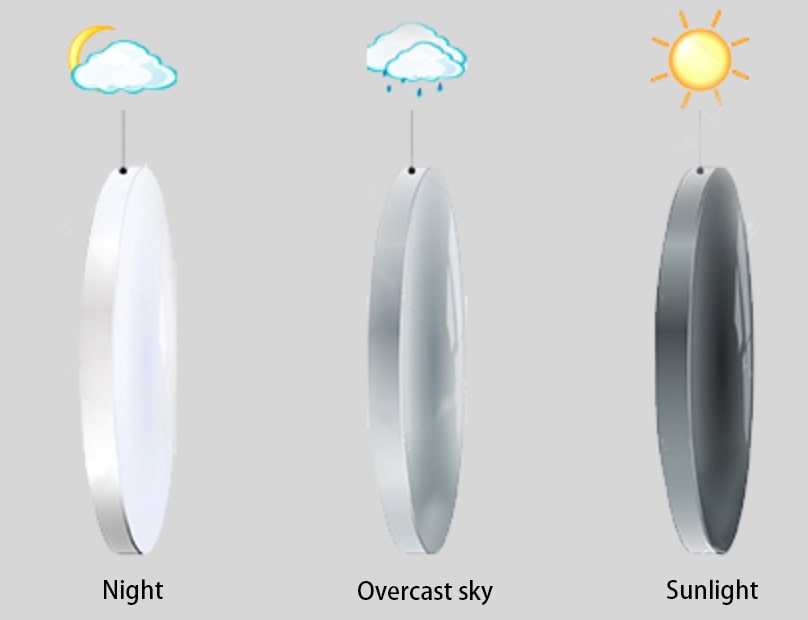
Indeed, the damaging effects of ultraviolet (UV) light are reminiscent of blue light’s potential harm. UV radiation is highly detrimental to ocular health and can lead to a multitude of issues starting with the cornea – the transparent outer layer protecting the eye.Upon exposure to UV light, the delicate corneal epithelial cells are at risk. The nucleus within these cells, which contains genetic material, can be disrupted by UV energy. This disruption leads to cell death and shedding, causing large areas of the epithelium to peel away. As a result, nerve endings in the underlying layers become exposed, triggering symptoms like extreme sensitivity to light (photophobia), tearing, and sensations akin to having foreign objects in the eye.The mechanism behind this damage involves UV light interacting with water molecules within epithelial cells. It breaks down water into free radicals, unstable atoms or molecules that readily react with cellular components. These free radicals initiate a chain reaction of oxidative stress, which ultimately damages and kills the cells.Acute reactions to excessive UV exposure, like photokeratitis, might not manifest immediately but rather peak around 12 hours later, often following intense sunlight exposure without proper protection. Chronic, long-term consequences are even more concerning as they accumulate over time. Examples include cataracts, which cloud the eye’s lens and impair vision, as well as other conditions linked to cumulative UV damage.In summary, UV radiation poses a significant and irreversible threat to eye health. Transition lenses play a crucial role in safeguarding your eyes by automatically darkening when exposed to UV light, thereby reducing its harmful impact and providing a measure of defense against both short- and long-term UV-related eye problems.

Pros of Transition glasses

1.Convenience:

The primary advantage of transition glasses is their convenience. These lenses automatically adjust from clear to dark based on the amount of UV light present. This eliminates the need for constantly switching between regular eyeglasses and sunglasses, making them ideal for people who spend a lot of time outdoors or in changing light conditions. With transition glasses, you can seamlessly transition between different environments without the hassle of carrying and changing multiple pairs of glasses.

2.Eye Comfort and UV Protection:

Transition glasses provide exceptional eye comfort and UV protection. They reduce the amount of glare reaching your eyes, offering relief in bright conditions and minimizing squinting and eye strain. Additionally, these lenses provide built-in ultraviolet (UV) protection, safeguarding your eyes from harmful UVA and UVB rays. This protection plays a crucial role in preventing eye conditions such as cataracts and photokeratitis. With transition glasses, you can enjoy clear vision and consistent visual acuity across all light environments, whether you’re indoors or outdoors.

3.Fashionable:

Transition glasses are not only functional but also fashionable. They are available in various styles and materials, accommodating different fashion preferences. While the recommended colors for transition lenses are gray and brown, they also come in other color variations such as purple, yellow, green, orange, and pink. These light colors add a touch of decoration to your eyewear, allowing you to express your personal style while enjoying the benefits of transition glasses.

4.Reduced Risk of Losing Glasses:

The consistent presence of transition glasses on the wearer’s face significantly reduces the risk of accidental loss. Unlike traditional glasses that are often taken off and left behind on tables or in vehicles, transition glasses remain on your face throughout the day, ensuring their safety. This continuity offers a practical solution to those who struggle with managing multiple pairs of glasses, eliminating the common cause of accidental loss.

5.Cost-Effectiveness:

In the long run, transition glasses can prove to be more cost-effective compared to having separate pairs of prescription eyeglasses and sunglasses. While the initial investment in transition glasses might be higher than standard eyeglasses, they save you the expense of purchasing and maintaining an additional pair of sunglasses. With transition glasses, you have all-in-one eyewear that adapts to different light conditions, providing both vision correction and UV protection.

However, while they are a practical choice for many, it’s important to note that the cost-effectiveness depends on individual usage patterns and specific needs. If someone spends most of their time indoors, requires specialty sunglass features like polarization, or needs dedicated sports eyewear, the investment in transition lenses may not provide the same value as multiple specialized pairs. It’s always best to discuss your lifestyle and visual requirements with an optician to make an informed decision.


Cons of Transition glasses

1.Darkening Response Time:

Transition glasses may not darken or lighten instantly. The process of darkening can take several minutes to reach their maximum tint, which might not be suitable for people who frequently move between indoor and outdoor environments quickly.

2.Indoor Tinting:

In some cases, transition lenses might still have a slight tint even when inside, especially if exposed to bright artificial light sources like halogen or strong fluorescent lighting. This could affect clarity and visibility while driving at night or in low-light conditions.

3.Limited Tint Level:

They may not get as dark as dedicated sunglasses, which can make them less effective against very bright sunlight or glare, particularly for people who require high levels of sun protection.

4.UV Dependency:

They Probably Won’t Work While You’re Driving. These lenses react to UV radiation, which means that they won’t darken effectively in cars because the windshields block most of the UV rays. For consistent protection while driving, you would need polarized clip-ons or specific driving lenses.Some newer models are designed to adapt better in the car though. Also, they do not instantly change – the transition period can take a few minutes to fully darken or lighten, depending on the intensity of the light.

5.Temperature Sensitivity:

Lastly, the performance of photochromic lenses can be influenced by temperature. They may not darken as well in colder weather, offering less protection on cold days. It is important to be aware of this limitation and consider alternative options during such conditions.

In summary, while transition glasses offer convenience and reduce the need for separate pairs of eyewear, their limitations in terms of responsiveness, darkness level, and environmental factors should be considered before making a decision based on individual needs and preferences.


Our Most Popular Transition Glasses
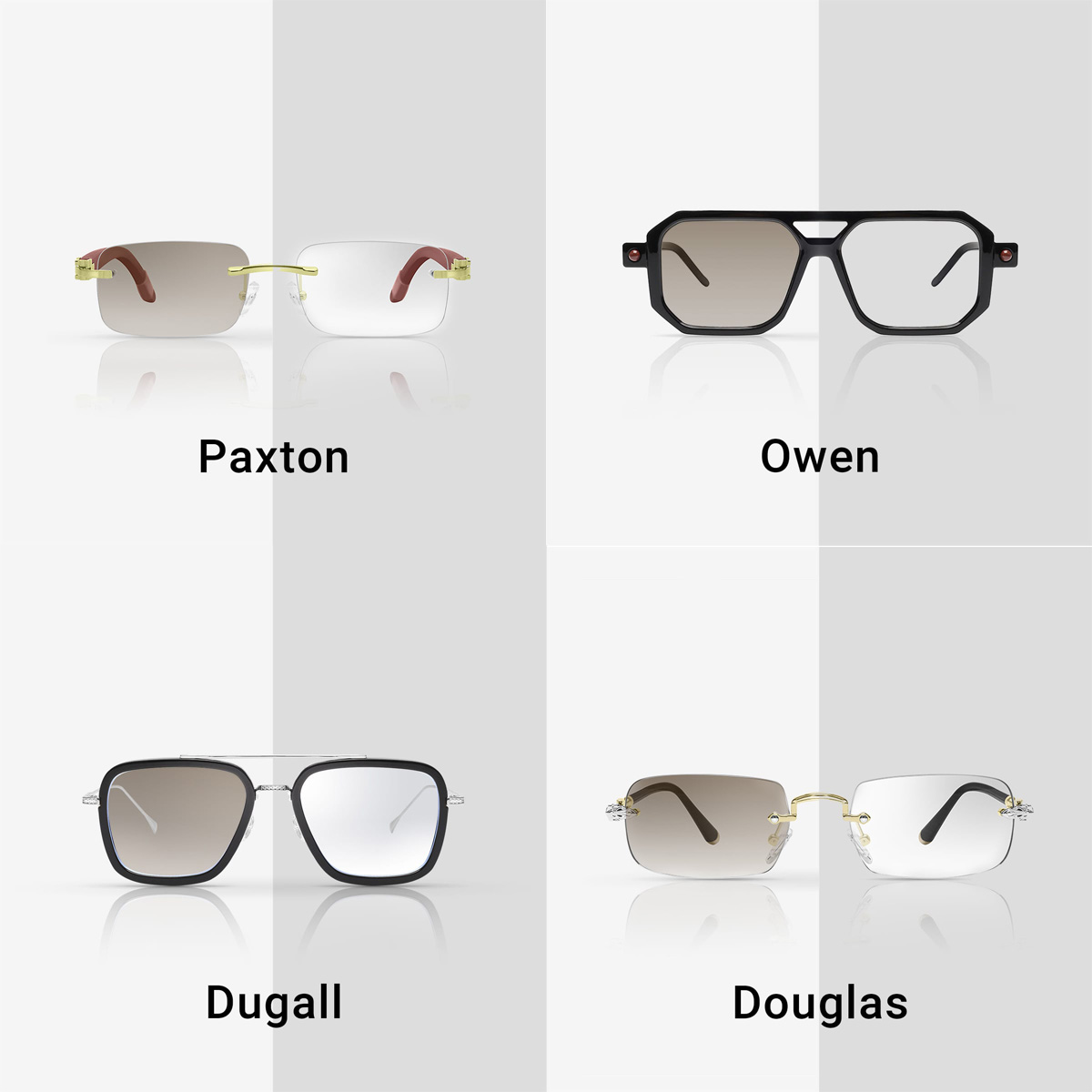
Go transition glasses collection

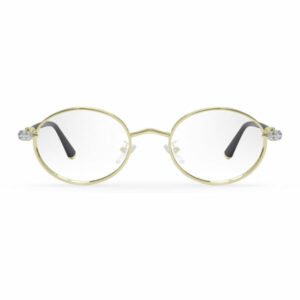
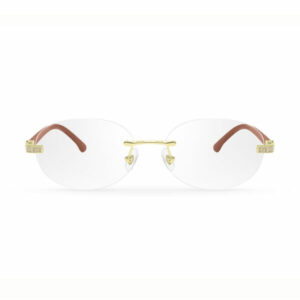
The core essence of JimHalo lies in its commitment to innovation and design, offering products that resonate with individuals who appreciate unique, high-quality eyewear. Their signature rimless frames epitomize minimalism and lightweight comfort. Crafted from resilient materials like wood or stainless steel, these frames are not only visually appealing but also incredibly durable. The absence of rims allows for an unobstructed view and enhances the wearer’s face profile, making them perfect for those who seek understated elegance without compromising on durability.

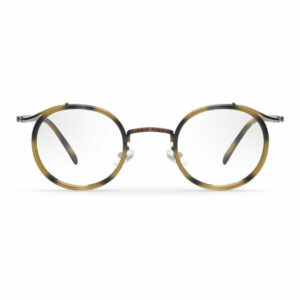
On the other hand, JimHalo’s acetate frames exude a sense of retro charm and modern sophistication. These frames are meticulously handmade from premium cellulose acetate, ensuring each pair boasts rich colors, intricate patterns, and a smooth finish. Acetate offers excellent flexibility, hypoallergenic properties, and can be molded into various shapes and sizes, allowing JimHalo to offer a diverse array of styles – from classic rectangles to bold cat-eye designs.

The brand places a strong emphasis on customization and fit, recognizing that eyewear is a personal accessory that should reflect the individuality of the wearer.

Are transition glasses right for you?

Deciding if transition lenses are the right choice for you involves considering multiple factors that reflect your lifestyle, vision needs, and personal preferences. Here’s a breakdown to help you decide:

1.Outdoor Exposure:

Transition lenses excel when you frequently move between indoor and outdoor environments. If you spend significant time outdoors or often switch between the two, they can provide seamless comfort.

2.Light Sensitivity:

People with light sensitivity may find relief in transition lenses as they automatically darken to shield your eyes from bright conditions.

3.Convenience Factor:

For those who dislike carrying around or switching between regular glasses and sunglasses, transition lenses eliminate the need and offer a one-lens solution.

4.Cost Comparison:

Assessing whether the cost of transition lenses justifies their benefits is crucial. If you’d otherwise buy separate pairs of prescription glasses and sunglasses, they might save you money over time.

5.Lifestyle Assessment:

Analyze your daily routines, hobbies, and work environment. Active lifestyles with diverse lighting scenarios often align well with transition lenses’ functionality.

6.Professional Advice:

Consult with an optician or eye care professional who will consider your visual health, lifestyle, and preferences to recommend the best lens options.

But the reason I chose transition lenses is because I think it’s a cool lens.

Ultimately, the suitability of transition lenses depends on how well they address your unique combination of visual needs, convenience expectations, and budget constraints. By carefully weighing these points, you can determine if this dynamic technology is the right fit for your eyewear needs.

FAQ

1.What is the difference between different brands of transition lenses?

Transition Components:

1. Inherent Change: This is a relatively traditional transition technique, involving the incorporation of a transition agent into the lens, where the transition occurs within the lens.

2. Film Change: A newer transition technology involves applying a transition film layer to the lens surface. The transition components are on the surface film layer. With film change, the transition portion is on the film layer, making it independent of lens material restrictions. Additionally, the transition speed is faster and more uniform compared to inherent change. Therefore, commonly seen lenses like non-spherical, progressive, blue light blocking, and lenses with various refractive indices can be processed into film-changing lenses. This offers a broader selection range, and it is recommended for individuals with high myopia due to its advantages in transition speed and uniformity.

Jim Halo’s photochromic lenses utilize Film Change technology, delivering rapid color transitions and UV protection features.

The color-changing frequency of transition lenses may vary among different brands, typically set at around 3000 cycles. If, for instance, you go out twenty times in a day, it implies that you’ve used the lenses for twenty color transitions. Exceeding this frequency may result in a gradual slowing down of the color-changing speed, eventually leading to a loss of effectiveness. Therefore, the recommended optimal wear duration for transition glasses is approximately 1-2 years.

2.How to choose different colors of transition lenses?

The choice between gray or brown transition lenses depends on individual preferences and age groups.

Gray Transition Lenses:

Recommended for: Individuals under the age of 50.

Characteristics: Gray transition lenses do not alter the original color; they only reduce brightness. They are suitable for maintaining color authenticity in various lighting conditions, providing a natural transition between indoor and outdoor settings.

Brown Transition Lenses:

Recommended for: Individuals aged 50 and above.

Characteristics: Brown transition lenses have an “enhancing” effect, improving clarity. They are especially suitable for older individuals, particularly those who have undergone cataract surgery. The yellowish tint contributes to increased contrast in specific situations.

In the case of driving glasses, the use of yellow lenses is also aimed at enhancing contrast, particularly during nighttime or in overcast weather. However, in everyday use, personal preferences regarding color, visual experience, and specific usage scenarios are factors influencing the choice.
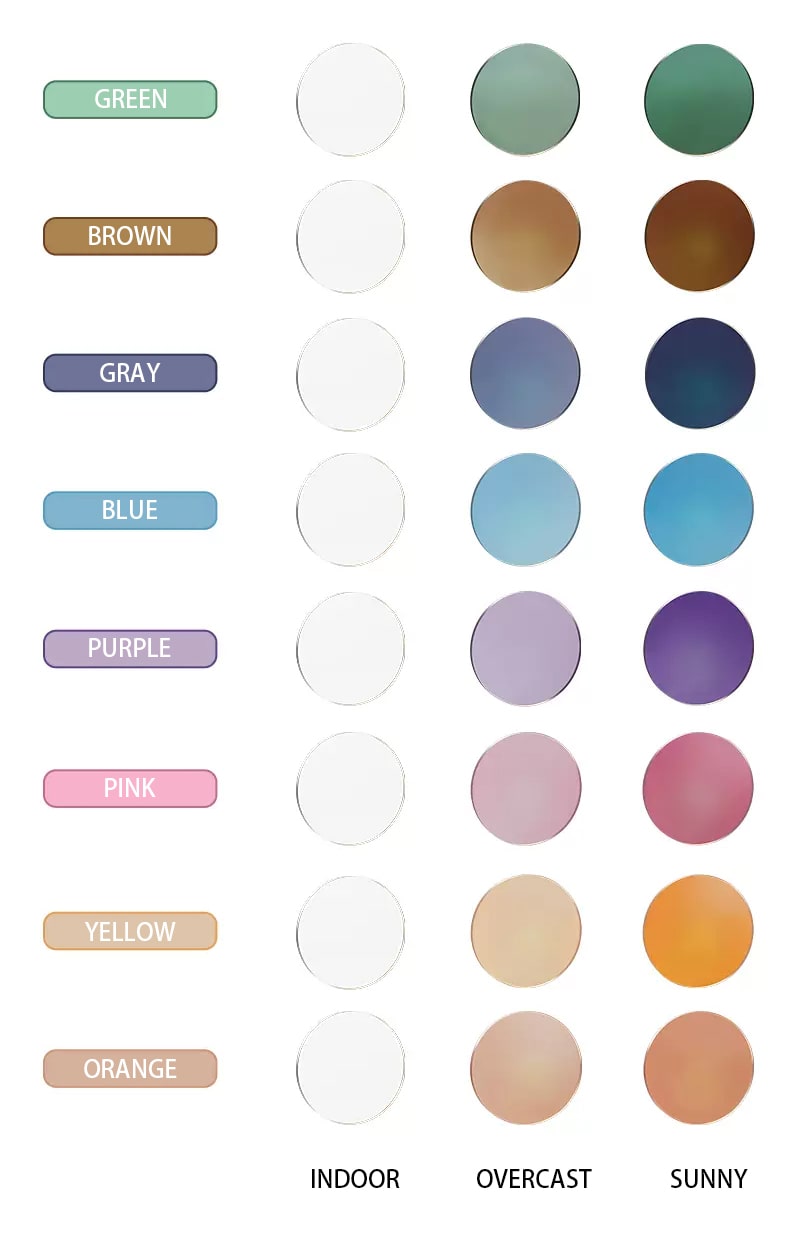
In summary, personal preference is a significant consideration. However, making choices based on age and specific needs can better meet the requirements for eye protection and visual comfort.

3.How much do transition lenses cost?

The cost of transition lenses can vary based on several factors, including the brand, lens material, prescription strength, and additional coatings or features. On average, transition lenses may add $50 to $100 or more to the cost of standard prescription lenses.

Here are some general price ranges:

1. Standard Transition Lenses: These lenses typically cost between $50 and $100 in addition to the cost of the prescription lenses.

2. High-Index or Specialty Materials: If you choose high-index lenses or other specialty materials, the cost of transition features may increase. High-index lenses are thinner and lighter than standard lenses but may come with an additional cost.

3. Brand and Coatings: Certain lens brands or coatings may also affect the overall cost. Premium brands and coatings designed to reduce glare, repel water, or resist scratches may add to the expense.

4. Prescription Complexity: The strength and complexity of your prescription can impact the cost of transition lenses. Higher prescriptions or multifocal lenses may be more expensive.

5. Frame Style: The type of frame you choose can influence the cost. Larger frames or frames with a wraparound style may require larger transition lenses, potentially affecting the price.

Jimhalo’s photochromic lenses work directly with lens manufacturers, minus the middleman price difference. Prescription transition lenses are priced from as low as $39 with one-year warranty.

4.Do photochromic lenses get as dark as sunglasses?

Photochromic lenses, including transition lenses, have the ability to darken in response to UV exposure, providing some level of sunglass-like protection. However, the degree of darkness achieved by photochromic lenses may not be as intense as that of dedicated sunglasses, especially those with very dark tint levels.

To confirm this, I got myself a pair of transition glasses with grey lenses. When I stood in the sun, it took less than 30 seconds to reach the darkest color of the transition lenses. The weather was fine, with temperatures around 20°C (68 ℉). Compared with the same color of gray lenses sunglasses, the effect of transition lenses is about 70% of the ordinary sunglasses, I think it can meet my needs very well. This is my own experience.

The darkness of photochromic lenses depends on various factors:

1. Intensity of UV Exposure: Photochromic lenses react to UV radiation. In direct sunlight or high UV conditions, the lenses tend to darken more.

2. Lens Material: The type of material used in the lenses can influence the maximum darkness. High-index or polycarbonate lenses may not get as dark as traditional glass lenses.

3. Brand and Technology: Different brands use varying photochromic technologies, and some may achieve darker tints than others.

4. Temperature: Photochromic lenses may respond differently in varying temperatures. Some lenses may not darken as much in very hot temperatures.

While photochromic lenses are convenient for individuals who want eyeglasses that can double as sunglasses, they may not be suitable for situations where very dark tint is necessary, such as intense sunlight or high-altitude environments. In such cases, wearing dedicated sunglasses with a specific tint may provide greater protection.
How Long Does It Take to Adjust to New Glasses? Your Comprehensive Guide

How long does it take to adjust to new glasses?

This guide will explore:
  1. The Adjustment Period: Understanding the Timeframe
  2. Common Symptoms Experienced While Adjusting to New Eyewear or Man Glasses
  3. Reasons for Unusual Sensations with the Same Prescription
  4. Tips for Adapting to New Eyewear or Man Glasses Quickly
  5. Patience is Key: Allowing Time for a Smooth Transition
  6. Exploring Lens Options: Choosing the Best Eyewear for Your Needs
  7. The Perfect Fit: How Your Glasses Should Feel
  8. Determining Your Frame Size: A Guide to Man Glasses Measurements
  9. Conclusion
Text leading:
Adjusting to new glasses involves patience and understanding the adjustment period, which typically takes 1-2 weeks. It’s crucial to find the right fit, style, and lenses options, like those eyewear or man glasses offered by Jimhaloeyewear. Maintaining open communication with your optometrist can ensure a smooth transition and optimal vision.

The Adjustment Period: Understanding the Timeframe

When it comes to finding the perfect pair of man glasses, it’s not just about style; it’s also about how long it takes to adjust to new eyewear or man glasses. The adjustment period varies from person to person. But typically, it takes about one to two weeks for your eyes and brain to adapt to the new lenses. This timeframe can be shorter or longer, depending on factors such as the change in prescription, lens type, and personal sensitivity.

lucas gold

Common Symptoms Experienced While Adjusting to New Eyewear or Man Glasses

As you begin to wear your new eyewear, you may experience some common symptoms during the adjustment period. These can include headaches, dizziness, eye strain, and difficulty focusing. It’s essential to give your eyes time to adapt to the new prescription, but if these symptoms persist beyond two weeks, consult your optometrist to ensure your prescription is accurate.

Reasons for Unusual Sensations with the Same Prescription

If you’ve recently acquired a new pair of man glasses with an identical prescription as your previous ones, it’s natural to question why they might feel different. There are several factors that can influence the comfort and sensation of your eyewear. They include the eyewear material, lens coatings, and the frame shape. Moreover, even the slightest changes in lens positioning can lead to unusual sensations when wearing your glasses. It’s important to give your eyes enough time to adjust to these new changes. However, if the discomfort or issues persist, don’t hesitate to consult your eye care professional for guidance.

Tips for Adapting to New Eyewear or Man Glasses Quickly

To ease the transition to your new man glasses, follow these helpful tips:
  1. Wear your new glasses consistently. Give your eyes ample time to adjust by wearing your new glasses as much as possible.
  2. Take breaks. If you experience eye strain, take breaks from visually demanding tasks and rest your eyes.
  3. Gradually increase wear time. If you have a significant prescription change, start by wearing your new glasses for a few hours a day and gradually increase the wear time.
  4. Clean your lenses regularly. Keep your lenses clean to maintain optimal vision.

Patience is Key: Allowing Time for a Smooth Transition

Adapting to new eyewear can be a journey filled with mixed emotions. During this period, it’s essential to remember the importance of patience. As you wear your new man glasses, your eyes and brain need time to adjust to the new prescription, which may be a gradual process. Resisting the urge to rush this transition is crucial in order to fully embrace the numerous benefits that come with improved vision.
It’s completely normal to experience some level of discomfort or unfamiliar sensations as your eyes adapt to their new visual aid. Don’t be disheartened by these initial hurdles; instead, remind yourself that this is a temporary phase that will soon pass. By practicing patience, you’ll be paving the way for a smooth and successful transition to your new eyewear.
During this adjustment period, it can be helpful to maintain a positive mindset and focus on the long-term advantages of your new glasses. Improved vision can significantly enhance your quality of life, whether it’s by making daily tasks easier, reducing eye strain, or simply allowing you to see the world with greater clarity. Keeping these benefits in mind can provide the motivation you need to remain patient throughout the adjustment process.
Furthermore, remember that you’re not alone in this journey. Many people experience similar challenges when adjusting to new eyewear, and it’s essential to maintain open communication with your optometrist or eye care professional. They can offer guidance, reassurance, and, if necessary, adjustments to your prescription to ensure that your eyewear experience is as comfortable and effective as possible.

Exploring Lens Options: Choosing the Best Eyewear for Your Needs

Selecting the perfect eyewear is an essential aspect of your man glasses journey. The right choice can greatly enhance your overall experience. Jimhaloeyewear takes pride in offering an extensive range of top-notch lens options. Each of these alternatives boasts its own set of distinct advantages, making it crucial to weigh factors such as your prescription, lifestyle, and personal tastes when making your decision.
Take the time to explore the various lens options available. For this will allow you to find the one that best suits your individual needs. Consider the unique features and benefits of each lens type, keeping in mind how they align with your daily activities and visual requirements. By carefully selecting a lens that complements your lifestyle and preferences, you’ll be well on your way to enjoying an unparalleled eyewear experience that truly enhances your vision and overall quality of life.

The Perfect Fit: How Your Glasses Should Feel

Securing the perfect fit for your man glasses is of utmost importance. Because it not only guarantees comfort but also contributes to optimal vision. When trying on glasses, make sure they rest gently on your nose and ears without causing discomfort or sliding down. The frames ought to be wide enough to avoid putting pressure on your temples, but not so wide that they risk falling off.
Moreover, pay attention to the positioning of your pupils. It should be centered within the eyewear to ensure clear and accurate vision. Finally, the bottom of the frames shouldn’t touch your cheeks. As this can lead to discomfort and affect the glasses’ stability. Taking the time to find a well-fitting pair of glasses will make all the difference in your overall eyewear experience. And that allows you to enjoy comfortable wear and crystal-clear vision throughout the day.

Determining Your Frame Size: A Guide to Man Glasses Measurements

Selecting the right frame size is essential for both comfort and style. To find your frame size, measure the width of your face at the temples and compare it to the frame width of the glasses you’re considering. Other measurements to consider include the lens width, bridge width, and temple length. You can find these measurements on the inside of the arm of your current glasses or by consulting an optician.
Keep in mind that different frame materials can affect the overall fit and comfort of your eyewear. For example, acetate and plastic frames tend to be lightweight and comfortable. While metal frames offer more adjustability and durability.

Conclusion

In conclusion, adjusting to a new pair of eyewear like man glasses is a personal journey that requires patience, persistence, and attention to detail. By understanding the adjustment period, recognizing common symptoms, and addressing any unusual sensations, you can smoothly transition to your new eyewear and enjoy the benefits of clear vision.
Remember, adapting to your new glasses is not just about the lenses. It’s also about finding the perfect fit and style that complements your unique needs. With Jimhaloeyewear’s extensive range of high-quality lenses and stylish frames, you can be confident that you’ll find the ideal pair to enhance your everyday life.
As you navigate the world’s eyewear and adjust to your new prescription, Jimhaloeyewear is here to help. With a wide variety of stylish frames, high-quality lenses, and exceptional customer service, you can trust Jimhaloeyewear to provide the perfect pair of glasses to suit your needs.
Take your time to explore our selection, including the popular Lucas, Ethan, Axel, and Levi models. Find the perfect pair to elevate your style and improve your vision. Don’t forget to use our helpful guides on lens options, frame sizes, and adjustment tips to ensure a smooth transition to your new eyewear.
So, why wait any longer? Discover the difference Jimhaloeyewear can make in your life and visit jimhaloeyewear.com today to find your perfect pair of man glasses. Your eyes will thank you!

Progressive lenses for vision over 40

After age 40, no one likes to advertise their age — especially when you start having trouble reading fine print.

Thankfully, today’s progressive eyeglass lenses make it impossible for others to tell you’ve reached “bifocal age.”

Progressive lenses — sometimes called “no-line bifocals” — give you a more youthful appearance by eliminating the visible lines found in bifocal (and trifocal) lenses.

But beyond being just a multifocal lens with no visible lines, progressive lenses enable people with presbyopia to again see clearly at all distances.

Advantages of progressive lenses over bifocals

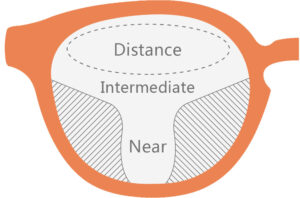
Bifocal eyeglass lenses have only two powers: one for seeing across the room and the other for seeing up close. Objects in between, like a computer screen or items on a grocery store shelf, often remain blurry with bifocals.

Choose a frame that’s big enough to include all viewing zones. Some progressive designs are compact, to fit in the smaller frames now in style.

To attempt to see objects at this “intermediate” range clearly, bifocal wearers must bob their heads up and down, alternately looking through the top and then the bottom of their bifocals, to determine which part of the lens works better.

Bifocals also put you at greater risk for computer vision syndrome when using a computer for extended periods. Bifocal wearers have to sit closer to the screen and tilt their heads back to see through the bottom part of their lenses. This unnatural posture can lead to muscle strain, neck pain and other symptoms of Computer Vision Syndrome.

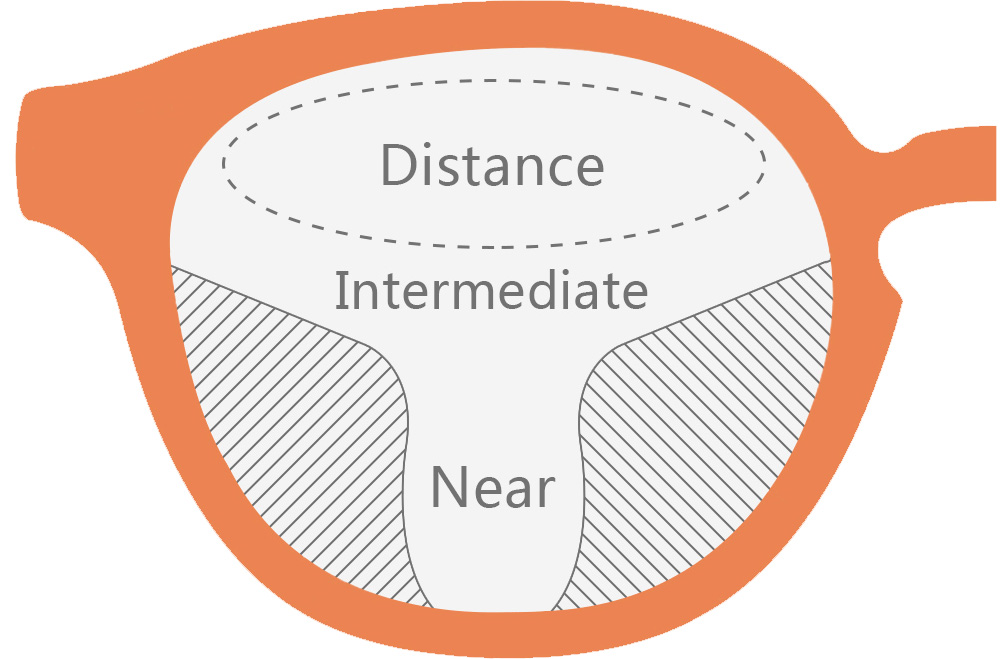
Progressive lenses more closely mimic the natural vision that you enjoyed before the onset of presbyopia. Instead of providing just two lens powers like bifocals (or three, like trifocals), progressive lenses are true “multifocal” lenses that provide a smooth, seamless progression of many lens powers for clear vision across the room, up close and at all distances in between.

With progressive lenses, there’s no need to bob your head up and down or adopt uncomfortable postures to see your computer screen or other objects at arm’s length.

Holding your head in a comfortable position, you can simply look straight ahead to see in the distance, move your eyes slightly downward to view your computer through the intermediate zone and lower your gaze a bit farther to read comfortably up close.

Natural vision with no “image jump”

The visible lines in bifocals and trifocals are points where there’s an abrupt change in lens power.

When a bifocal or trifocal wearer’s line of sight moves across these lines, images suddenly move, or “jump.” The discomfort caused by this “image jump” can range from being mildly annoying to creating nausea.

Progressive lenses are line-free and have a smooth transition in lens power for clear vision at all distances.

Also, because of the limited number of lens powers in bifocals and trifocals, your depth of focus with these lenses is limited. To be seen clearly, objects must be within a specific range of distances. Objects that are outside the distances covered by the bifocal or trifocal lens powers will be blurred.

Progressive lenses, on the other hand, have a smooth, seamless progression of lens powers for clear vision at all distances. Progressive lenses provide a more natural depth of focus with no “image jump.”

It’s important to note, however, that the first time you wear progressive lenses, you may notice a soft blur in your peripheral vision through the lower half of the lenses, to the right and left of the intermediate and near zones.

If this occurs, the sensation typically will go away after you wear the lenses full-time for several days. If it persists, tell your eye doctor or optician. (If necessary, a slight adjustment or changing to a different progressive lens design usually will solve the problem.)

Progressive lenses for all frames and lifestyles

Because of their visual and cosmetic advantages over bifocals and trifocals, progressive lenses have become the most popular multifocal lenses for anyone with presbyopia who wears eyeglasses.

This demand has led to a number of recent advances in progressive lens technology, including:

Wider zones of clear vision

In early progressive lens designs, the lateral field of view for computer use and reading was somewhat limited. This required wearers to make frequent small head movements and “point their nose” directly at an object to see it clearly.

In today’s progressive lenses, the size of the zones for computer use and reading has been increased. And for computer users, special occupational designs greatly expand the intermediate zone for enhanced comfort at the computer.

Compatibility with smaller frames

In early progressive lens designs, the power changes within lenses required them to be relatively large. This limited frame selection to larger styles.

Today, many progressive lenses have compact designs specially made for smaller eyeglass frames. With these new designs, wearers with small faces or anyone who wants a smaller, fashionable frame can enjoy all the benefits of progressive lenses.

Better lens materials

Today’s progressive lenses are available in all the latest lens materials, making them thinner, lighter and more comfortable than ever before.

Progressives made of high-index plastic lens materials can be up to 50 percent thinner than standard plastic bifocals.

For safety eyewear, many brands of progressive lenses are available in lightweight and impact-resistant polycarbonate as well.

Other options for progressive lenses

For outdoor wear, many of today’s progressive lenses are available in photochromic tints for greater comfort when going in and out of the sun. Some progressive lenses are also available as polarized sunglasses.

Seek expert advice for your best lens choice

With so many progressive lens designs and options available today, the choices can be overwhelming without professional advice.

The first step is to have a comprehensive eye exam with an eye doctor near you and obtain an updated eyeglass prescription. During the exam, tell your eye doctor about any particular vision needs you have.

Do blue light glasses work?

By Adam Debrowski

https://www.allaboutvision.com/eyeglasses/blue-light-glasses/

What do blue light glasses do?

Blue light glasses block some of the high-energy blue light emitted from electronic devices like smartphones, computers and TVs. Even your average indoor light bulb can give off blue light.
Blue light glasses go by a few different names. You might hear them called blue light blocking glasses or blue light filter glasses. Sometimes, they’re just called blue blockers.
Could you benefit from blue light blocking glasses? Let’s find out.

How blue light blocking glasses work

When something produces light, different colors vibrate at different wavelengths. The blue-violet light is called high energy visible (HEV) light. That’s the part that most closely resembles the sun’s potentially damaging blue light.

Naturally, artificial blue light is much weaker than the sun’s blue light. But the average American now spends so much of their time indoors in front of digital screens that the lower rate of exposure starts to add up.
It isn’t currently known whether electronic blue light can directly lead to eye problems, but it may contribute.
“The average time on devices and in front of screens for adults is pushing 11 hours per day, and as such, our eyes are under a lot of digital light strain,” said Dr. Sheri Rowen, an ophthalmologist and member of the Eyesafe Vision Health Advisory Board.
“The lenses are designed to help reduce the occurrence of digital eye strain and avoid circadian rhythm cycle disruption, affecting sleep and overall well-being,” Rowen said.
Blue light glasses block a percentage of this light with a special coating that reflects some of the blue light away from your eyes. How high that percentage is depends on which glasses you buy.
Some blue light glasses have a yellow tint, while others look clear. Typically, lenses that look more yellowed tend to filter more blue light than their clearer counterparts.
“The best first step is to consult with an eye care professional who will help ascertain your needs for protection,” Rowen said.

The possible benefits of blue light glasses

Our experience with modern technology is relatively young, especially the habit of spending 11 hours a day with our eyes fixed on screens.
There’s a lot we still don’t know about how this kind of use affects our eye health.
Blue light blocking glasses are often associated with two potential benefits: reduced eye strain and better sleep.
“Whenever we use our digital devices, especially late into the night, we’re actually telling our brains to keep our bodies awake,” said Caroline Dubreuil, product marketing manager at EyeBuyDirect.
“Research shows that wearing blue light filtering glasses three to four hours before bedtime can lead to better and more restful sleep,” Dubreuil added.

Do you really need blue light filter glasses?

It might help to approach blue light glasses from a trial-and-error point of view.
If you experience eye strain or have problems falling asleep (especially after excessive screen time), blue light glasses can be worth looking into.
They may alleviate some of your eye strain or help you get to sleep a little more easily, or they may not. Some people swear by them, while others don’t see much of a benefit.
Online retailers like Jimhalo Eyewear sell prescription and nonprescription blue light filter glasses for significantly less than most eyeglass stores, so the risk to your wallet will be minimal if they don’t work out.

Practicing good screen hygiene

With or without blue light glasses, practicing eye-friendly screen habits is a guaranteed way to reduce your eye strain and the effects of computer vision syndrome.
Symptoms of digital eye strain often include blurry vision, headaches and dry eyes. The strain of focusing on screens may even trigger ocular migraines.

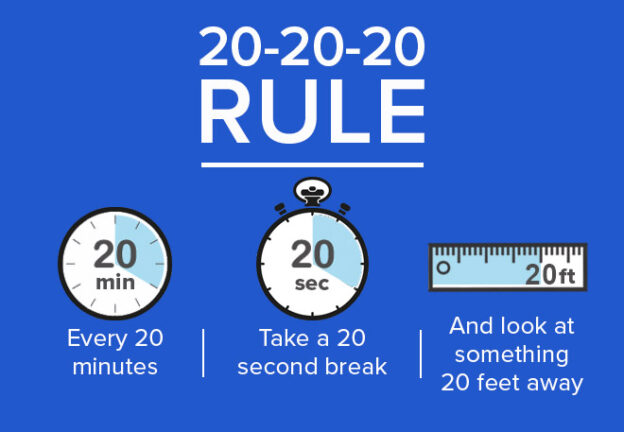
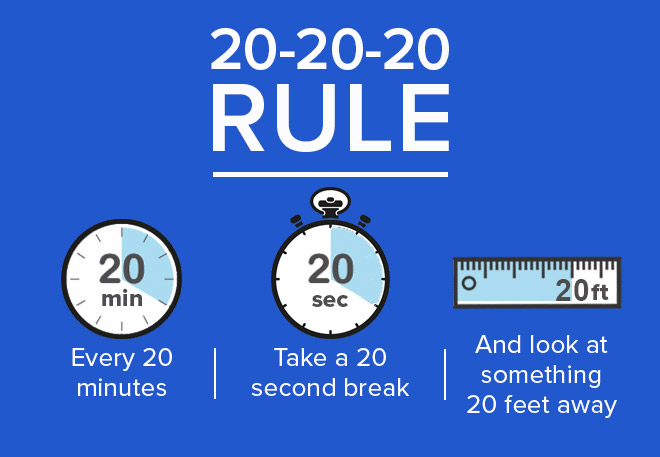
The 20-20-20 rule is easy to remember and practice: For every 20 minutes you’re using a digital screen, look at an object at least 20 feet away for 20 seconds.
Lifestyle adjustments like regular practice of the 20-20-20 rule, taking extended screen breaks and using your phone’s dark mode can supplement any benefits you experience with blue light blocking glasses.

Blue Light Facts: Is Blue Light Bad For Your Eyes?

By Gary Heiting, OD

What is blue light?

Visible light is more complex than you might think.

Stepping outdoors into sunlight; flipping on a wall switch in your house; turning on your computer, phone or other digital device — all of these things result in your eyes being exposed to a variety of visible (and sometimes invisible) light rays.

Most people know sunlight contains visible light rays and also invisible ultraviolet rays that can tan or burn your skin. But what many don’t know is that sunlight contains a wide range of different-colored visible light rays that contain different amounts of energy.

Sunlight contains red, orange, yellow, green and blue light rays and many shades of each of these colors. The color of individual light rays depends on their energy and wavelength. Combined, the full spectrum of colored visible light rays creates what we call “white light” or sunlight.

Digital electronic devices emit blue light that can cause eye strain and may lead to eye problems over time.

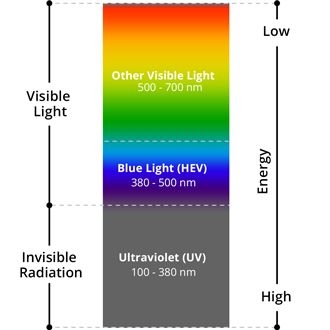
Without getting into complicated physics, there’s an inverse relationship between the wavelength of a light ray and the amount of energy it contains. Light rays that have short wavelengths have more energy and those with longer wavelengths contain less energy.

Rays on the blue end of the visible light spectrum have short wavelengths and high energy. Those on the red end of the spectrum have long wavelengths and less energy.

Invisible ray just beyond the red end of the visible light spectrum are called infrared radiation. The “warming lamps” you see in restaurants emit infrared radiation. (But these lamps also emit visible red light so people know the lamps are on! The same is true for other types of heat lamps.)

On the other end of the visible light spectrum, blue light rays with the shortest wavelengths (and highest energy) are sometimes called blue-violet or violet light. This is why the invisible rays just beyond the visible light spectrum are called ultraviolet (UV) radiation.

The perils and benefits of UV

UV rays have higher energy than visible light rays (including blue light), which makes them capable of producing changes in the skin that create a suntan. The bulbs in tanning booths emit a controlled amount of UV radiation specifically for this reason.

But too much exposure to UV rays causes a painful sunburn — and even worse, can lead to skin cancer. These rays can also cause sunburned eyes — a condition called photokeratitis or snow blindness.

In moderation, however, UV rays have beneficial effects — such as helping the body manufacture adequate amounts of vitamin D.

Visible light and blue light

Generally, scientists say the visible light spectrum comprises electromagnetic radiation with wavelengths ranging from 380 nanometers (nm) on the blue end of the spectrum to about 700 nm on the red end. (By the way, a nanometer is one billionth of a meter — that’s 0.000000001 meter!)

Blue light generally is defined as visible light ranging from 380 to 500 nm. Blue light sometimes is further broken down into blue-violet light (roughly 380 to 450 nm) and blue-turquoise light (roughly 450 to 500 nm).

So, about one-third of all visible light is considered high-energy visible (HEV) or “blue” light.

Key points about blue light

Like ultraviolet radiation, high-energy visible blue light has both benefits and risks. Here are important things you should know about blue light:

1. Blue light is everywhere.

Sunlight is the main source of blue light, and being outdoors during daylight is where we get most of our exposure to it. But there are many other sources of blue light — including LED lighting and flat-panel screens.

Most notably, the screens of computers, tablets, smartphones and other digital devices produce significant levels of blue light.

The amount of HEV blue light these devices emit is only a fraction of that in sunlight. But the amount of time people spend using these devices and the proximity of these screens to the user’s face have many eye doctors and other health care professionals concerned. It’s possible there may be long-term effects of blue light from computers and phones on the health of our eyes.

2. HEV blue light rays make the sky look blue.

High-energy blue light rays scatter more easily than other visible light rays when they strike air and water molecules in the atmosphere. This greater degree of scattering of blue light is what makes a cloudless sky look blue.

3. Our eyes are not very good at blocking blue light.

Structures in the front half of the eye (the cornea and lens) are very effective at blocking UV rays from reaching the light-sensitive retina at the back of the eyeball. In fact, less than 1% of UV radiation from the sun reaches the retina, even if you aren’t wearing sunglasses.

(Keep in mind, though, that sunglasses that block 100% of UV are essential to protect these and other parts of the eye from damage that could lead to cataracts, snow blindness, pinguecula, pterygium, and even certain types of cancer.)

On the other hand, virtually all visible blue light passes through the cornea and lens and reaches the retina.

4. Blue light might increase the risk of macular degeneration.

The fact that blue light reaches the retina of the eye is important. Laboratory studies have shown that too much exposure to blue light can damage light-sensitive cells like those found in the human retina.

These changes seen in experimental conditions resemble those caused by macular degeneration, which can lead to permanent vision loss.

Although more research is needed to determine how much natural and artificial blue light from sunlight and digital devices is “too much blue light” for the retina, many eye care providers are concerned. The added blue light exposure in modern life from computer screens, smartphones and other digital devices might increase a person’s risk of macular degeneration later in life. Until long-term population studies can be done, it’s too soon to tell.

5. Blue light contributes to digital eye strain.

Because blue light scatters more easily than other visible light, it’s not as easily focused. When we spend hours staring at computer screens and other digital devices, this poorly-focused visual “noise” from blue light reduces contrast and can contribute to digital eye strain.

Research has shown that lenses that block high-energy blue light in the 400-450 nm wavelength range increase contrast significantly. Therefore, computer glasses that filter blue-violet light in this range may reduce eye strain — especially if you use digital devices for extended periods of time.

6. Blue light protection is important after cataract surgery.

The lens of an adult eye blocks nearly 100% of the sun’s UV rays. As part of the normal aging process, the eye’s natural lens eventually blocks some short-wavelength blue light as well — the type of blue light with the highest potential to damage the retina and possibly cause macular degeneration and vision loss.

If you have cataracts and are about to have cataract surgery, ask your surgeon what type of intraocular lens (IOL) will be used in your procedure. Some IOLs may be better than others at restoring some level of blue light protection for your retina after surgery.

Also, when outdoors in daylight, always wear sunglasses that block blue light (as well as 100% of the sun’s UV rays) after cataract surgery. And when using computers and other digital devices for extended periods, wear computer glasses that provide better blue light protection than standard reading glasses.

7. Not all blue light is bad.

So, is all blue light bad for you? Why not block all blue light, all the time?

Actually, some blue light exposure is essential for good health. So 100% protection from all blue light is not a good idea. Research also has shown that high-energy visible light boosts alertness, helps memory and cognitive function, and elevates mood.

In fact, the application of controlled levels of blue light is sometimes used to treat a condition called seasonal affective disorder (SAD). This is a type of depression that’s related to changes in seasons, with symptoms usually beginning in the fall and continuing through winter.

The light sources for this therapy emit bright white light that contains a significant amount of HEV blue light rays.

Also, blue light is very important in regulating circadian rhythm — our natural wakefulness and sleep cycle. Exposure to blue light during daytime hours helps maintain a healthful circadian rhythm.

But too much blue light late at night (such as reading an e-book or browsing the web at bedtime) can disrupt circadian thythm, potentially causing sleepless nights, daytime fatigue, and even serious health problems.

Blue light filters and protective eyewear

If you are constantly using your phone for texting, emailing and web browsing, a convenient way to reduce your blue light exposure is to apply a blue light filter to the screen of your device.

These filters are available for smartphones, tablets, and computer screens and are available wherever electronics are sold.

Blue light filters reduce the amount of HEV blue light emitted from these devices from reaching your eyes without affecting the visibility of the display. Some are made with thin tempered glass that also protects your device’s screen from scratches.

As mentioned above, blue light-blocking computer glasses can also be helpful to reduce blue light exposure from digital devices. These special-purpose glasses are available without an eyeglass prescription if you don’t need corrective lenses or if you routinely wear contact lenses to correct your eyesight.

If you have even mild nearsightedness, farsightedness or astigmatism, prescription computer glasses can optimize your vision specifically for the distance from which you view your devices. This is especially important if you also have age-related presbyopia.

If you’re over age 40 and routinely wear progressive lenses or bifocals, prescription computer glasses with single vision (one-power) lenses optimized for your computer viewing distance give you the additional benefit of a much larger field of view for seeing your entire screen clearly. Keep in mind, though, that this type of computer eyewear is exclusively for seeing objects within arm’s length and should not be worn for driving or other distance vision needs.

Also, some anti-reflective coatings for eyeglasses and computer glasses (such as Essilor’s Crizal Prevencia AR Coating) provide an added degree of blue light protection from sunlight and digital devices.

You may also want to consider photochromic lenses, which provide UV and blue light protection indoors and automatically darken in sunlight to increase comfort and reduce glare outdoors.

See your eye doctor or optician for more advice on the best computer glasses for viewing your screens and protecting your eyes from blue light.

4 common lens coatings for glasses

By Gary Heiting, OD

https://www.allaboutvision.com/lenses/coatings.htm

Lens coatings are applied to eyeglass lenses to enhance the durability, performance and appearance of your glasses. This is true whether you wear single vision, bifocal or progressive lenses.
If you’re thinking about purchasing new eyeglasses, you might want to consider the following lens coatings and treatments.

Anti-reflective (AR) coating
Anti-reflective coating (also called AR coating or anti-glare coating) is a microscopically thin multi-layer coating that eliminates reflections from the front and back surface of eyeglass lenses.
By doing so, AR coating makes your lenses nearly invisible so people can focus on your eyes, not distracting reflections from your eyeglasses.
Anti-reflective coating also eliminates glare caused by light reflecting from your lenses. With reflections eliminated, lenses with AR coating provide better vision for night driving and more comfortable vision for reading and computer use.
AR coating is highly recommended for all eyeglass lenses, but particularly for polycarbonate and high-index lenses, which reflect more light than regular glass or plastic lenses if anti-reflective coating is not applied.
Also, aspheric lenses, which have flatter curves than regular lenses, often cause more noticeable reflections, so AR coating is highly recommended for these lenses, too. And AR coating is beneficial when applied to the back surface of sunglasses to eliminate “bounce-back” reflections when you are facing away from the sun.
For the best possible comfort in all lighting conditions, eye care professionals usually recommend applying anti-reflective coating to photochromic lenses. AR coating improves light transmission through the lenses for night driving and helps photochromic lenses reduce glare in bright sunlight.

Scratch-resistant coating
No eyeglass lenses — not even glass lenses — are 100% scratch-proof.
However, lenses that are treated front and back with a clear, scratch-resistant coating have a much harder surface that is more resistant to scratching, whether from dropping your glasses on the floor or occasionally cleaning them with a paper towel.
Kids’ lenses, especially, benefit from a scratch-resistant hard coat for greater durability.
Today, most eyeglass lenses, including high-index lenses and lenses made of polycarbonate and Trivex, have a built-in scratch-resistant coating.
Since scratch-resistant coatings are sometimes optional, make sure your optician knows that you want your eyeglass lenses to include hard coating for extra durability. Also, ask about the warranty on eyeglass lenses that are treated with scratch-resistant coating versus those without the coating.
Keep in mind that even the best scratch-resistant coating can’t completely protect your lenses from wear and tear. To keep your glasses looking new, store them in a cushioned case when not in use, and clean your lenses with a microfiber cloth and the cleaning solution your optician recommends.
Also, be wary of products that promise to repair scratched lenses. These products may fill in the scratches, but it is impossible for them to make the scratches disappear so the lenses look new again.

Anti-fog coating
If you live in a cold climate, nothing is more frustrating than having your eyeglasses fog up when you come in from the cold. This also can be a safety issue, since it limits your ability to see until the fog clears. Lens fogging can be especially dangerous for police officers and other first responders to emergency situations.
At least one eyeglass lens coating company (Opticote) has created a permanent coating designed to eliminate this problem. The factory-applied coating — called Fog Free — eliminates the condensation of moisture on lenses that causes fogging.
So your lenses and vision stay clear when you make the transition from a cold environment to a warm one. It may also keep your lenses from fogging up during sports and other times you are hot and perspiring.
Fog Free can be applied to plastic, polycarbonate and other eyeglass lenses, including high-index lenses and photochromic lenses. The anti-fog coating is applied to the lenses before they are cut to fit into your frame at the optical lab. Ask your optical retailer about pricing and availability.
Another option in anti-fog lens technology is Optifog lenses (Essilor).
The anti-fogging property of Optifog lenses is activated by applying a drop of Optifog Activator to each side of the lens, then wiping the lens with a microfiber cloth to thoroughly spread the liquid across the entire lens surface. This treatment keeps the lenses fog-free for up to one week, according to Essilor.
Lens fogging is caused by tiny water droplets that form by condensation on the surface of eyeglass lenses when the lenses are significantly cooler than the surrounding air temperature. Optifog works by uniformly spreading these water droplets across the lens surface so they become invisible, Essilor says.
Optifog lenses are available in plastic, polycarbonate and high-index plastic lens materials, with or without Essilor’s proprietary Crizal anti-reflective coating.

Ultraviolet (UV) treatment
Another beneficial lens treatment is an invisible dye that blocks ultraviolet (UV) light. Just as sunscreen keeps the sun’s UV rays from harming your skin, UV-protective treatments for eyeglass lenses block those same rays from damaging your eyes.
Overexposure to ultraviolet light is thought to be a cause of cataracts, retinal damage and other eye problems.
Regular plastic eyeglass lenses block most UV light, but adding a UV-blocking dye boosts UV protection to 100 percent for added safety. Other eyeglass lens materials, including polycarbonate and most high-index plastics, have 100 percent UV protection built-in, so an extra lens treatment is not required for these lenses.
Photochromic lenses also block 100 percent of the sun’s UV rays without the need for an added UV lens treatment.