In today’s world, there’s no escaping computer screens, smartphones, tablets, flatscreen TVs, and even digital billboards. They’re everywhere. And while going digital may be great for the trees, it can – just like certain foods or sources of energy – be harmful to our health when consumed in too high of a quantity. Below we break down three major ways in which too much screen time is affecting your mental and physical health, and what you can do about it.
VISION PROBLEMS
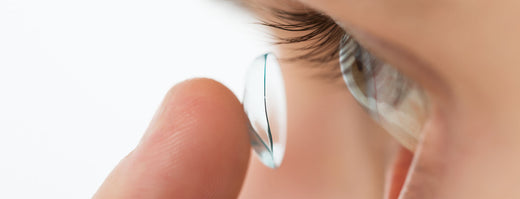
Gazing at screens for too long can cause a myriad of vision-related side effects. Notice those eyes growing dry after a long day of computer work or a video game binge? That’s because, when staring at computer screens, studies have shown weblink at less than half the rate we normally do. Computer usage also causes more incomplete blinks, meaning the eyelid does not fully close, so our natural tear liquid is not spread fully across the eye. Staring at screens for extended periods of time can also cause eye strain, blurred vision, and headaches. To avoid these issues, try to limit your screen time and take frequent breaks from such computer, tablet, or similar screen exposure.
ADDICTIVE TENDENCIES & SHORTENED ATTENTION SPANS
With how hungry we have become for instant answers, instant gratification, and constant stimulation through technology, this side effect of screen time may not come as a surprise. Have you been guilty of repeatedly reaching for your phone or scrolling through Facebook while in the middle of watching a movie on your TV? Do you get that itch every time you see a notification for an incoming text, a new “like” on Instagram, or an unopened email, making it unbearable to not check it? Our direct connection to everything and everyone through our technology, while also convenient, has led to certain addictive tendencies – addiction to instant replies from friends or family, instant knowledge from the internet, and instant gratification from hits on our social media. Our exposure to screens and this instant gratification they provide is heavily correlated to shortened attention spans as well. In fact, one study showed that just two hours per day of screen time increases a child’s likelihood of meeting the criteria for ADHD by eight when compared to a child who spends 30 minutes or less on devices per day. But there’s hope. Our attention spans are like muscles – you can exercise to build them back up. For starters, become aware of and try limiting the number of times you check your phone, especially while engaged in another activity, conversation, or form of entertainment.
DISRUPTED SLEEP PATTERNS
The blue light that emanates from our tech screens is the same type of blue light that we’re exposed to by way of the Sun every day. Thanks to many years of evolution, our bodies use blue light as a cue to stay alert and awake, since, in nature, we are only exposed to it during the day. So, it makes sense that when our eyes are locked on our blue light-emitting computers, TV screens, or phones late into the evening, our brains have difficulty shutting down for bedtime and maintaining a normal sleep rhythm. And a lack of proper sleep can lead to a plethora of health issues. To combat this, try avoiding blue light screens an hour before bed so your brain can give the cue to release melatonin, which will help you sleep peacefully through the night. Another option, especially if avoidance of screens late at night is all but impossible, is to invest in a pair of blue light blocking glasses, which filter out the stimulating blue light emitted from devices before they can reach the eye.

It’s no mystery that our devices play a significant role in modern society and our individual lives. They do a great service to us by making information available at the touch of a button, connecting loved ones from across the globe, and serving as a source of endless entertainment. But just like anything else, these sources should be consumed in moderation and with awareness.