Introduction:
In today’s digital age, concerns have been raised about the potential harm of blue light emitted by electronic devices like cell phones and computers. This guide aims to explore the impact of blue light on our health and shed light on the effectiveness and qualifications of anti-blue light glasses.
The Nature of Blue Light:
Blue light is a component of visible light characterized by its short wavelength and high energy. It can be further classified into blue-green light and blue-violet light. While blue-green light is believed to have beneficial effects on the human body, stimulating pupil contraction and regulating biorhythms, blue-violet light poses potential harm to the eyes. Prolonged exposure to blue-violet light can lead to the production of lipofuscin in the eye’s macula, resulting in phototoxic reactions and macular degeneration.
Age Sensitivity and Exposure:
Blue light affects individuals of different ages in varying degrees. As we age, the lens of our eyes naturally absorbs more blue light, reducing its transmission. However, children have clear lenses with a higher transmission rate, making them more susceptible to the effects of blue light. Excessive use of electronic devices has been shown to impact children’s vision and sleep quality. While blue light may not be solely to blame, it is essential to limit screen time for children.
Anti-Blue Light Glasses:
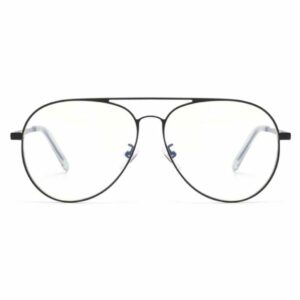
Anti-blue light glasses have gained popularity as a means to reduce the potential eye damage caused by blue light from electronic devices. These glasses are designed to filter out harmful blue-violet light while allowing the beneficial blue-green light to pass through, ensuring visual clarity and comfort. However, the effectiveness of anti-blue light glasses has been primarily studied using high-intensity blue-violet light in animal experiments, which do not represent typical exposure levels from LED lights and electronic screens. Thus, there is no need for excessive concern about blue light‘s impact.
Quality and Selection:
The quality of anti-blue light glasses available in the market varies significantly. High-quality lenses effectively filter blue-violet light while maintaining optimal blue-green light transmission. They are typically light in color and may come at a higher price. It is advisable to choose reputable brands that meet the required standards for lens transmittance and chromatic aberration.
Considerations and Alternatives:
If one lacks confidence in selecting qualified anti-blue light glasses, wearing ordinary glasses is a viable alternative. The exposure to blue light in everyday life is not significant enough to necessitate the use of anti-blue light glasses. Furthermore, wearing non-qualified glasses can potentially cause more harm to the eyes.
Conclusion:
Understanding the nature of blue light and its effects is crucial in making informed decisions about protecting our eyes. While blue-violet light can be harmful, it is essential to consider the level of exposure and the qualifications of anti-blue light glasses. Prioritizing screen time limitations, especially for children, can also contribute to maintaining healthy eyesight in the digital era.