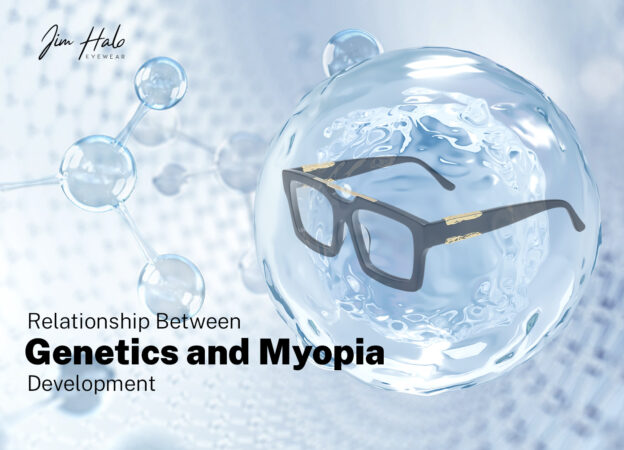
Tag Archives: myopia

Genetics and Myopia

Investigating the Relationship Between Genetics and Myopia Development

Introduction:

Myopia, commonly referred to as nearsightedness, is a widespread visual impairment that impacts a significant portion of the global population. Individuals with near sight experience difficulty in seeing distant objects clearly while maintaining clear vision of objects up close. Over the years, there has been a surge in research interest regarding the role of genetics in the onset and progression of near sight. This blog aims to delve into the intricate relationship between genetics and myopia, delving into the most recent research findings and their potential implications.

Understanding Myopia:

Myopia is a complex condition influenced by various factors, including both environmental and genetic components. It typically emerges during childhood or adolescence and can progress over time. While environmental factors such as excessive near work and prolonged screen time have been identified as potential contributors, the impact of genetics on myopia development has gained significant attention.
Genetic Factors and Myopia:

Numerous studies have revealed a strong genetic component in myopia, with heritability estimates ranging from 50% to 90%. Family and twin studies consistently demonstrate a higher prevalence of myopia among individuals with affected relatives, indicating that genetic factors play a crucial role in determining an individual’s susceptibility to near sight.
Genome-Wide Association Studies (GWAS):

Advancements in genetic research have paved the way for identifying specific genetic variants associated with near sight susceptibility. Genome-wide association studies (GWAS) have been conducted to investigate these genetic markers. By analyzing the genetic profiles of thousands of individuals with and without myopia, researchers have discovered several genes potentially linked to near sight development. These genes actively participate in various biological processes, such as eye development, scleral remodeling, and neurotransmitter signaling.
Gene-Environment Interactions:

While genetic factors significantly contribute to short sight development, it is important to acknowledge their interaction with environmental factors. For instance, spending excessive time engaged in near work activities, such as reading or using digital devices, can exacerbate myopia progression in genetically susceptible individuals. Understanding the interplay between genetic and environmental factors is crucial for devising effective strategies for near sight prevention and management.

Future Implications:

The identification of genetic markers associated with myopia provides promising prospects for early detection, risk assessment, and personalized interventions. Genetic testing, combined with environmental modifications, may enable healthcare professionals to identify individuals at high risk for short sight and implement targeted interventions to prevent or slow down its progression.
Additionally, gaining a deeper understanding of the genetic mechanisms behind near sight may pave the way for innovative treatment options. Scientists are actively exploring potential gene therapies and pharmacological interventions that specifically target the genetic pathways associated with myopia development. These groundbreaking approaches hold the potential to revolutionize myopia management, significantly reducing its impact on individuals’ vision and overall quality of life.
Conclusion:

The investigation of the relationship between genetics and myopia development is an intriguing area of research that continues to evolve. The mounting evidence highlighting the significant role of genetic factors in short sight susceptibility opens up exciting possibilities for early detection, personalized interventions, and novel treatments. By further exploring the intricate interactions between genetics and environmental factors, we can hope to address the increasing prevalence of myopia and improve the vision health of individuals worldwide.
Myopia

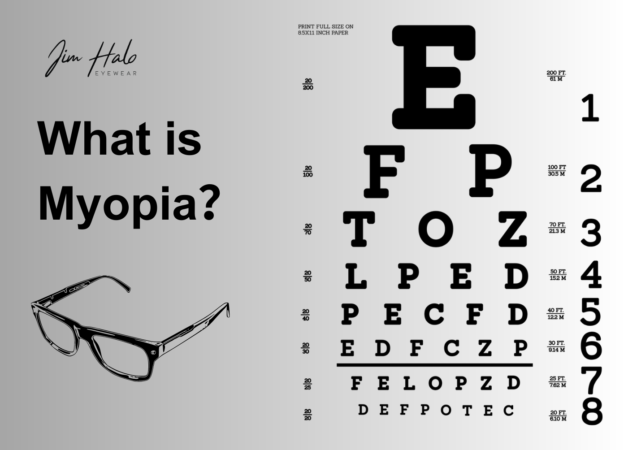
What is Myopia?

Myopia, also known as nearsightedness, is a refractive error,which affects the ability of the eye to focus on distant objects. It is a common vision problem. Even though it affects millions of people worldwide, its prevalence is increasing at an alarming rate.

What Causes Myopia

Myopia is caused by both genetic and environmental factors. Research suggests that if one or both parents are nearsighted, their children are more likely to develop myopia.
Also, spending too much time indoors and engaging in activities,like reading and using digital devices, which require a lot of close-up work, may increase the risk of developing myopia. Parents can help their children by encouraging outdoor activities and limiting screen time. Good habits, such as taking frequent breaks during close-up work, maintaining proper posture, and getting regular eye check-ups, can also help prevent and manage myopia.

Signs & Symptoms of Nearsightedness

The main symptom of nearsightedness is difficulty seeing distant objects clearly, while nearby objects are usually clear. Other signs and symptoms of nearsightedness may include:
  • Squinting to see distant objects
  • Headaches, especially after reading or other close work
  • Eye strain or fatigue
  • Blurred vision when looking at distant objects
  • Difficulty seeing while driving, especially at night
  • Needing to sit closer to the TV or computer screen
  • Rubbing the eyes frequently
If you are experiencing any of these symptoms, it is important to schedule an eye exam with an optometrist or ophthalmologist to determine if you have nearsightedness or another vision problem.

Can Myopia Be Corrected

Yes, it can be corrected through various methods such as wearing glasses or contact lenses, undergoing refractive surgery, or using orthokeratology lenses. The most common method of correction is wearing prescription glasses or contact lenses that are designed to adjust the focus of light entering the eye.
Refractive surgery, such as LASIK, can also be an option for those who want a more permanent solution. Orthokeratology lenses are another option, which involves wearing specialized contact lenses overnight to reshape the cornea temporarily. It’s important to consult with an eye care professional to determine the best method of correction for your individual needs.

How to Choose Eyeglasses for Your Eyes

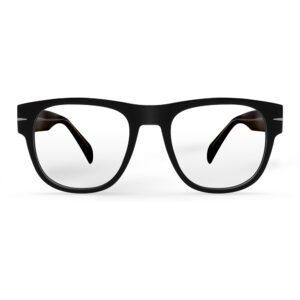
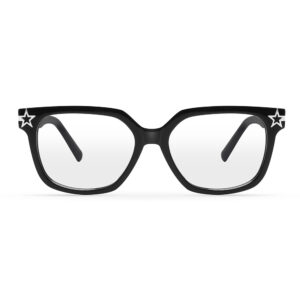
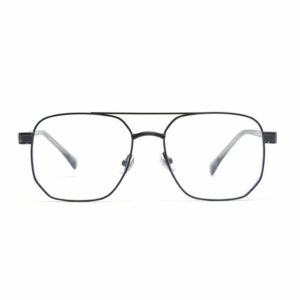
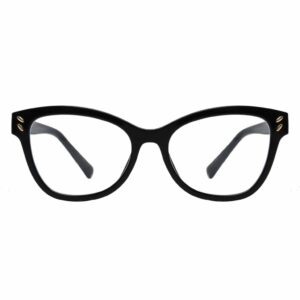
Regular eye check-ups with an eye doctor are crucial to ensure you have the right prescription lenses for your degree of myopia. Comfort and suitability are key factors when choosing a frame style and shape. Some frames can be too heavy or tight, causing discomfort or headaches.
Material of the frame is important, too. There are many options available, including metal, plastic, and even eco-friendly materials like bamboo.
Besides, think about any additional features you may want, such as anti-reflective coatings, photochromic lenses, or blue light blocking technology.

How to Stop Myopia from Progressing

One of the most effective ways is to take regular breaks from close-up activities. Spending long periods of reading or using electronic devices can strain your eyes and contribute to myopia progression. To prevent this, take frequent breaks and look away from the screen or book to give your eyes a rest. Spending time outdoors and getting exposure to natural sunlight can slow the progression of myopia, according to studies.
A healthy diet that includes fruits, vegetables, and omega-3 fatty acids can also support healthy vision and reduce myopia progression.
Wearing the correct prescription is crucial and an effective way to slow the progression of myopia. Therefore, it is essential to wear the correct prescription prescribed by your eye doctor, especially if you already wear glasses or contacts for myopia. Wearing the wrong prescription can worsen myopia.
Consider orthokeratology, a non-surgical treatment where special contact lenses are worn overnight to reshape the cornea and temporarily correct myopia. This treatment has been shown to slow the progression of myopia in some patients. It’s important to consult with your eye doctor for personalized advice on how to manage and stop the progression of your myopia. By taking proactive steps and addressing the underlying causes, you can help protect your eyesight and maintain healthy vision.
Willow

Conclusion

In conclusion, myopia is a common vision problem that can be caused by both genetic and environmental factors. However, there are several ways to manage and correct myopia, including wearing glasses or contact lenses, undergoing refractive surgery, or using orthokeratology lenses. Taking proactive steps like spending time outdoors, maintaining a healthy diet, and wearing the correct prescription can also help slow the progression of myopia. Regular eye check-ups with an eye doctor are essential to ensure you have the right prescription lenses for your individual needs.