Author Archives: Halo

How to Determine If You Have an Oval Face Shape

How to Pick Glasses for Oval Face Shape

As fashion trends evolve, choosing the perfect pair of glasses that complements your face has become more crucial than ever. For individuals with an oval face, the task becomes easier due to the versatility and symmetry of this facial structure. We will delve into how to pick the ideal oval face glasses, focusing on styles that enhance your appearance.


How to Determine If You Have an Oval Face Shape

To find the best glasses for oval faces, it’s crucial to confirm your face shape first. Here’s how to determine if you have an oval face:

How to Determine If You Have an Oval Face Shape

1. Proportional Balance:

An oval face is longer than wide, with a harmonious distribution of width across the forehead, cheeks, and jawline.

2. Cheekbones Stand Out:

Your cheekbones are typically more prominent, broader than your forehead and jawline, which gives an oval face its distinct balance.

3. Jawline Geometry:

Notice that your jawline gently tapers towards the chin, appearing neither too square nor overly pointed, but rather rounded or softly squared.

4. Forehead Width:

In an oval face, the forehead width exceeds that of the jawline, maintaining an overall balanced look.

5. Rounded Chin:

You’ll observe that your chin has a curved contour, rounding off the lower part without any sharp angles.

Once you’ve identified these five key features, you can confidently say you have an oval face shape. This understanding becomes invaluable when selecting glasses for oval faces because certain frame styles will enhance your natural facial symmetry. When shopping for glasses for oval face shapes, keep in mind that frames should complement the balanced proportions of face. Frames that sit high on the bridge of the nose and have a strong brow line or geometric shapes often work well. Likewise, narrow frames or those with detail on the upper corners help maintain the natural harmony of an oval face. Remember, choosing glasses for oval faces means accentuating the flattering aspects of this versatile face shape.


Does Face Shape Really Matter When Choosing Glasses?

Although personal taste and fashion sense are pivotal in picking out glasses, factoring in your face shape can significantly influence the overall aesthetic appeal of a frame on you. An oval face, with its symmetrical proportions and harmonious contours, is blessed with versatility when it comes to choosing glasses.

An oval face boasts a forehead that’s slightly wider than the chin, cheekbone, and a gently tapered jawline. This balanced structure means that individuals with oval faces have the liberty to experiment with numerous styles of glasses.

Glasses for oval faces can either highlight their inherent symmetry or add a touch of contrast to create interest. The adaptability of oval face shapes allows them to carry off both bold, statement frames as well as delicate, minimalist designs without overwhelming the face’s natural contours.

When shopping for glasses for oval faces, remember that the primary goal is to maintain the facial balance. Frames that mirror the face’s width or have geometric shapes often flatter an oval face by accentuating its proportions. Rimless or semi-rimless glasses also suit oval faces since they don’t obscure the face’s attractive features.

In conclusion, while personal preference reigns supreme, being mindful of your oval face shape ensures that the chosen glasses will not only be comfortable but also enhance your unique beauty. Understanding which glasses for oval faces work best empowers you to make a stylish choice that complements your natural look.


What Glasses Suit Oval Faces?
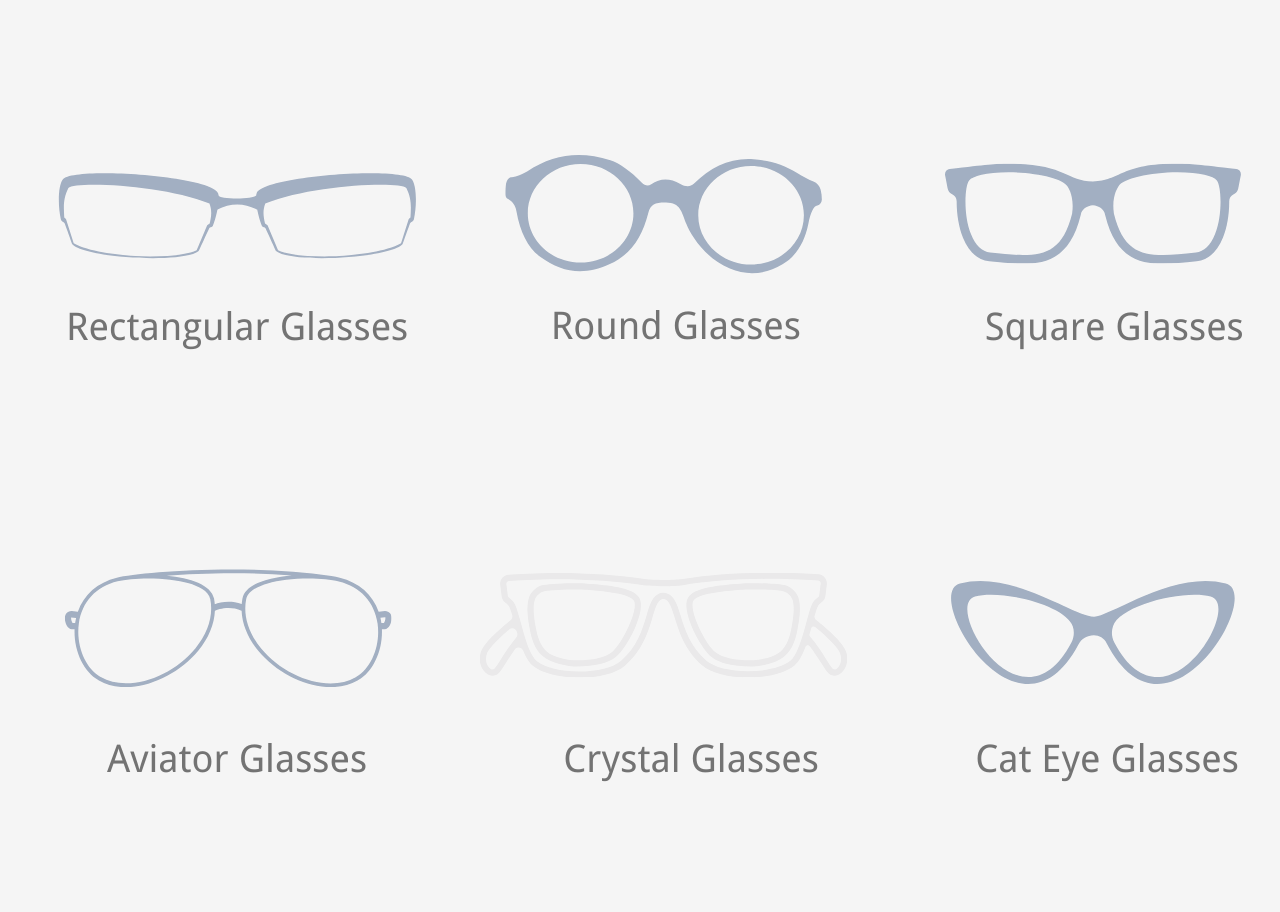
What Glasses Suit Oval Faces?

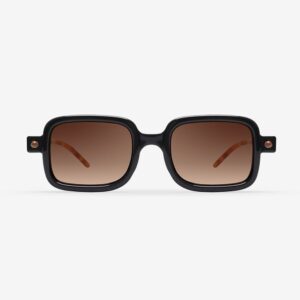
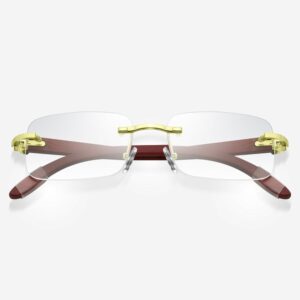
1. Rectangular Glasses for Oval Faces:

When it comes to enhancing the natural beauty of an oval face, rectangular frames are a smart choice. They introduce angularity and definition, effectively contrasting with the gentle curves that characterize oval faces. The structured lines of these frames provide a visual balance, thereby creating an aura of sophistication and elegance. By choosing a rectangular glass shape for an oval face, you can bring depth and dimension to your overall look. They highlight your facial features in a subtle yet impactful way. This style works particularly well because they maintain their harmonious proportions while adding a touch of contemporary chic.
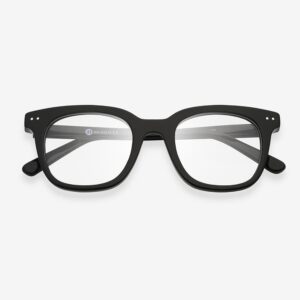
Ramsey-goldRamsey

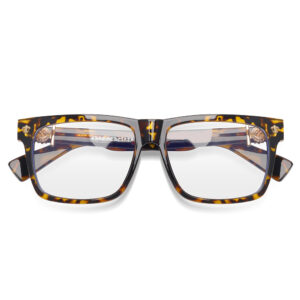
2. Square Glasses for Oval Faces:

Those with oval faces can confidently opt for square glasses to infuse their look with a bold and modern vibe. They are designed to accentuate the balanced proportions of an oval face, drawing attention to its natural angularity. The stark geometry of square glasses provides a striking contrast against the soft contours typical of oval-shaped faces. Thereby, they add a fashionable edge to your style.
jim halo glasses AdrianArian

When you choose square glasses for an oval face, they serve as a statement accessory that enhances your facial features. This pairing allows you to express individuality while maintaining harmony, as the square frames complement rather than compete with the inherent symmetry of an oval face. The end result is a dynamic appearance that blends the classic elegance of an oval face shape with the contemporary flair of square eyewear, perfect for those who seek to stand out with a touch of edginess.


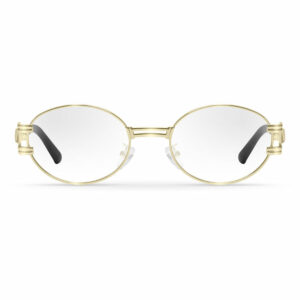
3. Round Glasses for Oval Faces:

For individuals with oval faces, round frames can be a delightful choice to subtly soften the natural contours. They also introduce a fun-loving, quirky element to their look. These circular spectacles contrast pleasantly with the elongated shape of an oval face by highlighting its rounded edges. The gentle curves of round glasses harmonize beautifully with the balanced proportions of an oval face. They create an intriguing blend of softness and character.
JacksonJackson

When you opt for round glasses for an oval face, they brings out your playful side. This pairing allows you to showcase a sense of whimsy while maintaining the graceful lines of your oval-shaped visage. The result is an overall appearance that’s both charming and fashionable, perfect for those who want to add a touch of uniqueness and approachability to their style through their eyewear choices.


4. Cat Eye Glasses for Oval Faces:

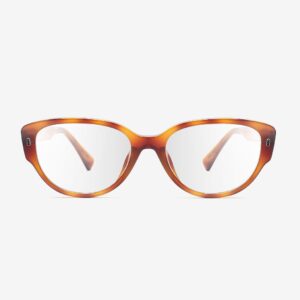
For individuals blessed with oval-shaped faces, cat eye glasses are a flattering choice to emphasize their high cheekbones. Except that, they can infuse their style with an alluring blend of glamour and retro charm. These frames complements the balanced proportions of an oval face by drawing attention to its most distinctive features.
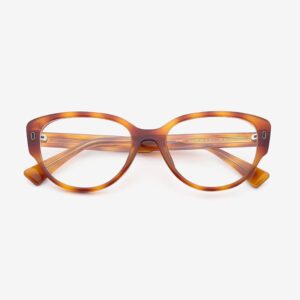
Lacey-TortoiseLacey

When you choose cat eye glasses shape for oval face, they serve as an elegant enhancement that accentuates your beauty. These frames create a captivating contrast between the gentle curves of an oval face and their distinctively angled lines. This pairing not only highlights the facial contours but also imparts a sense of sophistication and vintage appeal.


Wearing cat eye glasses on an oval face can transform your look into one that’s both modern and timeless. They can effortlessly evoke the spirit of classic Hollywood glamour while maintaining a contemporary edge. Whether you’re aiming for a polished professional appearance or a chic, fashion-forward statement, cat eye glasses are an excellent choice. There’s no doubt that they add a touch of drama and sophistication to their eyewear collection.


5. Aviator Glasses for Oval Faces:

For those with oval-shaped faces, aviator glasses offer a timeless and classic aesthetic that perfectly balances their face proportions. The iconic teardrop shape of these frames harmonizes with the natural contours of an oval face, creating an equilibrium that accentuates its elongated features.

Aviator glasses for oval shaped face bring forth a cool, relaxed demeanor to the wearer’s overall look. Their large lenses and distinct brow bar add depth and character without overwhelming the balanced structure of an oval visage. This eyewear style complements the gentle curves and slender lines of an oval face, enhancing its inherent symmetry.
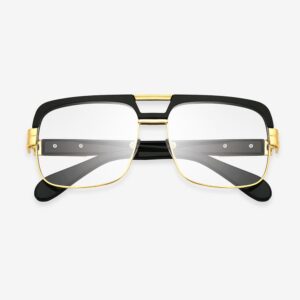
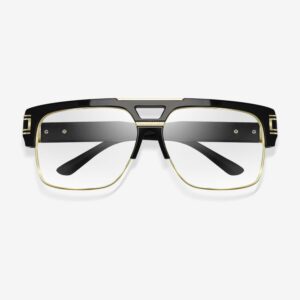
Anthony-BlackAnthony

Opting for aviator glasses on an oval face can instantly elevate any outfit, giving off an air of effortless coolness while maintaining a sense of sophistication. Whether dressing up or down, this versatile frame choice is ideal for individuals who appreciate a blend of traditional charm and modern edge. With their ability to balance and flatter an oval face, aviator glasses make a perfect accessory for anyone seeking a classic yet trendy eyewear option.


6. Crystal Glasses for Oval Faces:

Those with oval-shaped faces find that transparent or crystal frames provide an ideal match, offering a subtle and demure aesthetic that seamlessly blends with various fashion choices. These glasses showcase the wearer’s natural beauty by allowing their facial features to take center stage.

Crystal glasses for oval shaped face have a light and airy quality that doesn’t detract from the face’s harmonious proportions. They create an almost invisible eyewear effect, making them versatile enough to pair with any style or outfit – from casual to formal wear.
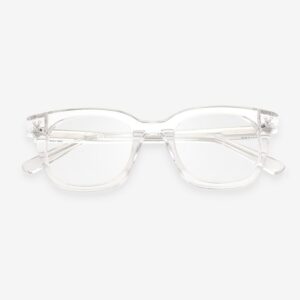
Andre-crystalAndre

Their transparency makes them a perfect choice for individuals who desire a minimalist look without compromising on functionality. The clean lines of these frames gently embrace the contours of an oval face, enhancing its elegance without overwhelming it.

For people with oval faces seeking understated sophistication, crystal glasses are a chic and modern option. They bring a touch of contemporary flair while maintaining a timeless appeal, ensuring they can be worn confidently across different settings and occasions. This way, crystal glasses become a complementary accessory that effortlessly enhances the natural beauty of an oval face.

In summary, oval faces have the advantage of being able to pull off a wide range of glasses styles. From rectangular and square frames to round, cat-eye, aviator, and crystal-clear designs, there is a multitude of options when it comes to choosing glasses for oval faces that will not only flatter but also elevate your personal style.


What Glasses Should I Avoid If I Have an Oval Face?

Oval faces are indeed fortunate, as they can generally carry a broad spectrum of eyewear styles with ease. However, to maintain the inherent beauty and balance of this face shape, there are specific glasses types that it’s wise to sidestep.

Firstly, when shopping for glasses for oval face, oval-faced individuals should be cautious about overly large frames. Oversized glasses might overpower the harmonious proportions of an oval face, overshadowing its natural symmetry and elongated features. These frames tend to dominate the face rather than complement it, potentially drawing attention away from your best assets.

Secondly, avoid glasses with excessively narrow frames that extend beyond the width of your face. Such designs can disrupt the balanced structure that characterizes an oval face. When the frame extends past the temples, it creates an illusion of imbalance, negating the innate symmetry that is so flattering on oval-shaped faces.

Additionally, glasses with very small lenses might not serve oval faces well. Tiny frames may look disproportionate and may fail to highlight the face’s attractive contours effectively. They could make the eyes appear smaller or draw attention to areas that don’t need emphasis, detracting from the overall aesthetic harmony.

Lastly, consider steering clear of frames that sit too low on the nose bridge. This positioning can break up the smooth lines of an oval face, making it appear longer and less balanced. Glasses that fit snugly and follow the natural line of the eyebrows will enhance the oval face shape better.


Best Women’s Glasses Shapes for Oval Faces: Fashionable Choices to Flatter

Women with oval faces are blessed with a versatile facial structure that can pull off a wide array of glasses styles. Among these, oversized square frames are a top pick. They provide contrast to the natural curves of an oval face, adding definition and depth without overwhelming it. The broad dimensions of these frames draw attention to the wearer’s eyes, making them a stylish statement piece.

Cat-eye glasses also make a fantastic choice for women with oval faces. Their upswept shape at the outer edges highlights cheekbones and adds a touch of retro allure. This design is particularly flattering as it complements the balanced proportions of an oval face, creating a charming, feminine look.

Sleek rectangular frames are another winning option for oval-faced women. These elongated designs maintain the natural harmony of the face, enhancing its length and elegance. The clean lines of rectangular glasses often serve as a sophisticated backdrop to showcase other facial features, like striking eyebrows or bright eyes.

To further personalize your style, consider frames in bold colors or unique patterns. Vibrant hues or intricate designs on glasses for oval faces can be an excellent way to express individuality and make a fashion-forward statement. Whether you choose a pop of color to brighten up your everyday look or intricate patterns to add a creative flair, such glasses will ensure your oval face remains the focal point while reflecting your personal taste.

In summary, women with oval faces have the luxury of choosing from various frame shapes that highlight their features beautifully. From oversized square frames that bring structure to cat-eye glasses exuding vintage charm to sleek rectangular frames for a contemporary vibe, selecting the right pair can transform eyewear into a chic accessory.


Best Men’s Glasses Shapes for Oval Faces: Stylish Choices to Elevate Your Look

Men with oval faces are fortunate, as they can confidently sport a variety of eyewear styles that effortlessly complement their balanced features. Aviator glasses, known for their iconic teardrop shape, sit perfectly on oval faces, adding a touch of masculinity and timeless appeal. The broad top bar and narrow bottom frame emphasize the natural symmetry of an oval face, creating a stylish yet classic look.

Square frames also serve as a fantastic choice for men with oval faces. Their angular lines contrast elegantly with the rounded contours of an oval face, giving it a sharper edge and a more defined appearance. Whether bold or minimalist in design, square glasses help draw attention to the eyes while maintaining the harmonious proportions of the face.

Classic round frames are another excellent option for men blessed with an oval face shape. These circular lenses bring a retro vibe, softening the facial structure without overshadowing its inherent balance.

When selecting colors, neutral tones like black, brown, and tortoiseshell are universally flattering and incredibly versatile. Black frames provide a sleek, understated elegance that pairs well with any outfit or occasion. Brown hues, ranging from rich chocolate to warm honey, imbue a sense of earthiness and approachability, while tortoiseshell patterns offer a unique blend of sophistication and vintage charm.

In summary, men with oval faces have a wealth of options when choosing glasses that enhance their facial features. From the timeless aviator style to the structured square frames, and the classic round designs, each offers a distinct way to elevate one’s personal style. By opting for versatile neutral colors, these glasses for oval faces can easily transition from day-to-day wear to special events, ensuring that your eyewear is always on-trend and complementary to your overall look.


Summary:

When it comes to selecting glasses for oval face shapes, the primary goal is to highlight your inherent beauty and individuality. An oval face’s balanced features and gentle contours provide a canvas for numerous frame styles that can accentuate rather than detract from your natural look.

Choosing wisely means identifying frames that play up the harmonious symmetry of an oval face. Oversized square or rectangular frames create contrast and depth, while cat-eye and round glasses add a charming twist. For men, aviator glasses bring out masculinity, square frames offer definition, and round designs introduce a retro flair.

The key to fashion-forward eyewear isn’t just about shape but also color and design. Bold hues and unique patterns can be statement-making accessories, whereas neutral tones like black, brown, or tortoiseshell ensure versatility across various outfits and settings.

In conclusion, picking the right glasses for an oval face at Jim Halo Eyewear allows you to not only enhance your appearance but also project your distinctive character. Every choice, whether bold or subtle, can transform your eyewear into a stylish accessory that perfectly complements your oval face and boosts your overall aesthetic appeal. Always remember, the ideal pair of glasses for oval faces is one that reflects and enhances your unique sense of style.
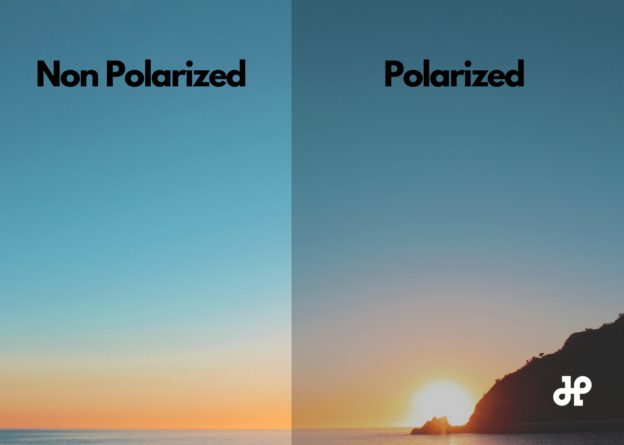
Polarized vs Non Polarized Sunglasses

Polarized vs Non Polarized Sunglasses: Which is Better?

Polarized vs Non Polarized Sunglasses: Which is Better? Are you confused about what to choose from? Let’s read the blog below and find out the choice fits you.


What are polarized lenses?

Polarized lenses have a special filter that blocks intense reflected light, reducing glare and improving visibility. The difference lies in their ability to handle glare. Let’s delve into the specifics.

Polarized lenses are designed with an advanced technology that incorporates a unique filter. This filter is engineered to selectively block out intense, reflected light – often referred to as glare. It works by neutralizing the horizontal light waves responsible for creating blinding reflections from flat surfaces like water, snow, or pavement.

Benefits and Drawbacks of Polarized Sunglasses

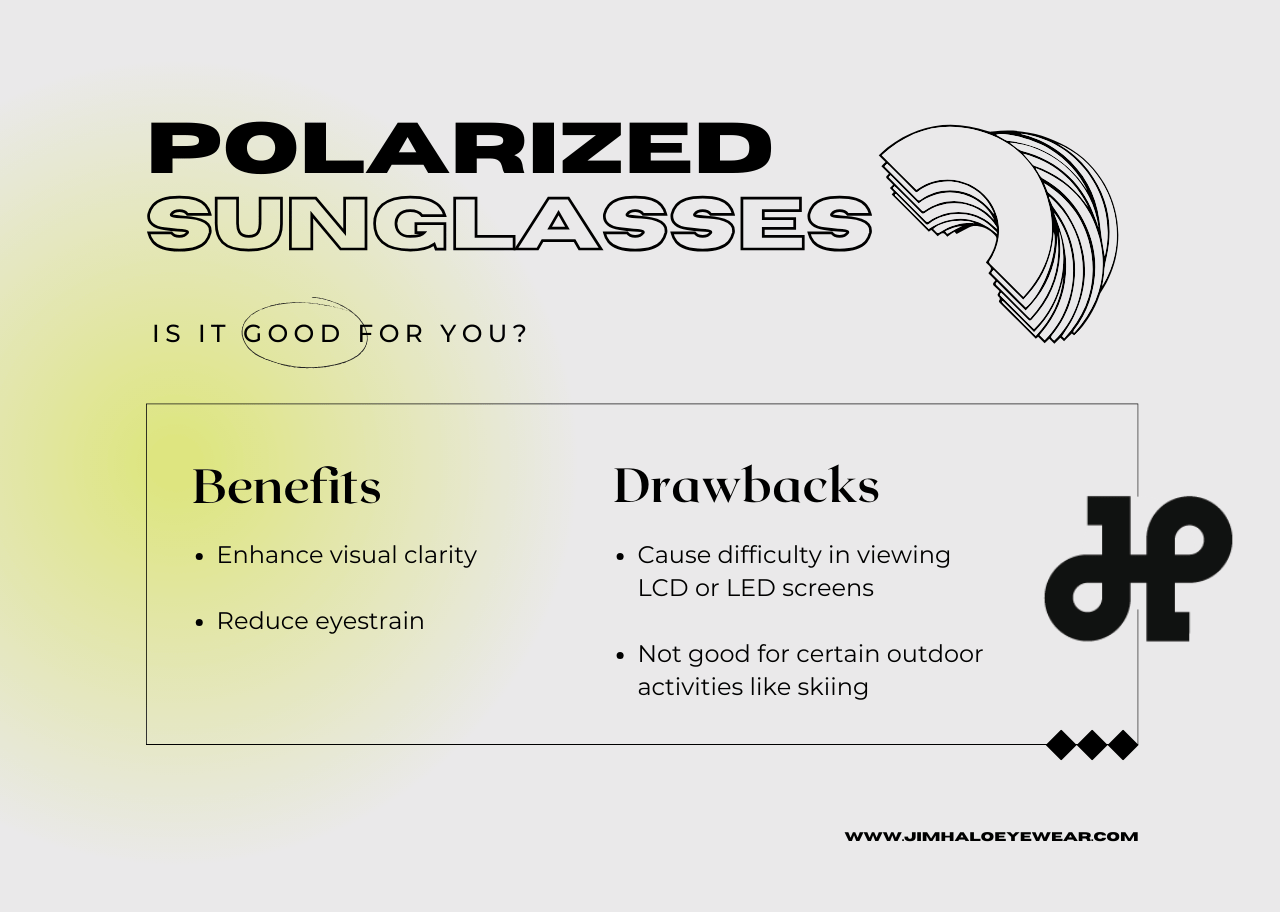
When you wear sunglasses with polarized lenses, they act like a shield, absorbing and dissipating this unwanted glare. Consequently, your eyes experience enhanced visual clarity, deeper color saturation, and reduced eye strain. They’re particularly beneficial for outdoor enthusiasts and drivers who frequently encounter bright, reflective environments.

On the other hand, non-polarized sunglasses do not possess this specialized filtering system. While they can reduce overall brightness to some extent, they don’t effectively eliminate glare. Thus, visibility might still be compromised under strong glares, and the wearer could face discomfort due to persistent reflection.

In summary, polarized sunglasses provide superior protection against glare compared to non-polarized ones, making them a popular choice for those seeking improved vision quality during outdoor activities. The key distinction between polarized vs non polarized sunglasses lies in their capacity to manage and mitigate glare effectively.


Benefits of polarized lenses

Polarized lenses enhance clarity, reduce eyestrain, and provide better visual comfort in bright sunlight.

Polarized lenses stand out because they significantly enhance visual clarity. They’re designed to eliminate glare, which is a major cause of distortion and haziness in bright conditions. This means you see objects more clearly, with crisper outlines and truer colors, especially near water or snow.

Moreover, polarized lenses contribute to reducing eyestrain. Continuous exposure to intense sunlight often leads to squinting and eye fatigue. By blocking harsh glare, these lenses ease the strain on your eyes, allowing them to relax and function better. Users often report improved comfort during prolonged outdoor activities or driving under strong sunlight.

In contrast, non-polarized sunglasses might dim the overall light but do not specifically target glare. Therefore, while they offer basic protection against brightness, they don’t provide the same level of relief from glare-induced strain that their polarized counterparts do.

Summing up, choosing polarized sunglasses over non-polarized ones equips you with a tool that not only combats glare but also delivers enhanced clarity and minimized eyestrain. This makes them particularly advantageous for those who spend extended periods outdoors or engage in activities where clear vision is crucial. The main benefits of polarized vs non polarized sunglasses lie in their ability to deliver a clearer, more comfortable viewing experience, even under the harshest sunlight.

Taha STaha S

Drawbacks of polarized lenses

While the benefits are clear, it’s essential to consider potential drawbacks too.

One significant issue with polarized lenses is their interaction with digital screens. The polarization filter can sometimes cause difficulty in viewing LCD or LED screens found on smartphones, tablets, or dashboard displays. This can lead to distorted images, color shifts, or even total blackout of screen content, which might be problematic for frequent users or professionals who rely on these devices.

Another scenario where polarized lenses may not be ideal is during certain outdoor activities like skiing. Ski goggles with polarized lenses could potentially hinder visibility by muting the reflective snow surface, thereby making it harder to discern icy patches or changes in terrain. This reduces contrast and depth perception, which are crucial for safety on the slopes.

In contrast, non-polarized sunglasses do not have these limitations. They don’t interfere with digital screens and generally provide consistent visibility across various conditions, including winter sports environments.

However, this doesn’t negate the overall advantages of polarized sunglasses in most everyday situations. It merely highlights that when selecting between polarized vs non polarized sunglasses, one should consider their lifestyle, activities, and the need for glare reduction versus compatibility with digital screens and specific sports requirements. The choice between them depends on balancing the benefits against these specific drawbacks.


What are non-polarized lenses?

Understanding polarized vs non polarized sunglasses starts with knowing what non-polarized lenses are. Non-polarized sunglasses lack the unique, specialized filter that polarized lenses have. This filter is designed to selectively block intense, reflected light waves, often referred to as glare.

In simpler terms, non-polarized sunglasses provide basic protection against sunlight. They reduce brightness but do not target specific types of light, such as glare from flat surfaces like water, pavement or snow. Their primary function is to dim overall sunlight to ease discomfort and shield the eyes from UV rays.

The absence of a polarization layer means that while non-polarized sunglasses can ease squinting in bright conditions, they won’t effectively eliminate the blinding glare that can impair vision and cause eyestrain. This makes them less suitable for activities like boating, fishing, or driving where reflective glare is a significant issue.

Benefits and Drawbacks of Non-Polarized Sunglasses

On the other hand, polarized sunglasses are engineered to absorb horizontal light waves responsible for glare. This results in improved visual clarity, reduced eye fatigue, and enhanced color perception.

Comparatively, choosing between polarized vs non polarized sunglasses comes down to your needs. If you’re after general sun protection without particular concerns about glare, non-polarized sunglasses might suffice. But for those seeking advanced relief from glare and a more comfortable viewing experience in high-glare environments, polarized sunglasses are the preferred choice.


Benefits of non-polarized lenses

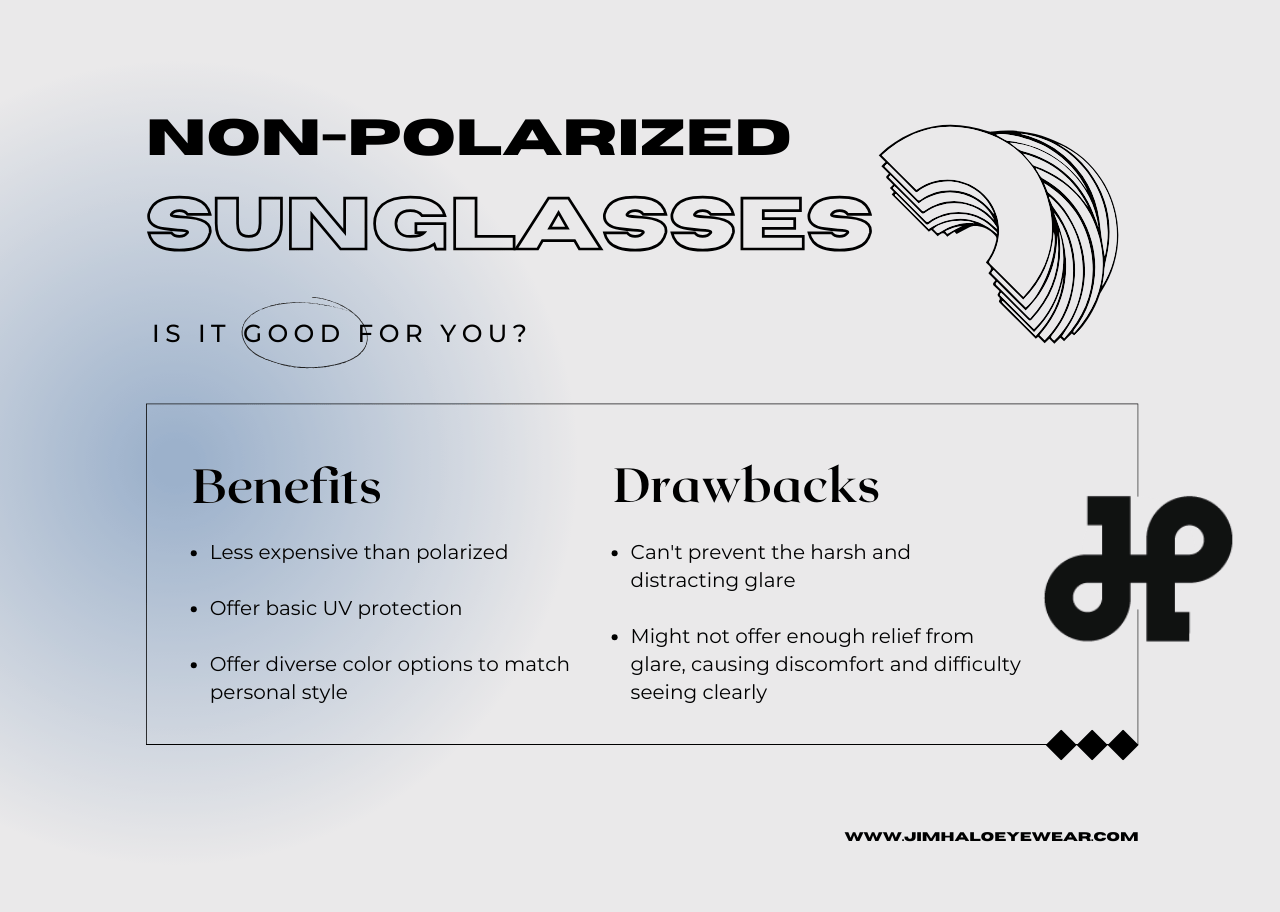
When considering polarized vs non polarized sunglasses, it’s essential to acknowledge the advantages of non-polarized lenses. One key benefit is their affordability. Non-polarized sunglasses are generally less expensive than their polarized counterparts because they do not require the complex manufacturing process that adds a polarization film.

Cost-conscious buyers often opt for non-polarized sunglasses as they offer basic UV protection without the additional cost associated with glare reduction technology. This makes them accessible to a broader range of consumers who want to shield their eyes from the sun while on a budget.

Another advantage of non-polarized sunglasses lies in their diverse color options. The absence of a polarization layer allows for more flexibility in lens tinting and coloration. Consumers can choose from a wide array of colors and shades to match personal style or suit different light conditions, such as brown for everyday use or yellow for low-light sports.

However, despite these benefits, it’s important to note that when comparing polarized vs non polarized sunglasses, the latter may not provide the same level of visual clarity and comfort under harsh glare situations. While non-polarized sunglasses might be more budget-friendly and offer an extensive color palette, they don’t have the specialized feature to combat intense reflected light.

In summary, if your primary considerations are affordability and style versatility, non-polarized sunglasses could be the perfect choice. But for those seeking enhanced vision quality during outdoor activities marred by glare, polarized sunglasses would be a better investment.

Rio SRio S

Drawbacks of non-polarized lenses

When discussing the polarized vs non polarized sunglasses debate, it’s crucial to highlight the limitations of non-polarized lenses. The most significant drawback is their inability to effectively combat glare. Unlike polarized lenses, non-polarized sunglasses lack a special filter that absorbs or blocks the horizontal light waves responsible for glare.

This means that when you’re around reflective surfaces like water, snow, or roads on a sunny day, non-polarized sunglasses can’t prevent the harsh and distracting glare that bounces off these surfaces into your eyes. This can lead to eye strain, reduced visibility, and potential hazards, especially during outdoor activities or while driving.

Furthermore, in bright sunlight, non-polarized lenses might not offer enough relief from glare, causing discomfort and difficulty seeing clearly. They simply dim overall brightness without specifically targeting the source of the problem – reflected glare.

Comparing polarized vs non polarized sunglasses in such scenarios, the latter proves less effective. Polarized lenses excel at eliminating glare by allowing only vertical light waves to pass through, thus ensuring better visual clarity, comfort, and safety under intense glare conditions.

In conclusion, if you spend a lot of time outdoors near reflective surfaces or engage in activities where reducing glare is essential, non-polarized sunglasses may not provide adequate protection. In contrast, polarized sunglasses are specifically designed to address this issue, making them the preferred choice in those situations.


Why aren’t all sunglasses polarized?

When pondering the question of why not all sunglasses are polarized in the context of polarized vs non polarized sunglasses, there are a few key reasons. Chief among them is the cost differential. Producing polarized lenses involves an additional manufacturing process that raises their production costs compared to non-polarized ones.

Polarization technology requires a special film or chemical treatment that aligns light waves, effectively blocking reflected glare. This advanced feature incurs extra expenses for sunglass manufacturers, which can then be passed onto consumers. Thus, non-polarized sunglasses tend to be more budget-friendly options.

Additionally, while polarization offers many benefits, particularly in reducing glare, it may not suit everyone’s needs. Some users might prioritize affordability or prefer the natural visual experience without the altered color perception that polarized lenses sometimes provide.

Moreover, certain professions or activities do not necessitate the use of polarized lenses, making non-polarized sunglasses a practical choice. For instance, indoor wearers or those who require accurate color recognition might opt for non-polarized shades.

In summary, although polarized sunglasses offer superior glare reduction, they come with higher production costs, influencing the decision by both manufacturers and consumers when choosing between polarized vs non polarized sunglasses. The market caters to varying preferences and requirements, ensuring there’s a suitable option available for each individual’s lifestyle and budget.

James SJames S

How can I tell if I have polarized sunglasses?

To determine if your sunglasses are polarized, you can conduct a simple test using reflective surfaces. Here’s how to do it:

1. Grab your sunglasses and head towards a reflective surface like a car windshield, water body, or any shiny metal surface.
2. Put on the sunglasses and carefully observe the reflection through the lenses.
3. Slowly rotate your sunglasses as you look at the surface. If they’re polarized, you’ll notice that the intensity of the glare changes or may even disappear completely when viewed at certain angles.
4. In contrast, with non-polarized sunglasses, the glare will remain constant regardless of the angle.

This test works because polarized lenses block horizontal light waves that cause glare, so when rotated, the polarization effect becomes evident against reflected light. Non-polarized lenses won’t show this change.

Another way to check is by holding two pairs of sunglasses together, one polarized and one non-polarized (if available). When looking through both lenses simultaneously at a reflective surface and rotating them, you’ll see the difference in glare reduction between the polarized vs non polarized sunglasses.

In summary, identifying whether your sunglasses are polarized involves examining their performance against glare from reflective surfaces. The telltale sign is a noticeable decrease in glare intensity when you rotate the glasses, which confirms the presence of polarization technology in your eyewear.


Can I have a prescription for polarized sunglasses?

Absolutely, you can indeed obtain prescription polarized sunglasses to address both your vision correction needs and the reduction of glare. Here’s how it works:

Prescription polarized sunglasses are designed for individuals who require corrective lenses but also seek the benefits of polarization technology. These specialized glasses combine two essential functions: they feature customized lenses that match your specific prescription, ensuring clear vision, and they incorporate a polarizing filter that effectively minimizes glare from reflective surfaces like water, snow, or roads.

When comparing polarized vs non polarized sunglasses with prescriptions, the former offers an enhanced visual experience. While non-polarized prescription sunglasses correct vision impairments, they do not have the capability to block intense glare, which can be particularly helpful during outdoor activities or driving.

Opticians and eyewear specialists can create prescription polarized lenses using advanced techniques, adapting them to fit various frame styles. They start with a precise measurement of your eyesight and then integrate the polarization layer into the lens manufacturing process.

In conclusion, if you need glasses for vision correction and often face issues with glare, prescription polarized sunglasses provide a solution that merges clarity of sight with glare protection. This dual functionality makes them a popular choice among those who value comfort and performance in their eyewear.

Kira SKira S

Polarized vs. Non-Polarized Lenses: Which Should You Choose?

When deciding between polarized vs non polarized sunglasses, consider your unique requirements and budget to make the best choice. Here’s a breakdown of each type:

Polarized Sunglasses:

These lenses are specifically designed to combat glare, which occurs when sunlight reflects off flat surfaces like water, snow, or roads. They use a special filter that blocks horizontal light waves, significantly reducing eye strain and improving visual clarity in bright conditions. Ideal for outdoor enthusiasts, anglers, and drivers, polarized sunglasses enhance contrast and depth perception. However, they may cost more than non-polarized ones and can sometimes interfere with LCD screens.

Non-Polarized Sunglasses:

On the other hand, non-polarized sunglasses offer basic protection against direct sunlight. They reduce brightness but don’t eliminate glare effectively. While they’re generally cheaper and won’t cause issues with viewing digital screens, they might not provide enough comfort during high-glare situations. Non-polarized shades are suitable for casual wear or those who primarily need UV protection and a basic reduction of overall light intensity.

In summary, if you engage in activities where glare is a persistent issue or prioritize enhanced visual comfort, polarized sunglasses are likely the better option despite their potentially higher price point. Conversely, if you’re looking for standard sun protection without the specific need to minimize glare, non-polarized sunglasses can be a cost-effective alternative.

Ultimately, it comes down to personal preference and lifestyle. Assessing your daily needs, from driving long distances to spending time by the water or simply walking around town, will help guide your decision between polarized vs non polarized sunglasses.


Conclusion

In conclusion, when weighing up the choice between polarized vs non polarized sunglasses, it’s pivotal to grasp their differing roles and advantages. Polarized sunglasses excel in glare elimination; they use advanced technology that filters out reflected light, thereby easing eye strain, boosting contrast, and enhancing overall visual acuity—ideal for those who spend extended periods outdoors or near reflective surfaces.

Non-polarized sunglasses, conversely, provide standard sun protection by blocking direct sunlight but lack the specialized capability to suppress glare effectively. They’re a more basic option, often less expensive, and suitable for casual wearers or those who primarily need UV defense without the specific need for glare reduction.

When deciding between the two, consider your lifestyle and activities. For instance, if you frequently drive, fish, ski, or engage in water sports where harsh glare is prevalent, investing in polarized sunglasses will likely deliver significant improvements to your visual comfort and performance.

However, if your primary concern is general sun protection during everyday activities with minimal exposure to intense glare, non-polarized sunglasses can serve as a practical, cost-effective solution.

Ultimately, while choosing sunglasses, always prioritize both eye protection against harmful UV rays and visual comfort. This dual consideration ensures not just optimal eye health over time, but also maintains clear, unobstructed vision during daily routines and outdoor adventures. Remember, whether you opt for polarized or non-polarized sunglasses, make sure they offer adequate protection and align with your personal needs and preferences.

Are polarized prescription sunglasses worth it?

Are Polarized Prescription Sunglasses Worth It?

What’s the Difference between Non-Polarized & Polarized Prescription Sunglasses?

Non-polarized prescription sunglasses are basic shields against sunlight. They uniformly decrease brightness to prevent eye discomfort, but they don’t differentiate between types of light. These lenses can reduce overall illumination and protect from UV rays.

On the other hand, polarized prescription sunglasses take eye protection to a whole new level. Unlike non-polarized options, they’re engineered with advanced technology that targets and eliminates glare – a specific type of intense reflected light that often causes visual disturbances. This glare is notorious for bouncing off flat surfaces like water, snow, highways, or even car windshields, and can be particularly hazardous while driving or engaging in outdoor activities.

This specialized filtering system within prescription polarized sunglasses works by allowing only vertically oriented light waves to pass through, effectively blocking out horizontal glare waves. This precise filtration dramatically reduces glare-related issues such as squinting, eye strain, headaches, and temporary vision impairment due to excessive brightness.

In essence, while non-polarized sunglasses offer a one-size-fits-all solution to bright light, polarized prescription sunglasses provide tailored defense against glare. By wearing these, you can not only block harmful UV radiation but also improve visual clarity, contrast, and comfort. In situations where glare is a persistent challenge, polarized sunglasses with prescription prove to be an invaluable investment for those who prioritize their ocular health and performance under various light conditions.

To summarize, if you spend ample time outdoors, engage in sports, or simply desire superior visual acuity without the hindrance of glare, choosing polarized prescription sunglasses over their non-polarized alternatives can make a world of difference in your daily life. It’s a choice that combines vision correction with cutting-edge glare protection, ultimately elevating your eyewear experience to the next tier of safety and comfort.


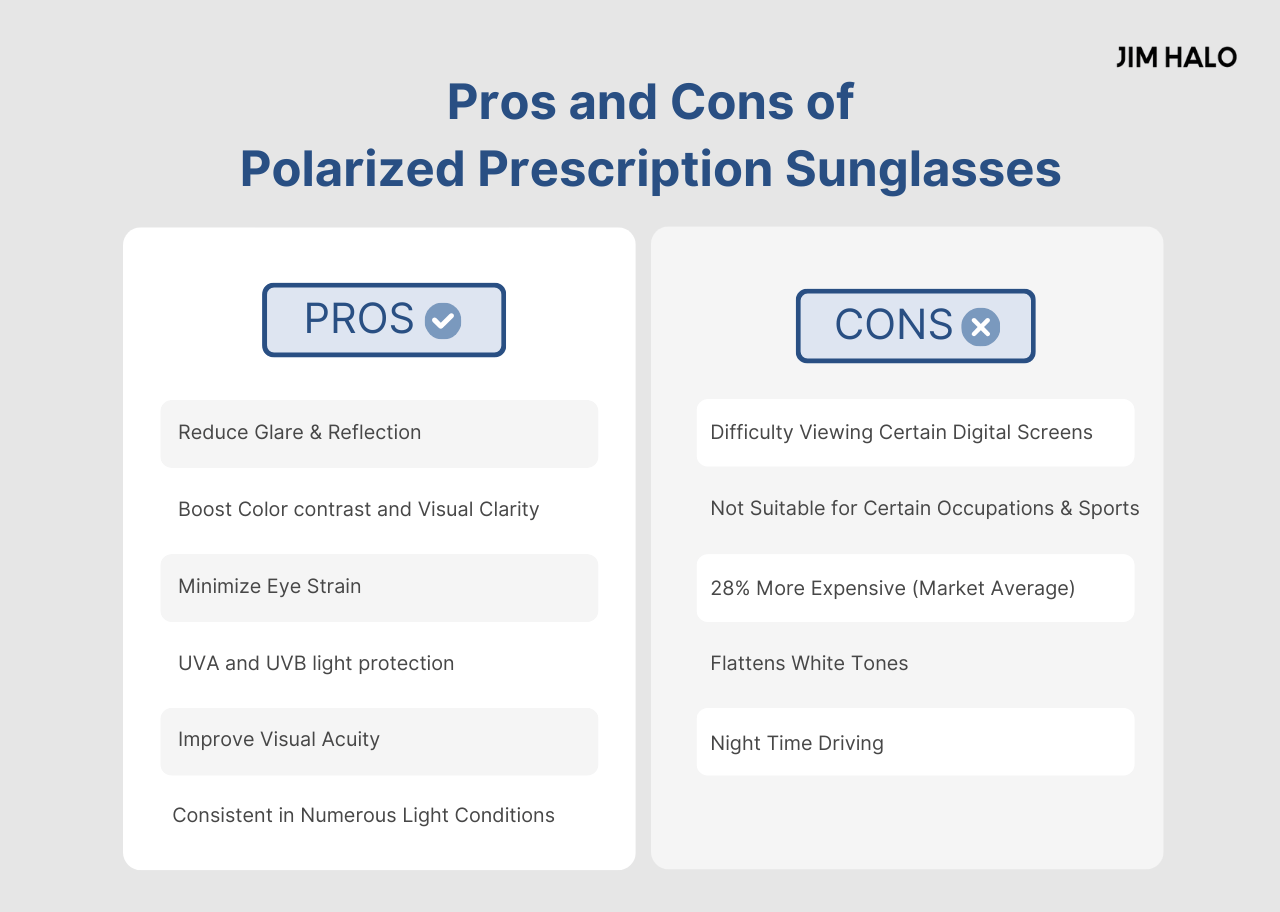
The Pros & Cons of Polarized Prescription Sunglasses

The Pros & Cons of Polarized Prescription Sunglasses

Pros:

Polarized prescription sunglasses excel in providing a host of advantages. Their glare-reducing properties significantly enhance visual comfort by diminishing the intensity of reflected light. This means less squinting and immediate relief for those who are sensitive to bright environments or sunlight reflections off water, snow, or pavement.

Moreover, they boost color contrast and visual clarity. By filtering out distracting glare, polarized lenses allow you to perceive colors more vividly and see details with greater sharpness. This feature is particularly beneficial for outdoor enthusiasts, drivers, anglers, and athletes who require accurate depth perception and clear sightlines.

They also contribute to eye health by minimizing eye strain. Prolonged exposure to harsh glare can lead to fatigue and discomfort. With polarized prescription sunglasses, users experience reduced symptoms of eye strain, ensuring their eyes stay fresh and relaxed during extended periods under the sun.

Cons:

However, these specialized lenses do have some potential drawbacks. One common issue is difficulty viewing certain digital screens, like smartphones, tablets, or LCDs in cars or ATMs. The polarization in the glasses can sometimes interfere with the screen’s visibility, causing slight distortion or even complete blackout.

Another consideration is cost. Polarized prescription sunglasses generally come with a higher price tag compared to non-polarized options. This increase reflects the advanced technology used to create these lenses that provide superior glare reduction and UV protection.


In summary, while polarized prescription sunglasses offer undeniable benefits such as improved visual acuity, comfort, and comprehensive eye protection, consumers should be aware of potential inconveniences like screen visibility issues and increased financial investment. It’s essential to weigh these pros and cons based on individual needs and activities before deciding if polarized prescription sunglasses are the right choice. For many, the long-term benefits make them worth the extra cost, especially if they spend ample time outdoors or engage in activities where glare is prevalent.


Who Invented Polarized Sunglasses?

Edwin H. Land, an innovative American scientist and entrepreneur, is credited with inventing polarized sunglasses. Born in 1909, Land was a prodigious inventor whose passion for light polarization culminated in the founding of the Polaroid Corporation in 1937. His pioneering work laid the groundwork for a technological breakthrough that would forever change the eyewear industry.

Edwin H. Landpic from iphf.org

Land’s eureka moment came when he successfully created a synthetic sheet capable of polarizing light. This invention stemmed from his deep understanding of how light waves vibrate and interact with surfaces. By developing a filter that blocked out horizontally oriented light waves – primarily responsible for glare – he effectively eliminated this visual nuisance.

In the late 1930s, Land translated this scientific discovery into practical use by introducing the world’s first pair of polarized sunglasses. These revolutionary glasses didn’t just darken the view; they selectively filtered sunlight. So wearers to see more clearly without being blinded by glare reflecting off water, snow, or shiny surfaces.

The advent of polarized sunglasses with prescription marked a monumental leap in eye protection technology. They not only provided relief from squinting and eye fatigue but also shielded eyes from harmful ultraviolet (UV) radiation. This dual functionality made polarized sunglasses indispensable for outdoor enthusiasts, drivers, and anyone exposed to intense sunlight.

Over time, Land’s innovation evolved into today’s polarized prescription sunglasses. These combine the glare-reducing properties of polarization with corrective lenses, offering both vision correction and superior sun protection. Thus, Edwin H. Land’s legacy lives on through every pair of polarized sunglasses that safeguard our eyes while enhancing visual clarity and comfort under bright conditions.


Can Prescription Sunglasses Be Polarized?

Yes, it’s possible to have polarized lenses in your prescription sunglasses. These specialized eyewear pieces combine the corrective power of prescription lenses with the glare-fighting benefits of polarization technology.

When you choose polarized prescription sunglasses, you’ll get two significant advantages rolled into one stylish and functional accessory. Firstly, they tackle vision impairments like nearsightedness, farsightedness, or astigmatism, just as regular prescription glasses do. They are custom-made according to your specific optical needs, ensuring clear and accurate vision.

Secondly, the polarized aspect of these sunglasses serves as a shield against harsh sunlight. The polarized lenses can block intense, reflected light that can cause visual discomfort, eye strain, and even temporary blindness. This is achieved by filtering out horizontal light waves responsible for blinding glare, thus enhancing contrast and depth perception.

In summary, polarized prescription sunglasses offer comprehensive eye care solutions. They provide the necessary vision correction while also safeguarding your eyes from the sun’s harmful glare. Whether you’re an avid beachgoer, golfer, driver, or simply enjoy spending time outdoors, investing in polarized prescription sunglasses ensures optimal visual comfort and protection under any bright condition.


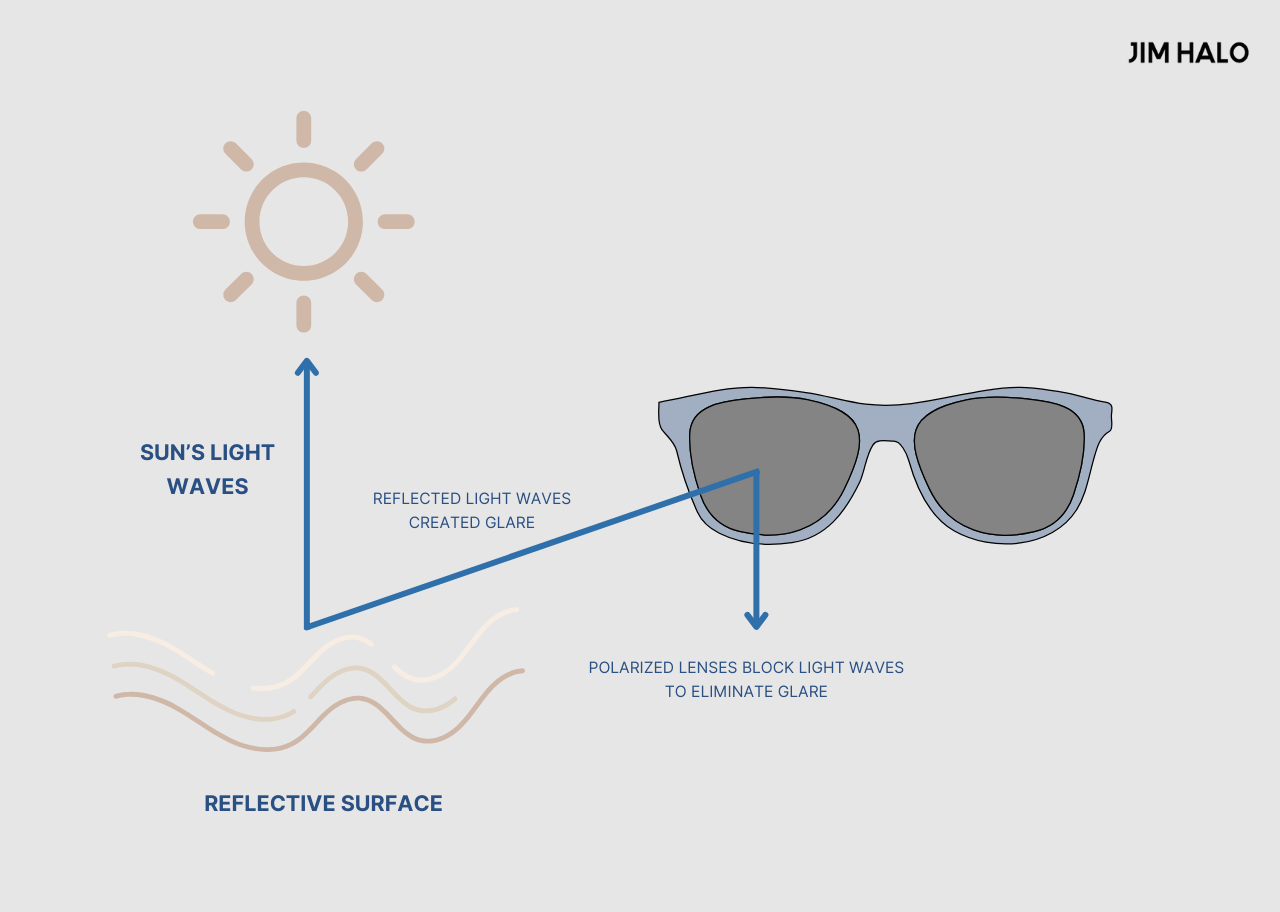
How Polarized Prescription Sunglasses Work?

Polarized prescription sunglasses employ a unique technology that significantly improves visual clarity under bright light. These specialized lenses contain a built-in filter to selectively block certain types of light waves.

When sunlight hits any surface, it scatters in all directions and reflects into the atmosphere. A significant portion of this reflected light travels horizontally, causing glare – a dazzling, uncomfortable, and often blinding effect on your eyes.

The magic of polarized prescription sunglasses lies in their ability to screen out these horizontal light waves. The polarization filter is meticulously crafted with microscopic vertical stripes that act as tiny Venetian blinds. As light passes through the lens, the filter absorbs or blocks the horizontal rays while allowing the less disruptive vertical ones to pass.

This filtering process effectively reduces glare from surfaces such as water, snow, roads, or car windshields. By eliminating glare, polarized lenses enhance contrast and depth perception, making colors appear more vivid and details clearer.

In summary, polarized prescription sunglasses combine corrective properties for vision problems with advanced glare-reduction technology. They allow wearers to see better, feel more comfortable, and protect their eyes from harmful glare in sunny environments. Whether you’re driving, boating, skiing, or simply enjoying a walk in the sun, these glasses are an invaluable tool for maintaining optimal eye health and visual comfort.

How Polarized Prescription Sunglasses Work?


Do Prescription Sunglasses Need to Be Polarized?

Not a Must, But Highly Beneficial. Polarized prescription sunglasses are highly recommended for individuals who frequently engage in outdoor activities or face bright, reflective environments. These specialized glasses go beyond mere vision correction, offering additional layers of protection and clarity.

When sunlight bounces off flat surfaces like water, roads, or snow, it creates intense glare that can lead to eye strain, discomfort, and temporary visual impairment. Polarized prescription sunglasses address this issue effectively by neutralizing glare through their advanced polarization filters.

These filters have the unique ability to block horizontal light waves – the primary cause of blinding glare – while allowing vertical light waves to pass through. This selective filtration significantly reduces eye fatigue and enhances overall visual acuity, enabling you to see objects more clearly and with better contrast.

Moreover, polarized lenses provide improved depth perception and color saturation, making them particularly advantageous for sports enthusiasts, drivers, or anyone spending long hours under the sun’s direct rays.

In conclusion, while non-polarized prescription sunglasses can correct your vision, polarized ones take your eye comfort and safety to another level. Investing in sunglasses prescription polarized is a smart choice if you desire superior visual performance and reduced glare during outdoor adventures or daily encounters with harsh sunlight.


Are Polarized Prescription Sunglasses Darker?

Not Necessarily, Here’s Why. The darkness of polarized prescription sunglasses does not inherently differ from non-polarized ones. The shade or tint of the lenses is a separate aspect that determines how much light they block, regardless of polarization.

Polarization and lens darkness serve distinct purposes. Polarization primarily combats glare by filtering out horizontal light waves reflected off shiny surfaces. This feature doesn’t affect the actual color or opacity of the lens itself; instead, it enhances visual clarity and comfort in bright conditions.

On the other hand, lens darkness can be customized to your needs and preferences. It varies from light tints for minimal sun reduction to dark shades for maximum protection against intense sunlight. You can opt for a lighter tint if you prefer clearer vision indoors or under cloudy skies, or choose a darker one for direct sunlight or high-glare environments like beaches or ski slopes.

In summary, whether you’re choosing polarized or non-polarized prescription sunglasses, the darkness level is an independent choice based on personal needs and environmental factors. Thus, polarized prescription sunglasses can be as dark or as light as their non-polarized counterparts, depending on the tint applied to them.


Are Polarized Prescription Sunglasses Worth It?

Absolutely, Here’s Why They’re a Smart Investment.

Polarized prescription sunglasses combine the advantages of corrective lenses with glare-reducing technology. This fusion makes them an excellent choice for individuals who value both clear vision and comprehensive eye care under various lighting conditions.

Firstly, polarized lenses excel at combating glare. They effectively eliminate intense reflections from water, snow, roads, or any flat, shiny surfaces. This reduction in glare is pivotal for maintaining visual comfort and avoiding potential hazards while driving, boating, skiing, or simply enjoying a day at the beach.

Secondly, they enhance visual clarity. By filtering out distracting horizontal light waves, polarized prescription sunglasses allow wearers to see objects with better contrast and definition. This improved visibility can be particularly beneficial for sports enthusiasts and those engaging in precision-based outdoor tasks.

Moreover, these sunglasses contribute to long-term eye health by shielding your eyes from harmful UV rays. Many polarized prescription sunglasses are designed with built-in 100% UV protection, guarding against potential damage like cataracts, macular degeneration, and photokeratitis.

In conclusion, polarized prescription sunglasses aren’t just about style; they deliver practical, tangible benefits that significantly improve the wearer’s daily experience. For those spending ample time outdoors or facing reflective environments, investing in polarized prescription sunglasses proves to be a wise decision for optimized eye protection and enhanced visual performance.


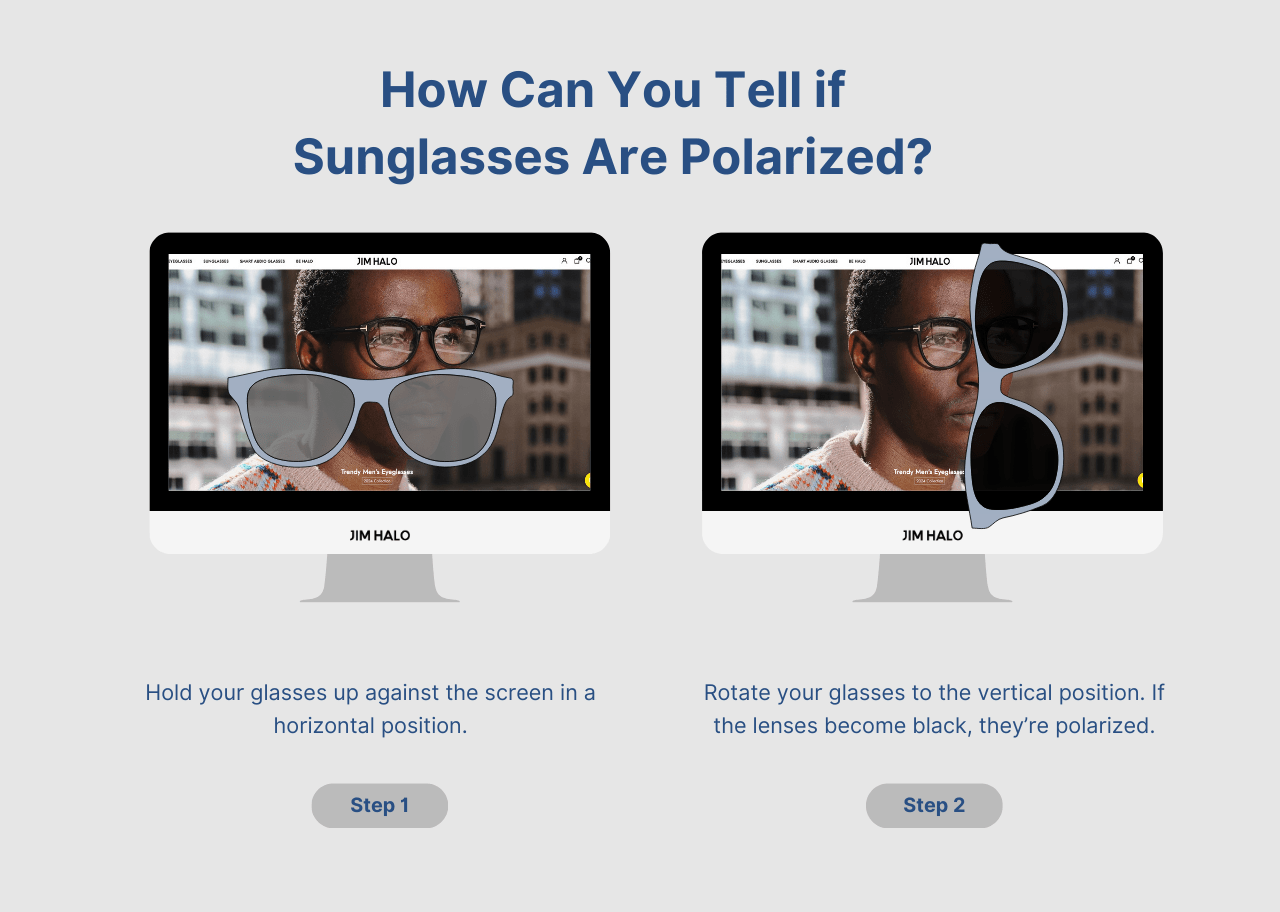
How Can You Tell if Sunglasses Are Polarized?

To verify whether your sunglasses are polarized or not, conduct a straightforward and practical check using a reflective surface. Here’s the step-by-step process:

1. Choose a location with a clear view of a reflective surface, like water, glass, or a smooth car hood.
2. Put on the sunglasses you want to test.
3. Look at the reflective surface through the lenses. Notice the intensity of the glare.
4. Slowly rotate your sunglasses by 90 degrees (turn them vertically).
5. Observe any changes in the glare from the reflective surface as you rotate the glasses.

How Can You Tell if Sunglasses Are Polarized?

If you notice that the glare significantly reduces or disappears entirely when the sunglasses are turned to a certain angle, it’s a strong indication that they have polarized lenses. This is because polarized lenses are designed to block horizontal light waves, which are primarily responsible for glare.

In conclusion, this DIY method can be an effective way to confirm if your sunglasses are indeed polarized prescription sunglasses or just tinted lenses. Keep in mind that while this test offers a good hint, it isn’t foolproof; for absolute certainty, checking the manufacturer’s label or having them verified by an optician would be ideal.


Are Polarized Prescription Sunglasses Better for Your Eyes?

Absolutely, Here’s Why They’re Superior.

Polarized prescription sunglasses outperform non-polarized counterparts in several aspects that are beneficial to eye health and visual comfort. The key benefits they offer make them a more protective and performance-enhancing choice.

Firstly, polarized lenses excel at glare reduction. They effectively block reflected light from horizontal surfaces like water, snow, or roads, which can cause significant visual discomfort and even temporary blindness. By minimizing glare, these sunglasses protect your eyes from strain, squinting, and potential accidents due to impaired vision.

Secondly, they improve visual clarity. With glare eliminated, objects appear sharper and colors more vivid. This enhanced contrast makes it easier to see details, especially during outdoor activities, thus reducing the risk of eye fatigue and headaches associated with prolonged exposure to harsh sunlight.

Moreover, polarized sunglasses often come with built-in UV protection. These lenses shield your eyes from harmful UVA and UVB rays that can lead to long-term eye damage such as cataracts, macular degeneration, and photokeratitis.

In summary, polarized prescription sunglasses not only correct vision but also provide an extra layer of defense against glare and UV radiation. Their ability to reduce eye strain, enhance visual acuity, and prevent potential harm caused by intense sunlight makes them a superior option for anyone seeking optimal eye health and clear vision under bright conditions.


Find the Right Polarized Prescription Sunglasses at Jim Halo

For those seeking the ultimate combination of style and eye protection, Jim Halo is your go-to destination for top-quality polarized prescription sunglasses. Our diverse collection boasts an array of trendy frames that cater to every face shape and personal preference.

Jim Halo understands the importance of shielding your eyes from harmful glare and UV rays. That’s why we specialize in crafting lenses with advanced polarization technology. These specialized lenses effectively neutralize intense reflected light, ensuring crystal-clear vision without the strain that comes from regular sunglasses.

Our polarized prescription sunglasses not only enhance visual comfort but also provide precise optical clarity by incorporating your unique prescription. This means you’ll enjoy crisp, distortion-free sight while driving, fishing, or engaging in any outdoor activity under the sun.

Big Frame Sunglasses

Jimhaloeyewear Peter S sunglasses are the most popular big-frame sunglasses at our shop, we offer two classic colors for this type. For this type, we support normal tint as well as polarized lens selection. You can choose the option that fits your daily needs.

Peter S-BlackPeter S

Brooklyn S sunglasses, as classic and stylish sunglasses, feature a double bridge design with a big frame, perfect for any occasion. They never go out of style.

Brooklyn S-BlackBrooklyn S

Medium Frame Sunglasses

Jimhalo Eyewear’s Ashton S sunglasses have sleek double bridges and the most special part of this pair is on the temple. They have some creative gold irregular patterns on the temples which attract others and make you look different.

Ashton S-TortoiseAshton S

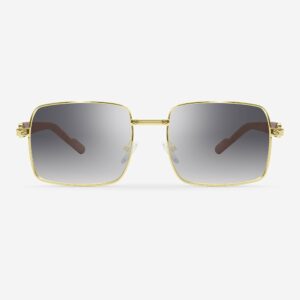
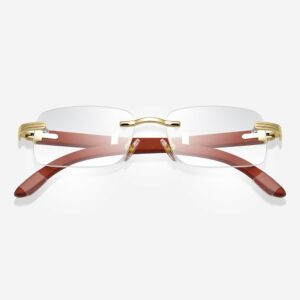
Harley S sunglasses exude a stylish and sophisticated vibe with sleek metal material. A basic square shape with delicate wood pattern temples and shimmering gold color add a touch of elegance to any outfit.

Harley SHarley S

In essence, investing in a pair of Jim Halo’s premium polarized prescription sunglasses isn’t just about accessorizing—it’s a commitment to your long-term eye health and overall visual satisfaction. With our unparalleled selection, expert craftsmanship, and dedication to customer care, there’s no better place to find the perfect pair tailored to your exact requirements. Experience the difference today; visit Jim Halo and choose from our extensive line of high-quality polarized prescription sunglasses.

What Is a Diopter?

What Is a Diopter?

What Is a Diopter and Its Impact on Vision Correction?


Diopters represent the fundamental unit in optometry, used to quantify the optical power of corrective lenses. They are specifically designed to measure how much a lens refracts or bends light to focus it correctly onto the retina.

Vision problems like myopia (nearsightedness), hyperopia (farsightedness), astigmatism, and presbyopia all stem from the eye’s inability to bend light appropriately. They play a pivotal role here by determining the precise amount of correction needed to alleviate these issues.

During an eye exam, an optometrist assesses your vision using various tests that reveal your diopter value. This number signifies the strength required for your lenses – higher numbers denote stronger prescriptions. Negative diopters correct nearsightedness by helping the eye focus on distant objects clearly, while positive diopters address farsightedness by aiding close-up vision.

The measurement is also critical for those with astigmatism, where the cornea’s shape causes blurred vision. Lenses with specific cylindrical diopters at different orientations are prescribed to compensate for this irregularity.

For individuals with age-related presbyopia, understanding them becomes essential as they need additional focusing help for reading and close work. Bifocal or progressive lenses incorporate varying diopter strengths across the lens surface to accommodate both distance and near vision.

In essence, diopters are the backbone of vision correction. Translating into the exact prescription you’ll find on your eyeglasses or contact lenses. It’s through accurate measurements that you can effectively tackle vision impairments and enjoy clear sight. So, whenever you’re updating your glasses, remember that they hold the key to seeing the world in sharp focus.


History of the Diopter

Diopters are a unit for measuring lens power, indicating how well lenses focus light onto the retina. This concept traces back to an ancient Greek device, dioptra, created by Hipparchus around 150 BC. However, it was French ophthalmologist Ferdinand Monoyer who defined “diopter” as a modern optic measurement in 1872.

Monoyer, building on Küchler and Snellen’s work, devised a decimal system in 1875 that calculates the lens strength needed to correctly focus light on the retina. He also invented the Monoyer Chart to assess visual sharpness.

The diopter, thanks to Monoyer, revolutionized optics. It simplified accurate lens power measurement and remains a vital tool today in optometry and ophthalmology. Doctors use them to pinpoint refractive errors and prescribe corrective lenses.

Beyond vision correction, they extend into camera and telescope lens calculations, playing a significant role across various optics applications.


What is the Relationship between Diopters and Meters?

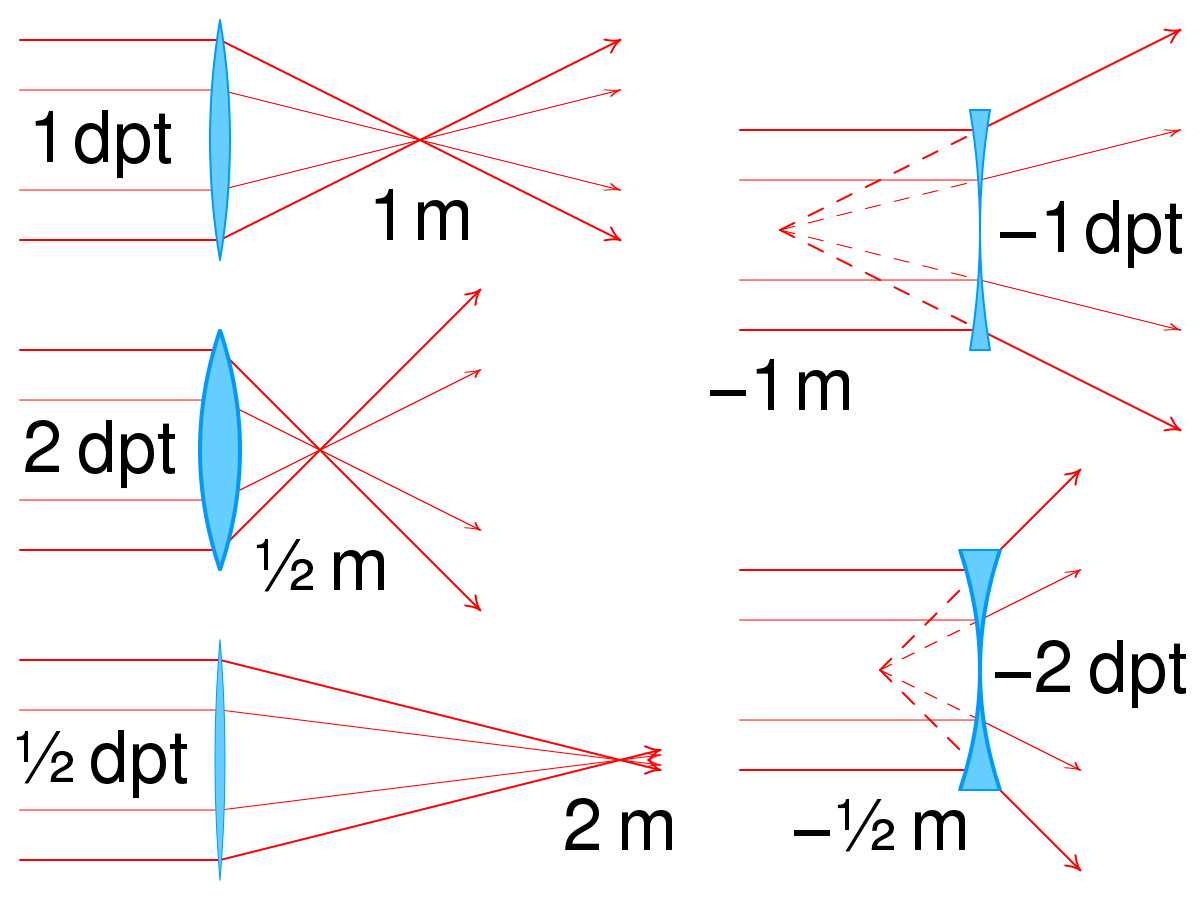
Diopters and meters are intrinsically linked in the world of optics, particularly when it comes to measuring lens power. It is a unit that defines how much a lens can refract or bend light. This relationship is derived from the reciprocal of the lens’s focal length expressed in meters.

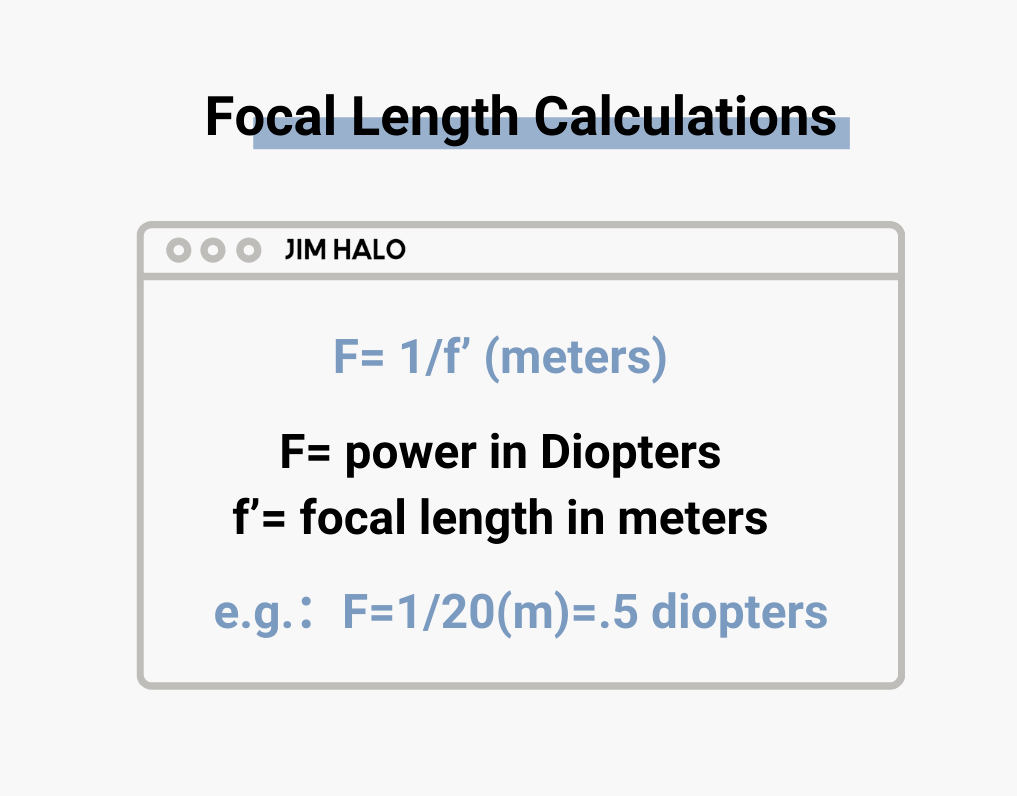
To simplify, imagine you have a lens with a focal length of 1 meter; this means its optical power would be 1 diopter. Its calculation works inversely to the focal length—when the focal length decreases, the diopter value increases.

What is the Relationship between Diopters and Meters?

pic from wikipedia.org


In other words, if a lens has a shorter focal length (less than 1 meter), it will have a higher diopter number. This signifies that the lens has more optical power, meaning it bends light rays more sharply. For instance, a lens with a 0.5-meter focal length equates to a diopter power of 2, as 1 divided by 0.5 equals 2. Conversely, lenses with longer focal lengths have lower diopter values, indicating they refract light less intensely and are therefore considered weaker in optical power.

This direct correlation between them serves as a fundamental principle in prescribing corrective eyewear. Optometrists use this concept to determine the precise diopter needed for each patient. This ensures their corrective lenses effectively focus light onto the retina and correct vision impairments like nearsightedness, farsightedness, or astigmatism.

In essence, understanding their relationship provides clarity on lens strength, enabling accurate measurements and prescriptions in optometry, photography, microscopy, and various fields where precise control over light bending is crucial.


What is the Relationship between Diopters and Focal Length?

In the realm of optics, focal length determines how light behaves after interacting with a lens. It’s the distance from the lens at which parallel light rays converge to a single point (for converging lenses) or appear to diverge from (for diverging lenses). This parameter is inversely proportional to diopter strength.

Relationship between Diopters and Focal Length
When discussing them, we’re referring to the unit that measures a lens’s optical power, and its ability to bend light. The relationship between diopters and focal length is straightforward: as the focal length gets shorter, the diopter value increases.

This connection is particularly crucial in eye care. Optometrists calculate the requirement for corrective lenses based on a patient’s refractive error. Near-sighted patients require lenses with negative diopters, signifying longer focal lengths, while far-sighted patients need positive ones, indicating shorter ones.

Moreover, this principle extends to photography and other optical applications. Zoom lenses with variable focal lengths have changing values, affecting the depth of field and overall image magnification. Thus, understanding the inverse correlation between their length is essential for anyone working with lenses.


Negative and Positive Diopters

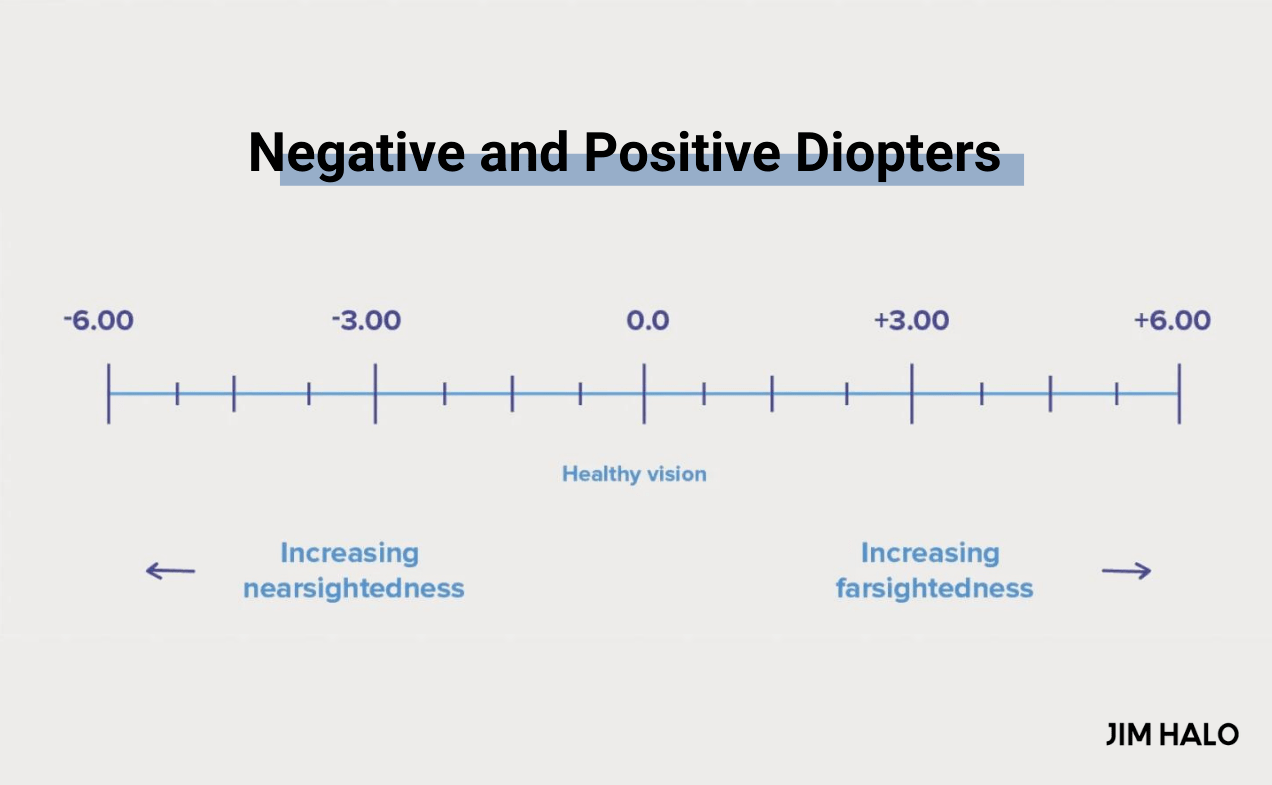
In vision correction, diopters serve as a critical metric for determining the type and strength of lenses needed. Positive diopters are associated with farsightedness, also known as hyperopia. People with this condition have difficulty focusing on objects that are close to them. Their eyes are naturally underpowered, so when light enters, it focuses behind the retina instead of directly on it. To remedy this issue, corrective lenses with positive diopter values are prescribed. These lenses possess extra optical power that helps bend incoming light rays more sharply, allowing near objects to come into clear focus.

Negative and Positive Diopters
On the other hand, negative diopters address nearsightedness or myopia. Individuals with myopia can see nearby objects clearly but struggle with distant ones. This is because their eyes are overly powerful, causing light to converge in front of the retina. In these cases, corrective lenses bearing negative diopter ratings are necessary. These lenses, having less optical power than the eye’s natural lens, effectively reduce the degree of bending, enabling far-off images to be focused correctly onto the retina.

In essence, whether a person requires positive or negative diopters depends on how their eyes refract light – too much curvature for nearsightedness, not enough for farsightedness. Corrective eyewear adjusts this curvature, ensuring optimal visual acuity across all distances. Their value thus serves as a precise language between optometrists and lens manufacturers, translating patients’ visual needs into tangible solutions.


Astigmatism

Astigmatism is a common vision problem that occurs when the cornea, the clear front part of the eye, has an irregular shape. Instead of being round like a basketball, it may be more shaped like a football, causing light to focus unevenly on the retina. This results in blurred or distorted vision at all distances.

To correct astigmatism, optometrists prescribe cylindrical lenses. Unlike spherical lenses used for simple nearsightedness or farsightedness, these lenses have different powers along two distinct axes, known as meridians. One axis, typically horizontal, is designed to address one refractive error, while the other, vertical, compensates for the second error.

Cylindrical lenses’ diopter values indicate the amount of additional optical power needed along each meridian to balance out the irregular focusing caused by the misshapen cornea. The strength can vary from mild to strong, depending on the severity of the individual’s astigmatism.

In essence, the cylindrical lens bends light in a specific way to counteract the uneven distribution of light across the retina. By doing so, it helps to realign the focal points, thereby restoring clear and crisp vision. Thus, the precise measurement in cylindrical lenses plays a crucial role in effectively treating astigmatism and ensuring optimal visual clarity.


Presbyopia

Presbyopia is a natural part of the aging process, affecting nearly everyone from middle age onwards. It occurs as the eye’s lens loses flexibility, making it increasingly difficult to focus on objects up close. To combat this decline in near vision, individuals often need reading glasses.

As people develop presbyopia, they find tasks like reading fine print, sewing, or using a smartphone challenging. This is where corrective lenses come into play, specifically designed for these near-distant visual demands. Reading glasses provide extra focusing power that the aging eyes lack.

These positive diopter lenses essentially compensate for the loss of accommodation by magnifying close-up images, allowing them to be focused clearly onto the retina. Their value assigned to the reading glasses depends on the severity of the individual’s presbyopia and their specific near vision needs.

In summary, presbyopia necessitates reading glasses to help older eyes tackle close work comfortably and efficiently. These glasses become an essential tool for maintaining quality of life and continuing daily activities without strain, emphasizing the importance of measurement in addressing age-related vision changes.


What Diopter Lens Prescription Do I Need?

To know the precise lens prescription you require, a visit to your optometrist is essential. They will conduct thorough eye exams that evaluate multiple aspects of your vision health.

Firstly, they measure your visual acuity – how well you can see letters or symbols from a distance, typically using a Snellen chart. This helps determine if you have nearsightedness (myopia), farsightedness (hyperopia), or perfect 20/20 vision.

Secondly, your optometrist assesses your focusing ability. This includes tests for presbyopia and accommodative dysfunction, which reveal any struggles in shifting focus between near and far objects. It’s during this stage that they gauge the need for additional diopters, particularly positive ones for reading glasses or multifocal lenses.

Andre-blackAndre

Lastly, they identify refractive errors. Astigmatism is one such error where the curvature of your cornea isn’t even, requiring cylindrical lenses with specific diopter values along different axes. Using advanced technology like retinoscopy or automated refraction machines, they pinpoint the exact strength needed to correct these distortions.

In summary, your needs are calculated through comprehensive eye exams by an optometrist. They take into account various factors influencing your vision, ensuring the prescribed lenses provide optimal clarity and comfort, tailored to your unique visual requirements.


Why it’s important to understand diopters in vision care

The concept of diopters plays a pivotal role in managing and treating vision problems. It represents the strength needed to correct refractive errors, which are common causes of blurry vision. By grasping what they mean, you can better interpret your eye health status and vision correction requirements.

When it comes to choosing eyeglasses or contact lenses, understanding the concept empowers you. You’ll know whether you need positive diopters for near vision (like reading glasses), negative diopters for distance vision (for myopia), or specific cylindrical diopters for astigmatism. This knowledge enables you to discuss options with your optometrist or optician more effectively, ensuring that the prescribed corrective lenses provide optimal visual acuity.

Ramsey-goldRamsey

Furthermore, if considering laser eye surgery, knowing your prescription is critical. Procedures like LASIK aim to reshape your cornea to reduce its refractive power to match your required levels. Understanding your starting point helps you evaluate potential outcomes and make well-informed decisions about surgical intervention.

In summary, being familiar with them in vision care is instrumental. It bridges the gap between patients and eye care professionals, facilitating clear communication and accurate diagnosis. It ensures appropriate treatments are provided, ultimately leading to clearer, more comfortable sight and improved quality of life.


Conclusion

In conclusion, understanding the concept is an essential aspect of vision care that significantly impacts the accuracy and effectiveness of corrective measures. The diopter unit serves as a universal language in optometry, quantifying the refractive power needed to correct vision impairments such as myopia, hyperopia, and astigmatism.

Knowing your prescription empowers you to engage more meaningfully with eye care professionals. This awareness allows for better decision-making when selecting eyeglasses or contact lenses, ensuring that they are tailored precisely to your vision needs. Moreover, it plays a crucial role in evaluating the suitability and potential outcomes of refractive surgeries like LASIK.

Ultimately, grasping the concept equips you with the tools to manage your visual health proactively. It ensures that you receive accurate treatments, which result in improved visual acuity and comfort, contributing to an enhanced overall quality of life.

Which is the Best Online Blue Light Computer Glasses?

Which is the Best Online Blue Light Computer Glasses?

Introduction:

In today’s digital age, our eyes are constantly exposed to a surge of blue light from screens. This blog post focuses on the importance of blue light computer glasses, specifically for computer users. We’ll guide you towards finding the blue light computer glasses that protect your vision without breaking the bank.

Blue light is emitted by electronic devices like smartphones, tablets, and computers, leading to potential eye strain, disrupted sleep patterns, and long-term health concerns. Investing in quality blue light computer glasses has become a necessity for many individuals who work with screens.

Blue light computer glasses not only provide a cost-effective solution but also deliver reliable protection against harmful blue light radiation. These glasses filter out the detrimental wavelengths while allowing beneficial light to pass through, ensuring visual comfort during screen time.

When searching for the best budget-friendly blue light blocking glasses online, consider factors such as lens quality, style options, etc. Brands offering affordable yet efficient glasses often have a wide selection to cater to different face shapes and personal preferences.

In conclusion, making an informed decision when buying blue light computer glasses doesn’t have to be costly. By exploring the blue light computer glasses, you can shield your eyes from digital eye strain without compromising on style. Remember to prioritize features like UV protection, glare reduction, and the percentage of blue light blocked to ensure you get the maximum benefits from your purchase.
In this article, we delve deeper into understanding the significance of blue light protection. So you can find the perfect pair of blue light glasses tailored to your needs.


What Is Blue Light?

What Is Blue Light? In the realm of light, blue light stands out as a type of high-energy visible (HEV) light. It’s not just sunlight that emits it; we also encounter blue light from digital devices like computers, smartphones, and lights. Its wavelength is shorter than other light waves, which means it carries more energy.

Blue light is an integral part of the spectrum that human eyes can detect. This omnipresent element in our daily lives contributes to brightness and color perception during daylight hours. However, excessive exposure, particularly from screens, can pose risks.

blue light from laptop

Digital screens emit significant amounts of blue light, which can penetrate to the retina, potentially causing eye strain, disrupted sleep patterns due to its effect on melatonin production, and even long-term vision problems.

In this context, blue light glasses have emerged as a practical solution. These glasses are designed with lenses that effectively filter out or block harmful blue light rays, shielding your eyes.
When shopping for the best affordable blue light blocking glasses online, you’ll find various options. They’re all equipped with specialized coatings that reduce glare and absorb or reflect blue light. They’re perfect for individuals who spend extended periods working or relaxing in front of screens.

To summarize, blue light is a natural yet potent component of the visible spectrum. And mitigating its effects has become increasingly important in our tech-driven world. Seeking out the blue light computer glasses ensures that you can protect your eyes from potential harm.


Is Blue Light Bad?

Is Blue Light Bad? Prolonged exposure to blue light, particularly before bedtime, can indeed pose health risks. It interferes with our body’s natural sleep-wake cycle by suppressing the production of melatonin, a hormone that regulates sleep. This disruption in circadian rhythm leads to poor sleep quality and insomnia.

Furthermore, continuous screen time with its abundant blue light emission is associated with digital eye strain. Symptoms include dry eyes, blurred vision, headaches, and fatigue, which are collectively known as Computer Vision Syndrome (CVS). Over time, chronic exposure might contribute to age-related macular degeneration and other long-term vision issues.

The good news is that you can minimize these adverse effects without spending a fortune. Blue light computer glasses often come with lenses designed to filter or block blue light, reducing its impact on your eyes and overall well-being. These affordable options help protect against eye strain and promote better sleep habits for those who frequently use electronic devices.

Moreover, choosing the best budget-friendly blue light blocking glasses online not only safeguards your vision but also enhances concentration levels. By limiting artificial blue light intake, especially during late hours, you may notice an improvement in focus, mental clarity, and general well-being.

In conclusion, while blue light is naturally present and serves a purpose, excessive amounts can be detrimental to our health. Investing in blue lighting glasses provides an effective shield against the negative consequences, ensuring a healthier digital time.


What are Blue Light Computer Glasses?

These specialized eyeglasses, known as computer glasses, are crafted to shield your eyes from the detrimental impact of blue light emitted by digital screens. They feature lenses with a unique coating engineered specifically to absorb or block a substantial portion of harmful blue light wavelengths.

Computer glasses serve as a defense mechanism for those who engage in prolonged screen time activities like working on computers, browsing the internet, or gaming. Whether you’re a professional tied to a desk or a student spending hours studying online, these glasses can be a game-changer for your eye health.

work in front of screen

Blue light computer glasses often include this blue light filtering technology, making them accessible and affordable for everyone. They provide essential protection without breaking the bank, ensuring that individuals across all budgets can benefit from their advantages.

These budget-friendly computer glasses not only help alleviate symptoms of digital eye strain but also contribute to better sleep quality by reducing exposure to blue light before bedtime. Their widespread availability through online platforms makes it easy to find the block blue light glasses that suit your style and vision needs.

In summary, computer glasses are an indispensable tool for digital age users, designed to combat the negative effects of blue light. The best value options found online make it convenient for anyone to invest in their eye health without sacrificing style or affordability.


Can I Wear Blue Light Computer Glasses All Day?

You can wear blue light glasses all day long. These specialized eyewear products, including the blue light computer glasses, are crafted to combat screen-time strain. They’re primarily intended for extended computer use, shielding your eyes from harmful blue light emissions.

Not just limited to workstations, they serve as a shield throughout the day, offering constant protection against digital screens’ glare. Wearing them daily is ideal if you spend hours staring at laptops, smartphones, or tablets. This is especially true for individuals whose jobs revolve around technology or avid users of digital gadgets.

The blue light computer glasses not only offer relief from eye fatigue but also help maintain healthy sleep cycles by reducing exposure to disruptive blue light. So, whether you’re an office worker, student, or casual gamer, these affordable and efficient blue light blockers are great for round-the-clock comfort.

In conclusion, investing in a pair of blue light blocking glasses means ensuring that your eyes are safeguarded from potential harm without breaking the bank. Opting for these glasses allows you to enjoy the convenience of wearing them all day, thus making it a smart choice for those with heavy screen usage habits. Remember, consistent use equals consistent protection, enhancing your visual comfort and overall well-being.


Benefits of Blue Light Computer Glasses

Blue light computer glasses, including the blue light computer glasses, are a game-changer for digital device users. They effectively minimize eye strain by blocking harmful blue light emitted from screens. This means less squinting, fewer headaches, and reduced redness or irritation after prolonged screen time.

These specialized glasses also contribute to better sleep quality. By filtering out blue light wavelengths that can disrupt your body’s natural sleep cycle, they help you maintain a healthy circadian rhythm. Falling asleep faster and waking up refreshed becomes easier when wearing them, especially in the evening.

In terms of productivity, blue light glasses offer an enhanced viewing experience. The reduction of glare minimizes visual distractions, allowing for more focused work or play. You’ll find yourself less likely to blink excessively or feel fatigued, which translates into longer periods of efficient screen usage.

Moreover, these glasses serve as a protective barrier against potential long-term eye damage. Continuous exposure to blue light could lead to macular degeneration and other vision problems over time. Wearing blue light-blocking glasses, even the affordable options found among the blue blocking glasses, is a proactive measure against such risks.

They’re not just about protection; comfort is key too. Blue light computer glasses often come with anti-reflective coatings that reduce annoying reflections and alleviate dry eyes. This makes them suitable for extended wear, whether you’re at work, studying, or simply unwinding with a movie.

In summary, the benefits of blue light computer glasses are multi-faceted. From shielding your eyes from digital strain to promoting healthier sleep patterns and boosting productivity, they’re a valuable investment. And with the availability of blue light blocking glasses, it’s now convenient and cost-effective to protect your eyes without compromising style or quality.


Best Computer Glasses in 2024

In 2024, the digital landscape is teeming with a diverse selection of the best computer glasses. The online market presents a vast array of blue light blocking glasses from reputable brands like Jim Halo Eyewear. These top-tier manufacturers are famous for their superior quality, advanced technology, and stylish designs.

When seeking the perfect pair of blue light computer glasses, it’s crucial to scrutinize customer reviews. Authentic feedback can reveal how well these glasses alleviate eye strain, improve sleep quality, and enhance screen-time comfort. Real users share insights into durability, fit, and effectiveness against harmful blue light emissions. Features to compare include lens coatings, frame materials, level of blue light filtration, and additional benefits such as anti-glare properties or UV protection. Not all computer glasses are created equal; some may offer specialized features tailored to specific needs like gaming or reading.

Jim Halo Eyewear, a reputable and innovative brand in the eyewear industry, has established itself as a purveyor of uniquely fashionable yet affordable eyewear solutions available online. Their extensive collection caters to a diverse array of personal styles while ensuring exceptional visual comfort and protection from digital eye strain.

1. Thick Frame Glasses:

A cornerstone of their line, Jim Halo’s thick-frame glasses embody a bold, contemporary aesthetic that not only provides robust physical shielding for the eyes but also serves as an impactful fashion accessory. These frames are crafted with durability and style in mind, allowing wearers to make a definitive statement without sacrificing practicality. They resonate particularly well with individuals who seek to infuse their looks with a strong sense of character and confidence.

Naval-BlackNaval

2. Simple Rimless Glasses:

For minimalists who appreciate subtlety and discretion, Jim Halo offers a series of rimless designs that epitomize understated elegance. Engineered with lightweight materials, these glasses sit almost imperceptibly on the face, thereby minimizing distractions during prolonged use. Moreover, they integrate advanced blue light filtering technology, making them perfect companions for professionals and students alike who spend extended hours in front of digital screens. The absence of rims ensures unhindered peripheral vision, enhancing overall user experience and reducing eye fatigue.

Patton-goldPatton

3. Vintage Metal Glasses:

Drawing inspiration from the golden age of eyewear design, Jim Halo’s vintage metal glasses harmoniously blend the allure of bygone eras with cutting-edge optical technology. Each piece encapsulates the charm of retro aesthetics while integrating modern features such as blue light filtration, which is essential in today’s screen-centric world. These timeless spectacles serve as a testament to Jim Halo’s commitment to preserving classic forms while adapting them to meet the needs of the 21st-century wearer.

JacksonJackson

In conclusion, when navigating through the myriad choices available in the online market for blue light computer glasses in 2024, consider brand reputation, user reviews, and product specifications. The blue blocking glasses from brands like Jim Halo Eyewear provide a balance between affordability and performance, ensuring that you can safeguard your eyes without overspending.


Jim Halo Eyewear distinguishes itself through its ability to seamlessly merge high-fashion design sensibilities with pragmatic functionality. By offering stylish glasses that effectively filter out harmful blue light at an accessible price point, they have become a preferred choice for consumers who prize both sartorial flair and ocular health in equal measure. This strategic balance underscores Jim Halo’s understanding of the modern lifestyle and the importance of protecting our eyes amidst the ever-increasing digital demands of daily life. Always remember to research diligently before committing to a purchase, guaranteeing that your chosen glasses deliver the optimal protection and comfort you deserve.


How to Buy Blue Light Computer Glasses Online?

Purchasing blue light computer glasses online is a convenient and efficient way to protect your eyes from digital strain. Here’s a step-by-step guide on how to buy the blue light computer glasses that meet your needs:

1. Identify Your Needs:

First, decide why you need blue light glasses – for work, gaming, or everyday use. This helps narrow down lens features and frame styles.

need blue light glasses for everyday use

2. Lens Quality Matters:

Opt for lenses that filter at least 30% of blue light, ideally up to 40%. Check if they also offer UV protection and anti-glare coatings for added comfort.

3. Frame Design & Comfort:

Choose frames that fit snugly but comfortably on your face. Ensure the temple arms aren’t too tight or loose, and the nose pads are adjustable for a custom fit. The style should be suitable for extended wear.

4. Style Preference:

With the blue light computer glasses, you don’t have to compromise on style. Select from various designs like classic rectangle, trendy round, or modern rimless to match your personality.

5. Brand Reputation:

Research brands are known for producing quality blue light glasses. Jim Halo Eyewear, BlueBlocker, and EyeBuyDirect often feature in lists of blue light filter glasses due to their reliability and value.

6. Customer Reviews:

Read reviews from verified buyers. They provide insights into real-life performance, durability, and any potential issues with sizing or comfort. This helps avoid buyer’s remorse.

customer review

7. Measurement Accuracy:

Measure your pupillary distance (PD) accurately. Most online retailers require this measurement to ensure the optical center of the lenses aligns correctly with your eyes.

8. Price Comparison:

Compare prices across different websites offering blue light glasses. Watch out for discounts, promotions, and free shipping offers to get the best deal.

9. Return Policy:

Always check the return policy before buying. A good retailer will offer a reasonable return window and hassle-free exchanges, ensuring you can try your new glasses risk-free.

10. Ordering Process:

Once you’ve found the perfect pair that ticks all the boxes, place your order confidently. Some platforms even let you virtually try-on glasses before making a final decision.

In summary, when shopping for blue light computer glasses online, it’s crucial to consider factors such as lens quality, frame design, personal style, and customer feedback. By carefully evaluating these aspects, you’ll find the ideal pair among the blue light filter glasses that not only shield your eyes but also make a fashion statement.


Conclusion:

In conclusion, blue light computer glasses play a pivotal role in safeguarding our eyes against the detrimental impacts of digital screens. These specialized glasses intercept and reduce exposure to harmful blue light emissions, thereby offering a practical and straightforward remedy for today’s tech-driven lifestyles.

When you opt for a pair of high-quality blue light computer glasses, you’re taking a proactive step towards minimizing the symptoms of digital eye strain. This includes alleviating headaches, dryness, and blurry vision that often accompany prolonged screen time.

Moreover, wearing these glasses can significantly contribute to improved sleep patterns. By blocking the blue light wavelengths known to disrupt circadian rhythms, they help regulate melatonin production, promoting better quality rest at night.

To reap the full benefits, it’s crucial to make an informed decision when shopping for blue light computer glasses online. Assess the glasses’ effectiveness based on their blue light filtration capacity, lens quality, and frame comfort. Seek out reputable brands and consider customer feedback to ensure your chosen pair provides genuine protection without causing discomfort.
In essence, investing in a well-suited pair of blue light computer glasses is an investment in your long-term eye health and overall well-being. As we navigate an increasingly digital world, equipping ourselves with this essential tool becomes all the more vital to maintain healthy eyes and balanced lifestyles.

10 Tips on How to Buy best cheap glasses online

10 Tips on How to Buy Best Cheap Glasses Online

Introduction:

The trend of purchasing glasses online has gained momentum due to its unbeatable ease and cost-effectiveness. This blog post serves as a comprehensive guide, providing you with 10 key pieces of advice on how to successfully source the best cheap glasses online. Our carefully curated tips are designed to empower your online shopping journey, guaranteeing an efficient and satisfactory outcome.

In today’s digital age, finding affordable eyewear without compromising on quality is easier than ever. The ability to buy glasses online allows for broader selections, competitive pricing, and the convenience of shopping from home. However, navigating the world of online eyewear requires some guidance to ensure you get the best value for your money.

Our step-by-step instructions will not only help you identify reputable platforms that offer the best cheap glasses online but also guide you through essential factors such as obtaining accurate prescriptions, understanding frame measurements, considering face shape compatibility, exploring lens materials and types, assessing thickness, and choosing suitable coatings.

Ultimately, this article equips you with the tools necessary to make informed decisions when buying glasses online, empowering you to find the perfect pair among the myriad options available in the realm of the best prescription glasses online. By following these guidelines, your next online optical purchase will be both seamless and rewarding.


Why Should I Buy Eyeglasses Online?

Buying glasses online offers an unparalleled level of convenience and a vast array of options that traditional stores may not match.


1. Convenience and Variety

Comfortable Shopping from Home: There’s no need to leave your house when you can shop for eyewear in your pajamas, saving you time and energy typically spent on travel and parking.

Access to a Wide Array of Styles: Online optical shops display thousands of frames, ranging from classic to trendy, giving you the luxury of choice not bound by store inventory limits.

Best Cheap Glasses Online Without Geographical Limits: The internet erases geographical boundaries, enabling you to explore and purchase affordable eyewear from top brands or niche designers worldwide.


2. Anytime, Anywhere Shopping

24/7 Availability to Browse and Order: Online shopping allows you to leisurely browse through collections and place orders at any hour of the day, suiting your schedule perfectly.

No Need for Physical Store Visits: Eliminating the necessity for physical store visits saves you from crowded malls, long waiting lines, and potentially pushy salespeople.

Compare Prices and Features Easily: A few clicks let you compare the prices, materials, lens coatings, and other features of different glasses, helping you make informed decisions about the best cheap glasses online. This transparency often leads to better deals and value for your money.


3. Cost Savings

With online retailers, lower overhead costs allow for competitive pricing. This means you can find top-quality eyewear at more affordable prices compared to traditional stores. Additionally, regular discounts and promotional offers on the best cheap glasses online further enhance cost savings. You can enjoy the same quality without breaking the bank.


4. Precision and Accuracy

Buying glasses online does not compromise precision and accuracy. You can ensure the correct fit by accurately entering your prescription details during the ordering process. Moreover, online tools provide the ability to measure your pupillary distance (PD) conveniently. Advanced systems employed by trusted online retailers guarantee the creation of lenses that meet your precise requirements. With risk-free trials and guarantees, you can be confident in your purchase.


5. Time Efficiency

Forget about waiting in in-store queues and enduring numerous visits to find the perfect pair of glasses. When you buy glasses online, the entire process is streamlined and time-efficient. Online retailers offer faster delivery, right to your doorstep. This means you can enjoy your new glasses without delay. Additionally, easy reordering options allow you to save time in the future when you need to restock your eyewear.


6. Customer Reviews and Support

One of the significant advantages of purchasing the best cheap glasses online is the access to customer reviews and comprehensive support. Before making a purchase, you have the opportunity to read genuine user feedback, ensuring you make an informed decision. Reliable online retailers also provide quick customer service response times for any queries or concerns you may have. Detailed product information further assists in making the right choice.


In conclusion, buying eyeglasses online offers an unparalleled mix of convenience, variety, affordability, and accuracy. The flexibility and time-saving benefits, coupled with the ability to find the best prescription glasses online, make it a compelling choice for today’s consumers seeking both value and style in their eyewear purchases.


10 Tips on How to Buy Best Cheap Glasses Online

1. Choose a reliable online eyewear store

When shopping for the best cheap glasses online, your first critical step is selecting a trustworthy online eyewear retailer. The quality and authenticity of the glasses are directly linked to the reliability of the store you buy from. Authentic stores source products from credible manufacturers, ensuring that each pair is made with genuine materials and lenses.

A reputable online store typically boasts a broad selection of frames and lenses, offering not just affordability but also durability and style. To verify their credibility, thoroughly examine customer reviews and ratings. These testimonials can provide valuable insights into the store’s product quality, delivery speed, and post-purchase service.

Customers often share their experiences regarding order accuracy, lens clarity, frame durability, and how closely the glasses match the online images. They may comment on the responsiveness of customer service when dealing with issues like returns, exchanges, or prescription errors. Thus, pay close attention to recurring themes in both positive and negative feedback.

Moreover, check if the site has secure payment methods, clear shipping policies, and a well-defined return and refund policy. Legitimate online eyewear stores usually have these details easily accessible to assure potential buyers of a safe and hassle-free transaction.

In conclusion, identifying a reliable online eyewear store is key when looking for the best cheap glasses online. By diligently reading through customer reviews and analyzing ratings, you’re more likely to find a store that guarantees authentic products, competitive pricing, and top-notch customer satisfaction—ensuring that your new, affordable glasses are both stylish and functional. This way, you’ll be able to enjoy the convenience and cost savings of online shopping without compromising on quality and trustworthiness.


2. Have an accurate prescription

Before shopping for the best cheap glasses online, having an updated prescription is a must. Your quest to find affordable yet quality eyewear begins with a trip to your optometrist or eye doctor. This visit ensures that you get precise measurements and vision correction data, which are crucial in crafting lenses tailored to your unique visual needs.

Getting an accurate prescription equips you with the specifics needed when filling out details on the best cheap glasses online platforms. It includes information like Sphere (SPH), Cylinder (CYL), Axis, and sometimes Pupillary Distance (PD). These numbers determine how much nearsightedness or farsightedness your lenses correct, any required astigmatism correction, and the alignment of the optical center.

Without a current prescription, even the best eyeglasses online might not provide optimal vision clarity. You could end up with eyewear that causes strain or discomfort instead of improving your sight as intended. So, before browsing through the vast selection of frames and lens options at budget-friendly online stores, be sure to have your most recent prescription ready.

In summary, obtaining an exact prescription from your eye care professional is a non-negotiable step when hunting for the best cheap glasses online. It guarantees that the bargain-priced spectacles will deliver the right level of vision correction and enhance your overall visual experience. Remember, price doesn’t need to compromise precision; you can indeed find the best cheap glasses online that also align with your specific vision requirements.


3. Measure your pupillary distance

When searching for the best cheap glasses online, one essential detail you can’t overlook is your Pupillary Distance (PD). This measurement refers to the space, in millimeters, between the centers of your pupils. It plays a critical role in positioning your corrective lenses correctly within the frames.

To ensure that your new pair from the best cheap glasses online shops will provide optimal vision clarity and comfort, the PD must be accurate. If the PD is off, even slightly, it can lead to blurry vision, eyestrain, or an unnatural viewing experience.

You have two options to acquire your PD: self-measurement or professional assistance. Many online guides can walk you through measuring your PD using a ruler or a PD-measuring tool while looking into a mirror. Alternatively, visit your local optician’s office; they typically measure PD as part of an eye exam or when fitting glasses. Requesting this measurement from them won’t cost extra and guarantees precision.

In summary, while hunting for the best eyeglasses online, don’t forget to include your PD for ideal lens alignment. Accurate PD data ensures that your bargain eyewear purchase doesn’t compromise on visual acuity and comfort. With the right PD in hand, you can confidently select and order the best cheap glasses online, knowing they’ll fit and perform just like a premium pair from a brick-and-mortar store.

pd measurement

4. Find a suitable frame size

Getting a frame that fits perfectly is essential when shopping for the best cheap glasses online. Your goal is to replicate the comfort and style of your current glasses or find a better-suited size. Begin by examining your existing frames: take note of their dimensions, especially the lens width, bridge width, and temple length. These numbers are typically printed on the inside of the temples or behind the nose bridge.

To get the right fit from the best cheap glasses online selection, compare these measurements with those listed in product descriptions. A frame too large may slip down your nose, while one that’s too small could pinch or feel tight. For optimal comfort and aesthetics, choose a size that matches your face shape and size closely.

Additionally, consider factors like your personal preference, the type of lenses you need (thicker prescriptions might look better in larger frames), and the purpose of the glasses (e.g., everyday wear or reading). Some online retailers offer virtual try-on tools, which can help you visualize how different sizes will look before making a purchase from the best cheap glasses online inventory.
In summary, finding a suitable frame size is vital when buying from the best cheap glasses online marketplaces. Measure your current pair, compare sizes, and utilize available tools to ensure that the affordable eyewear you order won’t be either oversized or undersized, but rather, a perfect match for your features and lifestyle.

frame size

5. Consider your face shape

When browsing for the best cheap glasses online, don’t underestimate the importance of matching frames to your face shape. This simple step can significantly enhance your overall look and help you find a flattering pair without breaking the bank. To start, identify your face shape from common categories: oval, round, square, heart-shaped, diamond, or oblong.

If you have an oval face, congrats! Most frame styles will suit you; feel free to explore the variety at the best cheap glasses online stores. Round faces often benefit from angular frames like rectangles or Wayfarers that add length and contrast. For square faces, choose round or oval frames to soften angles and balance proportions.

Heart-shaped faces are widest at the temples and narrow towards the chin; cat-eye or rimless frames create a harmonious look. Square faces complement round or curved frames which counterbalance strong jawlines. Oblong faces are longer than they are wide, so aim for frames that are wider than your face width, such as rectangle frames with decorative temples.

Diamond-shaped faces have narrow foreheads and chins with wide cheekbones. Choose frames with detailing or distinctive brow lines to accentuate these features. The goal is to ensure your new eyewear from the best cheap glasses online collection emphasizes what you love about your face and enhances your natural beauty.

In conclusion, when searching for the best eyeglasses, always consider your face shape before making a purchase. By doing so, you’ll not only get great value but also a stylish accessory that flatters and complements your unique facial features.


6. Consider the material and price

When shopping for glasses online, especially when looking for the best cheap glasses online, it’s crucial to evaluate the material and price. High-quality materials can mean longer-lasting eyewear that maintains its aesthetic appeal over time. Acetate frames are a popular choice due to their durability, hypoallergenic properties, and wide range of colors and patterns. Metal frames, such as titanium or stainless steel, offer a lightweight yet sturdy option known for resilience and flexibility. They’re ideal for those seeking minimalist designs or sleek frames from the best cheap glasses online retailers.

When comparing prices, take note of any discounts or promotional offers. You might find high-quality glasses at surprisingly affordable rates within the best cheap glasses online collections. Remember, value isn’t just about the lowest price tag; it’s the combination of quality, design, and affordability. Do your research: check customer reviews, compare features, and scrutinize warranties offered by various online sellers. This will guide you towards a pair that delivers on style and substance at a budget-friendly cost.

In summary, always prioritize the material and price when searching for glasses in the vast sea of the best cheap glasses online marketplaces. Invest in durable materials like acetate or metal, weigh your options carefully, and seize opportunities for top-notch eyewear at competitive prices to ensure maximum value for your investment.


7. Determine the type of lenses

When scouting for the best cheap glasses online, selecting the right type of lenses is a pivotal decision. Your choice should cater to your unique vision needs and daily activities. Here’s a breakdown:

Single vision lenses correct one field of vision – either distance or nearsightedness. Ideal for those who primarily need help with seeing far away or reading.

Progressive lenses are a multi-purpose solution. They offer graduated correction from distance to close-up viewing in one seamless transition. Perfect for users desiring no-line bifocals without compromising style.

Bifocal lenses have distinct areas for distance and reading, making them great for individuals with both conditions. Despite being traditionally associated with age, they’re practical and available in various styles on the best cheap glasses online platforms.

Reading glasses are designed specifically for close-up tasks, like reading or screen work. Choose these if you experience difficulty focusing on near objects but see well at a distance.

Lenses with UV protection shield your eyes from harmful sun rays. Even when purchasing affordable frames from discount glasses online shops, ensure your lenses include this crucial feature to safeguard your eye health.

Fashion lenses are non-prescription and exist purely for aesthetic appeal. If fashion is your focus, indulge in trendy, clear, or colored lenses from the best cheap glasses online collections to enhance your look without affecting vision.
In conclusion, be it a functional single vision, progressive convenience, bifocal practicality, protective UV-coated, or purely fashionable lenses, always consider your lifestyle demands and personal taste before settling on the perfect pair among the best cheap glasses online offerings.


8. Select the lens thickness

When browsing the best cheap glasses online, don’t overlook lens thickness as it significantly impacts comfort and clarity. The strength of your prescription dictates lens thickness; stronger prescriptions typically require thicker lenses. Depending on your prescription, you may need different lens thickness options. Generally, the higher your prescription, the thicker the lenses. Select the appropriate lens thickness (ranging from 1.56 to 1.74) to ensure optimal visual clarity and comfort.

For mild prescriptions, a 1.56 index lens offers standard thickness and is commonly found in affordable options among the best cheap glasses online collections. It’s a cost-effective choice without compromising on visual acuity.
However, if you have a high prescription, consider higher-index lenses. A 1.67 index reduces lens thickness by up to 25% compared to 1.56, allowing for thinner, lighter eyewear that looks more appealing and feels more comfortable.
Top-of-the-line 1.74 index lenses are the thinnest available option for extremely strong prescriptions. Despite being pricier, they can be found in the best cheap glasses online range for those seeking ultra-sleek frames with clear vision.
Regardless of the chosen index, remember that each increment represents an advancement in technology, translating to thinner lenses and less peripheral distortion. When shopping at the best cheap glasses online stores, always opt for the right lens thickness to ensure your glasses provide both optimal clarity and desired comfort throughout the day.

lens thickness

9. Consider the coating needed

When shopping for the best cheap glasses online, pay attention to lens coatings that can greatly enhance your eyewear’s functionality and eye protection. Decide if you need additional coatings for your lenses, such as tint, blue light filter, anti-reflective (AR), or anti-fog. These coatings enhance visual comfort and protect your eyes from harmful elements. Each coating serves a unique purpose:

1. Tinted Coating: If you often spend time outdoors or need relief from bright light, consider tinted lenses. These can be color-specific for fashion or functional purposes like blocking glare.

2. Blue Light Filter: For prolonged screen use, select glasses with blue light filters. They help reduce eye strain, fatigue, and potential long-term damage from digital screens – a must-have feature when buying the best cheap glasses online for daily tech users.

3. Anti-Reflective (AR) Coating: Eliminates distracting reflections, improving visibility and reducing eye strain, especially in low-light situations. The AR coating is beneficial for everyone and is commonly available on the best cheap glasses online platforms.

4. Anti-Fog Coating: Ideal for those who frequently encounter temperature changes or engage in activities that cause fogging, such as cooking or sports. This coating keeps your vision clear and safe, even while wearing affordable frames from the best cheap glasses online marketplaces.

In summary, ponder over these specialized coatings before finalizing your purchase at the discount glasses online stores. While they may add slightly to the cost, they contribute significantly to visual comfort and eye health, making them a worthwhile investment.


10. Check refund and return policy

Lastly, before making a purchase, review the refund and return policy of the online store. It is essential to be aware of their policies in case you need to make any adjustments or returns.

When hunting for the best cheap glasses online, one crucial aspect that shouldn’t be overlooked is the store’s refund and return policy. It’s a safety net for your purchase, especially when buying eyewear without physically trying it on.

Before clicking the ‘buy’ button, delve into the retailer’s policies. Ensure they offer a reasonable timeframe for returns – this could range from 14 to 30 days or more. A good return window allows ample time to assess comfort, fit, and clarity once your new glasses arrive.

Check if the policy includes exchanges; you may need a different frame size, or lens type, or even decide on another style entirely. Opting for an online store with hassle-free exchange procedures adds value to the experience of buying the best cheap glasses online.

Also, verify whether they cover return shipping costs or not. Some of the most customer-friendly best cheap glasses online platforms absorb these fees, making it financially easier to rectify any issues.

Lastly, understand their refund conditions. The ideal scenario would be a full refund provided the glasses are returned in their original condition within the specified timeframe. This ensures peace of mind knowing that should any unforeseen problems arise, your money won’t be lost.

In summary, while searching for the best deals on affordable glasses online, always read and understand the refund and return policy. Your satisfaction and ability to resolve potential issues depend on it, so choose a vendor with clear, fair, and consumer-centric policies.


Find the best cheap glasses at Jim Halo

When it comes to sourcing the best cheap glasses online, Jim Halo stands out with a remarkable collection that caters to diverse tastes. Here’s a rundown of their top offerings:

Bold Thick Glasses:

For those who love a statement piece, Jim Halo provides striking thick-rimmed eyewear at unbeatable prices. These frames embrace modernity and add character to any look, all while being customizable with your prescription, photochromic lenses (that darken in sunlight), or tinted options.

Peter-BlackPeter

Classic Rimless Glasses:

Minimalists can indulge in Jim Halo’s range of timeless rimless designs. They provide weightless comfort without compromising on durability. And yes, these sleek frames also accommodate prescriptions, turning them into practical yet elegant eyewear solutions from the best cheap glasses online inventory.

Kelsey-silverKelsey

Shining Rimless Glasses with Diamond Accents:

Elevate your style quotient with sparkling rimless glasses featuring diamond embellishments. Jim Halo brings you sophistication and bling without breaking the bank, all while offering essential features like compatibility with prescription lenses and tints for various light conditions.

AdonisAdonis

Vintage Metal Glasses:

Embrace retro charm through Jim Halo’s vintage metal eyeglasses. Crafted with affordability in mind, these frames channel old-world allure with contemporary functionality, complete with an option to incorporate your precise prescription and photochromic or tinted lens choices.

Martin

Classic Plastic Glasses:

Lastly, there are the ever-popular classic plastic frames. Jim Halo delivers a variety of colors and shapes in this category, maintaining a budget-friendly price point. These versatile glasses blend seamlessly with any outfit, and as always, they’re fully equipped to support your vision needs with prescription, photochromic, or tinted lenses.

Whether you’re after boldness, minimalism, elegance, nostalgia, or simplicity, Jim Halo is the go-to destination for the best cheap glasses online that cater to your every preference and optical requirement.

JasonJason

Conclusion

In conclusion, purchasing the best cheap glasses online can be a rewarding experience when you apply these 10 effective strategies. Firstly, identify a trustworthy online eyewear platform where quality meets affordability. Next, ensure you have an up-to-date prescription for optimal vision correction.

When browsing through collections, pay heed to frame size – it should fit your face snugly yet comfortably. Also, match the frame shape with your face contour to enhance your overall look. Material choices, from metal to plastic, impact durability, and style. Lens types like single vision, multifocal, or photochromic need careful consideration based on your vision needs.

Consider lens thickness, which may vary depending on your prescription strength and frame choice. Lastly, don’t underestimate the value of coatings; anti-reflective, scratch-resistant, or UV protection can significantly improve your glasses’ functionality.

Ultimately, remember that Jim Halo is a great destination to find the best eyeglasses. They offer a variety of stylish frames, customizable options, and excellent value for money. By diligently following these guidelines, you’ll not only save money but also guarantee satisfaction in your online optical purchase.

Best fashion glasses for men in 2024

Best fashion glasses for men in 2024

Global Fashion Glasses Market Analysis 2024

In 2021, the worldwide eyewear market’s worth hit $115.37 billion, with a significant chunk—35 to 40 percent—attributed to fashion glasses for men, as per Research and Markets data. This thriving segment covers products tailored for men: prescription glasses, sunglasses, and contact lenses, all witnessing impressive growth.

Statista predicts that by late 2023, this booming industry will reach a valuation of $141.5 billion globally. Spectacle lenses stand out as the largest category, anticipated to contribute $58.98 billion. A modest yet consistent volume growth rate of 3.3% is expected in 2024. Furthermore, the total number of units sold is projected to escalate dramatically, reaching a staggering 10.66 billion pieces by 2027.

The digital revolution has had a profound impact on the market. Online retailers are poised for exponential growth, riding the wave of e-commerce popularity. They capitalize on lower overheads to provide competitive pricing, making shopping for eyewear more convenient and cost-effective than ever before.

The fashion-forward aspect drives this momentum, as eyewear evolves from a functional necessity to a fashion statement. The array of designs available caters to various tastes and budgets, ensuring broad accessibility for consumers.

Health concerns also play a pivotal role. As cases of vision disorders such as cataracts, diabetic retinopathy, and age-related macular degeneration rise, demand for corrective eyewear increases. Moreover, changing lifestyle habits heightens the need for eye protection. Extended screen time from gaming, TV watching, computer work, and smartphone usage leads to a higher prevalence of vision problems, thereby bolstering the eyewear market’s expansion.

In conclusion, the global fashion glasses for men market is not only growing due to technological advancements, design innovation, and affordability but also because of shifting consumer attitudes that view fashion glasses for men as both a health safeguard and a style enhancer.


Trends in Fashion Glasses for Men (2024)

By 2024, fashion glasses for men are expected to continue its trajectory of merging functionality with fashion. Eco-friendly materials are likely to dominate the market as sustainability becomes a core aspect of design. Slimmed-down frames, both classic and futuristic shapes, and bold color palettes will make a statement. Smart fashion glasses for men with integrated technology for improved convenience and health monitoring may also gain prominence.

Additionally, vintage-inspired styles and oversized lenses reminiscent of the ’70s and ’90s are forecasted to be hot trends. Sunglasses featuring polarized and blue light-blocking lenses will cater to the growing digital lifestyle.

Personalization and custom-made fashion glasses for men are anticipated to grow in popularity, offering men unique and tailored options. These glasses reflect their style and needs.


1. Vintage Look of Fashion Glasses for Men:

The resurgence of retro fashion glasses for men has breathed new life into the fashion scene. They present classic frames with enduring charisma that appeal to today’s modern man. Time-honored styles, such as the ’50s cat-eye frames or the iconic ’70s aviators, now blend seamlessly with contemporary aesthetics. These vintage designs aren’t just about nostalgia; they infuse a touch of sophistication and an understated coolness to any outfit.

The retro revival spans various shapes and sizes – think thick-rimmed rectangles reminiscent of the ’80s or round spectacles that echo the spirit of the ’60s. Tortoiseshell, horn-rimmed, and metallic finishes are back in vogue, bringing depth and texture to these time-tested looks.

SethosSethos

Incorporating subtle details like keyhole bridges, slender temples, or distinct geometric patterns, vintage-style fashion glasses for men offer versatility for both casual and formal attire. They serve as statement pieces that can elevate a simple ensemble or complement a more elaborate one. Thereby they become a wardrobe staple for men who appreciate style steeped in history.

Moreover, vintage-inspired frames often feature updated materials, marrying the allure of yesteryears with the practicality of modern living. The designs may recall past glory days, but the functionality is entirely up-to-date, ensuring maximum comfort and vision clarity.

In essence, the vintage look in fashion glasses for men transcends mere trends; it’s a testament to the lasting power of good design. It allows the wearer to express a personal sense of style that is not tied to fleeting fads. This timeless charm is what makes retro fashion glasses for men so attractive and increasingly popular among men.


2. Oversized & Bold Fashion Glasses for Men:

Large fashion glasses for men have become a fashion statement, empowering wearers with an air of confidence. These oversized frames are not just about practical vision correction; they are bold accessories that can transform an outfit. They can not only capture attention but also leave a lasting impression.

Jim Halo Eyewear recognizes this trend and offers an extensive collection designed to cater to those who seek the allure of bigger fashion glasses for men. Their wide range of big-frame men’s fashion glasses transcends traditional boundaries. They boast various styles from square to round, aviators to wayfarers, all in generous proportions.

bold thick frames

Bold Thick Frames

These large fashion glasses for men come in diverse materials like acetate, metal, or mixed media, ensuring durability and comfort. They’re perfect for both men and women who value individuality and aren’t afraid to make a visual impact.

The key feature of these frames is their ability to balance coverage and style. Oversized lenses provide excellent protection from the sun or digital screens while accentuating facial features. Moreover, they often accommodate prescription lenses without compromising on style.

Jim Halo’s big frames offer a stylish solution for those with larger prescriptions. These glasses eliminate the need for thick lenses that might look cumbersome in smaller frames. They also serve as a canvas for personal expression, with unique colors, patterns, and finishes that reflect the wearer’s personality.

In summary, Jim Halo Eyewear capitalizes on the power of large glasses as a fashion statement, providing numerous options. Whether it’s for everyday wear or special occasions, these frames assertively communicate self-assurance and mystery, making them a must-have accessory.


3. Thick Fashion Glasses for Men:

Chunky frames are a fashion statement that adds dimension and personality to any ensemble. It makes them the go-to choice for those seeking a daring, standout look. These frames instantly impact, embodying strength and style in equal measure.

Jim Halo Eyewear understands the appeal of bold fashion glasses for men and presents a comprehensive selection of thick-framed fashion glasses for men to cater to this trend. Within their collection, you’ll find a diverse array of chunky frames crafted with an eye for design and quality.

The range includes classic color choices such as timeless black – perfect for minimalist or monochrome looks – which provides a stark contrast against skin tones, adding definition to facial features. On the other hand, they also offer tortoiseshell options, a traditional pattern that brings warmth and sophistication to the appearance.

Ben-BlackBen

These frames aren’t just about size; they’re meticulously designed to balance comfort and durability. The thickness ensures stability and robustness, while the craftsmanship ensures they remain lightweight enough for all-day wear. The variety extends across styles, from retro squares to round Lennon-inspired shapes, catering to different face shapes and personal preferences.

Whether it’s for a streetwise casual look, professional attire, or artistic flair, Jim Halo Eyewear’s thick frames provide a versatile canvas for self-expression. They elevate everyday eyewear into a fashion accessory that speaks volumes about the wearer’s confidence and individuality.

In summary, Jim Halo Eyewear delivers on the promise of a chunky frame style, providing an extensive portfolio of frames in both classic black and tortoiseshell hues. With these substantial yet stylish glasses, customers have the freedom to embrace a bold aesthetic that complements their distinctive tastes and amplifies their overall presence.


4. Rimless Fashion Glasses for Men:

Rimless fashion glasses for men represent the epitome of minimalist fashion, showcasing elegance and refinement without overt distraction. These frames are designed to emphasize simplicity and let the wearer’s features take center stage. For those who favor a subtle, unassuming look, rimless glasses from Jim Halo Eyewear are an excellent choice.

Jim Halo offers a diverse array of rimless designs, each crafted with meticulous attention to detail and quality. These fashion glasses for men are not only visually discreet but also incredibly lightweight, providing wearers with a barely-there feel that enhances comfort during extended use.

Kelsey-goldKelsey

The absence of rims allows for an uninterrupted view of the lenses, which can be customized according to individual prescriptions. This means that even with corrective lenses, the sleek and streamlined aesthetic remains uncompromised. Whether you need single vision, readers, or progressive lenses, Jim Halo Eyewear ensures that their rimless men’s fashion glasses seamlessly blend form and function.

For the style-conscious, rimless glasses pair perfectly with professional attire as they exude a polished and professional demeanor. They’re ideal for individuals who want glasses to complement their outfits rather than dominate them. Also, these glasses work well with a variety of face shapes, ensuring that everyone can enjoy the understated charm of a rimless design.

In essence, Jim Halo Eyewear caters to the preference for subtlety by offering a wide selection of rimless glasses that cater to prescription needs. Their dedication to maintaining a balance between style and practicality makes these rimless frames a favorite among those who value refined taste in their fashion glasses for men’s choices.


5. Tinted Fashion Glasses for Men:

Tinted glasses combine practicality with a dash of fashion, giving wearers more than just protection for their eyes. They feature lenses in various colors that serve multiple purposes – from combating the sun’s harsh glare to infusing outfits with a playful or stylish edge.

The colored lenses in these fashion glasses for men provide visual comfort by filtering out intense light. Whether you’re driving on a bright day, lounging at the beach, or skiing down snowy slopes, tinted glasses act as shields against harmful UV rays and reduce eye strain caused by excessive brightness.

Beyond function, tinted men’s fashion glasses make bold style statements. From classic shades like brown and green to trendier options like blue, and pink, they add pop colors to your look. They allow individuals to express their unique tastes, enhance their facial features, and stay aligned with current fashion trends.

Zain S-GoldZain S

For instance, trendy rose-tinted designer eyeglass frames can imbue a romantic retro vibe, while amber hues channel a vintage aesthetic. Mirror coatings not only offer an extra layer of protection but also bring a futuristic feel to your style. Gradient tints, which are darker on top and lighter at the bottom, give off an elegant yet casual aura.

In summary, tinted men’s fashion glasses are a multi-faceted accessory that serves both protective and fashionable roles. They protect the eyes from glare, maintain visual clarity, and inject a fun and contemporary twist into any wardrobe. It’s essential for those who value both utility and style in their eyewear choices.


6. Tortoiseshell Fashion Glasses for Men:

Tortoiseshell frames are timeless fashion glasses for men’s design that have stood the test of fashion trends. This classic pattern, inspired by the organic hues and unique mottling found on tortoise shells, never fails to imbue a sense of history and sophistication into modern aesthetics.

The distinct blend of caramel, amber, and chocolate tones in tortoiseshell creates a warm pattern that complements all skin tones. Whether you’re dressing up for a formal event or keeping it casual, these frames effortlessly add character to your look.

Ashton-TortoiseAshton

In the world of men’s designer glasses frames, tortoiseshell is synonymous with versatility. It seamlessly transitions between vintage and contemporary styles, appealing to those who appreciate traditional craftsmanship as well as individuals drawn to cutting-edge fashion. The rich, layered colors make each pair of tortoiseshell frames unique, much like fingerprints, ensuring a one-of-a-kind accessory.

Moreover, tortoiseshell-patterned fashion glasses for men transcend gender norms, suiting both men and women equally well. They bring intellectual charm to a gentleman’s ensemble and offer a touch of retro elegance.

Regardless of the season or occasion, tortoiseshell men’s fashion glasses remain a popular choice due to their enduring appeal. They nod to the past while maintaining relevancy in today’s fast-paced fashion landscape. With their ability to unite classic sophistication with current style sensibilities, tortoiseshell frames have carved out an enduring niche in the ever-evolving world of fashion glasses for men.


7. Comfort & Safety Fashion Glasses for Men:

Comfort and safety are top priorities when designing glasses for prolonged wear. Ergonomic fits ensure these men’s designer glasses frame contour to the wearer’s face. Meanwhile, they reduce pressure points and discomfort that can arise from extended use throughout the day. They often feature lightweight materials like titanium or flexible plastic to provide a personalized fit and distribute weight evenly.

To combat digital eye strain, many all-day wear designer eyeglass frames come with anti-blue light technology. These lenses filter out harmful blue light emitted by electronic screens, thereby alleviating symptoms such as headaches, dry eyes, and disrupted sleep patterns typically associated with prolonged screen time.

In addition, all-day wear designer eyeglass frames include UV protection, guarding against the sun’s ultraviolet radiation. This is especially important since exposure to UV rays can lead to cataracts, photokeratitis, and skin cancer around the eyes. The lenses are treated to block 100% of UVA and UVB rays, safeguarding your vision health even on cloudy days.

Overall, glasses designed for all-day comfort and safety combine the best in optical engineering and protective coatings. They aim to not only correct vision but also to prevent long-term eye damage from various environmental factors.


8. Prescription Fashion Glasses for Men:

Prescription lenses today are not just corrective; they’re designed with health and eye protection at their core. Key features like built-in UV filters block harmful sun rays, a crucial safeguard against conditions like cataracts or photokeratitis. They also incorporate glare reduction technology to combat visual strain, especially when driving or under bright artificial light.

Taking it up a notch, modern prescription lenses have embraced fashion, seamlessly blending form and function. Now, these lenses come in an array of striking colors, such as bold hues that make a statement or subtle gradient tints for a sophisticated touch.

prescription

The addition of mirrored coatings on lenses offers wearers a stylish edge while serving practical purposes like enhancing outdoor visibility. Iridescent coatings further add to the fashion quotient, imparting a dynamic, multi-dimensional look that catches the eye.

By staying current with these trends in prescription lenses, eyewear providers cater to consumers who demand both clear vision and trendsetting style. This allows customers to express their flair through their men’s designer glasses frame without compromising on the quality or effectiveness of their lenses. Ultimately, the fusion of fashion and functionality in prescription lenses ensures that your eyes stay healthy, protected, and stylishly enhanced all day long.


9. Smart Audio Glasses:

Smart audio glasses represent a revolutionary step in wearable technology, integrating cutting-edge features into everyday designer eyeglass frames. These innovative devices allow users to enjoy their favorite tunes without the need for earphones or headphones. With built-in audio technology, smart men’s designer glasses frame enables music streaming directly to the wearer’s ears, providing an immersive listening experience while keeping your hands free.

Imagine having a personal sound system embedded within your eyewear; you can access podcasts, or stream audiobooks just by using a connected app on your smartphone. This discreet audio integration ensures that you can seamlessly blend music into your daily routine, whether you’re commuting, exercising, or simply relaxing.

Smart Audio Glasses-DarcySmart Audio Glasses

Moreover, these smart glasses double as communication tools with integrated phone call functionality. You can answer incoming calls with a touch or voice command, and high-quality microphones and speakers ensure clear conversations, even in noisy environments. The convenience of not fumbling for your phone when it rings adds a new level of practicality to your lifestyle.

In conclusion, smart fashion glasses for men transcend traditional eyeglasses by incorporating advanced tech features that let you listen to music, take phone calls, and more, all while maintaining a sleek, minimalistic profile. They merge style with utility, empowering users to stay connected and entertained throughout the day, all through a futuristic pair of smart male fashion glasses.


Buying Fashion Glasses for Men at Jim Halo

1. Benefits:

At Jim Halo, customers enjoy numerous benefits when purchasing eyeglasses. Firstly, affordability is a key advantage as the store offers cost-effective options without compromising on quality. This means you can get stylish and durable men’s designer glasses frames that suit your budget, helping you save money while ensuring clear vision.

Secondly, variety is at the heart of their collection. They boast an extensive range of fashion glasses for men’s styles to cater to diverse tastes. Among these, rimless designer eyeglass frames are a standout feature—modern, lightweight, and barely-there, they provide a minimalist appeal. Additionally, big frames have gained popularity for their bold fashion statement, and Jim Halo stocks numerous trendy designs to choose from. Each frame in their collection is backed by a strong commitment to quality craftsmanship and materials, ensuring customer satisfaction with every pair.

Thirdly, Jim Halo caters to individual optical needs. Whether you require prescription lenses or the convenience of transition lenses that adjust to varying light conditions, they’ve got it covered. Their expertise extends to accurately fitting your prescribed lenses into any chosen frame, making sure each pair of designer eyeglass frames not only looks great but also serves its functional purpose effectively.

In summary, buying male fashion glasses at Jim Halo means accessing a wide array of affordable choices, and a vast selection of styles including rimless and oversized frames, all bound together with a steadfast dedication to quality. With their support for both standard prescriptions and innovative transition lenses, they ensure that every customer walks away with eyewear perfectly tailored to their visual requirements and personal style.


2. Choosing Fashion Glasses for Men:

When selecting the perfect pair of male fashion glasses, several critical factors must be considered to ensure they meet your needs and preferences.

Firstly, pay attention to the material. The durability of your designer eyeglass frame is crucial as it impacts their lifespan. If you lead an active lifestyle or are prone to accidents, opt for sturdy materials like titanium or polycarbonate. These are not only robust but also lightweight, ensuring comfort during prolonged wear. On the other hand, if elegance and luxury appeal to you, traditional metals like stainless steel or premium acetates may be a better fit, even though they might require more careful handling.

Secondly, color and pattern play a pivotal role in enhancing your overall look. Consider your skin tone—warmer complexions often suit warmer frame shades while cooler tones harmonize well with silver, black, or pastels. Your wardrobe is another decisive factor; choose neutral colors that complement most outfits, or pick a bold hue or patterned frame that matches your unique style. Remember, your glasses should act as an accessory that seamlessly integrates into your fashion choices.

Lastly, envision the activities where you’ll primarily use your glasses. For instance, at work, a classic and understated design could project professionalism. Sports enthusiasts should seek out specialized frames designed for their specific activity, typically featuring grip temples, impact resistance, and possibly wraparound styles for peripheral vision. Casual everyday wear allows more flexibility, so pick frames that feel comfortable and align with your laid-back personal style.

In conclusion, to make a wise decision when choosing a designer eyeglass frame, assess the material’s durability and weight, select colors and patterns that flatter your appearance and attire, and match the glasses to the varied activities you’ll engage in, whether it’s a demanding job, an energetic sport, or relaxed leisure time.


3. How to Buy Fashion Glasses for Men:

Shopping for fashion glasses for men at Jim Halo is a breeze. It involves a straightforward four-step process: browsing their extensive online collection, entering precise prescription data, picking desired add-ons, and completing a seamless purchase for doorstep delivery, making it an effortless way to enhance your sight while adding flair to your look.

Browsing the extensive online collection: Begin by exploring their vast collection accessible from the comfort of your home. Simply browse through the diverse range, which includes an array of stylish frames and lens types to suit various preferences.

Enter precise prescription: When you’ve found the perfect pair, proceed to enter your prescription details accurately. This information can be obtained from an eye doctor’s prescription slip and typically includes sphere, cylinder, axis, and pupillary distance measurements. If you’re unsure about any aspect, customer support is always ready to assist.

Pick desired add-ons: After inputting your prescription, it’s time to customize your male fashion glasses further with add-on selections. You may choose from options like anti-reflective coatings that reduce glare, scratch-resistant coatings for durability, transition lenses that adapt to light conditions, or even blue-light-blocking lenses for screen protection.

Make a purchase: Once you’ve tailored your glasses to your exact needs and desires, finalize your order. The checkout process is designed to be user-friendly and efficient, ensuring a hassle-free experience. Payment methods are secure and convenient, giving you peace of mind during the transaction.
Jim Halo takes pride in its commitment to prompt delivery. Once your order is confirmed, they’ll swiftly process it and dispatch your new designer eyeglass frame straight to your doorstep. No need to step out; just wait for your package to arrive, unpack your new fashion glasses for men, and enjoy clear vision with style.


Conclusion

The year 2024 marks a significant era for men’s fashion eyewear, blending innovative design trends with practicality and individual flair. Jim Halo is at the forefront of this revolution, offering an extensive collection that caters to a variety of preferences and necessities.

In this epoch, male fashion glasses are more than just tools for vision correction; they’re statement pieces reflecting personal style and identity. From vintage-inspired designs that evoke nostalgia to pioneering smart glasses that integrate technology seamlessly into daily wear, Jim Halo’s catalog presents endless opportunities for self-expression.

When shopping for your perfect pair, remember to take a comprehensive approach. Assess your functional needs first—do you require specific lens features like UV protection or blue light filtering? Next, consider the durability and weight of the frame material, as well as its compatibility with your lifestyle and skin tone.

Reflect on the activities in which you’ll be wearing your glasses. For professional environments, a sleek, timeless look might be best, while sporty models with advanced grip and resilience suit active pursuits. Casual, everyday glasses can range from subtle sophistication to bold, attention-grabbing styles.
Don’t overlook the importance of selecting frames that harmonize with your wardrobe and personal aesthetic. Your glasses should complement your attire and boost your confidence, serving as both a practical tool and a stylish accessory.

Ultimately, by investing time and thoughtfulness into your selection process, you will find the perfect pair of male fashion glasses among Jim Halo’s extensive offerings. Embrace the fusion of form and function in 2024’s top fashion glasses for men and elevate your style with a thoughtful, contemporary choice that speaks volumes about who you are.


How to Choose Big Glasses Frames for Big Heads

How to Choose Big Glasses Frames for Big Heads

Introduction

This blog post “How to Choose Big Glasses Frames for Big Heads” guides readers through a five-step process to find the ideal frames. It starts by measuring face width to ensure a proportional and comfortable fit, avoiding pinch or looseness. Next, understanding your face shape is crucial—round faces suit rectangular frames, while square faces look great in rounded ones. Reading frame measurements (frame width, lens width, bridge width, temple length) ensures proper dimensions for big heads. Virtual try-on technology allows buyers to experiment with various styles at home before purchasing. Finally, getting professional adjustments guarantees a comfortable, secure fit tailored to large facial contours.

The article also highlights popular styles of big frame glasses suitable for bigger heads: Large Square Glasses for bold symmetry; Large Aviator Glasses for timeless appeal and wide coverage; Large Round Glasses to soften angular features; Large Rimless Glasses for lightweight subtlety; Large Browline Glasses for impactful statements; Large Semi-rimless Glasses for sleekness and balance; and Large Smart Audio Glasses for tech-savvy fashion.

Jim Halo is recommended as a go-to destination for big glasses frames due to its diverse selection, prescription options, affordability, excellent customer service, and easy return policy.

5 Steps To Find The Right big glasses frames

1. Measure Your Face Width

When shopping for big glasses frames, one crucial aspect is their size. To find the right fit, begin by measuring your face width. This entails using a ruler to measure from temple to temple, which are the points where the frame meets the side of your head. By taking this measurement, you can figure out the precise frame width that will be proportionate to your head size.

Understanding this width ensures that the glasses won’t pinch your temples or feel too loose and unsteady on your face. Tight frames can lead to discomfort and headaches, whereas excessively large ones might not provide enough support or coverage for your eyes, diminishing the functionality and aesthetic appeal of the glasses.

It’s essential to get this step right because the frame should neither overwhelm nor underwhelm your facial features. A well-fitting pair of large glasses frames will complement your overall look without overshadowing other aspects of your appearance.

Moreover, the primary purpose of oversized glasses is often to make a style statement while serving a practical function. Ensuring they fit just right contributes significantly to both form and function. Thus, always start with measuring your face width before diving into the vast array of big glasses frame options available.

In conclusion, accurately measuring your face width is foundational when selecting big glasses frames. It helps you identify the ideal frame width that will seamlessly fit and flatter your larger head. And it also prevents any issues related to poorly fitted eyewear. With the correct dimensions in mind, you’ll confidently choose frames that enhance your style and provide ultimate comfort.

Measure Your Face Width

2. Know your face shape

When choosing big glasses frames for your big head, the next step is recognizing your face shape. Face shapes vary widely and can be broadly classified as square, round, oval, heart, or diamond. To identify yours, closely examine three key areas: your jawline’s contours, cheekbone prominence, and forehead width.

Square faces have a strong, angular jaw and forehead that are roughly equal in width. For these face shapes, rounded frames or those with gently curved edges help soften the angles and create balance.

Round faces display full cheeks and a rounded chin and forehead. Big glasses with rectangular or square frames can elongate the face, adding structure and contrast to its natural curves.

Oval faces boast balanced proportions, with the forehead slightly wider than the jawline. Lucky for them, most frame styles work well. However, aim for frames that are as wide as (or slightly wider than) the broadest part of your face to maintain harmony.

Heart-shaped faces are characterized by a wider forehead and a narrow, pointed chin. Bottom-heavy frames like aviators or cat-eye styles draw attention downward, balancing the width at the top with the narrowness below.
Diamond-shaped faces have narrow foreheads and chins with broader cheekbones. Oval or rimless frames complement this shape by softening sharp angles and highlighting the eyes.

In summary, understanding your face shape helps you choose big glasses frames that accentuate your features and provide visual equilibrium. By matching frames to your unique face shape, you’ll find a pair of glasses that not only fit comfortably but also flatter your overall appearance, making them an excellent style accessory for your big head.


3. Read a frame’s measurements

When purchasing big glasses frames, understanding the frame’s measurements is crucial. Each pair comes with four main size specifications in millimeters: frame width, lens width, bridge width, and temple length.


frame size measurement

Frame width refers to the entire horizontal dimension of the glasses. It must be wide enough for your broad face without feeling constricted or overwhelming.

The lens width measures the size of one lens from edge to edge. 57 in the picture below means the lens width is 57mm. For a large head, you’ll want lenses that are proportionally larger to provide ample coverage and visual clarity while maintaining a stylish look.

Bridge width is the distance between the lenses over the nose. 16 in the picture below means the bridge width is 16mm. Ensuring this measurement fits well will prevent the glasses from slipping down or causing discomfort on the nose bridge.

Lastly, temple length pertains to the arms of the glasses extending from the frame hinges to the tips that rest behind your ears. 145 in the picture below means the temple length is 145 mm. Longer temples might be needed for a larger head to guarantee a secure fit without undue pressure or pinching.

frame size

In summary, always check these key dimensions when selecting large eyeglass frames. Seek out wider lens widths and temple lengths suitable for your face to ensure comfort, functionality, and a fashionable appearance. By paying attention to these details, you’ll find glasses that not only accommodate your big head but also elevate your style quotient.


4. Use Virtual Try-on

In today’s digital age, shopping for big glasses frames has become more convenient than ever. Many online eyewear retailers now feature a virtual try-on option, allowing you to test out various styles without leaving home.
Here’s how it works: simply upload a clear, front-facing photograph of yourself onto the retailer’s website. The virtual try-on tool will then superimpose selected glasses frames onto your face. It gives you an accurate idea of how they’ll look in real life.

This innovative technology enables you to experiment with numerous big glasses frames – from bold oversized ones to sleek, wide designs. It’s a stress-free process that saves you time and effort by eliminating the need to physically try on multiple pairs at a store.

You can easily switch between different frame shapes, colors, and sizes to see which best complements your facial features and personal style. This way, you can confidently decide on the perfect pair of big glasses frames that not only suit your big head but also enhance your overall appearance.

Ultimately, using a virtual try-on when purchasing big glasses frames is a smart choice as it simplifies decision-making and ensures customer satisfaction before any actual purchase is made. So go ahead, explore the world of eyewear online, and find the ideal frames that fit both your style and your larger face dimensions.


5. Get Your big glasses frames Adjusted

After picking out the perfect big glasses frames, getting a professional adjustment is a critical step to ensure they fit flawlessly. An optician specializes in this task and has the tools and expertise to customize your new glasses to your unique head size.

Firstly, the optician will address the frame angles. They’ll adjust the tilt of the glasses so they sit evenly on your face, avoiding any imbalance that can cause discomfort or strain on your nose and ears.

Secondly, they’ll focus on the nose pads. The size and position of these pads are key for distributing weight evenly and preventing the frames from slipping down your nose – a common issue with larger faces. They may be widened or spaced further apart as needed.

Moreover, the temples (or arms) require attention too. The optician adjusts their length and curvature to ensure they snugly hug your ear without exerting excessive pressure behind it. A proper temple bend guarantees stability when you move your head, especially crucial for those with bigger heads who need extra support.

In summary, an expert optician’s adjustments are indispensable for achieving the ultimate comfort and stability in your big glasses frames. Their meticulous customization allows the frames to adapt to your large facial contours perfectly, ensuring not just a good look, but also a comfortable fit throughout the day. So, don’t skip this step; visit an optician to get your new frames tailored to fit your big head like a glove!


Best big glasses frames for Big Heads

1. Large Square Glasses: A Bold and Balanced Choice

Designed with defined angles and pronounced lines, these oversized square glasses make a striking fashion statement. They’re particularly advantageous for individuals with wider facial structures, as the symmetrical frames draw attention to their natural, strong features.

These frames offer an expansive view due to their generous size, ensuring a roomy fit that doesn’t crowd or pinch your face. Their broad borders create a sense of proportion, harmonizing well with wide foreheads, cheekbones, or jawlines that need balancing visual elements.

The boldness of the square big glasses frames is a testament to confidence. Their straight edges denote assertiveness, making them ideal for those who wish to emphasize their commanding presence. Additionally, the stark geometry of these frames can act as a focal point, pulling together an entire outfit or style.
For people with round or softly contoured faces, the sharp corners of these glasses contrast nicely, adding definition and character where curves dominate. They also work wonders in elongating round faces by creating an illusion of length.

Ultimately, square big glasses frames are more than just eyewear; they’re an accessory that amplifies one’s unique traits while providing optimal comfort and utility. Perfectly suited for larger faces, they balance width with structure, turning heads wherever you go.

Ben big glasses frameBen

2. Large Aviator Glasses: Timeless Style with Enhanced Coverage

With roots in military aviation, the oversized classic aviator glasses at Jim Halo deliver a generous amount of coverage that suits larger heads beautifully. These frames have an expanded lens area and uphold the iconic aviator look.
The broad lenses and wider frame span ensure these big glasses frames aren’t dwarfed by larger features, instead complementing them with a sense of proportion and balance. Their design is such that it enhances the wearer’s face shape, adding depth to rounder profiles and softening angular ones.

Embodying both practicality and fashion, oversized aviator glasses exude a retro charm reminiscent of past eras. They infuse a touch of vintage appeal into any ensemble, making them a versatile accessory for casual or formal occasions.
Despite their size, they maintain the signature double-bridge feature which distinguishes authentic aviators from others. This timeless element adds sophistication, bridging style with functionality seamlessly.

Moreover, the extended temples in larger aviator glasses wrap around more generously, ensuring stability and comfort, especially for those who find regular-sized frames inadequate. Their adaptability to different prescriptions further solidifies their status as a smart choice for big glasses enthusiasts.

In essence, Jim Halo’s aviator big glasses frames combine the allure of a historic design with the practical needs of those seeking extra coverage. They are a statement piece that brings together the best of the past and present to accommodate big heads with panache.

Peter-Black big glasses framePeter

3. Large Round Glasses: Softening Angularity with Oversized Grace

For those seeking to temper the sharpness of angular facial features, round big glasses frames serve as an excellent stylistic choice. These oversized frames deliver a harmonious balance, their circular design in contrast with pronounced cheekbones or jawlines, creating a visually captivating effect on larger faces.
Boasting ample dimensions, these round spectacles envelop a significant portion of the face, drawing attention toward the eyes and away from any harsh lines. The generous curves of the frame impart a soft, gentle touch that can transform a severe look into one that is approachable and intriguing.

Inspired by vintage styles, our large round glasses capture the essence of yesteryear’s allure while still feeling current and trendy. Their retro charm breathes new life into classic aesthetics, making them suitable for various fashion-forward personalities and tastes.

The increased surface area of the lenses also offers superior coverage and protection against UV rays, providing both style and practicality. Furthermore, the round shape complements heart-shaped, square, or oblong faces exceptionally well, adding symmetry and dimension where it’s most needed.

Ultimately, large round glasses are more than just eyewear; they’re an accessory capable of transforming your entire appearance. They are particularly adept at enhancing the natural beauty of bigger faces by delivering balance, visual intrigue, and a nod to timeless fashion trends.

Sethos big glasses frameSethos

4. Large Rimless Glasses: Unobtrusive, Lightweight Vision Aids

Seeking glasses that won’t overpower your facial features but still ensure crisp, unobstructed vision? Look no further than rimless big glasses frames. Designed with a minimalist style, these frames are a subtle choice for those who prefer understated elegance.

Their spacious lenses offer a broad field of view without the visual boundaries of traditional frames. This design aspect is especially beneficial for individuals with larger faces, as they provide ample coverage without adding bulk or weight.
The absence of rims not only creates a barely-there appearance but also significantly reduces the frame’s weight. Consequently, large rimless glasses feel featherlight and comfortable to wear all day long. They sit discreetly on your face, minimizing the sensation of wearing glasses at all.

Moreover, rimless designs seamlessly integrate with your facial contours, allowing your natural beauty to shine through. Your eyes take center stage rather than the frames themselves, making them perfect for people who want their eyewear to complement rather than dominate their look.

Additionally, since there are no distracting borders, rimless big glasses frames blend flawlessly with any attire or occasion. Whether you’re in a business meeting or a casual gathering, they maintain an air of sophistication and refinement.

In summary, large rimless glasses excel at providing clear, unhindered vision in a sleek, lightweight package. They subtly enhance your appearance by blending seamlessly with your face, offering comfort and practicality without sacrificing style.

Adonis big glasses frameAdonis

5. Large Browline Glasses: Bold Statements for Broader Faces

Seeking a pair that makes an impactful style statement? Large browline glasses are your go-to choice. These frames feature a pronounced upper rim, which serves as the focal point, drawing attention and adding depth to broader face shapes.

The upper portion of the frame, known as the “browline,” is where these glasses derive their name and distinctiveness. Crafted with bold lines, it creates a visual emphasis on the eyebrows and forehead, defining and strengthening the natural architecture of wider faces.

This unique design not only imparts a retro-chic aesthetic but also provides balance to larger facial features. It accentuates the eyes and balances broad cheekbones or jawlines, effectively harmonizing overall proportions.

Large in size, they cover a generous area around the eyes, ensuring ample protection and visibility. The blend of plastic or acetate at the top and thinner metal at the bottom provides both strength and lightness, making them comfortable to wear throughout the day.

Furthermore, the versatility of browline big glasses frames allows them to transition from casual to formal settings with ease. Whether you’re dressing up for a professional event or keeping it casual on weekends, they add a touch of sophistication and character to any look.

In conclusion, large browline glasses are a definitive style choice for those who wish to make a strong fashion statement. Their distinctive upper rim complements broader faces, providing definition, structure, and a timeless appeal that transcends trends.

Skyler big glasses frameSkyler

6. Large Semi-rimless Glasses: Sleek and Sturdy, Face-Elongating Choice

If you want a blend of sleek minimalism and durable strength, semi-rimless big glasses frames are the perfect pick. These frames strike a balance between subtlety and resilience, focusing attention on the upper part of your face to create an elongated effect.

Known as “rimless bottom” or “half-rim,” these glasses showcase an innovative design where only the top portion has a rim. This feature not only makes them lightweight but also visually uplifts the gaze, which can be especially flattering for individuals with round or square face shapes.

The lower half’s lack of rims provides unobstructed downward vision, ensuring clarity and comfort. Meanwhile, the sturdy metal or acetate frame around the lenses’ upper edges adds stability without adding extra weight.

Ideal for those with larger heads, large semi-rimless glasses distribute pressure evenly due to their well-proportioned size, preventing any discomfort that smaller frames might cause. They comfortably hug the wearer’s temples and bridge of the nose, staying secure throughout the day.

Their minimalist appeal allows them to pair seamlessly with various outfits and occasions, from formal meetings to casual outings. The versatility of large semi-rimless glasses lies in their ability to project sophistication while maintaining a subtle presence.

In summary, large semi-rimless glasses artfully combine sleekness and sturdiness in one package. They draw focus upward, giving the illusion of a longer face shape and suit people with bigger head sizes. With their blend of practicality and style, they become a go-to choice for eyewear enthusiasts seeking both form and function.

Alexander big glasses frameAlexander

7. Large Smart Audio Glasses: Stay Stylish and Tech-Savvy

Embrace the future with large smart audio glasses, specifically tailored for those with bigger head sizes. These cutting-edge frames combine style and technology to deliver a harmonious fusion of form and practicality.

Designed to fit comfortably and securely on larger heads, these glasses integrate high-tech features like built-in speakers and microphones. They allow users to enjoy hands-free calls, listen to music, or access voice assistants without compromising style.

With their ample size, they not only ensure a snug fit but also provide a broader surface area for embedded tech components. This means better battery life, louder sound quality, and more reliable voice recognition compared to smaller models.

The stylish aspect is not compromised in these intelligent glasses; they often mimic classic frame designs and come in various shapes and colors. Some even offer interchangeable lenses to match your prescription needs or preferred tint.

In essence, large smart audio glasses are the epitome of modern living – marrying the latest technological advancements with fashion-forward design. They cater to the tech-savvy individual who seeks seamless integration of devices into their daily lives while maintaining an aura of sophistication and trendiness.smart audio big glasses frameSmart audio glasses

Why buy big glasses frames at Jim Halo?

Jim Halo stands out as the go-to destination for individuals seeking big glasses frames. Here are the reasons why:

1. Unique and Diverse Selection:

Jim Halo prides itself on offering a wealth of big glasses frames styles that are hard to find elsewhere. From trendy oversized aviators to classic square frames, you’ll discover designs that cater specifically to those with bigger faces, ensuring a perfect fit and style statement.

2. Prescription Options:

Not only does Jim Halo provide an array of stylish big frames, but they also support custom prescriptions. This means that whether you need single-vision, bifocal, or progressive lenses, you can have them fitted into your chosen frame, blending fashion with functionality.

3. Affordable Luxury:

Shopping at Jim Halo is cost-effective without compromising quality. Their pricing policy ensures competitive rates on every pair, making it easy for customers to access high-quality, fashionable big glasses frames within their budget. Plus, regular deals and discounts add extra value to your purchase.

4. Exceptional Customer Service:

Committed to customer satisfaction, Jim Halo’s customer service is top-notch. They offer assistance through every step of your shopping journey – from helping you choose the right frame to answering questions about lens options or fitting adjustments. They’re always ready to ensure a hassle-free experience.

5. Easy Returns & Guarantees:

Purchasing from Jim Halo gives peace of mind, knowing that if you’re not completely satisfied with your big glasses frames, their return policy allows for easy exchanges or refunds. Their commitment to quality extends to post-purchase services, assuring that your investment in their products is secure.

In summary, Jim Halo’s dedication to providing an extensive variety of unique, well-priced big glasses frames along with expert prescription services and outstanding customer support makes it the ideal choice for anyone in search of the perfect eyewear solution.


Conclusion

In conclusion, selecting big glasses frames for a larger head requires thoughtful consideration of your unique facial dimensions and shape. Understanding frame measurements, and embracing the convenience of technology like virtual try-on tools is important. By following these five essential steps – measuring face width, knowing your face shape, reading frame measurements, utilizing virtual try-on, and getting professional adjustments – you can confidently find the perfect pair of big glasses frames that not only fit flawlessly but also enhance your style.

The wide range of styles discussed, from bold square to iconic aviators, timeless round, minimalist rimless, statement browline, sleek semi-rimless, and tech-savvy smart audio glasses, underscores the variety available in the market for those with bigger faces. Each type serves a different purpose and caters to individual preferences, offering both form and function.

Jim Halo emerges as a prime destination for shoppers seeking big glasses frames. They provide diverse products, prescription lens options, affordability, attentive customer service, and flexible return policies. Investing in a well-fitted, stylish pair of big glasses from a trusted retailer like Jim Halo complements your look. They provide optimal comfort and reflect your personal style.

Remember, finding the right big glasses frames is about more than just size. It’s a combination of fashion, fit, and functionality tailored to your big head and your unique sense of self-expression. Embrace your features and make a confident, fashionable statement with the perfect pair of big glasses frames designed for you.

5 Easy Steps for Perfect Progressive Reading Glasses

5 Easy Steps for Perfect Progressive Reading Glasses

Welcome to your definitive guide on selecting the perfect progressive reading glasses for your unique vision needs! Progressive reading glasses, also known as progressive eyeglasses or no-line bifocals. They are an innovative and stylish solution for those who require multifocal vision correction without visible lines.

This guide offers a comprehensive five-step process to help you navigate the world of progressive reading glasses with ease. Whether you’re new to progressive readers glasses or seeking an upgrade, these steps will empower you to make informed decisions that prioritize your eye health, comfort, and lifestyle demands. From scheduling a consultation with an eye care expert to finding the right features, considering your budget, and taking your time to make the best choice, we’ve simplified every aspect of acquiring the ideal pair of progressive reading glasses. So sit back, relax, and let’s embark on this journey together towards clearer, more comfortable vision at all distances.


Schedule a consultation with an eye care professional

Achieving perfect progressive reading glasses begins with a professional consultation. This pivotal step is essential to ensure that you receive tailored eyewear for your unique vision needs. To initiate the process, reach out to your local eye care specialists – optometrists or ophthalmologists – and arrange an appointment. Comprehensive eye exams and consultations are designed to thoroughly evaluate your visual health.

During your visit, the eye care professional will meticulously assess your visual acuity, testing how clearly you can see. They will then determine if progressive readers are the most suitable solution based on your test results. These lenses provide a gradual change in strength from distance vision through intermediate to near vision. So they can effectively address presbyopia and other age-related vision changes.

eye exam

In addition to diagnosing your prescription, they’ll measure your pupillary distance (PD). PD is the distance between your pupils, which impacts where the optical center of the lens should be placed. Accurate PD measurement is vital for customizing lenses that align perfectly with your eyes.

It’s crucial to share your lifestyle and any specific vision challenges with your eye care provider. For instance, do you work long hours on a computer? Struggle with reading fine print? Or engage in hobbies that require intricate focus? By discussing these details, you empower them to recommend the most appropriate lens design that caters to your activities. Progressive reading glasses come in various designs, each optimized for different uses, so transparency about your visual demands ensures a personalized fit for ultimate comfort and clarity.


Consider your lifestyle

Your choice of progressive reading glasses should reflect how you spend your days. Are you a desk-bound worker who spends hours in front of a screen? Opt for lenses with blue light filtration. Active outdoor enthusiast? Look into scratch-resistant, anti-reflective coatings. Frequent traveler or multitasker moving between distances? Choose lenses that offer smooth transitions from near to far vision. The right pair should enhance, not hinder, your daily activities.

Desk dwellers logging in long hours at computers need lenses tailored for digital eye strain. Blue light blocking lenses are a smart choice as they reduce exposure to harmful blue-violet light emitted by electronic screens. Thereby they can protect your eyes from potential damage and fatigue.

business work

For outdoor enthusiasts who engage in sports or adventure, durability is key. Choose lenses with scratch-resistant coatings to withstand rugged conditions, and anti-reflective (AR) coatings that minimize glare, enhance clarity, and improve vision during bright daylight. This ensures clear sightlines, even under harsh sunlight, and extends the life of your glasses.

Frequent flyers and multitaskers who constantly shift focus between reading materials, computer screens, and distant views require seamless vision transitions. Progressive lenses designed for smooth progression from near to intermediate to far distances. They provide an effortless visual experience, eliminating the need to constantly switch between different pairs of glasses.

Remember, the ultimate goal is to find progressive glasses for reading that complement and support your lifestyle. They should improve your ability to perform tasks without hindrance or discomfort, ensuring that whether you’re working, playing, or exploring. Your glasses work seamlessly in tandem with your everyday life.


Look for features that are important to you

When shopping for progressive reading glasses, be mindful of the features that align with your personal preferences and requirements. These lenses offer a range of innovations to address diverse visual needs.

For some users, it’s crucial to have an expansive viewing area for comfortable peripheral vision. This feature allows you to see objects at the sides without needing to turn your head significantly. And it is valuable for those who engage in activities requiring wide fields of view.

On the other hand, certain progressive lens designs aim to minimize motion blur during quick head movements. This is ideal for people with active lifestyles or professions that involve swift transitions from one focus point to another. They ensure stable, clear vision in all scenarios.

Low light performance can also be a priority for individuals who often find themselves in dimly lit environments. Lenses designed for these conditions can enhance contrast and clarity, helping you navigate comfortably without squinting or straining your eyes.

If hobbies like crafting or reading are part of your daily routine, consider lenses with a larger intermediate zone. So they can offer clearer vision at arm’s length. Alternatively, if driving dominates your day, a lens with a more extensive distance segment will ensure sharp, far-sighted vision.
Be sure to explore the latest advancements such as digital progressive reading glasses. Unlike conventional progressives, these use cutting-edge technology to deliver improved optics, reducing distortions and providing a smoother transition. As a result, they can offer heightened clarity and comfort, making them worth considering for an optimal eyewear experience.

Dylan-brownDylan

Determine your budget

The budget you set aside impacts your progressive reading glasses selection significantly. Prices can differ greatly, influenced by factors like brand reputation, the materials used, and the inclusion of coatings or advanced technologies.

Budget

High-index lenses, known for their slim profile and lightweight, often come with a higher price tag due to their premium materials. This could be a worthy investment if you prioritize style, and comfort, or have a strong prescription that typically leads to thicker glasses.

Notably, some top-tier brands claim to offer superior optics through innovative designs, resulting in exceptional clarity and reduced visual distortions. These premium options generally cost more but may provide enhanced vision quality.

Remember to account for long-term costs too. Lens replacements may be necessary over time, so consider the durability of the lenses you choose. Additionally, warranties, insurance coverage, and potential maintenance fees could add to your expenses.

While financial constraints should not undermine your eye health, it’s essential to strike a balance between affordability and quality. You can find excellent progressive reading glasses within various budgets by comparing different products and discussing available financing plans with your optician. They might recommend alternative lenses that meet your needs without breaking the bank, ensuring you get the best value for your money while caring for your eyesight effectively.


Take your time

Deciding on progressive reading glasses is not something to rush. After gathering information about different choices, it’s important to spend time considering them carefully. If possible, try out demonstration pairs at the store. Slip them on and go through typical daily routines such as reading a book, looking at your phone, or gazing across the room. Pay attention to how the lenses feel and perform throughout these activities, especially noting the ease of transitioning from close-up tasks to mid-range viewing and far distances.

Don’t shy away from asking any questions that pop up in your mind, regardless of how small they seem. Remember, even the minutest detail can affect your comfort and visual experience with the lenses. Whether you’re curious about lens material, coatings, or specific features, all queries contribute to making an informed choice.

Selecting the best-suited progressive reading glasses requires patience and thorough research. It’s crucial to find a solution that complements your lifestyle and effectively addresses your vision needs. This might mean exploring various brands, technologies, and price points before landing on the perfect pair. Ultimately, investing the time needed will ensure your chosen lenses provide the clarity, comfort, and seamless vision required for your daily life.

Theodore-goldTheodore

Conclusion

In conclusion, finding the perfect pair of progressive lenses is a journey that combines personalized vision assessment with tailored solutions to match your lifestyle and preferences. By diligently following these five easy steps—scheduling a professional consultation, considering your daily routine, selecting lenses with desired features, determining an appropriate budget, and taking ample time to make your decision—you are well-equipped to choose the ideal progressive glasses that promise seamless transitions and crystal-clear vision at all distances.

Remember, progressive reading glasses are a long-term investment in your eye health and comfort. A comprehensive consultation ensures accurate prescription and proper fit, while understanding your lifestyle helps you select lenses that cater to specific needs, like digital protection or outdoor durability. Be mindful of lens features that address individual requirements, from wide peripheral views to enhanced low light performance, and weigh these against your budget constraints without compromising on quality.

Jacob-TortoiseJacob

Lastly, trying out different options and asking questions is key to making an informed choice. Your patience and thorough research will pay off when you find the perfect pair that feels comfortable, looks stylish, and most importantly, enhances your visual experience across various activities throughout your day. With the right progressive lenses, you can say goodbye to the limitations imposed by age or vision changes and embrace life with clarity, confidence, and ease.


FAQ

Are Progressives the Same as Trifocals?

Progressive reading glasses and trifocals are both multifocal eyeglasses designed to address vision problems that arise with age, such as presbyopia, which makes it difficult to focus on nearby objects. However, they operate differently and offer distinct advantages.

Trifocals are a type of eyewear with three distinct zones for seeing at varying distances. They have visible lines dividing the lens into sections: one for distance vision (far), one for intermediate vision (mid-range), and one for near vision (reading). The visible lines can sometimes create a slight visual discontinuity when moving your gaze between the different zones.

On the other hand, progressive reading glasses, also known as no-line bifocals or varifocals, provide a more seamless transition between these vision zones without any visible lines. They incorporate a gradual change in prescription from the top of the lens (distance) to the middle (intermediate) and then to the bottom (near), providing a smooth visual experience across all distances.

In essence, while both types of lenses tackle similar vision challenges, progressive lenses offer an improved aesthetic and smoother visual transitions compared to traditional trifocals. However, progressive reading glasses may require a short adjustment period due to their unique design, and not everyone might find them as comfortable or suitable as trifocals. It’s essential to consult with an eye care professional to determine which option best suits your individual vision needs and lifestyle.


How to Adapt to Progressive Reading Glasses?

Adapting to progressive reading glasses can require some patience and practice since they offer a gradual change in prescription across the lens without the distinct line segments found in traditional bifocals or trifocals. Here are several steps that can help you smoothly transition to wearing progressive lenses:

1. Professional Fitting: Ensure your new progressive lenses are properly fitted by an optician. Correct positioning of the lenses is vital to allow the right gaze angles for distance, intermediate, and near vision.

2. Understand Lens Zones: Progressive lenses have three primary zones: the upper part for distance vision, the middle area for intermediate vision (like computer screens), and the lower portion for close-up tasks like reading.

3. Practice Gaze Movements: Rather than moving your head up and down, adapt to moving your eyes.

4. Start Slow: Begin wearing your progressive lenses in familiar, controlled environments where you can safely navigate and focus on objects at various distances.

5. Be Patient: It’s common for new wearers to experience a period of adjustment, which could take anywhere from a few days to a couple of weeks.

6. Follow-Up Appointments: If you’re having difficulty adapting, don’t hesitate to schedule follow-up appointments with your eye care provider. They can assess if any adjustments are necessary or provide tips specific to your situation.

7. Use Reading Ramps: Some practitioners suggest using a reading ramp technique, where you look over your glasses’ frame to use the mid-distance section before dropping your gaze down into the reading zone. This method can assist in training your eyes to adjust more comfortably.

8. Avoid Switching Back and Forth: To fully acclimate to your progressive lenses, avoid reverting back to old eyewear during the adaptation period.


What to expect while wearing progressive reading glasses?

Here’s what to expect:

1. Enhanced Visual Comfort: Once adjusted, progressive reading glasses eliminate the need for switching between multiple pairs of glasses for different tasks. The smooth transition between vision zones reduces eye strain and provides comfortable viewing at all distances.

2. Improved Aesthetics: With no visible lines on the lenses, progressive eyewear offers a more youthful and discreet appearance compared to bifocals or trifocals, which can be a confidence booster for many wearers.

3. Potential Initial Challenges: New users may experience some blurriness, disorientation, or a sense that objects seem to move when they turn their heads too quickly. This is normal and typically subsides within days to weeks.

4. Gaze Adaptation: Initially, you might have to learn how to position your head and move your eyes rather than your entire head to find the correct vision zone.

5. Driving and Computer Use: For driving and computer use, it may take some time to find the optimal intermediate zone.

6. Light-Adapting Features: If your progressive reading glasses include features like anti-reflective coatings or blue light filtering, you might notice reduced glare while using digital devices or improved clarity under various lighting conditions.

7. Quality of Life Improvements: Over time, progressive lenses can significantly improve your quality of life by facilitating easy transitions between tasks, such as reading a book, checking your phone, or looking out the window. They cater to today’s multi-focal lifestyles and support active engagement in daily activities.

Remember, every individual’s adaptation period is unique, so patience and consistency are key. Embrace the journey of adaptation, and soon you’ll be reaping the rewards of clearer, uninterrupted vision throughout your day-to-day activities.


Should I wear progressive reading glasses all the time?

Whether you should wear progressive reading glasses all the time depends on your specific vision needs and the advice of your eye care professional. progressive reading glasses, are designed to correct vision at multiple distances — near (for reading), intermediate (for computer use), and far (for driving or watching TV) — making them a convenient option for people with presbyopia or age-related farsightedness.

Wearing progressive reading glasses all the time is often encouraged because they cater to your varying vision needs throughout the day without the hassle of changing glasses. It’s crucial to follow your eye care provider’s guidance and ensure regular check-ups to maintain the right prescription as your eyesight changes over time.


Related Articles:

The Ultimate Guide to Progressive Lenses: Are They Right for You?
3 Ways to Get Better at Progressive Lenses

The Ultimate Guide to Progressive Lenses: Are They Right for You?

The Ultimate Guide to Progressive Lenses: Are They Right for You?

What Are Progressive Lenses?

A progressive lens is a cutting-edge solution in the eyewear world. Considered the evolved version of bifocals, they’re also known as no-line multifocal because their design lacks visible dividing lines. These eyeglasses progressive cater to a wide range of vision needs by integrating multiple prescriptions into one seamless lens.

Unlike conventional bifocals that have noticeable segments for distance and near vision separated by a visible line, progressive lens uses a gradient technology. This means that the prescription gradually changes from top to bottom within each lens.

The construction of these lenses incorporates three distinct vision zones. The upper part of the lens is tailored for far-distance viewing, ideal for activities such as driving, watching TV or looking at road signs. Move your gaze slightly downward, and you’ll encounter an intermediate zone designed for mid-range vision tasks like computer work, checking out recipe books on a countertop, or engaging with items at arm’s length.

Lastly, the lower portion of the progressive lens caters to close-up vision, perfect for reading fine print, knitting, or working on intricate crafts. The transition between these zones is so subtle and fluid that it allows wearers to shift their focus effortlessly across different distances without the need to constantly switch glasses.

In essence, the progressive lens combines form and function to simplify daily life. They merge fashion and practicality, allowing users to maintain clear vision across all distances without compromising style or convenience – goodbye to juggling multiple pairs of glasses!

Difference Between the Progressive Lens and Bifocals

Progressive lens and bifocal lens are both designed to address presbyopia, an age-related vision condition that affects the ability to see near objects clearly. However, they differ significantly in design, function, and visual experience.

Progressive VS bifocals

1. Design: Bifocal lenses have a clear division between two distinct zones – one for distance vision at the top and another for near vision at the bottom, separated by a visible line. A progressive lens, on the other hand, provides a smooth transition between these focal points. They have no visible lines; instead, the prescription gradually changes from distance to intermediate to near vision across the lens.

2. Functionality: With bifocals, you must look through specific areas of the lens for different tasks – up for distance viewing, and down for reading. In contrast, progressive eyeglasses offer a more natural visual experience as they allow you to focus at various distances without abrupt shifts. This results in a less noticeable change when looking from far to near or vice versa.

3. Visual Comfort: Since there’s no sharp line in progressive lenses, they create a more seamless view, reducing eye strain and making them more appealing to those who dislike the “image jump” associated with bifocals. However, it takes time to adapt to the graduated focus, which can be a downside initially.

4. Field of View: Progressive lens offers a broader field of vision for intermediate ranges (like computer work) compared to bifocals, providing better comfort during prolonged use of digital devices.

5. Style: Many people prefer the aesthetic of progressive lenses since they don’t have the tell-tale line of bifocals, making them appear more like regular eyeglasses.

In summary, while bifocals are a straightforward solution with a quicker adaptation period, progressive lenses provide a more sophisticated, seamless vision correction that many find worth the initial adjustment period and higher cost.

Difference Between the Progressive Lens and Trifocals

Progressive lenses and trifocals are both types of multifocal eyewear designed to correct vision at various distances. However, they differ in their design, functionality, and user experience.

trifocals

1. Design: Trifocal lenses have three distinct zones for distance, intermediate, and near vision separated by visible lines. Progressive lenses, however, don’t have these noticeable lines. Instead, they feature a continuous gradient from top to bottom, providing a smooth transition between vision zones.

2. Vision Correction: With trifocals, you look through the top portion for distance viewing, the middle section for intermediate (e.g., computer work), and the bottom segment for reading. In contrast, a progressive lens offers a seamless change of focus across the lens without needing to shift your gaze to specific areas.

3. Adaptation: The absence of segmented lines in progressive lenses means an adjustment period is often necessary for wearers to adapt to the graduated prescription. Trifocals might be quicker to get used to as the vision changes are defined by clear lines.

4. Field of View: While trifocals provide designated areas for each focal length, progressive lenses generally offer a wider and more natural intermediate range. This can be beneficial for those who frequently engage in tasks that require a mix of distances, like computer work.

5. Aesthetics: Many prefer progressives due to their sleek and uninterrupted appearance compared to trifocals which can reveal the wearer’s age or visual needs with their telltale lines.

In conclusion, while trifocals provide straightforward, albeit segmented, vision correction at three main distances, progressive lenses present a more advanced solution with subtle adjustments throughout the lens surface. Choosing between the two depends on personal preferences, visual requirements, and one’s ability to adapt to new corrective technologies.

How Do Progressive Lenses Work?

Progressive glass lenses harness a smart optical design that adjusts the power of the lens gradually from top to bottom. This innovative approach is like having three different glasses in one pair.

At the uppermost part of the lens, your far-distance vision prescription takes effect. It’s specifically crafted for viewing things at a distance, like road signs, presentations, or watching TV, ensuring clarity without squinting.

As you look down slightly, the lens transitions into an intermediate zone. Here, the strength of the lens starts decreasing, catering to tasks at arm’s length, such as working on a computer screen, reading recipes while cooking, or examining items on a store shelf.

Continuing to move your gaze downward, you reach the lower segment of the progressive lens. This area houses the near-vision correction, ideal for reading small prints in books, newspapers, or on mobile devices. The focus adjusts seamlessly, allowing you to view close-up content with ease and comfort.

This unique gradient change system within the lens ensures there’s no abrupt jump between prescriptions. You’ll experience a smooth transition from long-distance to mid-range to near vision – all without any noticeable lines or boundaries across the lens surface. The result? A natural visual experience that mimics how your eyes would naturally adjust if they could do so without limitations.

Brooklyn-BlackBrooklyn

Who should get progressive lenses?

Progressive lenses are a game-changer for many individuals, particularly those over 40. As people age, an often-encountered vision issue is presbyopia, which makes it hard to see things up close. Progressive lenses are perfect for addressing this blurry near vision, allowing wearers to maintain visual clarity across all distances.

Individuals who find themselves juggling multiple pairs of glasses – one for distance viewing like driving, another for computer work, and a third for reading – can simplify their routine with progressive eyeglasses. These versatile glasses eliminate the hassle of constantly switching between different prescriptions, streamlining your eyewear needs into a single pair.

However, don’t assume progressive lenses are exclusively for seniors. Anyone of any age who requires more than one prescription may consider this option. If you’re someone who has trouble seeing both far away and up close or need an intermediate correction too, progressives could be a convenient solution.

Keep in mind that adapting to a progressive lens involves getting used to the smooth transition zones. While some users might adjust quickly, others may require some time and patience. For those willing to adapt to this unique visual experience, the benefits of progressive eyeglasses often outweigh the initial adjustment period, offering a seamless blend of corrective strengths for a life free from the limitations of traditional bifocals or multiple pairs of glasses.

Travis-Black SilverTravis

Pros and Cons of Progressive Lens

Progressive lenses have several attractive benefits that make them a popular choice.

Pros:

1. Seamless vision: Unlike bifocals, which have a visible line separating different prescriptions, progressive lenses offer a continuous and unbroken field of vision.

2. Versatility: They combine multiple prescriptions in one pair, enabling users to see clearly from distance to near without changing glasses. This versatility is a significant plus for those with active lifestyles or multitasking needs.

3. Fashion-forward: With no telltale lines, the progressive lens maintains a sleek, modern appearance. The invisible transition between zones ensures that they are indistinguishable from regular eyewear, thus appealing to style-conscious wearers.

However, there are also some drawbacks to consider when it comes to progressive glass lenses:

Cons:

1. Initial adaptation: New users may face an adjustment period. It might take days or weeks to get accustomed to the subtle shifts in focus as their eyes learn to move naturally within the lens.

2. Peripheral blur: When first using progressive lenses, some individuals might notice slight blurriness or distortion around the edges. This effect is temporary and typically resolves with consistent use.

3. Higher cost: Progressive lens comes with a higher price tag compared to standard single-vision or lined bifocal lenses. The advanced technology and custom design contribute to their increased expense. Despite this, many find the long-term convenience and visual quality justify the investment.

Selection and Adjustment of Frames for Progressive Lens

When selecting frames for progressive lenses, the key is to choose wide styles. Wider frames provide more space horizontally for the gradual changes in lens power that are inherent to progressives. The larger frame size guarantees a wider field of vision, which is crucial for maximizing clarity across all distances.
Your optician plays a pivotal role here. They can expertly guide you through the selection process based on your individual prescription needs. Seek their advice to identify frames that not only accommodate your prescription but also fit comfortably and snugly.

Proper fitting requires attention to several details. Central alignment of the lenses with your pupils is essential; this ensures each part of the lens serves its intended purpose effectively. Temple tension should be just right – not too tight to cause discomfort, nor too loose to create instability.

Another critical factor: there must be adequate room beneath your lower eyelid when looking down. This clearance allows easy access to the reading segment of the progressive lens without having to tilt your head excessively or lift your chin up, ensuring a seamless transition between near and far viewing.

Remember, every person’s facial structure and visual needs are unique. Thus, personalized guidance from an optician during the frame selection and adjustment process is invaluable to achieving optimal performance and comfort from your progressive eyeglasses.

Gilbert-TortoiseGilbert

Progressive Lenses Fitting Guide

Progressive lens fitting is a crucial step in achieving optimal vision. Here are essential fitting tips:

1. Consistent wear: To adapt quickly, wear your new progressive glasses all day every day. The more you use them, the faster your eyes and brain adjust to the varying focal points.

2. Practice focal shifting: Familiarize yourself with looking through different zones of the lens. The upper part is for distance viewing, the middle area is for intermediate, and the lower segment is for reading. This practice helps train your eyes to find the right focus automatically.

3. Slight head movements: Initially, you may need to slightly tilt or turn your head to find the clearest vision at each distance. Over time, this should become less necessary as adaptation occurs.

4. Optician follow-up: If you experience discomfort or blurred vision after an adjustment period, schedule another visit to your optician. Minor adjustments to the frame or lenses might be required to optimize the fit and performance.

5. Patience is key: Remember that adjusting to progressive lenses can take days to weeks. Your brain learns to process the graduated changes in prescription over time, so persistence is vital. With patience and continued wear, most users achieve seamless visual transitions across all distances.

Is it worth getting a progressive lens?

Deciding if progressive lenses are worth investing in depends on your individual needs and preferences. Here are key factors to consider:

1. Vision Correction: If you have presbyopia, which is difficulty reading or focusing up close due to age, progressive lenses may be ideal. They offer clear vision at all distances—far, intermediate, and near—without the need to switch between different glasses.

2. Seamless Vision: Unlike bifocals or trifocals with visible lines, progressive lenses provide a smooth transition between focal points. This can minimize eye strain and create a more natural visual experience.

3. Adaptability: While the initial adaptation period varies, many users adjust well to progressive lenses over time. Some people find the benefits outweigh the short-term adjustment challenges.

4. Lifestyle: If your daily life involves frequent changes in focus like computer work, reading, or driving, progressives can be highly practical. They’re especially beneficial for those who want one pair of glasses for multiple tasks.

5. Style and Comfort: Without lines, progressive lenses look more modern and discreet. Plus, they often come with options for personalized fit and comfort, enhancing overall satisfaction.

6. Cost: Progressive lenses tend to cost more than traditional multifocal. However, considering their long-term convenience and improved functionality, many view them as a worthwhile investment.

In summary, progressive lenses are worth getting if you value seamless vision, versatility, and aesthetics. Although there’s an adaptation phase and they can be pricier, they offer enhanced comfort and convenience for a range of everyday activities. Ultimately, discuss your options with an optometrist to make an informed choice based on your specific visual requirements and budget.

How to tell if your progressive lenses are correct?

Ensuring your progressive lenses are correctly prescribed and fitted is crucial for optimal vision. Here’s how to tell:

1. Vision Clarity: Check each zone – distance, intermediate, and near. You should see clearly at all ranges without strain or blurriness. If any area seems foggy, blurry, or distorted, the prescription might not be correct.

2. Comfortable Viewing: Move your head, not just your eyes. The progressive lens requires slight head movements to shift focus between zones. If you feel dizzy or get headaches from this motion, they might need adjustment.

3. No Swim Effect: In properly fitted progressives, there shouldn’t be a disorienting ‘swim’ effect when moving your eyes. A persistent sense of movement suggests an issue with lens design or fitting.

4. Balanced Fit: Lenses should sit evenly on your face, aligned with your pupils. Misalignment can impair vision, especially in the reading area. Your optician can adjust the frame fit if needed.

5. Follow-up Visit: Your optometrist will often schedule a follow-up appointment after getting new progressives. During this visit, share your experience honestly. Any discomfort or visual problems can often be addressed by fine-tuning the prescription or fit.

6. Adequate Break-In Period: It takes time to adapt to progressive lenses, usually 1-2 weeks. However, if issues persist beyond this point, it could signal a problem.

In summary, ensure clarity across viewing distances, comfortable use, stability while looking around, and proper alignment. Be vocal about your experience during follow-ups, and give yourself time to adjust. Trust your instincts; if something feels consistently off, consult your eye care professional. They’ll help confirm whether your progressive lenses are indeed correct or need adjustments.

Conclusion

In summary, progressive lenses offer a discreet and practical solution for individuals with multifocal vision needs. Despite their higher cost compared to traditional eyewear, they eliminate the need for noticeable lines seen in bifocals or trifocals. The gradual change in prescription within one lens allows wearers to see clearly from near to far distances without visible transitions.

Although an adaptation period is necessary when first using progressive glass lenses, many users find this minor inconvenience worthwhile due to the continuous clarity and aesthetic appeal these lenses provide. They blend fashion with function, offering a discreet way to address age-related or other vision changes.

Ultimately, deciding to invest in progressive lenses depends on your personal lifestyle and specific visual requirements. It’s essential to consult with your optometrist or eye care specialist who can expertly assess your needs, advise on suitability, and guide you through the selection and fitting process. This personalized approach ensures that progressive lenses become a comfortable and effective choice for enhancing your daily visual experience.

Related Articles:

3 Ways to Get Better at Progressive Lenses
5 Easy Steps for Perfect Progressive Lenses: Your Ultimate Guide


What's the difference: Computer Glasses vs Reading Glasses?

What’s the difference: Computer Glasses vs Reading Glasses?

Introduction:

In the current digital age, people are spending more time than ever in front of screens, leading to a surge in eye strain and visual discomfort. This widespread issue has sparked interest in specialized glasses designed for different scenarios – computer glasses, and reading glasses. In this article, we delve into understanding these two distinct types of eyewear, outlining their unique features and purposes. Meanwhile, computer reading glasses would also be a good choice because they contain the functions of these two kinds.

Computer glasses, specifically crafted for prolonged screen exposure, aim to filter out harmful blue light emitted by digital devices. They reduce glare and minimize the strain on the eyes caused by continuous screen viewing. Their primary function is combating digital eye strain syndrome, fatigue, and potential long-term damage from excessive screen time.
On the other hand, reading glasses are primarily for close-up tasks, typically involving printed materials or small details. They assist individuals with presbyopia, which lessens the ability of the eye to focus on nearby objects. These glasses come with magnification power to help users see texts and images clearly without straining their eyes.

When choosing between computer reading glasses and reading glasses, consider your daily activities. If you spend hours on computers or mobiles, then computer reading glasses might be the best solution for you. However, if your main challenge is seeing fine print or intricate crafts, reading glasses could provide the necessary relief.

Ultimately, it’s crucial to remember that both types of glasses can serve different roles based on individual visual needs. By understanding these differences, you’ll be better equipped to select the right kind of eyewear. So you can enhance visual comfort and overall eye health in today’s digital environment.

What are Reading Glasses?

Reading glasses, as their name indicates, are specifically crafted for aiding in close-range reading tasks. They are a common solution for those aged 40 and above who encounter presbyopia. This is an age-related vision change that affects most adults, inevitably causing near-vision challenges.

Lacey-TortoiseLacey

Presbyopia occurs when the eye’s natural lens loses flexibility, impairing its ability to switch focus from distant to near objects. As a result, individuals with presbyopia often struggle to see fine print or engage in detailed work at close quarters. It can lead to visual fatigue, squinting, and blurriness.

Reading glasses provide additional magnification to counteract this issue. By enhancing the size of the text or object being viewed, they alleviate strain on the eyes and restore clear vision during reading, writing, sewing, or other such activities requiring sharp near vision.

They usually come with a fixed magnification power (diopter strength) and are not tailored for distance vision correction. It distinguishes them from prescription eyeglasses designed to correct myopia, hyperopia, or astigmatism. Reading glasses can be bought over-the-counter without a prescription, making them readily accessible to anyone who has near vision troubles.

Moreover, these glasses are available in a variety of styles, from full frames to half-eyes or bifocals, allowing users to choose based on preference and lifestyle needs. They can also be obtained in different materials, including lightweight plastics or durable metals, ensuring both comfort and practicality.

In essence, computer reading glasses serve as a convenient tool for millions coping with presbyopia. They enable them to continue enjoying everyday reading and close work without discomfort or compromise to their visual acuity.

When Do I Need Reading Glasses?

If you find yourself squinting to see words up close, or feeling headaches and eyestrain after reading for a while, it’s a sign that you might need reading glasses. This is especially true if you struggle with reading small print that was once easy to see.

Presbyopia, an age-related condition, affects the eye’s ability to focus on nearby objects, making it challenging to read. Standard eyeglasses designed for distance vision won’t help with this particular issue. Over-the-counter reading glasses are readily available without needing a prescription. They come in various strengths, often labeled as +1.00, +1.50, +2.00, and others, corresponding to the degree of magnification needed.

However, though convenient, it’s crucial to visit an optometrist for an accurate eye exam. A professional can assess your specific visual needs and determine the strength of lenses required to relieve your symptoms effectively. This ensures that you get reading glasses or computer reading glasses that provide optimal comfort and vision correction. So they can prevent further strain or complications from using the wrong strength.

Remember, consistent eye check-ups are essential because presbyopia progresses over time. What suits your eyesight today might not be enough in a year or two. Plus, an eye examination can also detect other potential health issues that aren’t apparent but could affect your vision. Therefore, while OTC reading glasses and computer reading glasses offer a quick fix, they should not replace regular eye care.


Can I Use Reading Glasses for Computer Work?

Reading glasses, designed for close-range vision tasks like reading books, may not be the best option for computer work. The reason lies in the different distances involved.

When you use a computer, the screen sits at what’s called an intermediate distance – typically around 20 to 26 inches from your eyes. This is neither as near as when you read a book (10-14 inches), nor as far as looking at distance.
Reading glasses have a fixed focal length, primarily catering to near-vision activities. They’re not meant to focus on objects that are farther away than a few inches. As such, they provide less clarity and comfort when used for prolonged periods at a computer screen.

The intermediate zone requires a distinct optical correction that typical reading glasses don’t offer. This can lead to eye strain, blurry vision, neck pain, and headaches over time due to constant adjustment by your eyes to focus on the screen.

Therefore, though it’s possible to use reading glasses for computer tasks, they might not provide the optimal visual support needed. For computer users, specialized ‘computer reading glasses’ or ‘progressive lenses’ covering both near and intermediate distances would be more suitable. They can ensure visual comfort and reduce potential eye strain during extended screen time.

What are Computer Glasses?

Computer glasses serve as a specialized tool to alleviate eye strain and fatigue caused by prolonged screen time. They are intended for individuals who spend significant hours in front of digital devices like computers, laptops, or smartphones. Their lenses are uniquely crafted to offer clear, comfortable vision at an intermediate zone. It’s typically the distance between the user’s eyes and their screen.

RioRio

These glasses possess specialized lens properties. Firstly, they often come with an anti-reflective coating. This coating reduces glare from the screen that can cause distractions, squinting, and subsequent eye strain. It enhances visual clarity by minimizing light reflections, allowing users to focus easily on digital content without any unwanted interference.

Secondly, computer reading glasses incorporate a blue light filter. Screens emit blue light rays, a part of the visible light spectrum known for its high energy levels. Extended exposure to blue light can disrupt sleep patterns and potentially harm retinal cells over time. Therefore, these glasses integrate a technology that blocks or absorbs harmful blue light wavelengths. Thereby they can safeguard the eyes and promote healthier screen habits.

Computer reading glasses are a protective measure designed to optimize viewing comfort and support eye health during extended screen usage. By incorporating features such as anti-glare coatings and blue light filters, they help mitigate potential damage and alleviate symptoms associated with digital eye strain, ensuring a more pleasant and safe computing experience.

What Are the Benefits of Computer Reading Glasses?

Computer reading glasses provide numerous advantages for those who work or engage in prolonged screen time. They are specifically engineered to alleviate common issues related to extended computer use.

Here’s a detailed breakdown of their benefits:

1. Minimizing Eye Fatigue: By filtering out glare and blue light emitted from screens, they help eyes stay relaxed and fresh, thus reducing the strain that often leads to tiredness.

2. Combatting Dry Eyes: Regular exposure to screens can reduce blinking, causing dryness. Computer reading glasses can minimize this effect by encouraging natural eye moisture retention.

3. Reducing Digital Eye Strain Symptoms: Prolonged screen viewing can result in headaches, neck pain, and visual disturbances like blurred vision. These specialized glasses significantly lower the risk of developing such symptoms.

4. Enhancing Visual Comfort: The lenses in computer reading glasses have an optimized power that supports intermediate distance focusing, providing clearer vision when looking at screens typically placed at arm’s length.

5. Improved Contrast and Clarity: Their unique lens coatings improve contrast sensitivity, allowing users to view text, images, and graphics more easily and comfortably on digital devices, boosting productivity and minimizing squinting.

6. Customized Prescription: Many computer reading glasses can be tailored to individual prescriptions, ensuring both near and intermediate vision correction for seamless multitasking between screens and other activities.

In summary, computer reading glasses are a valuable tool for individuals with heavy screen usage. They not only protect eyes from potential harm but also enhance visual experience, and maintain comfort levels. In this way, they ultimately contribute to overall well-being during long hours of computer work.

WHAT DO COMPUTER READING GLASSES DO?

Computer reading glasses are designed specifically for individuals who engage in prolonged daily screen time. Their primary benefit revolves around promoting better sleep by diminishing glare and filtering out blue light emissions from the screens. The unique lens coating technology neutralizes the disruptive light wavelengths that can interfere with your body’s natural sleep patterns, particularly during late hours or when using electronic devices before bed.

Using screens

Unlike conventional eyewear, computer reading glasses don’t impede sleep quality; instead, they work to enhance it. They address a critical issue faced by many—eye strain due to extended exposure to digital screens. By effectively reducing glare and mitigating the harsh impact of digital device emissions on your eyes, these specialized computer reading glasses provide relief to strained and fatigued eyes.

Moreover, they serve as a protective barrier against eye discomfort and the potential long-term effects of excessive screen viewing. The computer reading glasses not only shield your eyes from harmful blue light but also improve visual clarity and comfort. This feature allows users to maintain focus and productivity without suffering from common symptoms like dryness, irritation, or blurred vision.

In essence, computer reading glasses play a dual role: they assist in maintaining healthy sleep hygiene by regulating artificial light intake and protecting your eyes from the cumulative stress caused by today’s digital world. Thereby they preserve overall eye health and ensure you wake up refreshed after a good night’s sleep.

How Can I Protect My Eyes with Computer Reading Glasses?

Protecting your eyes from the strain caused by computer use isn’t just about wearing computer glasses.

Here’s a detailed guide:

1. Utilize the 20-20-20 Rule: Every 20 minutes, pause for at least 20 seconds to gaze at an object situated approximately 20 feet away. This simple act helps reduce eye fatigue by relaxing the focusing muscles.

2. Optimize Screen Settings: Adjust your monitor’s display settings. Lower the brightness to match the surrounding light and avoid eye strain. Set contrast so that the text is clear and not overly harsh. Also, consider using Night Light mode or blue light filter apps to decrease exposure to harsh blue light.

dark mode

3. Manage Room Lighting: Proper lighting is essential. Position your screen to avoid direct glare from windows or overhead lights. Use curtains or blinds to control outdoor light and invest in an anti-glare screen filter if needed. Ensure your workspace has enough ambient light to minimize squinting and eye strain.

4. Frequent Blinking: Don’t forget to blink often! Focusing on screens can make us blink less, leading to dry eyes. Consciously remind yourself to blink frequently, which naturally lubricates your eyes with tears and maintains their moisture.

5. Maintain Distance: Sit at a comfortable distance from your screen, typically around an arm’s length. The farther you are from the screen, the less strain your eyes will endure.

6. Practice Good Posture: Align your computer screen with your natural line of sight. Keep your head straight, not bent down or up, reducing neck strain and aiding in proper vision focus.

7. Schedule Regular Eye Exams: Even with these measures, visit your optometrist regularly for check-ups, especially if you experience persistent discomfort. They can recommend custom-made computer reading glasses with the right lens power and coatings.


Where to Buy Computer Reading Glasses

Computer glasses are essential for individuals who spend extended periods in front of screens. You can find them at numerous locations. Firstly, visit your local optical stores where professionals specialize in eyewear. These shops typically have a wide selection of computer reading glasses with various features. They’ll often include an on-site optometrist to evaluate your vision needs and recommend the precise prescription.

Secondly, large eyewear retailers also stock computer reading glasses. Their range includes glasses designed to combat eye strain and fatigue, often featuring anti-reflective and blue light-blocking coatings.

Online platforms constitute another convenient source for purchasing computer reading glasses. Websites like Jim Halo Eyewear provide an extensive array of choices. Here, you can browse through different lens types, including blue light glasses that shield your eyes from harmful screen emissions. For those needing multifocal assistance, progressive lenses are also available, ensuring clear vision at all distances.

Jim Halo Eyewear caters to individual preferences by offering a multitude of frame styles – from classic to trendy. Each pair is customizable with the right lens type and coatings, ensuring they meet both optical requirements and personal taste.

Whether you decide to buy computer reading glasses from a physical store or online, consulting an optometrist is crucial. They will assess your unique needs and advise on suitable lens customizations such as anti-glare treatments and blue light filters. With their guidance, you can confidently choose the perfect pair of glasses from optical shops, mainstream eyewear retailers, or trusted online stores like Jim Halo Eyewear.

SianSian

Computer Glasses and Reading Glasses: Which Do You Need?

When it comes to eyewear for vision support, the decision between computer glasses and reading glasses depends on your daily activities. If your main task involves concentrated reading, such as books or newspapers, then reading glasses are tailor-made for you. They’re designed to correct near vision issues, particularly focusing on objects at a close range, usually around 14 inches away.

However, if your routine involves extended screen time with computers, smartphones, or tablets, computer reading glasses become indispensable. These specialized lenses tackle the unique challenges posed by digital screens. They often feature an intermediate distance focus, typically ranging from about 20 to 26 inches. This is the typical viewing distance from a computer monitor.

Moreover, computer glasses often have added benefits like anti-reflective coatings that reduce glare and blue light filters, which can minimize digital eye strain, headaches, and potential long-term damage from prolonged exposure to screen-emitted blue light.

Remember though, individual visual requirements vary greatly. Factors like age, pre-existing conditions, and personal preferences play a significant role. Therefore, despite these general guidelines, it’s crucial to seek professional advice from an optometrist or ophthalmologist. They can conduct a comprehensive eye exam and offer customized solutions based on your specific visual demands and work environment.

In conclusion, while reading glasses serve those immersed in traditional reading tasks, computer glasses cater to the contemporary digital user. Regardless of your current needs, always prioritize expert consultation for optimal eye health and comfort. An eye care specialist will ensure that you receive the right pair of glasses to suit your unique visual lifestyle. They ultimately enhance both your productivity and eye well-being.

Conclusion:

In conclusion, computer glasses and reading glasses are distinct tools with specialized functions aimed at tackling separate visual challenges. They are not interchangeable but complementary in maintaining eye health.

Computer glasses are good for alleviating symptoms associated with prolonged screen time. They can reduce glare and filter out blue light emitted by digital devices like computers, tablets, and smartphones. This feature helps prevent digital eye strain, a common issue among heavy screen users. You can get rid of headaches, blurred vision, and disrupted sleep patterns by wearing them.

On the other hand, reading glasses are good for near-vision tasks, assisting individuals who experience presbyopia. These glasses provide magnification to make the small prints appear clearer, thereby reducing squinting and eye fatigue during reading or fine work.

Choosing the right eyewear depends on your specific visual needs. If you spend significant hours in front of screens, investing in computer reading glasses could significantly improve your visual comfort and help safeguard against potential long-term eye damage from digital exposure. Conversely, if your primary concern is reading or close-up tasks unrelated to screens, reading glasses would be more suitable.

Ultimately, understanding these differences empowers you to make a wise choice to support your eye health. Using the appropriate glasses when needed will enhance your visual comfort. They allow you to engage in your daily activities with ease, and contribute to your overall well-being. Remember, taking care of your eyes through tailored solutions is key to preserving good vision and a healthier lifestyle amidst our increasingly digital world.

Will cheap reading glasses hurt your eyes?

Will cheap reading glasses hurt your eyes?

Introduction:

As we age, our eyes naturally become less able to focus on objects up close. This can lead to several problems, including difficulty reading and performing other close-up tasks. To address this issue, many people turn to reading glasses. They can greatly improve visual clarity and make reading books, newspapers, and other small print easier.

However, when shopping for the best reading glasses, it can be difficult to know which pair is right for you. There are a variety of options available, ranging from basic reading glasses to more specialized frames. Some are designed for specific tasks, such as computer reading.

One common concern is whether cheaper reading glasses will help your eyes. Some people worry that purchasing cheaper frames or lenses may cause eye strain or other issues. However, it is generally safe to purchase reading glasses that are prescribed by an optometrist or ophthalmologist. These professionals will be able to determine the correct prescription for your needs. They can recommend the best reading glasses that help you see clearly without causing any harm to your eyes.

Is it worth investing in the best prescription reading glasses in the long run? While purchasing cheap readers may save you some money in the short term, they may not provide the same clarity or comfort as a higher-quality pair of prescription readers. By wearing a properly fitted pair of readers, you can avoid the potential complications that can arise from poorly fitted glasses.

Ultimately, the best reading glasses for your eyes will depend on your individual needs and preferences. However, by doing your research and consulting with an eye professional, you can find a pair of readers that will improve your vision and enhance your reading experience without causing any harm to your eyes.


1. How do you know when you need reading glasses?

As you get older, it’s common to notice that your vision is not as sharp as it used to be. This can be especially noticeable when trying to read small text or details up close. Symptoms such as eye strain, headaches, and blurred vision are all signs that you may need the best reading glasses. However, it is important to remember that everyone’s eyes are different. So it’s best to have them checked by an optometrist to determine the exact power you may need. They will be able to evaluate your eyes and give you the right prescription. So if you’re experiencing any of these symptoms, it may be time to schedule an eye exam with your optometrist. And then find out if you need the best reading glasses.

Aside from eye strain and headaches, other symptoms of needing the best reading glasses may include a blurred or distorted image when trying to focus on objects at a distance. This is due to a gradual loss of focusing power in the eye as we age. It’s more common in people who spend a lot of time reading or doing close-up work.

It’s important to address this issue before it becomes a serious problem. Many people put off getting glasses until their vision is so blurry that they can no longer see clearly. It can lead to frustration, embarrassment, and decreased productivity.

In addition to getting glasses, there are other strategies you can use to help improve your vision. One approach is to use magnification, such as a reading magnifying glass or computer glasses with an anti-glare filter. Another option is to increase the contrast or brightness of the text or background.

The best way to know whether you need the best reading glasses is to have an eye exam by an optometrist. During the exam, they will evaluate your eyesight and provide you with the necessary prescription to see clearly. By addressing this issue early, you can help ensure that you continue to be able to see clearly and enjoy all the benefits that good vision brings.

CooperCooper

2. What’s Your Power?

Reading glasses come with different strengths or powers, also known as diopters. These powers typically range from +1.00 to +4.00. To ensure optimal vision, it is important to get the correct power for your eyes. An optometrist can accurately determine your specific power during an eye examination.

Your power is the optical power of your eyes, measured in diopters. This is the measurement of the amount of lens strength required to correct a patient’s refractive error. To find out your correct power, you should have an eye examination performed by an optometrist or ophthalmologist.

The optical power of your eyes will change over time as you age. This is known as presbyopia. As presbyopia sets in, your eyes cannot focus clearly on objects up close. Thus they can cause the symptoms mentioned in section 1.

If you have a job that requires close-up work, such as working on a computer or doing word processing, you may need to wear the best reading glasses. These lenses can help improve visual clarity and make it easier to read text on screens.

However, if you suspect that you may need reading glasses, it is important to consult with an eye professional first. This will ensure that you get the correct prescription and frame size to improve your vision and comfort while reading.


3. Why You Should Have Your Eyes Checked

In the hustle and bustle of our daily lives, it’s easy to forget to take care of our eyes. While using over-the-counter (OTC) reading glasses may seem like a convenient and cost-effective option, it’s important to have your eyes checked by a professional. This is because an eye examination will not only determine the correct power for your best reading glasses, but also help identify any underlying eye conditions that may require more specialized eyewear.

Ignoring your eye health can lead to serious problems such as presbyopia. This can cause you to need stronger and stronger reading glasses over time. An eye examination can identify presbyopia early on and help you transition to more suitable eyewear options.

In addition to helping you find the correct power for your best reading glasses, an eye examination can also detect other conditions such as cataracts, glaucoma, and macular degeneration. These conditions can lead to vision loss if left untreated. So please have them checked as soon as possible.

In summary, while OTC reading glasses can be helpful, it’s crucial to have your eyes checked by a professional. They can ensure that you are getting the best possible vision and health for your eyes. Make sure to schedule regular eye exams to maintain good eye health and catch any underlying conditions early on.

Taha-brownTaha

4. What’s the Difference Between Cheap and Expensive Reading Glasses?

Cheap Reading Glasses

The price of reading glasses can vary widely. Cheaper options often being a one-size-fits-all solution that lacks the quality materials, durability, and proper lens coating. Cheaper reading glasses are often mass-produced and may not provide the same level of clarity and comfort as higher-end glasses.

Expensive Reading Glasses

In contrast, expensive reading glasses are more precise and use high-quality materials. So they can provide superior clarity and comfort. Expensive reading glasses may also come with advanced features, such as bifocal or multifocal lenses. They can cater to different types of reading needs. These features are often only available in higher-end best-reading glasses, making them a more practical investment for people.

While cheaper reading glasses may be a good option for those who don’t need advanced features or customizations, they are not the same as the high-quality, precision-crafted options available in the market. If you’re looking for the best reading glasses, it is worth investing in higher-end options.


5. Are over-the-counter reading glasses safe?

Do over-the-counter reading glasses pose any health risks? Over-the-counter reading glasses might be an affordable solution for individuals with minor vision issues. Prescription glasses provide a customized fit and accuracy, which may be essential for certain vision problems. Overusing OTC glasses can cause eye strain and discomfort, which can lead to more significant issues. If you experience eye strain or discomfort, it’s best to seek advice from an optometrist.

Over-the-counter reading glasses should be used only as a temporary solution until a comprehensive eye examination is completed. The optometrist can recommend the appropriate corrective measures to correct your vision. By seeking professional advice, you can receive the correct corrective lenses and reduce the risk of further eye issues.

While over-the-counter reading glasses might be suitable for minor vision issues, they should not replace a comprehensive eye examination. Prescription glasses provide accuracy and customization, and overusing OTC glasses can lead to discomfort and further issues. Therefore, it’s essential to consult an optometrist before purchasing OTC reading glasses or using them for extended periods.

Hilary-goldHilary

6. Why Prescription Readers Are Worth The Investment?

Prescription reading glasses are an essential item for anyone who needs to read small print or perform close-up work regularly. They offer an effective solution for individuals with poor eyesight or a condition that requires specific vision correction. People who have astigmatism or nearsightedness have to choose this option.

Prescription readers are custom-made to fit your individual vision needs. In this way, it can ensure precise vision correction and optimal comfort. Unlike over-the-counter readers, prescription glasses are suitable for any specific requirements, such as pupillary distance or specific angles of vision. This means that you can trust your prescription readers to provide clear and sharp vision, reducing eye strain and fatigue.

Investing in prescription readers is a worthwhile investment, particularly for those who need close-up reading. They can be particularly beneficial for people who work on computers for long periods. And they can help reduce eye strain and fatigue caused by staring at a screen for extended periods.

Prescription readers are a must-have for anyone who needs to read small print or perform close-up work regularly. They offer precise vision correction, comfort, and clarity, reducing eye strain and fatigue. So, if you are looking for a solution to your reading needs, prescription readers are definitely worth the investment.


7. How much do prescription glasses cost?

Prescription glasses are essential for those who need corrective lenses to see clearly. These glasses can come in various styles and types, but they all have the same function. All of them can correct vision problems and improve overall vision quality. However, the cost of prescription glasses can vary greatly depending on several factors, such as frame style, lens material, and any additional features.

The price of prescription reading glasses can start from as low as $10 to as high as $500 or more. The price also varies depending on the frame material, such as metal or plastic. For example, metal frames tend to be more expensive than plastic frames due to their durability and aesthetic appeal.

Another factor that can affect the cost of the best reading glasses is the lens material. Lenses made from higher-quality materials, such as polycarbonate or scratch-resistant materials, can be more expensive than standard lenses. Additionally, the addition of features such as scratch-resistant coating, or photochromic lenses can also increase the cost of prescription glasses.

Despite the upfront cost, prescription reading glasses can provide long-term value and better overall eye health. By using these glasses regularly, you can avoid developing eye problems that can lead to blindness or other vision issues. Moreover, the quality of prescription glasses can greatly impact the quality of your vision. So it is worth investing in high-quality models to ensure that you are getting the best possible vision correction.

The cost of prescription glasses can vary greatly based on frame style, lens material, and any additional features. However, while they may be more expensive compared to cheap alternatives, prescription readers provide long-term value and better eye health. It is essential to invest in high-quality prescription glasses to have the best vision correction and to avoid eye problems. The good news is that Jim Halo offers customized prescription reading glasses based on your prescription as well as normal reading glasses, which are affordable but high quality. You can shop your best reading glasses directly.

MathildaMathilda

8. How long will a pair of reading glasses last?

People who struggle with nearsightedness, farsightedness, or presbyopia need reading glasses. However, their lifespan can vary greatly depending on various factors. For example, reading glasses that are of lower quality may wear out more quickly than more expensive ones. This is because cheaper glasses may have less durable materials or construction. Additionally, if you use your glasses frequently or wear them in hot and humid environments, they may not last long. Glasses that are not used as often or are stored in dry places will have a longer lifespan.

On the other hand, prescription reading glasses tend to be more durable than glasses without prescriptions. They are specifically designed to fit your eyes and correct your vision. These glasses often come with a lifetime warranty, which means they will last longer if they are used properly. However, if you break or lose your glasses, you may need to purchase a new pair.

In conclusion, the lifespan of your best reading glasses can depend on a variety of factors. It depends on the quality of the glasses, the frequency of use, and how well they are cared for. To get the most out of your best reading glasses, it is important to use them properly. More importantly, take good care of them, such as storing them in a safe place when not in use. By doing so, you can enjoy a clear and comfortable vision for many years to come.


Conclusion:

Low prices of cheap reading glasses may interfere with your choice, but investing in prescription reading glasses is the most practical. Best reading glasses can suit your eye power and prescription, ensuring that you can see clearly without any discomfort. Cheap reading glasses may seem appealing, but they may not be comfortable, and you may not get the best possible vision. Additionally, over time, cheap reading glasses can cause strain and damage to your eyes.

Therefore, it is important to choose the best reading glasses from a reputable optometrist or professional online shop and to have your eyes checked regularly to ensure you have the correct prescription. By investing in high-quality prescription best-reading glasses, you can ensure that you enjoy optimal eye health and comfort for years to come.