Text leading
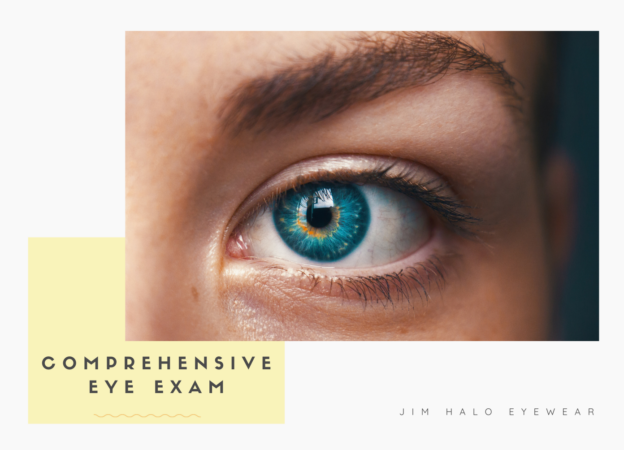
A comprehensive eye exam is like a comprehensive check-up for your eyes. Just as you visit a doctor for a regular physical examination to keep your body healthy, an eye exam is a similar check-up specifically focused on your eyes. During the exam, an eye care professional will thoroughly assess your eyes to determine their overall health and to detect any potential vision problems or eye conditions.
In this blog post, we will discuss what a comprehensive eye exam is, what it involves, and why it is important.
What is Comprehensive Eye Exam?
A comprehensive eye exam is a detailed evaluation of your eyes and vision performed by a trained eyes care specialist. It is a regular examination aimed at assessing the well-being of your eyes, identifying any vision issues, and detecting any underlying eye diseases or conditions. During this comprehensive examination, a wide range of tests and assessments are conducted to thoroughly evaluate your visual acuity, eye movement, eye pressure, and overall eye condition. It serves as a vital preventive measure to promote optimal eye health by catching any potential problems early on, enabling timely intervention and treatment.

What Does a Comprehensive Eye Exam Involve?
The comprehensive eye exam includes a thorough assessment of various structures within your eyes. It includes measuring your visual acuity (how well you can see), checking your eye movement and alignment, evaluating eye pressure, and examining the health of the various eye structures. These evaluations play a critical role in understanding the overall health of your eyes and enable the detection of any signs of eye diseases or conditions.
In some cases, the eye care professional may opt to dilate your eyes using specialized eye drops. This dilation widens the pupils, allowing for a more detailed examination of the internal structures, particularly the retina. This comprehensive evaluation provides valuable insights into your eye health.
It aims to provide a thorough assessment of your health, ensuring the detection of any potential issues. By performing these tests and evaluations, the exam aims to facilitate early intervention or treatment when necessary, promoting optimal eye health and well-being.

Why is a Comprehensive Eye Exam Important?
There are several important reasons why a comprehensive eye exam is essential:
-
Early Detection of Eye Diseases: By undergoing regular exams, you can proactively detect eye diseases in their early stages. This ensures timely and effective treatment. Moreover, it helps prevent the progression of vision deterioration.
-
Prevention of Blindness: Eye diseases like glaucoma and macular degeneration can lead to blindness if left untreated. A comprehensive exam can detect these diseases early, allowing for timely intervention and management to prevent vision loss.
-
Monitoring Eye Health: Routine comprehensive eye exams enable the continuous monitoring of your eye health. This is particularly crucial for individuals with a family history of eye diseases or other conditions that can impact the eyes. Regular examinations help identify any changes or potential risks, allowing for appropriate measures to be taken.
-
Prescription of Glasses or Contacts: If you require corrective eyewear, a comprehensive eye exam is vital. It determines whether you need glasses or contact lenses and provides accurate prescription details tailored to your specific vision needs. This ensures optimal visual clarity and comfort.
Conclusion:
Schedule a comprehensive eye exam if it’s been over a year since your last one. Prioritize your eye health by booking an appointment with your doctor.Take charge of your eye health by prioritizing regular eye exams. Address potential issues promptly and maintain optimal visual well-being. Remember, proactive care today can lead to clearer vision and healthier eyes tomorrow.