Author Archives: Xana

Can Prescription Sunglasses Also Be Polarized

Can Prescription Sunglasses Also Be Polarized?

Can Prescription Sunglasses Also Be Polarized

When it comes to glasses, there is a common misunderstanding. They believe that prescription sunglasses are inherently less able to incorporate advanced features commonly found in over-the-counter sunglasses. A classic example of this characteristic is polarization. It has always been a subject of great curiosity for individuals with vision correction needs. The question that often arises is: Can one truly enjoy the significant glare reduction benefits of polarized lenses while still meeting their unique optical requirements? Absolutely! In this comprehensive blog post, we begin exploring the world of cutting-edge optical technology. To illustrate how and why prescription sunglasses can be polarized to achieve the perfect combination of clear vision and protection from harmful glare.
Polarization technology works by filtering out horizontal light waves. These light waves can cause glare from reflective surfaces such as water, snow, or roads. This innovative process enhances visual clarity, contrast, and depth perception. Significantly reduces eye fatigue in bright conditions. Prescription sunglasses with polarized lenses integrate this technology seamlessly. Ensure corrective performance for nearsightedness, farsightedness, astigmatism, or other vision problems is not compromised in any way.
Prescription polarized sunglasses are becoming increasingly popular due to their dual functionality. They enable wearers to see outdoors, protecting them from the potential dangers caused by glare, which can obscure key details in their field of vision. This is especially beneficial for drivers, athletes, and those exposed to the sun for extended periods. Additionally, they protect the eyes from harmful UV radiation, a key consideration for long-term eye health.
Prescription polarized sunglasses provide a premium experience. Combine crystal clear vision tailored to individual needs with the enhanced visual comfort and safety provided by polarized light. For those who prioritize optimal vision and anti-glare, these glasses are an ideal addition to the modern eyewear segment.

Polarized Prescription Sunglasses: A Deep Dive into Their Inner Workings

The polarization process does not interfere with the inherent corrective properties of the lens. Every pair of polarized prescription sunglasses begins with a personalized journey in the hands of a skilled optician. They carefully craft each lens to fit your prescription. Ensure that the curvature, thickness, and diopter values are suitable for correcting myopia, hyperopia, astigmatism, multifocal, or any other prescribed visual condition. The polarizing layer is then carefully added to the front or back surface of the lens, working in harmony with the corrective elements. Reduce glare without compromising correction capabilities.
A query about whether prescription sunglasses can also be polarized was answered in the affirmative. In fact, very similar to over-the-counter sunglasses. Polarized prescription sunglasses harness the power of complex films or chemical filters carefully integrated into the lens matrix. This unique component is designed to selectively and effectively block those light waves that are primarily responsible for glare. Specifically, those light waves that oscillate horizontally when reflected from a flat surface such as water, sidewalk, or snow.
Essentially, polarized prescription sunglasses provide the wearer with the dual benefits of crystal clear vision correction and significant glare protection. This improves visual comfort and clarity during outdoor activities and reduces eye fatigue in bright, reflective environments.
Additionally, research shows that polarized lenses not only enhance vision in harsh lighting conditions but also help improve depth perception and color contrast. This makes them particularly beneficial for people who spend long periods outdoors. Especially athletes, drivers, or those in occupations that require prolonged exposure to sunlight or reflective surfaces. Polarized prescription sunglasses therefore demonstrate the synergy between optical technology and personalization, providing users with an unrivaled visual experience that both corrects and protects vision.

Can Prescription Sunglasses Also Be Polarized

Benefits of Polarized Prescription Sunglasses: An Exhaustive Overview

Unparalleled Vision Clarity: The Pinnacle of Optical Enhancement

Polarized lenses represent a quantum leap in optical technology, their inherent capacity to dramatically mitigate glare serves as the cornerstone for enhancing visual clarity and contrast. This unique property allows them to excel at illuminating the intricacies of your visual field under intense light conditions.
When you’re behind the wheel, polarized sunglasses act as an ally against the relentless assault of reflective glares from roads, windshields, or other vehicles, thereby reducing eye strain and significantly improving driving safety. They filter out horizontal light waves that cause blinding reflections, ensuring a clearer line of sight and quicker reaction times.
In the realm of outdoor sports, these specialized lenses play a pivotal role. From fishing where they allow anglers to peer through the water’s surface with uncanny depth perception to golfing where they help distinguish the subtle contours of the green, polarized sunglasses grant athletes an unparalleled edge in performance. Even during high-speed activities like cycling or skiing, they protect against snow glare and enhance visibility, enabling athletes to maintain focus on the path ahead.
Moreover, for leisurely pursuits such as beachcombing or hiking, polarized sunglasses offer a visual experience akin to seeing the world in high definition. They reveal vivid colors, crisp details, and textures that would otherwise be obscured by the harsh sunlight. By virtually eliminating glare bouncing off flat surfaces like water, sand, or pavement, they provide a more natural and comfortable viewing experience.
Thus, polarized sunglasses are not just a luxury but a necessity for anyone who values optimal vision under bright conditions. They embody the epitome of optical innovation, consistently delivering clear, unhindered sight that is both a testament to their technological prowess and a boon for those who seek to engage with the world around them without visual compromise.

Enhanced Comfort Through Optimized Polarization Technology

Prolonged exposure to strong, unfiltered sunlight can put a lot of stress on our visual systems. It often results in eye fatigue, discomfort, and even temporary visual impairment. The remarkable power of polarization technology lies in its ability to mitigate these harmful effects by fundamentally changing the way light interacts with our eyes.
Polarized lenses act as complex filters that selectively block specific types of light waves. Specifically, those light waves that scatter and reflect from flat surfaces such as water, snow, or pavement, cause glare. Not only does this glare cause physical discomfort, but it also forces our eyes to constantly adjust and read. Causing eye muscle strain and overexertion.
By polarizing to eliminate excessive glare, the glasses can provide a more comfortable viewing experience. Similar to providing shade to the eyes in the brightest conditions. This shielding effect keeps the eyes relaxed during extended outdoor activities. Thereby maintaining the ability to focus and maintain visual clarity without the usual symptoms of stress and fatigue.
In addition, polarized lenses help improve contrast perception, enhancing the depth and vibrancy of colors while reducing visual noise caused by scattered light. This improved vision allows you to perform better in a variety of outdoor activities. From driving to fishing, hiking, or just enjoying a day at the beach.
Essentially, polarization is a protective armor for our visual health. Ensuring that extended time spent in the sun does not compromise our comfort or long-term eye health. This promotes an overall more enjoyable and safer outdoor experience.

UV Radiation Shield: The Essential Protective Barrier in Premium Polarized Prescription Sunglasses

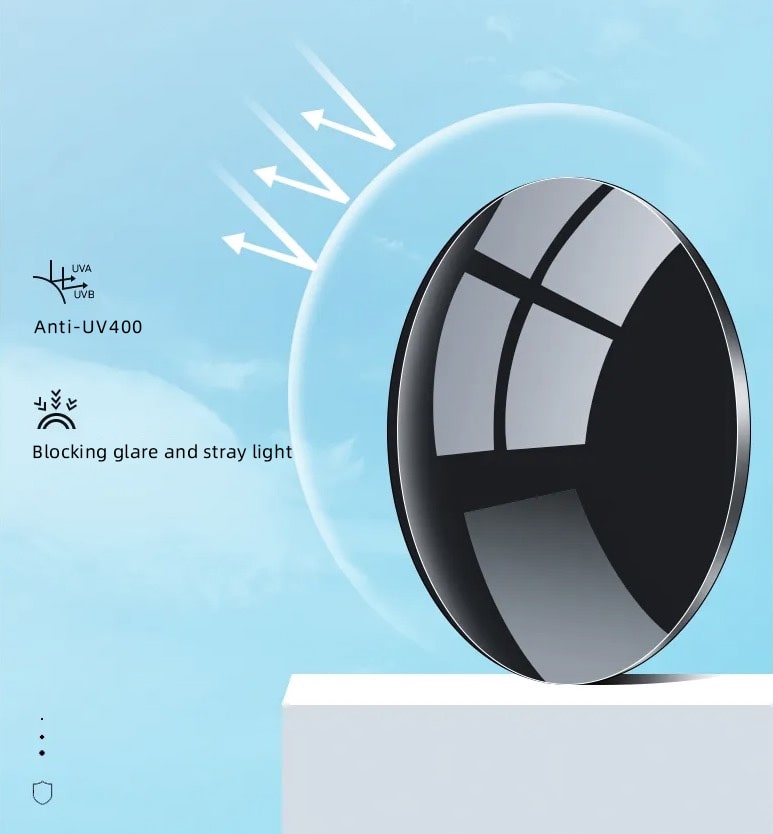
High-quality polarized prescription sunglasses often come with built-in shields. Provides complete protection against ultraviolet (UV) radiation. Provides your visual organs with an impenetrable barrier against the potential effects of UVA and UVB rays. Given the overwhelming body of scientific evidence linking long-term exposure to these high-energy wavelengths to a range of vision-threatening diseases. This key feature can be a vigilant guardian of eye health.
The sun’s invisible yet potent UV spectrum consists of two primary components – UVA and UVB. While UVA rays penetrate deeply into the eye’s structure, reaching the lens and retina, UVB rays primarily affect the front portion, including the cornea and the lens. Prolonged exposure to either can lead to cumulative damage over time, silently but surely compromising the integrity and functionality of the eyes.
Notably, cataracts, a leading cause of vision impairment globally, have been linked to extended UV exposure. These cloudy formations on the eye’s natural lens can gradually impair vision if left untreated. Similarly, age-related macular degeneration, a serious condition affecting the central part of the retina responsible for sharp, detailed vision, has also been associated with cumulative UV damage. Furthermore, photokeratitis, colloquially known as “snow blindness” or “sunburn of the eye,” is a painful, temporary condition caused by intense UV exposure that can result in corneal inflammation and even temporary vision loss.
Incorporating 100% UV protection in polarized prescription sunglasses is thus not merely an accessory choice, but a preventative healthcare measure. By blocking out harmful UV radiation, these glasses act as a robust line of defense, significantly reducing the risk of developing such ocular health issues. They ensure that while you enjoy the outdoors or engage in activities under the sun, your vision remains safeguarded from the detrimental impact of solar radiation.

Unparalleled Depth Perception for Aquatic Enthusiasts and Beyond

For those who indulge in water activities or simply enjoy water recreation. The adoption of polarized lenses takes their experience to an unprecedented level. This optical technology is specifically designed to solve the common challenge of reflected glare from water surfaces. This is a natural phenomenon that severely impedes visibility and depth perception.
When sunlight strikes the surface of the water, it scatters in multiple directions creating a veil of glare that obscures underwater objects and reduces clarity. Polarized lenses serve as a sophisticated filtration system, meticulously blocking these horizontally reflected light waves while allowing vertical light to pass through. This strategic filtering process effectively eliminates the blinding glare and reveals the intricate details lurking beneath the water’s surface.
The enhanced depth perception provided by polarized lenses is not only a boon to recreational divers seeking to explore marine life more acutely. It is also invaluable to anglers who rely on accurate visual cues to locate fish, underwater structures, and potential hazards. The ability to discern objects at different depths allows them to strategize more effectively, increasing their chances of success and enjoyment in their fishing activities.
Moreover, when it comes to safety, polarized sunglasses play a critical role in improving navigation on water bodies. Whether one is piloting a boat, engaging in water sports like kayaking or paddleboarding, or simply swimming, clear vision is paramount to avoid unseen obstacles and changes in water depth. By reducing eye strain and eliminating distractions caused by glare, they enable users to maintain better situational awareness, thereby mitigating risks associated with accidents or misjudgments. In conclusion, polarized lenses transcend mere fashion accessories; they are indispensable tools that empower enthusiasts and professionals alike to unlock the full potential of their aquatic adventures, ensuring both optimized performance and enhanced safety.

Greatly Improve Road Visibility and Safety

When we drive, ride, or operate heavy machinery. Wearing polarized prescription sunglasses can significantly reduce the glare of glare from wet roads, reflective buildings, or other vehicles. This optical property plays a vital role in improving visual clarity. Its principle is based on the precise filtering and arrangement of irregular reflected light using polarization technology. Make the line of sight more real, three-dimensional, and free of clutter and glare.
Experimental evidence shows that polarized lenses can effectively reduce scattered light by up to 99%. This enhances contrast and depth perception, helping drivers identify road conditions faster. For example, the road surface is slippery after rain, the road surface is oily, etc. Or the outline of distant objects. The visual effect is guaranteed to be stable even under strong sunlight. In addition, for cyclists, polarized glasses can help relieve eye fatigue caused by long-term exposure to strong light, improve reaction speed, and further ensure the safety of outdoor activities.
Therefore, whether you are traveling in a busy urban traffic environment or on an empty road. Wearing polarized prescription sunglasses is undoubtedly a wise choice to enhance road safety and prevent traffic accidents. They are based on scientific optical principles and humanized design. Continuously helping users enjoy clear vision in various outdoor activities. Their safety is also fully guaranteed.

Enhanced Color Perception and Contrast: An Unparalleled Visual Experience

Polarized lenses, in addition to their glare-reducing capabilities, play a pivotal role in augmenting color perception and contrast. This sophisticated technology filters out the scattered light waves that often distort the true vibrancy of colors, thereby allowing wearers to experience a world with richer hues and heightened depth. The result is an unparalleled visual spectacle where colors appear more vivid, saturated, and true-to-life.
The polarization effect serves as a lens through which nature’s palette comes alive with unprecedented clarity. For instance, on a bright day at the beach or while driving under intense sunlight, non-polarized lenses can lead to a bleaching effect, muting the vibrant blues of the ocean or diminishing the crispness of road markings. However, polarized lenses effectively mitigate this issue by eliminating reflected glare, revealing the subtleties and nuances of these colors that would otherwise remain unseen.
This enhanced color differentiation not only improves the aesthetics of the surrounding environment. And helps improve visual acuity and safety. It can detect potential hazards more accurately. Examples include wet patches on the road or camouflaged obstacles in outdoor environments. Therefore, using polarized lenses is not only a luxury; It’s a science-backed enhancement that optimizes visual performance and enriches the way we perceive and interact with our environment.
In conclusion, the advanced properties of polarized lenses significantly upgrade the visual experience, transcending mere sight correction to deliver a clearer, more vivid, and ultimately more authentic representation of the world around us. This remarkable enhancement is particularly beneficial for those who spend extended periods outdoors or engage in activities that demand sharp visual discernment, making polarized lenses a valuable tool for both aesthetic appreciation and practical functionality.

Long-Term Eye Health: An In-depth Perspective

The profound and long-lasting benefits of polarized prescription sunglasses extend beyond temporary comfort and convenience. Delving into the field of eye health. These specialized glasses play a key role in protecting the eyes from glare and the harmful effects of harmful ultraviolet (UV) radiation. These are common environmental hazards that are known to quietly erode the quality of vision over time.
Polarization technology effectively minimizes the glare caused by reflected light, reducing eye strain and fatigue that could lead to long-term visual impairment. This not only ensures immediate relief for those spending extended periods outdoors but also mitigates against potential cumulative damage inflicted on the retina, cornea, and other delicate structures within the eye.
Moreover, the inclusion of UV protection is an indispensable feature of these sunglasses. Prolonged exposure to UVA and UVB rays has been medically linked to a host of serious eye conditions such as cataracts, pterygium, and even macular degeneration – leading causes of age-related vision loss worldwide. Polarized prescription sunglasses with 100% UV blocking capacity act as a shield, deflecting these invisible yet powerful wavelengths, thereby potentially halting or slowing down the progression of such vision-threatening diseases.
In essence, incorporating polarized prescription sunglasses into one’s daily eyewear routine is tantamount to investing in long-term eye health. They serve as a preventive measure, fostering healthy vision and potentially forestalling the onset of vision decline associated with aging. Thus, they contribute significantly to overall optical well-being, allowing individuals to maintain clear, crisp vision and enjoy a lifetime of visual acuity and comfort.

Unmatched Style and Versatility

The contemporary optical market presents an extensive collection of polarized prescription sunglasses that embody a myriad of styles, shapes, and materials, catering to the diverse preferences and dynamic lifestyles of today’s consumers. This broad spectrum of choices ensures that there is a perfect match for every individual’s unique taste and requirements, whether they seek a classic aviator design, a retro round frame, or a sporty wraparound style.
We meticulously design and engineer polarized prescription sunglasses not only to ensure optimal visual clarity but also with a keen focus on aesthetics. We craft these glasses from high-quality materials such as lightweight titanium, durable acetate, or flexible nylon, thereby delivering both durability and comfort to the wearer. These frames come in a kaleidoscope of colors, patterns, and finishes, allowing wearers to express their flair while enjoying the advanced benefits of polarization technology.
Moreover, these glasses offer innovative features like interchangeable lens systems which enable users to switch lenses according to varying light conditions, thereby enhancing versatility. This means that one pair of sunglasses can serve multiple purposes – from driving on bright, sunny days to participating in outdoor sports under overcast skies. Adjustable frames ensure a secure and customized fit, accommodating different face shapes and sizes, thus maximizing wearer satisfaction and comfort.
Customization options further elevate the appeal of polarized prescription sunglasses. Users have the freedom to choose their preferred lens color, coatings (such as anti-reflective or scratch-resistant), and even add-ons like clip-on shades or magnetic snap-on lenses. This level of customization reflects a harmonious blend of form and function, where fashion meets practicality.
Polarized prescription sunglasses demonstrate the eyewear manufacturer’s commitment to providing solutions that meet the dual needs of eye health and personal expression, making them a must-have accessory for those who value both vision protection and unique style.

Conclusion

The advent and subsequent advancement of modern optical technology have undeniably profoundly reshaped the eyewear industry. The seamless integration of polarization with prescription lenses epitomizes this transformation, as it is a development that has actively elevated sunglasses from being mere corrective devices to becoming sophisticated tools. This innovative fusion embodies the harmonious union of scientific advancement and fashion-forward design.
Polarized prescription sunglasses are not merely an instrument for rectifying vision impairments. The polarizing film embedded within these lenses operates on the principle of blocking horizontal light waves, effectively eliminating glare from reflective surfaces such as water, snow, or roadways. This feature significantly reduces eye strain and discomfort, especially during prolonged exposure to bright sunlight, offering wearers an unparalleled visual experience.
Moreover, this ingenious technology doesn’t just mitigate glare but also enhances visual acuity. Allowing only vertical light waves to pass through sharpens contrast and depth perception, enabling users to perceive their surroundings with greater clarity and precision. For instance, when wearing these sunglasses, drivers actively spot potential hazards more readily, anglers effectively discern underwater structures and fish movements better, and outdoor enthusiasts can enjoy vivid colors and details unhindered by blinding reflections.
The benefits extend beyond practicality to encompass health considerations as well. The reduction of glare helps prevent squinting, a common response to intense light which over time can lead to premature aging around the eyes or even headaches. Therefore, polarized prescription sunglasses serve as a preventive measure against short-term and long-term eye health issues related to excessive glare exposure.
Today’s optical technology ensures that the addition of polarization does not compromise the appearance or thickness of the lens. Sleek designs, diverse frame styles, and a variety of tint options cater to individual preferences while maintaining the highest performance standards.
How to Remove Scratches from Glasses

How to Remove Scratches from Glasses – A Comprehensive Guide

How to Remove Scratches from Glasses

Introduction

Scratches on your glasses can be a real bother, marring the clear view and possibly denting your fashion appeal. We, as an esteemed eyewear retailer, deeply empathize with the annoyance you face when your lenses get scratched. While numerous DIY fixes and tricks abound for tackling superficial scratches, this blog post is designed to walk you through these solutions step-by-step.
Firstly, we’ll discuss simple home remedies that might help diminish minor scratches. These include using toothpaste or baking soda as gentle abrasives, or even specialized lens polishing kits available in stores. However, it’s crucial to note that these methods are not always foolproof and may not work on deep or severe scratches.
Secondly, proper maintenance plays a pivotal role in preventing scratches. Always store glasses in a hard case when not in use, clean them with a microfiber cloth, and avoid wiping lenses when they’re dry or using paper towels. Remember, prevention is better than cure!
Lastly, while minor scratch fixes can extend the life of your glasses, timely replacement is essential for maintaining optimal vision health. Deep or widespread scratches can distort your vision, leading to eye strain and headaches. Moreover, they could compromise the integrity of anti-reflective or other coatings on your lenses.
In conclusion, though there are temporary measures for managing scratches at home, it’s important to regularly inspect your glasses and consult with an optician if scratches persist. Your eyes deserve the best care, and sometimes, that means replacing scratched lenses promptly to ensure clear, comfortable, and safe vision.
Remember, taking good care of your glasses isn’t just about style; it’s a vital part of maintaining healthy eyesight. Stay vigilant with upkeep and be ready to replace your lenses when needed – your eyes will thank you!

Understanding Glass Scratches

It’s crucial to understand that not all scratches can be fully erased. Home remedies might work wonders on superficial, light scratches, but they’re typically powerless against deeper, more stubborn damage. These deep scratches often necessitate the expertise of an optician or a professional lens repair service.
Home treatments, like toothpaste or baking soda methods, are mild abrasives and may smooth out minor scratches. However, they should be approached with care. If incorrectly applied or used on severe scratches, these DIY solutions could potentially cause further damage to your lenses by either scratching them more deeply or removing special coatings.
Furthermore, certain types of lenses, such as those with high-index materials or specialized coatings like anti-reflective or scratch-resistant coatings, require even more delicate handling. Scratches on these lenses might not respond well to home remedies and could deteriorate with improper treatment.
Therefore, when faced with significant scratches, it’s best to err on the side of caution and avoid experimenting with home remedies. Instead, consult with an eye care professional who can assess the extent of the damage and recommend appropriate actions. This might involve buffing the lens, applying a new coating, or replacing the scratched lens entirely.
In summary, while surface-level scratches may yield simple home fixes, deep or complex scratches demand expert intervention. Trying to fix severe scratches without proper knowledge or tools could exacerbate the issue, so always exercise caution and seek professional help when needed. Remember, the health and clarity of your vision are priceless, and taking good care of your glasses is part of this commitment.

Is Wearing Scratched Glasses Bad?

Wearing glasses with scratches can lead to more than just a blurred view. The visual distortions caused by these imperfections strain your eyes, making them work harder to see clearly. Over time, this persistent eye exertion may result in fatigue and discomfort, commonly known as eye strain.
Eye strain from scratched glasses often manifests as soreness around the eyes, difficulty focusing, and even dryness or watery eyes. Prolonged exposure to such conditions can escalate into headaches, particularly tension headaches that feel like a band squeezing around your head. These headaches are not only painful but also impact your daily activities and overall quality of life.
Moreover, ignoring scratched lenses might cause you to squint frequently, which over time can lead to unnecessary muscle tension around the eyes and contribute to the development of wrinkles – an unwelcome cosmetic side effect.
In addition, deep or widespread scratches can interfere with specialized coatings on your lenses, such as anti-reflective or UV protection coatings. This means that while you might still be wearing glasses, they could be doing less to protect your eyes from glare or harmful radiation.
Therefore, it’s vital to promptly address any scratches on your eyeglasses. Regular inspections and timely repairs or replacements will ensure your vision remains crisp and your eyes stay healthy. Remember, clear vision is directly linked to eye health, so taking care of your glasses is an essential part of maintaining good ocular well-being.

Step-by-Step Process

1. Cleaning the Lenses

● Materials:* Microfiber cloth, mild soap, lukewarm water
To prepare your glasses for scratch repair or maintenance, you’ll need a microfiber cloth and some mild soap. Mix a small dab of soap with lukewarm water to create a gentle cleaning solution. Dip the cloth in this mixture and softly clean each lens in circular motions, ensuring all dirt and debris are lifted away. Thorough rinsing under clean water is essential to eliminate soap residue. Then, use a dry part of the microfiber cloth to pat the lenses dry without rubbing. This preliminary cleaning step is crucial as it prevents particles from further scratching the surface during any subsequent treatment.

2. Baking Soda and Water Paste

● Materials:* Baking soda, water, cotton swab or soft cloth
For dealing with shallow scratches, make a paste by combining baking soda and water until it’s thick enough to spread. Using a cotton swab or soft cloth, apply this paste directly onto the scratched sections of your lens. Gently massage in circles for about 60 seconds, allowing the paste to seep into the scratch grooves.
After the rubbing process, carefully wipe off the baking soda paste using a clean, damp cloth. To remove any residue and restore cleanliness, wash the lens again with soapy water as described earlier. Finally, dry the lens thoroughly with a microfiber cloth. This method works sometimes because the abrasive nature of baking soda can help fill and level out minor scratches on the glass surface. While not always perfect, it’s a simple home remedy that might improve visibility for minor imperfections.

3. Toothpaste Trick

● Materials:* Non-abrasive toothpaste, cotton swab or soft cloth
For minor lens scratches, use a non-gel, non-abrasive toothpaste. Whitening toothpastes typically have mild abrasives that can help. Apply a small dab of toothpaste to the scratch and massage it gently in circular motions for about 2-3 minutes. This action allows the toothpaste’s gentle abrasives to potentially fill and smooth over superficial scratches.
After rubbing, remove the toothpaste residue with a damp cloth, making sure not to apply too much pressure. Finally, dry the lens thoroughly with a clean, dry microfiber cloth to restore shine and clarity. Although this method may not erase deep scratches, it can be effective at improving visibility on lightly scratched lenses by diminishing their appearance.

4. Commercial Lens Repair Kits

● Materials:* Scratch removal kit
When home methods prove ineffective, opt for commercial lens repair kits. These kits are specifically formulated to tackle scratches on eyeglass lenses and often include specialized polishing compounds and cloths. They’re designed to be safe for use on optical materials without causing additional harm.
To use the kit successfully, read and adhere strictly to the manufacturer’s instructions. The process usually involves applying the compound to the scratched area, gently rubbing it in, and then cleaning off any residue with a provided cloth or following their recommended method. By using these professional-grade products correctly, you can potentially remove deeper scratches or significantly reduce their visibility, improving your glasses’ clarity and lifespan. However, note that while these kits are effective for many cases, they may not restore severely damaged lenses to their original condition.

5. Professional Assistance

When home remedies and repair kits fail to eliminate scratches, seek help from a professional optician or eyeglass repair service. They possess advanced technology and specialized techniques for effectively buffing out deep scratches. Their expertise allows them to determine if the lenses can be restored or need replacement. If necessary, they’ll replace the lenses entirely, ensuring your glasses are as good as new. Moreover, they can advise on choosing the right lens type with your prescription, coatings, and materials to guarantee clear vision and durability. Trust their skills when dealing with persistent scratch issues on your eyewear.

The Limitations of Home Repairs

Remember, while these DIY solutions can be helpful, they may not always guarantee complete scratch removal. It’s essential to exercise care and patience throughout the process to avoid inadvertently damaging your lenses further. If in doubt, seek professional advice.
Although you might be able to diminish or hide minor scratches on your glasses using DIY methods, the best approach is prevention. Always store your eyeglasses in a protective case when not in use, which acts as a barrier against accidental scratches. Regular cleaning with a microfiber cloth and appropriate lens cleaner helps maintain their clarity and minimizes the risk of abrasive particles causing scratches.
Avoid wiping your lenses with rough fabrics like paper towels or tissues, as they can easily scratch the surface. Instead, use soft clothes designed for glasses, and handle them gently. Remember to rinse off any debris before wiping to prevent it from grinding into the lens during cleaning.
For deep scratches that seem unyielding to home remedies, professional intervention is crucial. Opticians have specialized tools and techniques that can effectively deal with such damage while preserving the integrity of your lenses. This ensures both the longevity and visual quality of your eyewear.
DIY solutions are helpful in some instances but may not always guarantee the total removal of scratches. It’s essential to exercise caution and patience throughout the process. Rushing or applying too much pressure could exacerbate the problem instead of solving it. If you’re uncertain about how to proceed or if the scratches seem severe, don’t hesitate to consult an expert. They will assess the situation accurately and provide the right solution to restore your glasses’ pristine condition.
In summary, prioritizing preventive measures and knowing when to seek professional help is key to keeping your glasses free from scratches. While simple at-home fixes can be useful, they’re no substitute for the expertise and precision of a trained professional. Treat your glasses with care and respect, and they’ll serve you well in maintaining clear vision.

Tips for Preventing Scratched Glasses

To keep your glasses scratch-free, start by being mindful of where you place them. Never leave your glasses face down on hard surfaces like desks or countertops as this invites scratches from dust, debris, or even the surface itself.
When not in use, always store your glasses in a protective case. This shields them from accidental drops, bumps, and contact with abrasive materials that could damage lenses or frames. A hard-shell case is ideal, but even a soft pouch is better than leaving them exposed.
Cleaning your glasses regularly is another essential practice. Use only a microfiber cloth designed for cleaning eyewear and pair it with a gentle cleaner specifically made for lenses. Avoid using paper towels, tissues, or rough cloths which can scratch the lens coatings. Remember to rinse thoroughly before wiping to remove any loose particles that might cause scratches during the cleaning process.
Lastly, make it a habit to inspect and maintain your eyewear’s condition regularly. Check for any signs of wear and tear, including fine scratches that may impair vision over time. Keep an eye out for loose screws, bent frames, or damaged nose pads that can affect how your glasses sit on your face, causing undue pressure and potentially leading to lens scratches.
By following these simple tips consistently, you significantly reduce the likelihood of getting scratched glasses, ensuring clearer vision and prolonging the life of your precious eyewear. Regular care and attention will help preserve their quality, saving you the inconvenience and expense of frequent replacements.

The Importance of Proper Eyewear Maintenance

The maintenance of your eyewear is critical to ensure it remains in excellent condition and performs its function effectively. Regular cleaning plays a pivotal role; use a mild cleaner and microfiber cloth to wipe away dirt and grit daily. This simple practice helps prevent the abrasive particles that often cause scratches on lenses.
Storing glasses correctly is equally important. Always keep them in a sturdy hard case when you’re not wearing them. This shields your eyewear from accidental drops, bumps, and contact with rough surfaces that could lead to scratches or bent frames.
Investing in lenses treated with anti-scratch coatings is a wise choice for long-term protection. These special coatings form an invisible barrier on the lens surface, reducing the likelihood of scratches developing during normal use and handling.
Regular visits to your optician are also part of proper eyewear care. They can inspect your glasses for any signs of damage, including scratches, and make necessary adjustments to ensure optimal fit and comfort. Opticians may also advise on the latest protective coatings or lens materials suitable for your lifestyle.
Lastly, we understand that despite best efforts, scratches can still occur. That’s why our store offers a 365-day warranty. If your lenses become scratched, swapping them out for new ones is both easy and cost-effective, allowing you to maintain clear vision without breaking the bank. This commitment to customer satisfaction ensures your eyewear remains top-notch and functional throughout its lifespan.

Conclusion

Indeed, minor scratches on glasses can sometimes be fixed with home remedies, but the ultimate goal is to prevent them altogether. Regular upkeep and proper handling of your eyewear are key in this regard. Learning about effective cleaning methods, using protective cases, and opting for lenses with anti-scratch coatings all contribute significantly to reducing the risk of damage.
When you take good care of your glasses, not only does it enhance your visual experience by ensuring clear vision through unblemished lenses, but it also extends the lifespan of your eyewear. This means less frequent replacements and more value from your investment.
Scratched lenses, despite best efforts, may still occur over time. In such situations, recognizing when to replace them is crucial. Deep or widespread scratches can impair vision and cause eye strain, headaches, or even affect depth perception. Seeking professional advice can help determine if a repair is possible or if new lenses are necessary.
At every stage, from selecting the perfect pair of glasses to maintaining their quality, we’re here to provide guidance and support. Our expertise covers everything from lens materials and coatings to care instructions and replacement policies. We believe that taking care of your glasses should be as meticulous as choosing them, so don’t hesitate to reach out whenever you need assistance.
In summary, while quick fixes for minor scratches are useful, prioritizing prevention through regular maintenance and timely replacement ensures optimal performance of your eyewear. Remember, our commitment goes beyond just helping you find the right glasses; it also encompasses equipping you with knowledge and resources to keep them in top condition throughout their use.

Are Blue Light Blocking Glasses Worth It

Are Blue Light Blocking Glasses Worth It?

Are Blue Light Blocking Glasses Worth It

Introduction

In the digital era, screens are omnipresent. Smartphones, tablets, computers, and TVs all emit blue light, a part of the high-energy visible (HEV) spectrum. This constant exposure has sparked concerns over its potential harm to our eyesight and overall health. Blue light can disrupt sleep patterns by suppressing melatonin production, contribute to digital eye strain, and in the long run, may even increase the risk of certain eye conditions like cataracts and age-related macular degeneration.
Research suggests that blue light blockers can indeed help alleviate symptoms associated with excessive screen time. They reduce glare, decrease eye fatigue, and potentially improve sleep quality for those who use screens late into the night. For individuals working extended hours in front of screens or experiencing insomnia due to blue light exposure, such glasses could provide relief.
However, the effectiveness varies based on factors like lens quality, the amount of blue light filtered, and individual sensitivity. While some studies support their benefits, others argue that more research is needed to fully understand their role in preventing long-term eye damage.
It’s also crucial to adopt other eye-friendly habits alongside using blue light blocking glasses. Regular breaks from screens, adjusting screen brightness, using screen filters, and maintaining proper posture while viewing devices all play a part in protecting your eyes.
In conclusion, blue light blocking glasses might be a worthwhile investment, particularly for heavy screen users or those sensitive to blue light. Nevertheless, they should not be seen as a complete solution but rather an adjunct to a broader set of healthy digital habits. Consulting an eye care professional can provide personalized advice on whether blue light blocking glasses suit your specific needs and lifestyle.

What is Blue Light Radiation

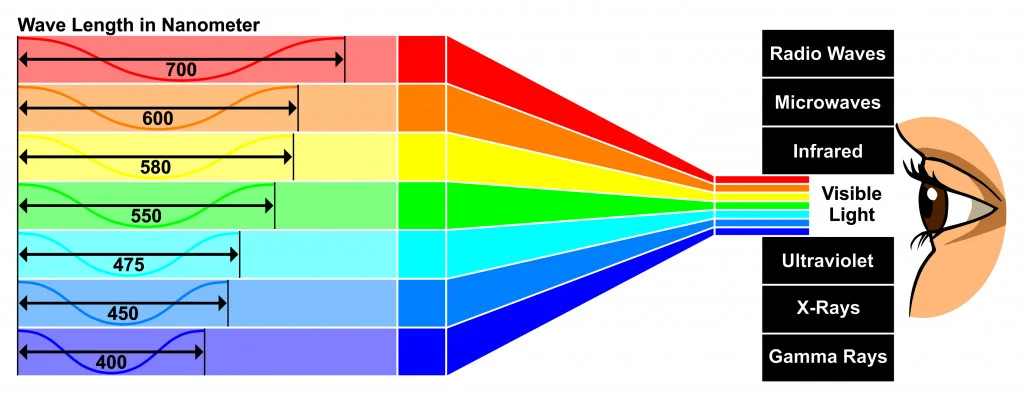
Blue light is a part of visible light, with shorter wavelengths and more energy. It’s emitted by everyday sources like screens on digital devices, LED lighting, and the sun itself. This type of light plays an essential role in our body’s clock system.
During daytime hours, exposure to blue light helps regulate our sleep-wake cycle. When sunlight hits our eyes, it triggers signals that keep us awake and alert. This is because blue light suppresses melatonin production, a hormone associated with sleep onset.
However, there’s a downside. Overexposure, especially from artificial sources at night, can throw off our internal clock, known as our circadian rhythm. The prolonged use of electronic gadgets late into the evening mimics daylight, confusing the brain and delaying the natural release of melatonin. As a result, we may experience difficulty falling asleep or maintaining quality rest.
Moreover, extended screen time increases the risk of digital eye strain. Blue light scatters easily, making it harder for our eyes to focus. Prolonged focusing efforts can lead to dryness, blurry vision, headaches, and discomfort around the eyes, collectively called Computer Vision Syndrome (CVS).
In summary, while blue light is necessary for maintaining healthy wake cycles during the day, excessive exposure, particularly from screens at night, disrupts sleep patterns and contributes to eye strain issues. To minimize these effects, consider limiting screen time before bed, using blue light filters, or adjusting device settings to reduce blue light emission in the evening.

VisibleLight

The Hazards of Blue Light

Prolonged exposure to blue light is a growing concern for health, especially eye health. This high-energy light can deeply penetrate the eyes and over time, might harm the retina, the light-sensitive layer at the back of the eye. The prolonged bombardment of blue light on retinal cells could lead to cumulative damage.
Digital eye strain, often called computer vision syndrome, is a common effect of extended screen time under blue light. It results in symptoms like sore, tired eyes, difficulty focusing, and even double vision. Moreover, headaches are another frequent complaint due to strained eye muscles from trying to adjust to the intense glare and flicker of digital screens emitting blue light.
Disrupted sleep patterns are another significant issue linked with blue light exposure, particularly at night. Blue light suppresses melatonin production, a hormone that regulates our sleep-wake cycle. Without adequate melatonin, falling asleep becomes harder, and the quality of rest may decline, leading to fatigue and other related health problems.
Furthermore, there’s evidence suggesting that chronic blue light exposure might contribute to age-related macular degeneration (AMD). AMD gradually destroys central vision, making it difficult to see fine details or read. Research indicates that blue light exposure might accelerate the formation of toxic molecules in the retina, thereby increasing the risk of developing this sight-threatening condition.
In summary, long-term exposure to blue light isn’t just about temporary discomfort; it poses potential risks to our long-term eye health, including the possibility of irreversible vision loss through conditions such as AMD. To mitigate these effects, experts recommend limiting screen time, using blue light filtering glasses, adjusting screen brightness and color temperature settings, and maintaining a consistent bedtime routine without electronic devices.

The Purpose of Blue Light Blocking Glasses

Blue light blocking glasses are a specialized eyewear solution designed to shield the eyes from harmful blue light emissions. These glasses have lenses with a special coating that either filters or absorbs blue light wavelengths, effectively diminishing the amount that reaches your eyes. The primary purpose of these glasses is to combat digital eye strain – a condition often experienced by those who spend extended periods looking at screens.
When worn during screen time, blue light blocking glasses can significantly reduce visual fatigue. They help minimize the symptoms like dryness, irritation, and blurry vision that typically accompany prolonged exposure to electronic devices. By cutting down on glare and easing focusing efforts, they enhance overall visual comfort.
Moreover, wearing blue light-filtering glasses in the evening can aid in maintaining a healthy sleep cycle. Since they prevent excessive blue light from disrupting melatonin production, users may find it easier to fall asleep and achieve better quality rest. This is particularly beneficial for individuals who work late hours or engage in nighttime screen activities.
Furthermore, while more research is needed, using blue light blocking glasses might also contribute to long-term eye health protection. By minimizing daily exposure to potentially retina-damaging blue light, these glasses could play a role in preventing age-related macular degeneration and other sight-threatening conditions.
In conclusion, blue light blocking glasses offer an effective and practical way to alleviate the discomforts associated with prolonged screen viewing. They not only improve immediate visual comfort but also support healthier sleep patterns and may provide additional layers of defense against potential long-term eye health issues. With their increasing popularity and availability, they’ve become a go-to accessory for anyone concerned about the impacts of modern technology on their vision and well-being.

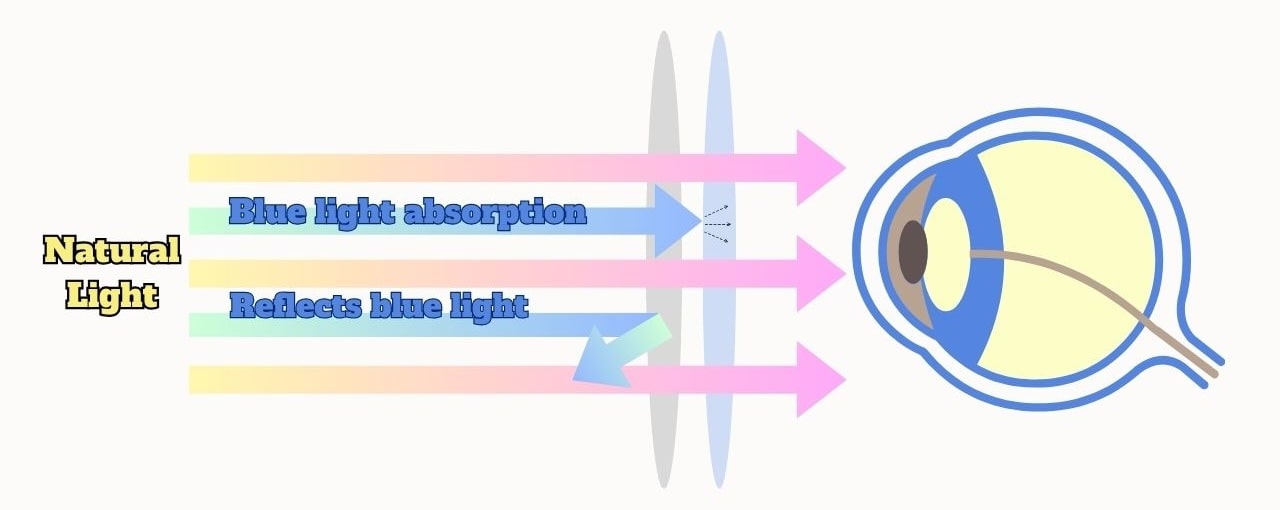
Anti blue light lenses

Photo Caption

There are 2 main types of anti-blue light glasses on the market:
1. Anti-blue light coating, apply an anti-blue light coating on the surface of the lens, which actively reflects harmful blue light.
2. Anti-blue light substrate, which absorbs and blocks harmful blue light by adding anti-blue light factor to the lens substrate.

Scientific Evidence

While there’s evidence pointing to blue light’s impact on sleep and eye strain, the scientific consensus on blue light blocking glasses’ effectiveness is not yet definitive. Some research has indeed shown that wearing these glasses can enhance sleep quality, with participants experiencing less disruption to their circadian rhythm due to reduced exposure to blue light before bedtime. However, other studies have reported marginal improvements or results that are inconclusive, suggesting more investigation is needed.
Some experts point out that sunlight, which contains a significant amount of blue light, plays an essential role in regulating our wake-sleep cycle. Yet, it’s prolonged exposure to artificial sources of blue light, particularly at night, that seems to be problematic.
Regarding digital eye strain, while blue light blocking glasses may offer relief, they aren’t universally hailed as the sole solution. The 20/20/20 rule—a popular recommendation among optometrists—encourages taking breaks every 20 minutes to view something 20 feet away for 20 seconds. This practice helps the eyes relax and reduces focusing fatigue by shifting the gaze from near to far distances.
Moreover, adjusting screen brightness and using nighttime modes on devices can also mitigate blue light emissions without needing specialized eyewear. These adjustments aim to reduce the contrast between the screen and ambient light, thus easing visual stress during extended screen time.
In conclusion, although blue light blocking glasses could potentially alleviate certain symptoms related to excessive screen use, the extent of their benefits remains a topic of ongoing research. Other preventive measures, such as proper workplace ergonomics, regular breaks, and adjusting screen settings, should not be overlooked when combating digital eye strain and promoting healthy sleep habits. Future research will likely provide a clearer picture of the role that blue light blocking glasses play in our increasingly screen-dominated lives.

How Do Blue Light Blocking Glasses Work?

Blue light blocking glasses are designed with lenses that contain a special coating to filter out or absorb blue light waves. These lenses can vary in color, appearing yellow, amber, or clear, based on the intensity of blue light they block. The way they work is straightforward: when blue light hits these lenses, it encounters a barrier. The specific wavelengths within the blue light spectrum either bounce off the lens surface or get absorbed by the filtering material.
This process effectively diminishes the amount of blue light passing through and reaching your eyes. Blue light, especially from digital screens, can overstimulate the retina, causing discomfort and strain over extended periods. By reducing exposure, the glasses aim to alleviate eye fatigue, which includes symptoms like dryness, irritation, and blurred vision.
Moreover, they help maintain visual clarity since excessive blue light can disrupt focus and reduce contrast sensitivity. For those who spend long hours looking at screens, blue light blockers may improve visual comfort during prolonged screen time.
In terms of sleep quality, blue light suppresses melatonin production, a hormone essential for regulating sleep-wake cycles. Filtering this type of light allows melatonin levels to remain more consistent, promoting better sleep habits and potentially improving overall sleep quality. Thus, wearing blue light blocking glasses, especially before bedtime, can contribute to healthier sleep patterns by minimizing disruptions to the body’s natural rhythms.
However, while these glasses have potential benefits, their effectiveness varies. Some studies show significant improvements in sleep and eye health, while others suggest that the impact might be minimal. Therefore, using blue light blocking glasses should be combined with other healthy habits such as following the 20/20/20 rule, adjusting screen brightness, and maintaining a consistent sleep schedule to achieve optimal results.

Are Blue Light Blocking Glasses Worth It

Who May Benefit Most?

Individuals who engage in prolonged screen time, especially during late hours, often experience digital eye strain and disrupted sleep. Blue light blocking glasses may provide relief for these symptoms by cutting down on the amount of harmful blue light that reaches their eyes. This is particularly beneficial for those with jobs or hobbies that demand extended computer or device use.
Nighttime exposure to screens can suppress melatonin production, a hormone crucial for regulating sleep. By wearing blue light-filtering glasses, users may see an improvement in their ability to fall asleep and achieve deeper, more restful sleep cycles. This could be transformative for individuals grappling with insomnia or other sleep disorders.
Moreover, people with light sensitivity might find solace in using these glasses. They reduce glare and discomfort caused by bright screens, making screen viewing more comfortable and less straining. Those suffering from photophobia due to medical conditions like migraines, dry eyes, or eye surgeries can find blue light blockers to be a helpful tool in managing their condition.
Individuals diagnosed with age-related macular degeneration (AMD), a condition affecting central vision, could also benefit. Research suggests that excessive blue light exposure might contribute to AMD progression. Hence, wearing blue light blocking glasses can serve as a preventive measure to protect their remaining vision and potentially slow down the disease’s advancement.
However, it’s essential to note that while these glasses have potential benefits, they are not a one-size-fits-all solution. Users should consult with eye care professionals to determine if blue light blocking glasses are appropriate for their specific needs, considering factors such as the individual’s lifestyle, work habits, and any pre-existing eye conditions. Combining the use of these glasses with good lighting practices, regular breaks, and proper screen setup can further enhance their effectiveness in promoting eye health and sleep quality.

Tips for Wearing Blue Light Blocking Glasses

To maximize the benefits of blue light blocking glasses, here are some key tips to consider:

Invest in a pair with superior lenses

When shopping for blue light blocking glasses, it’s essential to invest in a pair with top-notch lenses. Seek out glasses that feature advanced filters explicitly engineered to efficiently block or absorb blue light. These lenses should be backed by certifications ensuring they effectively minimize exposure to harmful wavelengths without compromising the authenticity of colors or visual clarity.
Look for glasses with lenses that not only shield your eyes from excessive blue light but also maintain true color perception and sharpness. Quality lenses are critical as they ensure that while protecting you from potential eye strain and sleep disruption, they don’t interfere with daily tasks that require accurate color vision, such as graphic design or color-sensitive work. Therefore, always verify the lens quality before purchasing blue light blocking glasses to guarantee optimal eye protection without any trade-offs.

Wear consistently during screen activities

To maximize the benefits of blue light blocking glasses, make it a routine to wear them during prolonged exposure to screens. This means slipping them on for extended computer work, long hours of gaming, or when binge-watching your favorite shows. The key is consistency; by wearing them regularly during these activities, you ensure continuous protection against the constant emission of blue light from digital devices.
Remember, every time you’re in front of a screen for an extended period, the glasses act as a shield, potentially reducing eye fatigue and strain. They could also help maintain a healthy sleep cycle by limiting your exposure to wavelengths that can disrupt melatonin production. Therefore, always have your blue light glasses within reach and make wearing them a part of your daily digital habits.

Proper fit is crucial

Proper fit is crucial when using blue light blocking glasses. They should fit snugly and comfortably to avoid causing any extra strain on your eyes. Glasses that consistently slide down your nose or create a pinching sensation not only lead to discomfort but also exacerbate eye fatigue instead of relieving it.
To ensure maximum comfort, choose glasses with adjustable temple arms or nose pads so you can customize the fit. A well-fitting pair will stay in place without applying undue pressure, allowing you to focus on your screen time without distraction. Moreover, remember that ill-fitting glasses may cause you to squint or adjust them frequently, which can further stress your eyes and defeat the purpose of wearing blue light protection. Therefore, prioritize finding glasses that fit just right for effective and comfortable use.

Combine usage with other eye-care practices

While blue light glasses provide significant relief, it’s essential to integrate other eye-friendly practices too. One such habit is the 20/20/20 rule: every 20 minutes, look away from your screen and focus on an object 20 feet away for 20 seconds. This helps reduce visual fatigue by giving your eyes a break from constant screen focus.
Also, remember to adjust your screen brightness according to your surroundings. In dimly lit areas, lower the brightness to prevent overexposure to light which can strain your eyes. Conversely, in bright spaces, increase the brightness so that you don’t squint to see the screen content. Combining these habits with the use of blue light blocking glasses creates a comprehensive approach to maintaining optimal eye health while engaging with digital devices.

Mind your posture and workspace setup

When setting up your workspace, place your screen at an arm’s length away to maintain a comfortable viewing distance. Position it slightly below eye level for ergonomic benefits, as this helps avoid neck strain and reduces the need for your eyes to constantly focus upwards.
Additionally, consider using an anti-glare screen filter. This practical accessory attaches to your device and serves to minimize reflections and glare from both artificial light sources and natural sunlight. Doing so decreases visual stress and improves the overall clarity of the screen content. The combination of proper screen placement and the use of an anti-glare filter can significantly enhance your viewing experience, ultimately contributing to healthier eyes and a more comfortable work environment.

Consider the timing of use

Blue light from screens can disrupt sleep by suppressing melatonin production, a hormone that regulates sleep-wake cycles. To counteract this effect, wear blue light blocking glasses when using devices before bedtime. These specialized glasses filter out the harmful blue wavelengths, allowing your body to naturally produce melatonin and maintain a healthy sleep pattern. By doing so, you’ll experience improved sleep quality, easier falling asleep, and more refreshed waking up in the morning. Remember, while these glasses are helpful, limiting screen time close to bedtime remains an essential part of fostering good sleep hygiene.

By integrating these tips into your daily routine, you can maximize the potential benefits of blue light blocking glasses and create a more comprehensive approach to maintaining good eye health and reducing digital eye strain.

Jim Halo Eyewear Blue Light Blocking Glasses

Antipolis-demi-TAntipolis

Andre-blackAndre


Conclusion

In today’s digital landscape, blue light blocking glasses have emerged as a practical measure to shield our eyes from the potential hazards of prolonged exposure to blue light. This type of high-energy visible (HEV) light is emitted by electronic devices and can lead to discomfort and long-term health issues.
Firstly, it’s crucial to comprehend the risks tied to blue light. Extended screen time may cause eye strain, dryness, and blurred vision due to the constant focusing effort. More importantly, overexposure to blue light, especially at night, can disrupt the body’s circadian rhythm by suppressing melatonin production, leading to sleep disorders and potentially impacting overall health.
Quality blue light blocking glasses play a pivotal role in mitigating these effects. Their lenses filter or absorb blue light wavelengths, reducing glare and relieving visual fatigue. The right pair can notably enhance comfort during extended periods spent looking at screens, making work and leisure activities less taxing on your eyes.
When choosing blue light blocking glasses, ensure they are made with certified lenses that effectively block the harmful spectrum without distorting colors. A comfortable fit is also key; ill-fitting glasses can exacerbate eye strain instead of relieving it.
Moreover, remember that while these glasses offer significant protection, they should be part of an integrated approach to eye care. Regular breaks from screens, proper ergonomics, adequate lighting, and regular eye exams are all essential components of maintaining optimal eye health in the digital age.
In essence, embracing blue light blocking glasses is a proactive step towards safeguarding your eyes against the relentless presence of technology. It’s a tangible investment in your well-being, ensuring that despite the demands of modern life, your vision remains clear and protected.

Final Thought

Although the scientific community has yet to reach a unanimous conclusion on the extent of the benefits of blue light blocking glasses, they can still be considered an additional measure to address digital eye strain and improve sleep habits in our technology-driven society. Prolonged screen time is increasingly common and can lead to dry eyes, headaches and trouble sleeping due to circadian rhythm disruption.
Blue light glasses filter or absorb part of the blue light spectrum and may reduce symptoms associated with these problems. They can relieve visual fatigue by reducing glare and enhancing contrast, making people who spend long hours staring at screens for work or leisure more comfortable.
However, research results are mixed, and more research is needed to clearly confirm their long-term effects on eye health. Some experts say that while these glasses may be helpful for some users, their impact may vary based on factors such as age, pre-existing eye conditions and daily screen time.
In this rapidly evolving digital age, taking a holistic approach to eye care is crucial. This includes considering using blue light-blocking glasses as well as other strategies such as stepping away from the screen frequently, adjusting screen brightness, using night mode settings, and maintaining a healthy distance between your eyes and devices.
The decision to invest in blue light blocking glasses is an individual one and should take into account personal needs, lifestyle and any specific eye-related concerns.
Ultimately, as technology continues to advance, so must our strategies to protect our eyes and overall health amid its ubiquity. Blue light blocking glasses may be part of the puzzle in achieving a healthier balance with our digital lives.

The Best Glasses for Round Faces in 2024

The Best Glasses for Round Faces in 2024

Introduction

Are you on a quest to find the perfect glasses to complement your round face shape? Don’t search any further! This guide is your ultimate resource, diving deep into the world of the most flattering glasses for round faces. It covers both the newest eyewear trends and enduring classics of 2024. Whether you’re a fashion devotee or simply looking for practical glasses that also enhance your features, this guide delivers invaluable tips and insights.
When it comes to glasses for round faces, the key principle is to choose frames that contrast and balance your soft, curved lines. Angular frames such as square, rectangular, and wayfarer styles are particularly effective due to their ability to create a visual counterpoint. These geometric designs add definition by elongating the face, creating the illusion of length, and minimizing width.
Consider the cat-eye, a classic design that has made a resurgence in recent years. Its upswept outer edges draw attention upwards, adding height to the face and providing a retro yet sophisticated touch. Moreover, selecting glasses that cover about half of your face, ensures a balanced ratio between your facial features and the eyewear, avoiding any overwhelming effects.
The bridge fit is another essential aspect when choosing glasses for round faces. Frames with a low bridge help prevent the glasses from sitting too low on the nose, which could otherwise emphasize roundness. Alternatively, high-bridged glasses lift the center part of your face, offering better support and an aesthetic lift.
Colors are pivotal in enhancing the appeal of glasses on a round face. Darker colors and intricate patterns often add contrast and structure, while lighter, neutral hues maintain a subtle elegance.
Furthermore, rimless or semi-rimless glasses can be an excellent choice for those who prefer minimalism, allowing the focus to remain on the eyes rather than the frames.

How to know if you have a round face

The Best Glasses for Round Faces in 2024

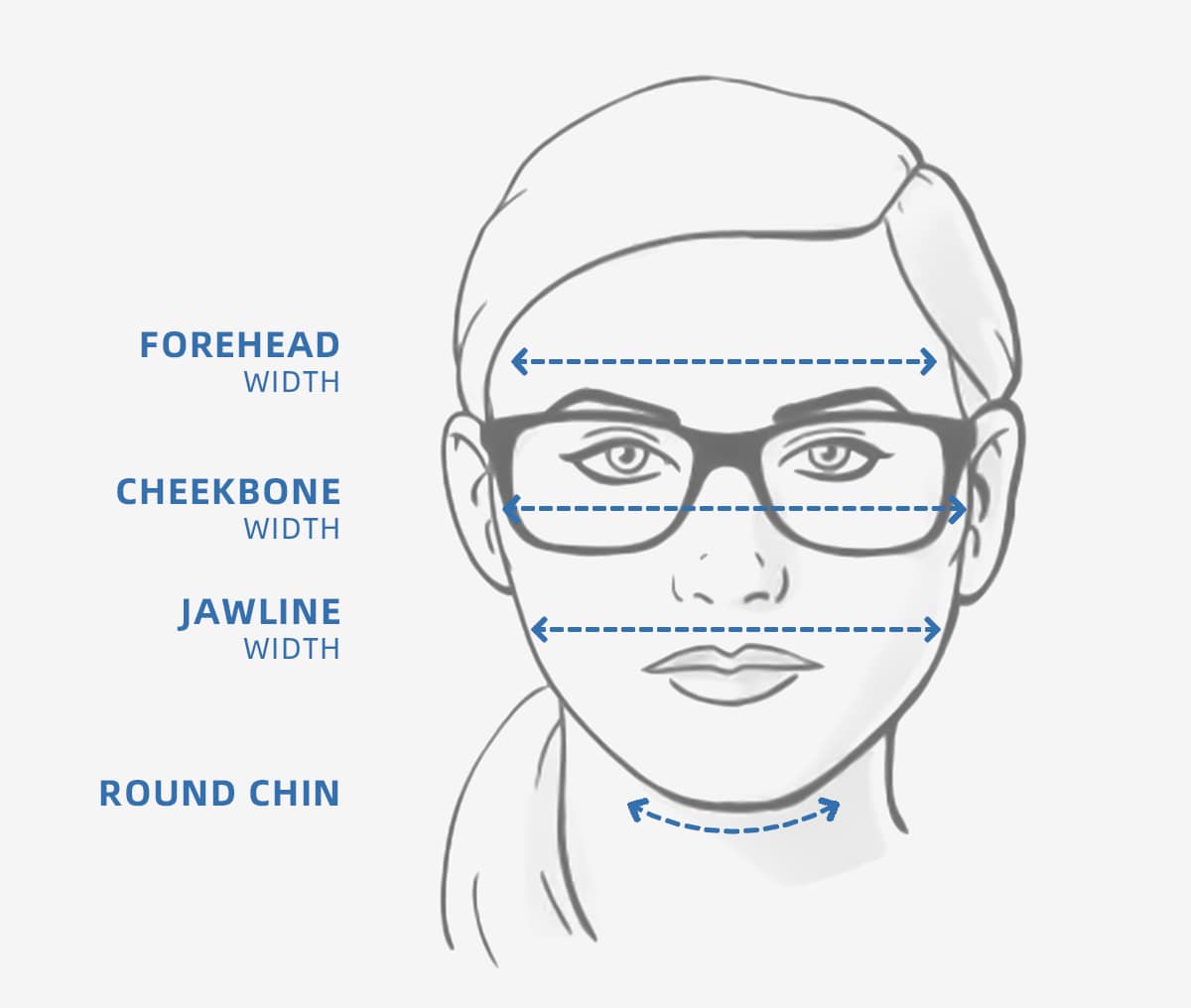
Before we embark on the exciting journey to identify and select the most flattering glasses for round faces, it’s crucial to first establish whether you indeed have a round face shape. This knowledge is foundational as different frame designs complement various facial structures in unique ways. A round face is recognized by its soft, gently curved lines with approximately equal width and length, giving it a circular or ovular appearance.
To confirm your face shape accurately, engage in a quick and easy measurement process. Take out a flexible tape measure and note down the widths of three key areas. 1. Your cheekbones at their widest point. 2. Your jawline from the widest part (excluding your chin). 3. Your forehead just above your eyebrows. If these dimensions are relatively similar without significant differences, and your face lacks sharply defined angles, particularly at the jaw and forehead, then you can confidently classify your face shape as round.
Having determined that you possess a round face, the next step involves exploring glasses that enhance your natural features rather than overwhelming them. Glasses for round faces should serve to create balance and contrast, playing up the angles where they are less pronounced. The right pair of glasses can elongate your visage, provide structure, and accentuate your best features.
When shopping for glasses for round faces, keep in mind that personal style should always take precedence. Your eyewear should not only flatter your face shape but also reflect your individuality and align with your lifestyle preferences. It’s essential to try on multiple styles, paying attention to how each frame interacts with your specific facial features, ensuring that comfort, fit, and aesthetic appeal come together seamlessly. In doing so, you’ll find the perfect pair of glasses that elevate your overall look and instill confidence in your everyday wear.

4 Face Measuring Apps

To help you identify your unique facial structure, we’ve curated a selection of premium apps tailored for Android and iOS mobile platforms. Each application presents a subtly different interface and analysis output, but they are all very effective at measuring face shape. Please refer to the following 4 free apps.

Find Your Face Shape

Apple Store

Measure Your Face Instantly

Apple Store

Hiface

Apple Store / Android

Golden Ratio Face

Apple Store / Android

The Best Glasses for Round Faces

Now that you have successfully pinpointed your face shape as round, let’s delve deeper into the realm of eyewear that will beautifully complement and enhance your features. Here are several styles that have proven to be particularly flattering for round faces:

Oversized Frames

Embrace the audacious trend of oversized glasses for round faces, a veritable stylistic asset that can bring a contrasting edge and dimensionality to soften the curves of a round face. When selecting such frames, consider those with bold square or rectangular shapes that generously extend beyond your natural face width. This generous expanse of the frame not only serves as a fashion statement but also functions as optical wizardry by visually elongating the structure of your visage. The sharp angles of oversized glasses act as counterpoints to the circular contours, effectively refining your appearance and creating an illusion of length and definition.

Peter

Peter-Tortoise

The large frame, crafted with a sophisticated fusion of metal and polycarbonate, has become the preferred glasses for round faces. This expansive eyewear, boasting a double-bridge design, not only imparts a handsome but also exudes an undeniable charm when adorning one’s countenance. It dons an aesthetic that is both handsome and subtly elegant, thereby accentuating the wearer’s features in a manner that is both compelling and visually striking.

Brooklyn

Brooklyn S-Black

Oversized frame design exquisitely caters to the aesthetic needs of young gentlemen with cherubic countenances. This timeless and highly adaptable eyewear piece transcends mere fashion boundaries, serving as a versatile accessory that effortlessly complements any sartorial ensemble across a myriad of social contexts and events. Its classic contours harmoniously blend into both formal and casual gatherings, endowing its wearer with an air of sophistication and panache.

Cat-Eye Glasses

Cat-eye frames embody an eternal and universally flattering design for individuals with round faces. Their hallmark upswept silhouette at the outer corners is a masterstroke of optical artistry, lifting and drawing attention toward the eyes and cheekbones, thereby adding an air of sophistication and grace to your overall look. This upward slant creates vertical emphasis, serving as the perfect visual antidote to the rounded silhouette, making cat-eye glasses a timeless classic in the world of eyewear designed specifically for round-faced wearers.

Mathilda

Mathilda-Tortoise

Embodying a refined and unpretentious charm, this cat-eye glasses design is tailored for women to seamlessly integrate into their quotidian ensembles. Its silhouette subtly channels the iconic feline aesthetic without resorting to overt exaggeration, thereby rendering it an essential, understated accessory suitable for any casual affair. The color palette of these glasses is nothing short of sublime—a visual treat that infuses everyday life with a touch of enchantment and artistry, casting a spell of captivating beauty at every glance.

Effie

Effie-black

Metal cat-eye glasses for round faces. Decorated with intricate and delicate patterns. Illuminating the viewer’s gaze, imbuing them with an ethereal glow that is mesmerizing. These carefully designed embellishments not only enhance the appeal of the visual canvas. It is also given an alluring metallic sheen, thereby elevating the aesthetic to a level of sophistication and artistic brilliance. The fusion of such gorgeous details and cat-eye silhouette breathes life into an otherworldly visual spectacle. Injecting a captivating glow into the essence of people’s expressions.

Rectangular Frames

Rectangular frames offer clean lines and angularity, which play against the soft curves of a round face, creating a harmonious balance between geometric contrast and facial proportions. By choosing frames wider than the broadest part of your face, you can create the illusion of a longer, more defined profile. These frames often feature straight top lines and slightly curved bottom edges, which subtly elongate without overpowering your natural features.

Andre

Andre-tortoise

This enduring eyewear design, a paragon of classic style, serves both as a daily essential and a fashion-forward accessory. Its versatility guarantees compatibility with any attire, ensuring an always-right choice for those seeking to avoid sartorial missteps while maintaining a touch of timeless elegance in their every day or trend-conscious looks.

Taha

Taha-brown

An exceptionally tailored aesthetic, this design epitomizes a harmonious fusion of the avant-garde with timeless contours. It breathes life into a fashion paradox where uniqueness and tradition converge seamlessly. For the discerning individual who seeks to infuse classicism with a subtle touch of novelty, thereby avoiding the mundane, this style stands as an invitation to explore a realm where sartorial elegance meets artistic insurgency.

Geometric Frames

Geometric glasses for round faces, like hexagonal or triangular designs, add a contemporary twist to the traditional rectangular form. They introduce dynamic angles and interesting shapes that draw focus away from the roundness of the face, instead highlighting the wearer’s unique style and personality. These frames can provide a playful yet sophisticated touch to any ensemble, especially when crafted from materials like metal or acetate that lend durability and aesthetic appeal.

Browline Glasses

Eyebrow glasses are reminiscent of retro times. It is a strategic choice for round faces. Because they accentuate and balance the inherent softness. These frames feature a prominent upper frame that draws the eye upward to the brows, creating a structured juxtaposition with the rounded silhouette. The strong acetate brow line blends with the thinner metallic edge underneath, creating a captivating interplay of depth and focus, making them ideal for those looking to inject vintage charm into their style while maintaining a modern edge. Therefore, brow glasses become a striking option to diversify your wardrobe, paying homage to a bygone era while remaining stylish and practical for today’s discerning round face shapes.

River

River-Black

The material is acetate and metal, embodying a timeless elegance that transcends fleeting fashion trends. Its classic essence coupled with its versatile nature renders it an adaptable choice for various aesthetic preferences. When adorned on an individual blessed with a round visage, this piece ingeniously recalibrates facial proportions, casting an air of cerebral sophistication. It serves as a visual testament to the wearer’s intellectual depth, subtly yet profoundly enhancing their overall persona through the artful interplay of form and function.

Skyler

Skyler

This style is more round, but the carefully designed brows give it a unique charm, making it perfect for people with round faces. Artful arching is the cornerstone of aesthetics, harmoniously balancing facial contours while emphasizing the softness and symmetry inherent in this type of face shape.

Rimless Glasses

Rimless glasses offer a minimalist and understated approach to eyewear for round faces. By eliminating the presence of a full frame, rimless glasses allow the natural beauty of your face to shine through unobstructed. The lightweight construction and virtually invisible profile give a sense of openness and elongation, making them perfect for those seeking a subtle enhancement rather than a bold statement piece.

Goodwin

Goodwin

Typical rimless glasses design, matched with rounded facial contours. It exudes exquisite and ethereal charm, filling the wearer with a low-key feminine temperament. The subtle blend of shape and face creates a harmonious balance. Highlights the inherent gentleness of round faces. It plays a visual symphony of elegance and sophistication in the field of optical fashion.

Colin

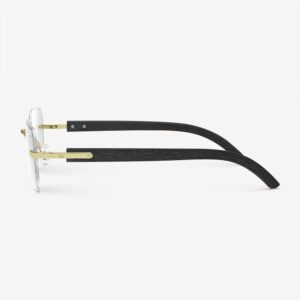
The entire frame is accented with obsidian-toned temples, exuding a gorgeous and sophisticated feel. The dark, glossy finish gives the glasses an indescribable sense of luxury. thereby elevating its aesthetic appeal to the realm of refined elegance and high-end features. The seamless blend of these ebony appendages not only highlights the inherent grandeur of the design. But it also demonstrates a deep appreciation for craftsmanship, transforming eyewear into a testament to visual brilliance and scholarly insight.

Semi-Rimless Glasses

Semi-rimless glasses, also known as “rimmed-bottom” or “half-rim” glasses, strike a balance between minimalism and structure. The absence of a top rim minimizes the visual weight on the face, while the lower rim provides support and defines the lens area. This hybrid design imparts a sleek, professional look that complements round faces by avoiding extra width around the temples. The streamlined nature of semi-rimless glasses helps to elongate the face and gives wearers a polished and refined appearance.

Alexander

Alexander

The metal material matches harmoniously with the tortoiseshell temples. It exudes a strong literary and nostalgic charm. These glasses are designed with a sophisticated aesthetic. Elegant geometric elements are specially introduced to complement the contours of round faces and eliminate the monotony of round faces. It adds a touch of intellectual sophistication and timeless elegance to the wearer’s look, evoking a visual narrative rich in artistic heritage and cultural refinement.

Hilary

Hilary-gold

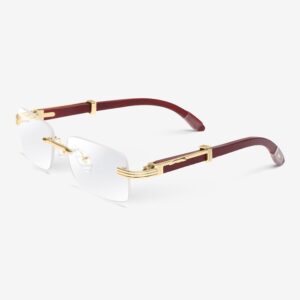
The temples are made of glossy wood. Create an aesthetic that exudes sublime elegance when decorating. This ensemble not only embodies a sense of timeless sophistication. while evoking the essence of classical sophistication. The wooden temples reflect the organic beauty of nature’s texture and blend harmoniously with gold. Shining like precious metal set by the hands of master craftsmen. The overall effect is full of opulence and scholarly elegance. Breathe life into design beyond mere functionality. Become a wearable masterpiece of art and style.

Frames to Avoid for Round Face Shape

When it comes to glasses that may not be as flattering for round face shapes, there are specific styles that one should carefully consider avoiding to maximize the aesthetic appeal and enhance the natural features of a round visage. Here’s an insightful overview of frames that might not serve your round face shape optimally:

Circular frames

Glasses with circular frames can inadvertently amplify the inherent curvature of a round face by mirroring its contours. This symmetry could lead to an appearance that lacks definition and elongation. Therefore, when shopping for glasses for round faces, it is advisable to bypass circular or entirely rounded frame designs that risk exaggerating rather than complementing your facial structure.

Small Frames

Frames that are too petite often make an impression on round faces. Because they tend to diminish the potential impact of eyewear as a fashion accessory and structural element. On the contrary, if you choose a larger frame. It creates an attractive contrast to rounded faces, providing a sense of balance and proportion. These larger frames help create visual interest. And adds a structured frame to the soft lines of round faces.

Conclusion

Embarking on the quest for glasses that perfectly suit a round face is an exciting transformation. It’s about finding eyewear that not only flatters but also enhances your unique facial features. Round faces are soft and curved, so it’s essential to choose frames that bring contrast and structure.
Oversized frames do wonders by visually broadening and lengthening the upper part of the face. Cat-eye glasses are another great choice. Their upward tilt at the outer edges diverts attention upwards and outwards, creating a slimming effect.
Rectangular frames are smart picks because they introduce angularity to soften curves, defining and contouring the face. Browline glasses, with their bold upper rims reminiscent of retro styles, highlight the brow area and draw focus to the top half of the face.
Every round face can find its perfect match in either the audacious size of oversized frames. The graceful uplift of cat eyes, or the structured sophistication of browlines. By carefully considering which frame designs complement your round face, you’ll confidently make a stylish statement wherever you go.
The key to choosing the best glasses for round faces is to embrace styles that complement your facial features and enhance your overall look. With the right frames, you can make a fashion statement while ensuring a comfortable and stylish eyewear experience. So, go ahead and explore the world of glasses for round faces to find your perfect match in 2024!

Vintage glasses frames

Retro Revival: Embrace the Timeless Appeal of Vintage Glasses Frames

Embrace the Timeless Appeal of Vintage Glasses Frames

Introduction:

Embark on a captivating journey into the nostalgic universe of vintage glasses frames. As we step back in time with Jim Halo Eyewear’s exquisite collection, we uncover a treasure trove of eyewear that transcends eras. This remarkable fusion of past and present invites you to embrace the timeless allure of classic designs reimagined for today.
Imagine sleek cat-eye frames reminiscent of old Hollywood glamour or bold square shapes echoing the confident strides of the 1960s. Each pair is carefully curated to honor the rich heritage of eyewear fashion while infusing it with modern sensibilities. The collection at Jim Halo Eyewear doesn’t just recreate history; it breathes new life into iconic styles.
From delicate gold-rimmed round lenses that echo John Lennon’s creative spirit to oversized aviators that channel the fearless attitude of pilots from decades ago, every frame tells a story. These aren’t mere accessories; they’re wearable pieces of art that speak volumes about your style and appreciation for design.
Not only do these vintage glasses frames make a statement, but they also cater to diverse face shapes and preferences. The adaptability of vintage glasses frames ensures there’s something for everyone – whether you seek understated elegance or crave a more daring look.
In conclusion, prepare to be charmed by the world of vintage glasses frames as presented by Jim Halo Eyewear. It’s an invitation to indulge in nostalgia, celebrate timeless beauty, and create your fashion narrative with frames that seamlessly blend yesterday’s charm with today’s sophistication. Rediscover the joy of wearing a piece of history with a contemporary twist—once you delve into this mesmerizing collection, you’ll find yourself craving for more.

Embrace a Blast from the Past

Key Features

Durability and Unmatched Craftsmanship

Vintage metal eyeglasses are renowned for their exceptional durability, a testament to the enduring quality of materials used in their construction. Often forged from robust metals such as titanium, stainless steel, or even gold, these frames were meticulously crafted to withstand the test of time, guaranteeing longevity that can span across generations. Their resilience is not merely a practical advantage but also an emblematic representation of a bygone era’s commitment to artisanal craftsmanship.

Distinctive Designs with Historical Charm

These vintage glasses frames serve as unique canvases for design aesthetics that echo through the annals of fashion history. They encapsulate the spirit of past eras – from the sleek lines of Art Deco, the bold geometry of the ’50s, to the avante-garde minimalism of the ’80s. Each pair offers a portal into a different style epoch, imbuing wearers with a sense of connection to the past while making a definitive fashion statement. The authenticity of these designs stands out in a world dominated by mass production, ensuring a level of originality and exclusivity that modern frames often struggle to emulate.

Retro Fashion Statement with Timeless Appeal

Wearing vintage metal glasses is more than just an act of accessorizing; it’s a sophisticated way to interweave nostalgia into contemporary fashion narratives. This blend of old-world charm and new-age flair allows individuals to create looks that are both timeless and trendy, paying homage to the past while contributing to the evolution of personal style.

Versatility Across Fashion Aesthetics

As adaptable fashion accessories, vintage metal eyewear transcends fleeting trends and styles. They effortlessly complement retro ensembles, infusing them with a touch of period authenticity, yet they equally harmonize with avant-garde and minimalist outfits, adding an unexpected twist and depth. This versatility speaks to the universal appeal of vintage glasses frames, serving as a bridge between various fashion genres and individual tastes.

Expressing Personal Style Through Narrative Frames

Owning a pair of vintage glasses frames isn’t merely about seeing the world through a different lens; it’s about narrating a story through one’s appearance. Each frame has its tale etched into its design, patina, and age – elements that silently communicate layers of character and personality. By incorporating vintage metal glasses into their wardrobe, individuals can express their style in a manner that is both subtle and profound, setting themselves apart from the crowd with a distinctive visual narrative.

Collectible Value and Investment Potential

Beyond their aesthetic and functional qualities, vintage metal glasses can appreciate significantly in value over time. As pieces from iconic designers or rare collections become scarce, their worth extends beyond the realm of fashion into the domain of collectibles. Thus, investing in vintage glasses frames can be both a fashionable indulgence and a shrewd financial decision, turning these nostalgic relics into precious heirlooms that hold cultural, historical, and monetary significance.

Revival and Integration in Contemporary Fashion

Incorporating Classic Elements with Modern Nuance

Contemporary eyewear designers are often seen delving into the rich tapestry of vintage metal frames, meticulously extracting and reinterpreting traditional design elements to harmonize them with the prevailing fashion sensibilities. The fusion of classic aesthetics with modern trends is a testament to the timeless appeal of vintage glasses frames and its ability to adapt and evolve across generations. Designers skillfully juxtapose iconic shapes, intricate engravings, and distinctive color palettes from bygone eras with contemporary accents, thereby creating unique pieces that resonate with both history enthusiasts and style-conscious consumers.

Revolutionizing Materials and Technology

While the essence of vintage charm is respectfully preserved in these revamped designs, cutting-edge materials and technologies have been seamlessly integrated to enhance functionality and comfort. Using lightweight metals like titanium or stainless steel replaces the erstwhile heavier alloys, offering durability without compromising on style. Additionally, advanced lens technologies such as anti-reflective coatings, polarized lenses, and progressive prescriptions provide unparalleled visual clarity and protection against digital eye strain—features not available in vintage glasses frames. This synthesis of old and new ensures that wearers can enjoy the nostalgic aesthetic while benefiting from the latest advancements in eye care technology.

The Resurgence of Vintage Appeal

There has been a marked increase in consumer appetite for vintage-inspired glasses, a trend fueled by an appreciation for their inherent elegance and the stories they evoke. These glasses transcend mere functional accessories; they are wearable pieces of history that connect us to a different time and place. Consumers today seek authenticity and individuality in their fashion choices, making vintage-style eyewear a preferred option. Market demand reflects this shift, with sales surging for brands that successfully blend nostalgia with innovation. This resurgence also points to a broader cultural phenomenon where the past and present coalesce, allowing consumers to craft personal narratives through their choice of eyewear, bridging the gap between heritage and modernity.

Unearthing the Timeless Appeal

Dive into the rich tapestry of history with vintage glasses frames that embody an allure that transcends temporal boundaries. These exquisite eyewear pieces serve as a bridge between the past and present, encapsulating the essence of bygone eras in their design and craftsmanship. They are not merely accessories but relics that speak to an era’s aesthetics and ethos, infusing the contemporary fashion milieu with a refined sense of nostalgia.
Vintage-inspired glasses frames resonate with a charm that is both enduring and captivating. Their shapes, often reminiscent of the cat-eye frames from the 1950s or the bold aviators of the 1970s, reflect the distinctive style signatures of those periods. This aesthetic homage pays tribute to the ingenuity and creativity of designers who once paved the way for the evolution of eyewear as a statement piece.
The intricate detailing on these frames – be it the filigree metalwork, the ornate temple embellishments, or the artful use of acetate patterns – embodies the meticulous attention to detail that was characteristic of a time when artisanal craftsmanship was paramount.
Incorporating vintage glasses frames into one’s ensemble can elevate any look, transforming a simple outfit into a compelling sartorial declaration. They add a layer of depth and character, allowing the wearer to make a bold yet sophisticated statement without uttering a word. This timeless quality ensures they remain relevant amidst the ever-changing tides of fashion trends, serving as versatile staples in a modern wardrobe.
In conclusion, vintage glasses frames stand as testaments to the enduring power of classic design. They are wearable art that carries within them the stories of past epochs. As such, they invite us to celebrate the beauty of tradition while simultaneously redefining contemporary fashion norms, making a seamless blend of the old and new that resonates profoundly in today’s fashion landscape.

Vintage Glasses: The Timeless Accessory Worn by Influential Celebrities

In the realms of European and American fashion, a bevy of celebrities have captivated the zeitgeist with their penchant for vintage glasses frames. These luminaries not only dictate trends but also embody timeless fashion symbols through their distinctive choices in glasses. Here are several celebrated personalities from across the Atlantic who have etched their names in the annals of vintage glasses frames fashion:

John Lennon

A cornerstone member of the legendary British rock ensemble, The Beatles, his iconic circular metal-rimmed spectacles—affectionately dubbed “Lennon glasses” or “tiny round frames”—have become an integral component of the bohemian aesthetic that defined the 1960s and ’70s.

Andy Warhol

The maestro of American Pop Art, Warhol’s signature eyewear consisted of oversized plastic frames imbued with a potent fusion of retro charm and avant-garde flair, encapsulating the essence of his era’s pop culture.

David Hockney

David

Esteemed British painter, renowned for his idiosyncratic style and masterful pairing with retro glasses, his eyewear silhouette mirrors the art and fashion ethos prevalent during the vibrant decades of the 1970s and ’80s.

Steve Jobs

Founder of Apple Inc., his minimalist yet retro-inspired rimless round glasses, inspired by a vintage design from Japanese brand Matsuda, left an indelible mark on modern eyewear design, epitomizing simplicity and innovation.

Alessandra Ambrosio

Alessandra Ambrosio

The Brazilian supermodel, once captured in public donning fortune-teller-esque vintage glasses frames, accentuated her individuality with a nod to nostalgic allure, thus painting a portrait of retro-chic personified.

Gigi Hadid

Gigi Hadid

Fashion’s darling model, she commanded attention at a Burberry soirée adorned with retro eyewear, showcasing the seamless alchemy between retro nostalgia and contemporary chic.

Moreover, a myriad of other celebrities, such as the British thespian Helena Boham Carter, the multifaceted American musician Justin Timberlake, and numerous Hollywood luminaries, have exemplified the art of accessorizing with vintage glasses frames to articulate their aesthetics across diverse settings. Through their discerning selections in vintage glasses frames, these celebrities have effectively elevated them onto the pedestal of popular culture, becoming objects of veneration and emulation among fans worldwide.

Jim Halo Eyewear: A Classic Collection

Explore the world of Jim Halo Eyewear, a unique brand dedicated to recreating the magic of vintage glasses frames. They specialize in crafting eyewear that captures the spirit of iconic decades: the swinging ’50s, the vibrant ’60s, and the bold ’70s. Each frame from Jim Halo is a meticulous blend of old-world charm and modern-day style.
Their collection boasts an array of designs inspired by past eras, reimagined for today’s fashion-conscious wearer. Every piece is carefully curated to embody the essence of its time—think sleek cat-eye frames reminiscent of Hollywood glamour or the rebellious round lenses that defined a generation.
Jim Halo Eyewear doesn’t just replicate vintage looks; it infuses them with contemporary flair. Their designers skillfully balance classic lines with current trends, ensuring each frame has a universal appeal that transcends fleeting fads. This fusion results in glasses that are as much at home on today’s runways as they would have been in their original era.
The craftsmanship behind Jim Halo’s products is exceptional. Attention to detail is paramount, from selecting premium materials to executing precise finishing touches. Whether it’s the intricate metalwork, the rich acetate patterns, or the subtle temple engravings, every element contributes to the authentic vintage feel while maintaining high-quality standards.
In summary, Jim Halo Eyewear offers a distinctive selection of eyeglasses that celebrate history without being confined by it. By seamlessly merging vintage aesthetics with contemporary tastes, they provide discerning wearers with timeless accessories that make a statement. These glasses aren’t just a nod to the past; they’re wearable pieces of art that resonate with personal style and reflect a deep appreciation for design heritage.

Vintage-Inspired Optical Delights by Jim Halo

Square Metal Sunglasses (JAMES S & HARLEY S)

James S

James S

Gleaming with metallic splendor and adorned with a love heart motif, these glasses exude a delicate charm that harmoniously intertwines vintage allure with a touch of whimsy. Unisex in design, they elevate the wearer’s charisma across diverse settings, serving as a versatile accessory for both men and women.

Harley S

Harley S

Imbued with a timeless aesthetic, this classic square silhouette is juxtaposed with artisanal wooden temples, bestowing upon the eyewear an ambiance richly steeped in artistic heritage. Paired elegantly with coats or shirts, they evoke an undeniable scholarly aura.

Aviator Metal Sunglasses (LARISSA S & DEVON S)

Larissa-BlackLarissa-Black

Embodying the iconic pilot frame style accentuated by a double bridge design, these sunglasses remain steadfastly classic while maintaining contemporary appeal. Both masculine and feminine profiles are instantly ennobled when donning them, making them an ideal choice to enhance one’s image during outdoor excursions.

Devon SDevon S

Crafted with a robust double-bridge aviator frame tailored for the discerning gentleman, this pair not only shields against the sun’s fierce rays but also reflects sunlight with metallic brilliance, ensuring the wearer radiates a distinguished presence on their travels.

Retro Round Eyeglasses (ETHAN & MARTIN)

Ethan

Ethan

Resplendent with intricate carvings and nestled within an oval contour, this eyewear encapsulates the very essence of retro sophistication. The diminutive yet elegant form gracefully complements facial features without overwhelming, thereby accentuating beauty with subtlety.

Martin-GoldMartin-Gold

A must-have accessory for gallery hopping or cultural exhibitions, this round-framed masterpiece boasts an artful, retro-inspired design that effortlessly underscores a refined, genteel demeanor, evoking an air of contemplative elegance.

Vintage Squared-Aviator Eyeglasses (ASTON)

AstonAston

Exuding a refined simplicity, these exquisite double-bridge optical glasses blend classic design elements with everyday practicality. Lightweight and comfortable to wear, they offer a seamless fusion of vintage flair and minimalist chic, perfect for those who appreciate a restrained yet nostalgic aesthetic.

Semi-Rimless Metal Eyeglasses (ALEXANDER & HILARY)

AlexanderAlexander

Oversized and commanding attention, this metal half-frame spectacle showcases unique ankle and mid-beam designs that serve as its crowning jewels. Its singular and classical temperament imbues the wearer with a sense of cultivated taste, setting them apart as a beacon of individuality.

Hilary-goldHilary-gold

This slender metal semi-rimless frame whispers rather than shouts, lending a discreet scholarly undertone to the wearer’s persona. Highly recommended for daily wear enthusiasts partial to half-frames, it offers a lightness and comfort that is both unobtrusive and enduring, embodying the quiet dignity of intellectual pursuits.

Embracing Versatility with Vintage Frames

Vintage glasses frames are more than just a nod to the past; they embody an era of timeless elegance and evergreen charm that transcends fleeting fashion trends. The versatility inherent in vintage glasses frames is a testament to their enduring appeal, making them a staple for those seeking to infuse their style with a unique blend of nostalgia and contemporary flair.
One of the most compelling advantages of vintage glasses frames lies in their ability to adapt seamlessly to a myriad of aesthetic expressions. Whether you’re aiming to cultivate a sophisticated, polished look reminiscent of Hollywood’s golden age or channeling a bold, avant-garde edge inspired by the rebellious spirit of the ’60s and ’70s, vintage glasses frames can serve as the perfect finishing touch to your ensemble. This versatility enables wearers to articulate their individuality through a lens—quite literally—that speaks volumes about their taste and sense of history.
Jim Halo Eyewear’s vintage collection is a treasure trove of such versatile options. Each frame is meticulously crafted with an eye for detail and a respect for the original designs, ensuring authenticity while also allowing for modern-day comfort and functionality.
The beauty of vintage glasses frames extends beyond aesthetics. They represent a form of sustainable fashion, as they are often made with high-quality materials designed to last, contrasting with the throwaway culture of today’s fast fashion. Moreover, these frames can effortlessly transition from everyday wear to special occasions, proving their value as a versatile investment piece in one’s wardrobe.
In essence, vintage glasses frames offer a unique way to embrace versatility in styling. By incorporating pieces from the Jim Halo Eyewear vintage collection into your attire, you’re not just wearing glasses, you’re wearing a story—a reflection of your narrative intertwined with the stories of generations past.

Conclusion:

Vintage glasses frames are a veritable portal into the captivating realms of history, offering an entrancing perspective on fashion’s evolution through the ages. Each pair is a meticulously preserved artifact that encapsulates not only the aesthetics of yesteryears but also the exceptional craftsmanship and durability of a bygone era. The allure of antique metal spectacles transcends fleeting trends, embodying a legacy of timeless style that stands resilient against the test of time.
These vintage eyewear frames resonate with stories of the past, yet they harmoniously blend with the avant-garde elements of contemporary fashion design, thus creating a unique sartorial narrative. They serve as silent witnesses to the shifting tides of fashion, their very existence a testament to the enduring appeal of classic designs.
Each frame within our extensive compendium tells its own story, inviting wearers to step into the annals of history while confidently striding towards the forefront of modernity. The vintage glasses frames from Jim Halo Eyewear are more than just accessories; they are wearable art pieces that fuse heritage with modern sensibilities in an eloquent expression of individuality and personal style.
By adorning these frames, one can relish the elegant simplicity and intricate detailing that defined eyewear in former times, while simultaneously making a bold, fashion-forward statement. It’s a journey that celebrates the past, honors the present, and anticipates the future – all captured in the subtle nuances of a well-chosen pair of vintage glasses frames.
In essence, these frames become extensions of one’s persona, reflecting a deep appreciation for the artistry of the past while embracing the dynamic nature of current trends. They are the perfect marriage of tradition and novelty, allowing wearers to embark on a sophisticated voyage through time, where every glance becomes a nostalgic nod to the old-world charm, reinterpreted with a fresh, contemporary twist.

Embrace Office Chic with Men's Rimless Glasses

Embrace Office Chic with Men’s Rimless Glasses – Jim Halo

Introduction

Hey there, stylish professionals! Are you on the lookout for a sleek and sophisticated accessory that can instantly elevate your office attire? Look no further than men’s rimless glasses! These exquisite eyewear pieces combine minimalism with elegance, allowing you to showcase your professionalism with a touch of contemporary charm. In this blog post, we will delve into the world of rimless glasses and explore why they are the perfect choice for the modern man.

Simplicity is Key

In the ever-accelerating and multifaceted realm of contemporary corporate culture, where clarity and efficiency are paramount virtues, the choice of personal accessories often reflects an individual’s professional demeanor. Men’s rimless glasses epitomize this principle with their understated elegance and minimalist design. They represent a pivotal shift towards prioritizing simplicity without compromising on sophistication.
The appeal of rimless eyewear lies in its ability to provide a refined, almost invisible aesthetic. By removing the traditional frame, these glasses allow for a seamless integration into one’s overall appearance. The lack of a visible border around the lenses not only minimizes visual distractions but also accentuates the natural contours and symmetry of any face shape. This uncanny quality enables them to suit a wide array of facial structures, from square jaws to oval profiles, thereby exemplifying versatility.
Moreover, the essence of rimless glasses is about drawing attention to the windows to one’s soul – the eyes. In business interactions, eye contact is a fundamental element of communication that conveys confidence, attentiveness, and sincerity. Rimless glasses ensure that your gaze remains the focal point, unobstructed by elaborate frames. This empowers the wearer to establish deeper connections with colleagues and clients alike, fostering trust and credibility.
Furthermore, these spectacles echo the principles of less is more, aligning harmoniously with the modern preference for clutter-free designs. They embody the spirit of minimalism that many forward-thinking professionals aspire to reflect in their workspaces and attire.
In conclusion, men’s rimless glasses serve as more than just corrective eyewear; they are emblematic of a style-conscious yet practical approach to dressing for success in today’s fast-paced corporate world. Their subtle presence complements rather than competes with the wearer’s identity, allowing professionalism, intelligence, and focus to shine brightly through the most expressive feature of all—the eyes.

Timeless Appeal

Rimless glasses, by their minimalist design, embody versatility at its finest. The absence of bold or colorful frames allows them to subtly integrate into any attire, serving as an unobtrusive enhancement rather than a dominant focal point. This adaptability is their unique selling proposition – they can gracefully complement a sharply tailored business suit that exudes professionalism and class, just as easily as they can lend an air of intellectual refinement to a laid-back casual Friday ensemble.
Men’s rimless glasses, in particular, are lauded for their ability to blend seamlessly with diverse personal styles while enhancing the wearer’s aesthetic appeal. They’re a style choice that doesn’t shout for attention but whispers sophistication, allowing the wearer’s character and charisma to take center stage. This discreet elegance is especially appreciated by men who value subtlety and maturity in their fashion choices.
Moreover, rimless glasses resonate with the contemporary ethos of minimalism, which prioritizes functionality and simplicity without compromising on aesthetics. They provide clear, unobstructed vision, thereby fulfilling their primary purpose exceptionally well. Additionally, because they draw less attention to themselves, they often elongate the face, creating a sleeker profile, making them a preferred option for individuals looking to accentuate their features.
In essence, rimless glasses serve as a testament to the philosophy that true style is not about following transient fads but about finding enduring classics that align with one’s identity. With men’s rimless glasses, you are assured of a fashion-forward statement that transcends the test of time, ensuring that your style remains both current and authentic, regardless of the shifting sartorial landscapes.

Comfort and Convenience

Comfort

Beyond their undeniable aesthetic allure, rimless glasses have carved out a niche in the eyewear industry due to their meticulously engineered lightweight construction and the unparalleled comfort they provide. Traditional framed glasses, although timeless and versatile, can often be cumbersome and exert noticeable pressure on the wearer’s nose bridge and temples over extended periods of use. This prolonged discomfort can manifest as fatigue, headaches, or even leave indents on the skin, thereby diminishing the overall wearing experience.
However, rimless glasses ingeniously tackle these challenges by eschewing the added weight and bulk that comes with full frames. The design essence of rimless glasses lies in their minimalistic approach, where lenses are directly attached to the temples and nose pads via sleek and refined hinges, bridges, or nylon cords. This minimalist configuration significantly reduces the weight, making them almost imperceptible when worn, thus alleviating the strain that heavier frames could otherwise cause.

Convenience

Rimless glasses offer an unobstructed field of vision, which is particularly beneficial for individuals who engage in tasks requiring high precision or extensive screen time. Their lack of a peripheral frame also enhances the visual appeal, showcasing the face more prominently and allowing the lenses to blend seamlessly with one’s facial features, resulting in a sophisticated and understated style statement.
Additionally, the absence of a rigid frame makes rimless glasses highly adaptable to various face shapes and sizes. They conform better to the contours of the face, providing a personalized fit that traditional frames may not always achieve. This adaptability contributes to further comfort and wearability, ensuring that the user can concentrate on their work without any distraction or discomfort typically associated with heavy or ill-fitting eyewear.
In summary, rimless glasses are a stylish choice and a practical solution that addresses the ergonomic concerns inherent in traditional framed glasses. With their lightweight build, augmented comfort, unencumbered vision, and versatile styling, rimless glasses indeed embody a hassle-free eyewear experience that allows one to immerse oneself fully in their daily activities without compromise.

Optimal Visual Acuity

Another highly notable and scientifically backed advantage of men’s rimless glasses lies in their unparalleled capacity to deliver optimal visual acuity. This characteristic is derived from the minimalist design, allowing unobstructed peripheral vision. The absence of frames around the lenses ensures that there is no interference with the field of view, thereby enabling wearers to see more clearly and naturally.
Rimless glasses essentially create an invisible barrier between the wearer and their environment, allowing a seamless transition across various visual tasks. For instance, when you’re presenting at a meeting, your ability to glance effortlessly from your notes on the desk to the screen or the audience enhances your performance by reducing visual distractions. Similarly, while reviewing intricate documents or charts, every detail remains crystal clear without any frame edges distorting your focus or creating blind spots.
Furthermore, the openness of the rimless design promotes an expanded field of vision, which can significantly reduce eye strain during prolonged use. This feature is especially beneficial for individuals who spend long hours working on computers or engaging in tasks that require intense concentration and sharp visual perception. As a result, rimless glasses contribute positively to maintaining a high level of visual comfort and productivity.
Moreover, the lightweight nature of these glasses minimizes pressure points and discomfort, further enhancing the overall wearing experience. This translates into improved efficiency, keeping you fully engaged in your work without unnecessary interruptions.
In essence, men’s rimless glasses serve as a subtle yet powerful tool that amplifies visual acuity and supports multitasking. They are designed to fuse seamlessly with your lifestyle, ensuring that whether you are navigating through a busy day at the office or delving deep into a project, your glasses will always be enhancing your visual performance and helping you maintain peak effectiveness.

Jim Halo Top Men’s Rimless Glasses

Jim Halo men’s rimless glasses are very popular with modern urban elite men. Combining classics and fashion, and giving consideration to function and aesthetics, the glasses are upgraded from simple vision auxiliary tools to the height of personal taste and identity symbol. Its material selection is also full of ingenuity. Jim Halo high-quality optical lenses are strictly selected, It has excellent light transmittance, anti-reflection, and anti-ultraviolet functions, and comprehensively protect the eyesight and health of the wearer. The frame adopts light and tough aviation-grade metal or high-grade pure titanium material, which can not only ensure long-term wearing comfort but also highlight the brand’s high-end texture and quality commitment.

PaxtonPaxton-gold

A men’s rimless glasses with real wood as legs, environmentally friendly and simple. It is very suitable for daily wear and will give people a feeling of ordinary but with some small characteristics. Both suits and casual clothes fit well! Come and increase your popularity!

Patton

Patton-gold

This is a men’s rimless glasses with wooden legs. Different from Paxton, its legs have metal stitching, which makes it look like heavy work. If you like to be handsome, choose this one!

Kelsey

Kelsey-gold

Many people think that frameless glasses will appear monotonous because there is no frame. But! This one is not monotonous from any angle. The metal connection between the lens and the lens legs is in the shape of a ring, and the legs are designed like a twist. The metal material makes the whole eyeglasses look delicate and beautiful. It is very suitable for office workers who pursue high quality and are picky.

Zane

Zane-gold


All-metal framed men’s rimless glasses, full of detail carvings. The closer you watch, the more beautiful you are. Wearing a pair of glasses that will certainly be praised a lot. If you want to improve your image and taste, then this one must be the best choice!

Kenny

Kenny-black

Simple PC and metal material, not simple is the unique printing on the legs of the mirror, any social occasion can make you the icing on the cake. The front is simple and elegant, and the side is exquisite and fashionable.

Conclusion

Men’s rimless glasses are the epitome of sleek sophistication, designed to bring out the best in your professional appearance. With their simplicity, timeless appeal, comfort, and optimal visual acuity, these eyewear pieces are the perfect choice for the modern man who wants to exude confidence in the workplace. So, why wait? Elevate your style and embrace office chic by choosing men’s rimless glasses today!

Remember, fashion trends may come and go, but the timeless elegance of rimless glasses will always remain a symbol of refined taste and professional excellence.

Related Articles

Can You Wear Sunglasses Over Transition Lenses

Can You Wear Sunglasses Over Transition Lenses? By Jim Halo

Introduction

Transition lenses, or photochromic lenses, ingeniously merge optical technology with material science to create eyewear that automatically adjusts its tint based on ambient light intensity and UV radiation. They darken outdoors to protect against glare and harmful rays, emulating sunglasses, and revert to a clear state indoors for optimal visual clarity.
Despite their adaptability, debate persists regarding the redundancy or necessity of wearing sunglasses over transition lenses. Supporters argue that while transition lenses do offer some protection, they might not provide the same level of darkness or UV shielding as dedicated sunglasses in extremely bright conditions. Sunglasses, especially those with polarized lenses, excel at blocking reflected glare, offering superior visual comfort during activities such as driving or water sports. Moreover, transition lenses’ reaction time may lag in rapidly changing light environments.
On the other hand, proponents of using only transition lenses underscore their constant eye protection across varied lighting scenarios and advancements in technology that have led to faster response times and increased darkness levels.
Ultimately, the decision to wear sunglasses over transition lenses depends on individual needs, lifestyle, and specific environmental factors. While transition lenses represent a significant advancement in convenience and all-around eye protection, it’s important to acknowledge their potential limitations in very bright or reflective settings compared to high-quality sunglasses. Nonetheless, many individuals find the dynamic adaptability of transition lenses strikes an appealing balance between vision correction, comfort, and protection, making them a practical everyday option.

photochromic lenses

The Functionality and Applications of Transition Lenses

UV Protection and Eye Health: The Key Role of Transition Lenses

Transition lenses, a technological marvel in the realm of ophthalmic science, are meticulously engineered to automatically adjust their tint according to the intensity of ultraviolet (UV) radiation exposure. This adaptive feature serves as an indispensable safeguard for eye health against the detrimental impact of UV rays. Extensive research has consistently linked excessive UV exposure to a plethora of ocular issues such as cataracts, age-related macular degeneration, and even eyelid skin cancers. Consequently, transition lenses play a pivotal role as a proactive measure within comprehensive eye care strategies, effectively mitigating the risks associated with these conditions by providing continuous protection from harmful UV light.

Glare Reduction and Enhanced Visual Comfort

The exceptional capabilities of photochromic lenses extend to glare reduction, significantly improving visual comfort and alleviating strain caused by intense or reflected light sources. Through their intelligent design, they adapt their tint gradient to various ambient lighting conditions – be it the harsh glare of direct sunlight, the soft glow of indoor artificial lighting, or the dappled shade outdoors. By doing so, they deliver consistent optical clarity and relieve discomfort that could otherwise lead to persistent squinting and eye fatigue. As a result, wearers of transition lenses can enjoy an uninterrupted, comfortable viewing experience throughout their daily routines.

Adaptive Darkening Mechanism: Science at Work

Under bright sunlight, transition lenses employ an advanced darkening mechanism that transforms them into shades akin to medium-to-dark sunglasses. This transformation is triggered by the molecular-level response of the embedded photochromic compounds, which undergo structural changes upon contact with UV radiation. These molecules ingeniously absorb surplus light, thereby enhancing contrast, depth perception, and visual acuity, while simultaneously functioning as a shield against potential harm from excessive light penetration.

Persistent Protection Under Dim Light Conditions

Even under overcast skies or diffused daylight, transition lenses demonstrate their efficacy by offering significant protection. They subtly darken to reduce brightness without impairing visibility, recognizing that UV radiation can penetrate cloud cover and persistently expose our eyes to its potentially harmful effects. This attribute ensures that users benefit from constant, all-weather protection, rendering transition lenses a reliable choice for year-round eye health maintenance.

Seamless Indoor Transition: Clear Vision Uninterrupted

Upon entering an indoor environment devoid of significant UV radiation, transition lenses swiftly revert to their clear state, ensuring visual clarity on par with standard prescription glasses. This rapid transition eliminates the need to switch between regular eyewear and sunglasses, thus reducing inconvenience and streamlining the wearer’s experience. This characteristic makes transition lenses particularly advantageous for those who frequently navigate between indoors and outdoors, especially those whose lifestyles or professions demand high levels of visual acuity and convenience.

Versatility and Convenience: The Hallmarks of Transition Lenses

In essence, transition lenses epitomize the harmonious integration of practical functionality and user-friendliness, surpassing conventional eyewear solutions through their innovative design. Their ability to cater dynamically to environmental changes provides a versatile defense for ocular health across a multitude of everyday scenarios. By being a responsive, adaptive shield for the eyes, transition lenses indeed represent a valuable investment for individuals who prioritize constant visual comfort, unhampered vision, and long-term, holistic protection of their eye health in every facet of life.

sunglasses

The Role and Unique Advantages of Sunglasses

Unmatched Ultraviolet Protection

Sunglasses, with their sophisticated UV-blocking capabilities, stand as an unparalleled safeguard against the detrimental effects of UVA and UVB radiation. This unparalleled defense is pivotal in averting long-term ocular health complications that can arise from chronic sun exposure. Research has shown that sunglasses often surpass the level of protection provided by photochromic or transition lenses, which may not consistently block 100% of these harmful rays across all light conditions.

Larissa-BrownLarissa-Brown

Persistent Light Attenuation

Differing significantly from their adaptive counterparts, sunglasses maintain a uniform dark tint regardless of the ambient brightness levels. This steadfast characteristic ensures they excel in environments characterized by intense luminosity such as snowscapes, beaches, or on the open road where sunlight reflects intensely. By consistently reducing glare and minimizing eye strain, they provide a more comfortable and visually pleasing experience, allowing wearers to maintain optimal visual acuity without fluctuations caused by variable lighting situations.

Dylan S-brownDylan S-brown

Advanced Optical Innovations

Incorporating state-of-the-art optical technologies, specialized sunglasses take performance a step further. Polarization technology, for instance, serves as an effective tool against reflective glare. It works by filtering out horizontally polarized light, thereby enhancing contrast, depth perception, and visual clarity. Such advanced features are particularly advantageous for athletes, drivers, and outdoor adventurers whose activities demand acute visual precision and reduced glare interference.

Brooklyn S-BlackBrooklyn S-Black

Peripheral Vision Shielding and Frame Engineering

Performance-oriented sunglasses often feature wraparound frames designed with strategic contours that extend protection to peripheral vision zones. This holistic approach creates a protective shield around the wearer’s entire field of view, akin to a visual cocoon. Not only does this design contribute to increased comfort during prolonged use, but it also plays a critical role in safety during high-intensity activities where rapid movements and unpredictable environmental changes are prevalent.

Kira SKira S

Supreme Durability and Resilience

Crafted from materials engineered to withstand the trials of rugged adventures, sports sunglasses exhibit exceptional resilience against impact, scratches, and dust intrusion. Designed specifically for demanding environments, they undergo stringent testing to ensure durability under extreme conditions. While transition lenses, due to their inherent versatility, do possess a certain degree of durability, specialty sunglasses are meticulously built to endure the harsh realities faced by those who engage in strenuous outdoor pursuits or frequently encounter severe lighting scenarios.

In conclusion, while transition lenses offer a practical solution for everyday wear, sunglasses embody a tailored and optimized option for individuals facing rigorous outdoor challenges or frequent exposure to intense lighting. They deliver unmatched ultraviolet protection, consistent light reduction, innovative glare management through polarization, broad peripheral coverage, and superior durability – all attributes that are indispensable for maintaining visual health and performance under challenging circumstances.

sunlenses

The Effectiveness of Wearing Sunglasses Over Transition Lenses

Enhanced UV Defense

Sunglasses, meticulously crafted for outdoor eye protection, are designed with the express purpose of blocking a full 100% of both UVA and UVB rays. This guarantees an optimum level of defense against the potential damage that sun exposure can inflict on the eyes, such as cataracts, photokeratitis, or pterygium. Although transition lenses generally provide substantial UV protection, sunglasses typically offer a more assured coverage, particularly under the relentless glare of direct sunlight for extended periods. They ensure a constant barrier against these harmful wavelengths, regardless of weather conditions or time of day.

Rapid Reaction and Stable Tinting

Transition lenses possess the unique ability to adapt to varying light conditions by darkening outdoors and lightening indoors. However, this reaction is not instantaneous; it may take several seconds to a few minutes to fully transition between states. In comparison, sunglasses immediately bestow their intended level of shading upon use, providing a seamless and continuous defense against sudden bursts of brightness or prolonged exposure to intense sunlight. This immediate consistency is invaluable for individuals who engage in activities where rapid shifts in lighting occur, ensuring visual comfort and clarity without delay.

Specialized Lens Technologies and Applications

Sunglasses often incorporate cutting-edge lens technologies that transcend the capabilities of transition lenses. For instance, polarization technology diminishes glare from reflective surfaces, significantly enhancing visual acuity and reducing eye strain. This is especially beneficial in environments like driving, boating, skiing, or beach activities, where water or snow can produce blinding reflections. Polarized sunglasses can filter out this horizontal glare, thereby offering superior clarity and contrast than what might be achievable with adaptive transition lenses.

Activity-Specific Design Elements

Sport-specific sunglasses are tailor-made to cater to the diverse demands of various outdoor activities. Their designs often feature wrap-around styles that shield peripheral vision and provide added protection from wind, dust, debris, and even high-speed particles. Engineered with secure-fit systems and materials resistant to sweat and impact, they stay firmly in place during rigorous physical exertion—this specialized functionality is less commonly found in standard eyeglasses fitted with transition lenses.

Fashion and Aesthetic Flexibility

The realm of sunglasses presents a vast array of choices in terms of style, color, and tints, allowing wearers to express individuality while addressing specific visual needs. From mirrored coatings that further reduce light intensity to gradient lenses that gradually darken from top to bottom, the fashion versatility of sunglasses is unmatched. Transition lenses, despite their practical benefits, do not afford users the same degree of aesthetic customization. While they transition to clear indoors, they cannot replicate the stylistic nuances offered by dedicated sunglass designs.

Indoor Vision Clarity Without Compromise

Transition lenses excel at adjusting to indoor lighting, but they may still retain a subtle tint, which could marginally affect visual clarity. On the other hand, sunglasses are conventionally removed when entering indoor spaces, thereby enabling wearers to enjoy crisp, untainted vision unhindered by any residual tinting. This distinction underscores the importance of context and personal preference in choosing between the two options.

In conclusion, transition lenses indeed present a convenient one-stop solution for those looking to navigate seamlessly between indoor and outdoor settings. Yet, when it comes to handling high-intensity sunlight scenarios, requiring specialized features, immediate and unwavering protection against glare, or seeking the highest levels of UV ray prevention, sunglasses often hold the upper hand. Ultimately, the choice between the two depends on one’s lifestyle, specific requirements, and personal taste, recognizing that each offers unique advantages in different contexts.

Layering Sunglasses over Transition Lenses: A Dual Perspective

Impact on Visual Clarity and Comfort

Visual Clarity Diminished

Combining sunglasses with transition lenses can potentially impair visual acuity, a crucial aspect of vision that refers to the sharpness or clarity of sight. This is primarily due to the cumulative effect of light passing through multiple layers of lenses. The added optical path length and the presence of two sets of lens materials might introduce minuscule distortions and interference patterns that can subtly degrade image quality, especially when both pairs of glasses have strong prescriptions or tinted lenses. The compounding effects may lead to difficulties in focusing on fine details, affecting tasks such as reading, driving, or other visually demanding activities.

Enhanced Darkening but with Caveats

Transition lenses are designed to darken automatically based on ambient light conditions, providing a variable level of shade for the wearer’s eyes. Placing sunglasses over them creates an intensified dimming effect that can benefit extremely bright environments by further reducing glare and harmful radiation. However, this combination may prove counterproductive in low-light scenarios as it could excessively obstruct the amount of light entering the eye, leading to a significant drop in visibility and potential hazards.

Glare Management

Polarized sunglasses excel at eliminating glare from reflective surfaces such as water, snow, or roads, thereby improving visual comfort and enhancing contrast. In theory, layering polarized sunglasses over transitional lenses would provide the most protection against glare. Still, while this combination may seem attractive to people exposed to strong sunlight or reflected glare, it’s often considered unnecessary and may inadvertently harm the overall visual experience. For most people, transition lenses provide adequate glare protection in moderate conditions.

Discomfort and Ergonomics

The physical act of wearing dual pairs of glasses can lead to discomfort and strain on the face and head. This dual-wearing setup could result in pressure points around the ears, bridge of the nose, and temples, which may exacerbate over time into headaches or even pressure sores during prolonged use. Moreover, the weight distribution and balance of two frames can disrupt the natural fit of either pair, causing the glasses to shift awkwardly or slip down the nose, thus further compromising comfort and stability.

Peripheral Vision and Fit

Oversized sunglasses worn atop regular frames with transition lenses can indeed enhance peripheral vision protection by blocking more sunlight from entering the sides of the frame. Yet, this strategy can also interfere with the optimal positioning and alignment of the transition lenses, potentially resulting in blind spots or reduced field of view. This misalignment can be detrimental to situational awareness, particularly in activities that require a wide and unobstructed visual scope.

UV Protection Reinforcement

While transition lenses inherently offer ultraviolet (UV) protection, overlaying sunglasses will not significantly increase this protective factor, given that transition lenses already block 100% of UVA and UVB rays. Nevertheless, if the sunglasses are specifically engineered for superior UV shielding, they could provide an extra layer of defense against these harmful wavelengths. However, this reinforcement would generally be redundant unless there is a specific concern about the UV protection capabilities of the transition lenses.
In summary, donning sunglasses over transition lenses presents a mix of advantages, including increased darkening and possibly heightened glare reduction, but simultaneously poses risks to visual clarity and overall wearability. Therefore, this practice is generally discouraged unless there exists a particular need, such as for professional athletes or those who spend extended periods in extremely bright conditions. Instead, it’s recommended to consider investing in sunglasses that boast built-in UV protection along with advanced features tailored to individual needs and lifestyle preferences, ensuring both optimal visual clarity and comfort.

Style and Fashion Aspects

Layered Look

The art of layering sunglasses atop transition lenses has become a contemporary fashion trend, particularly among the style-savvy populace. This aesthetic is not merely an act of doubling up eyewear but rather a nuanced expression of personal style. It allows for a unique fusion where iconic shapes and vibrant colors of sunglasses can serve as statement pieces that accentuate one’s attire, creating a dynamic look that stands out in a sea of monotony.

Versatility and Personalization

Fashion-conscious individuals often appreciate the flexibility that comes with pairing sunglasses with transition lenses. It enables them to switch between various sunglass designs to suit different outfits or occasions, thereby transforming their eyewear into versatile accessories that complement their wardrobe. Moreover, this approach respects the functional aspect, as transition lenses adapt seamlessly from clear indoors to tinted outdoors, ensuring visual comfort without hindering the individual’s ability to accessorize.

Function Meets Fashion

In certain scenarios such as driving, outdoor sports, or extended exposure to sunlight, the glare protection provided by polarized sunglasses becomes essential. Combining them with transition lenses ensures that the wearer enjoys both optimal eye protection and maintains a stylish edge. This marriage of function and fashion offers a practical solution for those who don’t wish to compromise on either aspect of their eyewear.

Lens Tint Customization and Visual Enhancement

Sunglasses offer a spectrum of lens tints and hues that serve both fashion and functionality. For instance, yellow lenses enhance depth perception and contrast in low light conditions, while brown lenses are adept at improving overall contrast and visual acuity. Layering these specialized tints over transition lenses provides an additional level of customization and control over the perceived environment, allowing wearers to tailor their visual experience according to the specific situation and also add a touch of personal flair to their look.

Frame Compatibility and Comfort

However, the journey towards achieving the perfect layered look might encounter some roadblocks. Not all sunglass frames are designed with the ideal geometry to sit comfortably atop regular prescription glasses or transition lens frames. An improper fit could lead to awkward appearances or discomfort, potentially detracting from the intended fashionable effect. Oversized sunglasses may further complicate matters by concealing the intricate design or color of the underlying transition lens frames, which might be a crucial part of an individual’s style.

Cost and Practicality Considerations

Investing in premium sunglasses to pair with transition lenses can pose a significant financial challenge, especially since the cost of adaptive lenses themselves is already considerable. Additionally, the logistics of constantly putting on and taking off sunglasses as one moves between indoor and outdoor environments can make this combination less than ideal for everyday practical use.

In conclusion, while layering sunglasses over transition lenses certainly adds a distinctive dimension to one’s sartorial presentation, it necessitates careful deliberation about comfort, compatibility, and practical utility. For many, integrating prescription sunglasses or exploring alternative fashionable eyewear options tailored specifically for transition lenses could prove more sustainable and chic over time. It’s a balance between expressing individual taste and ensuring that the chosen eyewear solution aligns with daily life requirements without compromising on personal style or vision health.

transition lenses

Expert Opinions and Recommendations: Pairing Transition Lenses with Sunglasses

Dual Usage for Optimal Eye Protection

“Layered Defense” Approach

Expert optometrists often recommend a strategic combination of transition lenses and sunglasses to ensure comprehensive eye protection. Transition lenses act as the primary shield against UV radiation indoors and in moderate outdoor lighting conditions, while sunglasses are suggested for extended periods under intense sunlight or situations that demand additional glare reduction. The two can work harmoniously, providing a ‘layered defense’ system where each type of lens addresses specific environmental challenges.

Scenario-Specific Advantages

According to optical specialists, when it comes to engaging in outdoor activities like water sports or snow-based pursuits where glare is particularly strong, polarized sunglasses become indispensable due to their specialized filtering properties. In contrast, transition lenses excel at daily transitions from indoor to outdoor environments without needing constant adjustments.

Personalized Eye Health Strategy

Experts stress that the choice between transition lenses and sunglasses should reflect individual lifestyle needs and health concerns. For instance, individuals with a high risk of eye diseases due to prolonged sun exposure might benefit from using both types of lenses. Transition lenses can offer continuous coverage, whereas sunglasses can be utilized during rigorous outdoor activities or drives to further minimize potential harm.

Cost-Effectiveness versus Specialized Features

While transition lenses provide convenience, some experts note that investing in high-quality sunglasses with features such as polarization may still be essential, especially if one spends considerable time outdoors. They suggest considering cost-effective options for everyday use and reserving specialized sunglasses for targeted applications.

Balancing Convenience and Performance

Ultimately, combining transition lenses with sunglasses allows users to balance visual comfort, performance, and long-term eye health. It’s a flexible approach that enables wearers to enjoy the benefits of automatic darkening technology (transition lenses) while capitalizing on the superior glare reduction capabilities and consistent darkness offered by sunglasses in bright, reflective environments.

In summary, expert opinions advocate a tailored approach to ocular protection, encouraging individuals to assess their unique circumstances and consider pairing transition lenses with sunglasses for a holistic strategy that maximizes benefits across a variety of settings and activities.

Guidelines from Optometrists and Eye Care Professionals

Integrated Eye Protection Plan

Optometrists often suggest combining transition lenses with sunglasses to create a comprehensive eye health strategy. Transition lenses provide automatic protection against UV radiation indoors and in variable outdoor light, while sunglasses are encouraged for extended outdoor exposure or when dealing with intense glare.

Activity-Based Lens Selection

Eye care specialists recommend using transition lenses for daily convenience, particularly during regular shifts between indoor and outdoor environments. For specialized activities like water sports or skiing where strong glare is present, they advise wearing polarized sunglasses that offer superior glare reduction properties.

Individual Health Needs

Based on personal health needs, optometrists may advise patients at higher risk of eye conditions linked to sun exposure to use both types of lenses. Transition lenses provide baseline protection throughout the day, but sunglasses can be essential for extra shielding during prolonged outdoor periods.

Investment in Specialized Lenses

While acknowledging the practicality of transition lenses, experts also emphasize the importance of investing in high-quality sunglasses, especially if one engages extensively in outdoor activities. Polarization and other advanced features found in specialized sunglasses enhance visual clarity and comfort under bright conditions.

Customizable Eye Care Solution

Experts advocate creating a personalized approach to eye care by integrating transition lenses and sunglasses. This tailored solution allows users to benefit from the adaptive capabilities of transition lenses and the enhanced performance offered by sunglasses, ensuring eyes remain protected and comfortable across diverse scenarios.

In summary, optometrists and eye care professionals provide clear guidelines that advocate considering the unique demands of an individual’s lifestyle and environment when deciding whether to wear transition lenses alone, sunglasses alone, or a combination of both. The key is to develop a dynamic and versatile eye protection plan that caters to all aspects of daily life, as well as specific recreational or professional pursuits.

Conclusion

Ultimately, the choice between sunglasses and transition lenses depends on individual preferences, daily activities, environmental factors, and aesthetic tastes. Transition lenses offer dynamic protection against UV radiation by automatically adjusting their tint in response to varying light intensities, making them ideal for those frequently transitioning between indoors and outdoors.
Transition lenses provide a seamless and convenient solution for individuals with active lifestyles involving constant shifts between sunlight and indoor lighting, reducing eye strain and promoting visual comfort. However, sunglasses may be a more suitable or complementary option under specific conditions, such as prolonged exposure to direct sunlight during outdoor activities like hiking or driving. Sunglasses typically provide a darker, more consistent tint for enhanced clarity and comfort, along with specialized features like polarization that effectively reduce glare and eye fatigue, particularly crucial for athletes, drivers, and others engaging in intense outdoor pursuits.
In conclusion, both transition lenses and sunglasses serve unique purposes in ocular health management, tailored to individual lifestyles, visual needs, and preferences. The decision to use one or both should be informed by a careful assessment of these factors to ensure optimal eye protection and performance. Maintaining good eye health not only enriches our visual experiences but also contributes to overall well-being.

3 Ways to Get Better at Progressive Eyeglasses

3 Ways to Get Better at Progressive Eyeglasses – Jim Halo

Introducing

Progressive eyeglasses, also known as no-line bifocals or varifocal lenses, have revolutionized the eyewear industry by offering a sophisticated and unobtrusive solution for individuals grappling with age-related vision changes. They cater to those who seek a smooth transition between multiple focal points – near, intermediate, and far distances – without the telltale lines of traditional bifocals that can sometimes betray the wearer’s age or visual needs. This makes them particularly appealing to people experiencing presbyopia, a natural condition where the eyes gradually lose their ability to focus on close objects as they age.
At Jim Halo Eyewear, our commitment to ocular health and lifestyle enhancement has led us to guide thousands of clients toward the advantages of progressive lenses. Our clientele ranges from busy professionals whose jobs require constant switching between computer work and reading documents, to active seniors desiring clear vision during various activities like reading, cooking, driving, and watching TV. We’ve also seen an increasing number of middle-aged individuals adopting progressive glasses in anticipation of presbyopia, appreciating the convenience and aesthetic appeal these glasses offer.
Getting accustomed to progressive lenses often requires a short adjustment period, which is where our expert advice comes into play. Firstly, we emphasize the importance of patience; it may take several days up to a few weeks for one’s brain to adapt to the new lens design, learning to instinctively look through the correct part of the lens for each distance. Secondly, consistent wear is key; avoiding reverting to old glasses or contacts will expedite this adaptation process.
Here’s who typically uses progressive eyeglasses and our expert advice on how to get better at wearing them.

progressive eyeglasses

Understanding Progressive Eyeglasses

Progressive eyeglasses, also known as progressive addition lenses or varifocal lenses, are an innovative optical solution designed to address the needs of individuals with presbyopia – a natural age-related decline in near vision that usually sets in around middle age. Unlike traditional bifocals or trifocals that have visible lines separating different prescriptions, progressive eyeglasses offer a seamless transition between distance, intermediate, and near vision.

How They Work

At its core, progressive eyeglasses are crafted with a gradual change in prescription from top to bottom. The upper portion of the lens corrects for distant vision while moving your gaze downward towards the lower portion adjusts the focus gradually for intermediate (e.g., computer) and then near vision (e.g., reading). This gradient allows wearers to shift their focus naturally and comfortably across various distances without the abrupt changes in clarity found in lined multifocal.

Benefits

Progressive eyeglasses provide a more aesthetically pleasing appearance without any unsightly lines. They allow smooth visual transitions, reducing eye strain associated with constant refocusing when shifting between tasks at different distances. Moreover, they eliminate the ‘image jump’ that can occur when looking through different zones on a lined multifocal.

Getting Used to Them

While progressive eyeglasses provide exceptional comfort once adapted, some new wearers may initially experience a learning curve. The brain must learn how to utilize the various focal zones efficiently. Initial use might involve slight head movements or tilts to find the optimal viewing area for specific tasks. However, most users adjust within a few days to a couple of weeks, after which they enjoy a more natural viewing experience.

Customization

Progressive eyeglasses can be customized based on an individual’s lifestyle and visual needs. For instance, digital progressives are optimized for prolonged screen time, while occupational lenses cater to people who need greater clarity in the intermediate zone for close-up work. Lens manufacturers continue to refine their designs to enhance peripheral vision and minimize distortions.
In conclusion, progressive eyeglasses represent a sophisticated choice for those needing multiple prescriptions within one lens. By understanding their benefits, functionality, and potential adaptation period, you can make an informed decision about whether these lenses align with your vision requirements and daily activities. Always consult with an optometrist or optician to determine if progressive eyeglasses are suitable for you and to receive personalized recommendations for the best lens design and fit tailored to your unique needs.

Who Uses Progressive Eyeglasses?

Middle-aged and Older Adults

As the primary demographic for progressive eyeglasses, people over 40 years old often start to notice changes in their near vision due to presbyopia. They no longer can switch seamlessly between distance and near vision without strain. Progressive eyeglasses provide an effective solution, allowing them to see clearly across various distances while maintaining a youthful, line-free appearance.

Computer Users

Individuals who spend long hours working on computers or digital devices can also find relief in progressive eyeglasses. These lenses offer intermediate zones that cater to arm ’s-length tasks such as reading a computer screen. This reduces eye strain, headaches, and neck pain associated with prolonged screen time.

Professionals

Many professionals like architects, designers, accountants, educators, and even chefs rely heavily on clear vision across different ranges throughout the day. Progressive eyeglasses empower them with the visual clarity necessary for detailed work, recipe reading, or managing spreadsheets without the need to swap between different pairs of glasses.

Active Lifestyle Enthusiasts

Those with active lifestyles who enjoy hobbies like photography, reading, or crafts often require multifocal capabilities to maintain visual acuity during their pursuits. Progressive eyeglasses allow seamless transitions so users can move from reading instructions to capturing a faraway scene without interruption.

Style-Conscious Consumers

Some eyewear wearers choose progressive eyeglasses not only for their functional benefits but also for their aesthetics. Without the visible lines of bifocals or trifocals, progressive eyeglasses offer a more modern, streamlined look that appeals to fashion-conscious consumers who value both form and function.
In summary, progressive eyeglasses serve a diverse array of users whose vision requirements span multiple distances. The adaptable nature of these lenses makes them a practical and stylish choice for anyone looking to address presbyopia symptoms, accommodate modern lifestyles, or simply maintain a sleek appearance with their eyewear. Whether you’re a professional needing to read documents and view screens or a retiree enjoying hobbies that require variable focusing, progressive eyeglasses could be just what your eyes need.
Progressive eyeglasses are designed for a wide range of users, including middle-aged adults combating presbyopia, professionals spending extended periods in front of digital screens, avid readers, and even young people with early-onset eye conditions necessitating multiple prescriptions.

3 Ways to Get Better at Progressive Eyeglasses

What are some usage scenarios for Progressive Eyeglasses?

Progressive eyeglasses, with their seamless transition from distance to near vision correction, cater to a broad spectrum of usage scenarios that reflect the diverse visual needs in our day-to-day lives. Here are several common situations where progressive eyeglasses shine:

Workplace Productivity

working

In today’s digital age, many people spend hours in front of computer screens or other digital devices. Progressive eyeglasses offer an ideal solution for those requiring clear intermediate vision for computer work and an immediate shift to near vision for reading reports or typing on a keyboard, without the need to switch between glasses.

Reading and Writing

reading

Whether you’re a voracious bookworm, working on paperwork, or writing by hand, the close-up vision zone of progressive eyeglasses allows you to read comfortably without strain, just like dedicated reading glasses would. The smooth transition to other zones means you can glance up to see across the room or at a clock with ease.

Driving and Navigation

driving

While driving, progressive eyeglasses enable wearers to maintain a sharp focus on the road ahead (distance vision), check the dashboard instruments (intermediate vision), and quickly refocus on objects close by such as GPS devices, music players, or smartphones (near vision).

Retail and Service Industries

Retail employees, chefs, mechanics, or anyone who frequently moves between different tasks benefit from progressive eyeglasses. They can inspect small items closely, interact face-to-face with customers, and simultaneously survey their surroundings accurately.

Leisure Activities

Even during leisure time, progressive eyeglasses prove invaluable. Reading menus in restaurants, watching movies in theaters, playing board games, or indulging in hobbies like sewing, painting, or crafting are all enhanced by the adaptive range of vision these lenses provide.

Outdoor Pursuits

Outdoor enthusiasts can use progressive eyeglasses for hiking, bird-watching, or sports activities that require both near and distance vision clarity. This versatility allows them to navigate trails, read maps, and observe wildlife or game without carrying multiple pairs of glasses.
In conclusion, progressive eyeglasses adapt seamlessly to everyday life’s multifaceted demands, providing wearers with a convenient and stylish way to manage varying vision needs across numerous scenarios. Their design promotes comfort, convenience, and most importantly, uninterrupted vision across all distances, making them a popular choice for individuals seeking an integrated optical solution.

Can You Wear Progressive Eyeglasses All the Time?

You can wear progressive eyeglasses all day long. Designed for continuous use, these multifocal lenses are crafted to mimic the natural focusing ability of the human eye by providing a smooth transition between different vision zones – near, intermediate, and far distances. This means that they are suitable for everyday activities, whether you’re reading a book, working on a computer, driving, or simply looking out into the horizon.
Wearing progressive eyeglasses throughout the day is not only possible but often recommended as it eliminates the need to switch between glasses for various tasks. They provide wearers with a comfortable and convenient solution to age-related presbyopia or other conditions requiring multiple prescriptions.
However, when starting with progressive eyeglasses for the first time, users may experience a short adjustment period due to the learning curve involved in moving their gaze to find the optimal focus points within the lens design. It’s essential to be patient during this adaptation phase and follow your optician’s advice to ensure proper usage and minimize any temporary discomfort or disorientation.
In summary, while progressive eyeglasses are intended for full-time wear, it’s crucial to ensure the correct fit and prescription to maximize comfort and effectiveness. Once adjusted, most users can comfortably wear them at all times without compromising vision or convenience, making them a popular choice for those who value clear, uninterrupted vision throughout their daily routines.

How to Avoid Eyeglass Fatigue and Discomfort: Practical Tips for Comfortable Wear

Eyeglass fatigue and discomfort can significantly impact your daily life, but there are several strategies to minimize or prevent these issues:

Correct Prescription

Ensure that your glasses have the most up-to-date prescription. Wearing lenses with an incorrect prescription is a common cause of eyestrain and headaches. Visit your optometrist regularly to update your glasses as needed.

Custom Fit

A proper fit is essential for comfortable eyewear. Your frames should sit snugly on your face without being too tight. The optical center of each lens should align directly in front of your pupils, and the temples should balance the weight of the frame evenly. Consult with a professional to ensure your glasses fit correctly and consider custom adjustments.

Lens Type

For those who require multifocal lenses like progressive eyeglasses, choose ones that provide a wide and smooth transition zone between vision fields to reduce eye movement and strain. It’s also important to give yourself time to adjust to the new multifocal; practice looking through different parts of the lens during the initial days.

Blue Light Blocking Lenses

For digital device users, consider adding blue light-blocking coatings to mitigate the effects of screen glare which can lead to eye fatigue.

Breaks and Eye Exercises

If you spend long hours focusing on near work like reading or computer use, take frequent breaks to rest your eyes and perform simple eye exercises to relieve strain. The 20/20/20 rule (looking away from your screen every 20 minutes at something 20 feet away for 20 seconds) can help.

Lightweight Frames

Opt for lightweight materials like titanium or plastic composites, which can make a significant difference in reducing the pressure and fatigue felt around your nose and ears.

Padded Temple Tips

Glasses with padded temple tips or adjustable nose pads can offer added comfort and grip, helping prevent slippage and thus minimizing the need for constant adjustment.

Consider Contact Lenses

For some individuals, contact lenses may alleviate symptoms associated with glasses, especially if they find their glasses uncomfortable or obstructive during certain activities.
By following these guidelines and working closely with your eye care provider, you can maintain optimal eye health and ensure that wearing eyeglasses remains a comfortable experience, free from fatigue and discomfort.

Additional Tips for Comfort and Optimal Vision

Regular Eye Exams to Monitor Changes in Vision

Maintaining regular eye exams is crucial for individuals wearing progressive eyeglasses, as vision needs can change over time due to age, health, or lifestyle adjustments. It’s essential to have your eyes checked annually or as recommended by your optometrist to ensure that your prescription remains up-to-date. This will guarantee optimal vision across all focal distances provided by the progressive eyeglasses, minimizing discomfort and maximizing visual clarity.

Cleaning and Caring for Progressive Eyeglasses

Caring for your progressive eyeglasses properly ensures they remain free of smudges, dust, and scratches that could interfere with your vision. Always use a microfiber cloth and lens cleaning solution specifically designed for eyeglasses. Avoid using paper towels, clothing, or any harsh chemicals that could damage the lens coatings. When not in use, store your glasses in a protective case to prevent accidental bending or scratching. Keeping your lenses clean and well-maintained will help you enjoy clear, crisp vision throughout your lifespan.

When to Follow Up with Your Eye Care Provider if Challenges Persist

While most people adapt to progressive eyeglasses within a short period, some may experience initial difficulties such as dizziness or disorientation while navigating stairs, mild blurriness in certain areas, or needing to adjust head positions for optimal focus. If these challenges persist after several weeks or if new issues arise, it’s important to schedule a follow-up appointment with your eye care provider. They can assess whether the adaptation process is on track, verify that the lenses are the correct fit, and potentially make adjustments to your prescription or lens design to improve your comfort and visual acuity.
Remember, open communication with your eye doctor is key; don’t hesitate to voice any concerns or struggles as this feedback can be invaluable in fine-tuning your progressive eyeglasses for the best possible outcome.

Get the Best Progressive Frame in Jim Halo

At Jim Halo, a reputable optical boutique renowned for its stylish eyewear and exceptional customer service, finding the perfect progressive frame is not just about functionality but also fashion-forward style. When shopping for the best progressive glasses to fit your lifestyle and vision needs, here are several key considerations:

Frame Fit

Ashton-Black

Ashton-Black

Seek frames that sit comfortably on your face with the ideal size and shape that complements your features. The bridge should fit snugly over your nose, and the temples should curve behind your ears without causing any pressure points. Progressive eyeglasses require a larger lens area to accommodate the various vision zones, so choose frames with a medium to large lens size.

Frame Style

River-Black

River-Black

Jim Halo offers an extensive collection of trendy and classic styles to suit every taste. Whether you prefer rimmed or rimless, plastic or metal, sleek and minimalist designs, or bold statement pieces, there’s a progressive frame tailored to your personality. Ensure that the chosen style allows enough room for the progressive lens design while maintaining your desired aesthetic.

Lens Quality

Invest in high-quality lenses that promise clear, distortion-free vision across all distances. Talk to the experts at Jim Halo about their recommended brands and materials for progressive eyeglasses, which often include anti-reflective coating, scratch-resistant coatings, and even blue light protection.

Expert Consultation

The knowledgeable staff at Jim Halo can help you navigate through the selection process. They will assess your prescription requirements, discuss your daily visual tasks, and suggest frames that pair well with progressive eyeglasses for optimal comfort and vision.

Customization Options

Many frames from Jim Halo offer customization options to create a truly personalized look. From color choices to temple detailing, these options let you personalize your progressive glasses to reflect your unique sense of style.
In summary, when seeking the best progressive frame at Jim Halo, prioritize comfort, correct fit, personal style, and lens quality. By partnering with their expert team and taking advantage of their wide array of products and services, you’re sure to find progressive eyewear that combines practicality and fashion in one elegant package.

Conclusion

Embracing progressive eyeglasses represents a truly liberating and transformative decision for individuals who yearn for consistent, crystal-clear vision across all distances. These innovative optical solutions, often referred to as ‘no-line bifocals’, eliminate the need for multiple pairs of glasses and provide a seamless transition from near to intermediate to distance viewing. Adapting to them can be an easy and comfortable process if approached systematically and with the right guidance.
The first critical step in mastering the use of progressive eyeglasses is allowing ample time for adjustment. The brain needs to adapt to the new visual field provided by these lenses, which requires some patience and perseverance.
Secondly, cultivating good eye care habits is essential. This includes maintaining proper posture while using the glasses, keeping the head in an upright position, and making small head movements rather than trying to look through specific zones of the lens. Consistent blinking helps reduce eye strain, and frequent breaks during extended screen time are also recommended. Additionally, regularly cleaning the lenses and scheduling routine eye exams not only ensure optimal performance of the glasses but also contribute significantly to overall ocular health.
Jim Halo Eyewear’s unwavering commitment to providing personalized service and superior-quality products guarantees that your transition into the realm of progressive eyeglasses will be a seamless and fulfilling experience. Their expertise combines cutting-edge technology with timeless design, enhancing both your eyewear’s functional and aesthetic aspects. Hence, embracing progressive eyeglasses becomes more than just a choice—it evolves into a long-term investment in your visual well-being, offering you a lifetime of clear, multi-focal vision with unparalleled comfort and style.

Related Articles

The Ultimate Guide to Progressive Lenses: Are They Right for You?
5 Easy Steps for Perfect Progressive Reading Glasses
Can wearing reading glasses all the time

Can Wearing Reading Glasses All the Time Do Harm to Your Eyes

Introducing

Stylish reading glasses have become an accessory as essential as they are practical for many individuals dealing with age-related vision changes or presbyopia. The trendy designs and fashionable frames have made them a staple in many wardrobes. But it also led some to wonder: can wearing these stylish reading glasses all the time potentially harm your eyes? This article delves into the safety of constant use, factors influencing eye health, and how one can maintain both style and visual comfort.
Although fashionable reading glasses do cater to the aesthetic preferences of the wearer. However, their main function is still the same as traditional reading glasses – to correct near vision issues. Therefore, understanding the impact of continued wear is crucial for those who have made this fashion accessory a part of their daily wardrobe.

Can wearing reading glasses all the time

Who Should Get Reading Glasses? The Stylish Solution

As we age, a natural part of our visual health journey is the decline in near vision clarity, commonly called presbyopia. This condition typically sets in around 40 and affects nearly everyone at some point in their life. When this occurs, individuals often find themselves struggling with tasks that require close-up focus. Such as reading fine print, working on a computer, or engaging in crafts. It’s at this juncture when stylish reading glasses can become not only a functional necessity but also a fashionable accessory.
Stylish reading glasses are designed specifically for those experiencing these age-related vision changes. They provide the required magnification to read comfortably without straining your eyes. However, it’s not just the older demographic who may benefit from them. Individuals with underlying refractive errors like myopia, hyperopia, or astigmatism might also need reading glasses later in life, even if they have been wearing corrective lenses before.
The appeal of stylish reading glasses transcends their practical function; they cater to personal style preferences, allowing wearers to make a fashion statement while addressing their visual needs. With an array of trendy frames, colors, and lens designs available, there’s a pair of stylish reading glasses for everyone, from classic tortoiseshell patterns to sleek metal frames, ensuring that no matter your lifestyle or aesthetic taste, you can maintain sharp vision and an enviable look.
Therefore, whether you’re approaching middle age, noticing a change in your ability to read up close, or simply looking to elevate your everyday eyewear game, investing in a pair of stylish reading glasses could be the perfect solution to enhance both your sight and style quotient.

What Age Should You Start Wearing Reading Glasses? Incorporating Stylish Options Early

The need to start wearing reading glasses, including stylish ones, usually arises around the age of 40 or older. This is due to a natural aging process called presbyopia. This process affects everyone, regardless of whether they have had vision problems before. Presbyopia gradually reduces the eye’s ability to focus on near objects. This makes it increasingly easy to feel eye fatigue when reading small print, looking at the details of handicrafts, or using smartphones and computers.
However, the exact age at which you start wearing reading glasses varies from person to person. This depends on factors such as genetics, environmental influences, and overall eye health. When you start to notice signs that your near vision isn’t as sharp as it used to be. For example, you need to hold the book far away from yourself to see the handwriting. Or when you experience symptoms such as headaches after reading for long periods, it might be time to consider adding stylish reading glasses to your daily routine.
Stylish reading glasses are designed with fashion-conscious individuals in mind, bridging the gap between function and aesthetics. They come in a wide array of trendy frames, colors, and lens types that can complement any attire or personal style. Embracing stylish reading glasses early on doesn’t just address your changing visual needs; it also allows you to stay ahead in the style game while ensuring optimal visual comfort during reading and close-up tasks.
Therefore, although there is no specific age requirement to start wearing reading glasses. But experiencing presbyopia-related symptoms often means it’s time to invest in a pair of glasses. What better way to do that than choosing a pair of stylish and high-quality reading glasses?

Is It OK to Wear Your Reading Glasses All The Time? Balancing Style and Optimal Vision

Although you may be tempted to wear stylish reading glasses around the clock as a trendy accessory. But whether you should wear them continuously depends on the type of lenses you have and your specific visual needs. Stylish reading glasses are usually designed for near-vision tasks. It is used to correct presbyopia, a problem caused by age-related decline in the ability to focus on near objects.
If your reading glasses have single-vision lenses with a prescription strength only meant for reading or close-up work, wearing them full-time might lead to eye strain or headaches when looking at distant objects. This is because they’re not tailored for distance vision correction.
However, if your fashion glasses are progressive lenses or multifocal lenses. They provide varying degrees of magnification from top to bottom, allowing you to see clearly at different distances. Then it is completely suitable to be worn all day long. These glasses cover both near and distance vision needs, ensuring your eyes stay comfortable throughout the day while maintaining a stylish look.
In conclusion, the decision to wear stylish reading glasses all the time should be based on your individual prescription requirements and lifestyle. If you mostly engage in near work and require minimal distance vision assistance, it might suit you well. Always consult an optometrist who can assess your unique vision needs and recommend a solution that combines optimal vision health with your desired sense of style. Remember, while it’s crucial to look great, your eye health and comfort should always come first.

Will Your Eyes Get Worse if You Wear Glasses? The Truth About Stylish Reading Glasses

There is a common misconception that wearing glasses, including stylish reading glasses, will cause your eyesight to deteriorate. However, this belief is a myth. Wearing glasses as prescribed by an eye care professional does not worsen your vision or make your eyes dependent on them.
Stylish reading glasses are specifically designed to help individuals with presbyopia or other near-vision issues see more clearly while engaging in close-up tasks like reading or working on the computer. They simply assist your eyes in focusing correctly, thereby relieving strain and fatigue, which can prevent further deterioration caused by overworking your eyes to compensate for poor vision.
The need for glasses typically arises from refractive errors (like myopia, hyperopia, or astigmatism) or age-related changes such as presbyopia. These vision conditions are not worsened by wearing glasses. Instead, they may progress naturally over time due to genetics, environmental factors, or age. Always wear glasses with the correct prescription. Whether it’s fashionable reading glasses or other types of corrective glasses. All are guaranteed to meet your visual needs. It can even slow the rate of deterioration that may result from uncorrected vision problems.
In summary, wearing stylish reading glasses will not inherently damage your eyes or exacerbate existing vision issues. On the contrary, using them when needed and as advised by your optometrist plays a crucial role in maintaining good eye health and comfort while allowing you to enjoy clear vision and express your style.

How Long Do You Have to Wear Glasses? The Role of Stylish Reading Glasses in Vision Correction

The duration for which you must wear glasses, including stylish reading glasses. Largely depends on your individual vision needs and the nature of your eye condition. If you are prescribed reading glasses due to presbyopia or other near-vision problems. Wearing glasses becomes necessary when performing close tasks such as reading, writing, or operating electronic screens.
Stylish reading glasses are not intended as an all-day solution unless they’re designed with progressive lenses that cater to both near and far vision. In such cases, you would wear them continuously throughout the day. For those with single-vision reading glasses meant solely for near work, it’s only required to wear them when needed, thus allowing your eyes a break from corrective lenses during distance viewing activities.
If your prescription changes over time, it might mean adjusting the frequency and duration of wearing your glasses. It is essential to schedule regular eye exams to ensure that your glasses’ prescription remains up-to-date, providing optimal vision correction.
In essence, the length of time you wear your stylish reading glasses is dictated by the specifics of your visual health situation. And should always be guided by professional advice from your optometrist. Remember, while it’s important to look fashionable with your choice of eyewear. The primary purpose of any glasses is to improve and maintain healthy vision. To ensure you can enjoy daily life without unnecessary strain or discomfort.

Why Not Wear Glasses All the Time? The Case for Selective Use of Stylish Reading Glasses

While stylish reading glasses serve as a practical and fashionable solution to near-vision challenges, there are several reasons why one may not choose to wear them all the time.
First, the need to wear reading glasses often stems from presbyopia, a natural decrease in the eye’s ability to focus on near objects as we age. So if your main problem is distance vision. Continuous wearing of reading glasses is not necessary and may even prevent clear-distance vision. For those who wear multifocal or progressive lenses that meet both near and distance vision needs, all-day wear may be more appropriate.
Second, if you are prescribed single-vision reading glasses, use them only for close tasks such as reading, using a computer, or doing manual work. Then wearing it around the clock may not provide additional benefits when engaging in activities that require distance vision.
Thirdly, physical comfort plays a role. Wearing glasses around the clock can sometimes lead to discomfort, such as pressure marks, dry eyes, or simply wanting a break from having something on your face. This is especially true for individuals who wear contact lenses during the day but opt for stylish reading glasses in the evening.
Lastly, personal preference comes into play. While many enjoy the aesthetic enhancement that stylish reading glasses bring, others prefer the unencumbered feel of going without glasses during certain times or situations.
In summary, wearing stylish reading glasses all the time is not always necessary or beneficial. It depends on your specific visual needs and lifestyle preferences. It’s important to follow your eye care professional’s advice regarding when and how often to wear your glasses to ensure optimal eye health and visual comfort.

What Happens if You Always Wear Reading Glasses? The Impact on Your Eyes with Stylish Readers

When it comes to stylish reading glasses, wearing them constantly could lead to varying outcomes depending on the nature of your eyesight and the specific type of glasses you have.
If your stylish reading glasses are prescribed for near vision issues like presbyopia or mild myopia, and they’re not designed as multifocal or progressive lenses, wearing them all the time when distance vision is required can impair your ability to see far away objects. This can cause eye strain, headaches, and discomfort from over-correcting your distance vision.
On the other hand, if your stylish reading glasses incorporate multifocal or progressive lenses that correct both near and distance vision, wearing them continuously might be entirely appropriate and beneficial. However, even with such glasses, extended periods of wear could still contribute to potential eye fatigue and dryness due to reduced blinking while concentrating on close-up tasks.
Additionally, always wearing any type of glasses might lead to physical discomfort around the nose and ears, skin irritation from pressure points, or a sense of visual dependency where your eyes become less efficient at adjusting their focus without corrective lenses.
In summary, whether it’s safe or advisable to always wear your stylish reading glasses depends on the specifics of your prescription and how your eyes respond to constant use. It’s crucial to consult an optometrist for personalized advice, and regular eye exams, and to ensure that your glasses are tailored to your exact vision needs. Overwearing reading glasses when unnecessary may inadvertently affect your overall eye health and comfort in the long run.

How to Choose a Reading Glass That Can Be Worn Comfortably for a Long Period: A Guide to Stylish Reading Glasses

Selecting stylish reading glasses that can be comfortably worn for extended periods requires thoughtful consideration of several key factors. Here’s a guide to help you make the right choice:

Customized Prescription

Ensure your stylish reading glasses are prescribed by an optometrist according to your specific vision needs. This will guarantee that the lenses provide optimal visual support without causing strain, even after prolonged use.

Frame Comfort and Fit

The frame should feel comfortable on your face with no pressure points or pinching around your nose and ears. Look for lightweight materials like titanium or acetate, as these tend to be more comfortable over long durations. Adjustable nose pads can help customize the fit and alleviate discomfort.

Lens Quality

Invest in high-quality lenses that offer scratch resistance, anti-reflective coating, and if possible, blue light protection to reduce eye fatigue from digital screens. This is particularly important when wearing glasses all day.

Frame Style and Durability

For glasses intended for extended wear, consider durable styles that can withstand daily use. Classic shapes, neutral colors, and sturdy hinges not only ensure longevity but also contribute to their style quotient, allowing them to blend seamlessly with any outfit.

Flexibility for Use

If you need to wear your reading glasses for both close-up tasks and screen time, consider progressive or multifocal lenses. These allow clear vision at various distances, ensuring comfort during continuous wear.

Fashionable Yet Practical

While aesthetics are crucial, it’s equally important that they match your lifestyle and personal style. Opt for sleek, timeless designs in stylish reading glasses that complement your wardrobe and personality without compromising practicality.

Eye Health Considerations

Consult with your eye care professional about any specific health concerns such as dry eyes, allergies, or sensitive skin that could impact how long you can comfortably wear glasses.
In conclusion, choosing stylish reading glasses that can be worn for a long period involves balancing vision correction, comfort, durability, and design appeal. Taking these factors into account will help you find the perfect pair that not only elevates your look but also supports your visual well-being throughout the day.

How to Take Care of Your Stylish Reading Glasses When You Wear Them All Day

When you rely on your stylish reading glasses throughout the day, it’s imperative to maintain proper care and handling practices to ensure their longevity and performance. Here are some tips tailored for taking care of your daily wear of stylish reading glasses:

Regular Cleaning

Keep a microfiber cloth handy to wipe your stylish glasses regularly, especially after extended use. This helps remove oils, dirt, and smudges that can accumulate from skin contact and environmental factors. Use a lens cleaning solution designed for eyeglasses to avoid scratches and streaks.

Safe Storage

Invest in a hard shell case or a soft protective pouch when you’re not wearing your glasses to prevent accidental damage like scratches, crushing, or bending. A sturdy case will help safeguard your stylish frames from everyday wear and tear.

Handle with Care

Always hold your glasses by the temples rather than the lenses to avoid unnecessary pressure which could lead to cracks or warping. Avoid leaving them in places where they might be accidentally knocked off or sat upon.

Avoid Excessive Heat and Moisture

Steer clear of exposing your stylish reading glasses to extreme temperatures, direct sunlight, or high-humidity environments as these conditions can warp the frame material or cause lens coatings to degrade.

Periodic Maintenance Check

Regularly inspect your glasses for any signs of damage such as loose screws, worn-out nose pads, or scratched lenses. Visit an optical store for adjustments and repairs to keep your glasses fitting snugly and performing optimally.

Professional Cleaning and Checks

Schedule an annual checkup with your optician to assess the condition of both the frames and lenses. They can provide deep cleaning services that may not be feasible at home and advise on when to replace your glasses if wear and tear have significantly affected their clarity or functionality.
By following these guidelines, you’ll not only extend the lifespan of your stylish reading glasses but also guarantee they remain a fashionable and practical accessory you can depend on throughout your busy day.

Conclusion

Stylish reading glasses are designed for reading or close-up tasks when used correctly. They do not cause intrinsic damage to the eyes. If they provide moderate amplification. It both relieves eye fatigue and improves near vision without overcompensating or undercorrecting. Then it is safe to wear continuously. However, please be aware. Wearing prescription glasses that are only for near vision while performing tasks that require distance vision may cause discomfort and may worsen eye strain.
Wear them all day and night if you choose bifocal or multifocal lenses with stylish frames to accommodate different distances. It does not negatively affect vision. It’s also important to choose high-quality lenses that block harmful UV rays and blue light. Especially if you spend a lot of time staring at a screen.
Stylish reading glasses are not harmful when worn correctly and according to the intended purpose. Regular eye exams and updating your prescription as your eyes change remain fundamental to maintaining good eye health. When selecting stylish reading glasses for everyday use. Comfort, fit, and lens quality should be prioritized alongside design aesthetics. To ensure your glasses are both stylish and good for your eyes.

Related Articles

How to Figure out What Strength of Reading Glasses are Right for You
Should I Wear Reading Glasses IF I Have 20/20 Vision?

Should I Wear Reading Glasses IF I Have 20/20 Vision?

Introducing

As we age, our eyesight can naturally decline. This can manifest as reduced clarity or brightness of printed text, as well as difficulties in reading small print or seeing distant objects. While these changes are common and natural, they can also signal a need for a closer examination of one’s eyes and the possibility of needing reading glasses. For those who currently have 20/20 vision, it’s worth considering whether or not it’s time to start wearing reading glasses as part of their daily routine.
In this article, we will explore the concept of the 20/20 vision, and its implications. And whether wearing prescription reading glasses is beneficial in such cases. If you are experiencing visual discomfort while reading or using a computer, consider investing in a pair of reading glasses.

VISION CHART

What is 20/20 Vision?

Before we dive into the topic, let’s understand what the 20/20 vision means. 20/20 vision refers to the sharpness or clarity of vision measured at a distance of 20 feet. It implies that a person with normal vision can see objects clearly at 20 feet. It is considered the standard for optimal visual acuity.
While 20/20 vision is often considered the gold standard for optimal visual acuity, it’s important to note that it’s not always indicative of optimal visual health. Other factors can impact our ability to see clearly.
As we get older, our eyes naturally become less efficient at focusing. It can lead to blurry or double vision, particularly at a distance. This condition is known as presbyopia, and it can typically be corrected with the use of corrective lenses, such as prescription reading glasses.
Another factor that can impact our vision is eye disease. Glaucoma, cataracts, and diabetic retinopathy are just a few examples of conditions. They can affect the eyes and cause vision loss or blindness if left untreated. It’s important to get regular eye exams to catch and treat any potential issues before they become more serious.
Furthermore, lifestyle factors such as smoking, lack of exercise, and poor diet. They can also hurt our vision. Smoking has been linked to a variety of eye diseases. A lack of exercise and poor diet can lead to dry eyes, macular degeneration, and other eye problems.
In conclusion, 20/20 vision is generally considered optimal for clear and sharp vision. It’s important to also consider other factors that can impact our vision health. Regular eye exams, using prescription reading glasses, maintaining a healthy lifestyle, and addressing any potential eye conditions. They can help to ensure optimal visual acuity and eye health.

What Is Visual Acuity?

Visual acuity measures the sharpness of our vision. It is typically assessed using a Snellen chart. Individuals are asked to read letters or symbols from a standardized distance. The results are expressed as a ratio. The first number represents the test distance. The second number indicates the distance at which a person with normal vision could see the same letters.
Visual acuity is essential for performing day-to-day tasks such as reading, driving, and recognizing faces. Poor visual acuity can impact a person’s quality of life and hinder their ability to carry out these activities effectively. It can be caused by various eye conditions, including myopia (nearsightedness), hyperopia (farsightedness), and presbyopia (age-related farsightedness).
Prescription reading glasses are custom-made eyeglasses prescribed by an optometrist to address specific vision needs. They are designed to compensate for refractive errors, which can affect visual acuity. Refractive errors occur when the shape of the eye prevents light from focusing correctly on the retina. Prescription glasses correct these errors, improving visual acuity for close-up activities such as reading, writing, and using digital devices.

Should I Wear Reading Glasses IF I Have 20/20 Vision?

Benefits of Prescription Reading Glasses

1. Enhanced Visual Clarity

Prescription reading glasses optimize visual acuity by correcting refractive errors, enabling individuals to see objects more sharply and clearly. This can alleviate eye strain and improve reading comprehension.

2. Comfort and Convenience

Custom-made prescription glasses are tailored to an individual’s specific vision needs and preferences. This ensures a comfortable fit and promotes extended use without discomfort or headaches.

3. Eye Health Preservation

Wearing prescription reading glasses can reduce eye fatigue and strain, which are common symptoms of uncorrected refractive errors. By alleviating these symptoms, the risk of eye conditions such as headaches, dry eyes, and blurred vision can be minimized.

4. Improved Overall Productivity

Clear vision is crucial for performing tasks efficiently. Prescription reading glasses enable individuals with refractive errors to work and read. Also can engage in hobbies or activities that require close-up vision with increased productivity and accuracy.
Visual acuity plays a pivotal role in our daily lives, allowing us to perceive the world with clarity and precision. Prescription reading glasses act as a valuable tool for individuals experiencing vision difficulties. Offering enhanced visual acuity, comfort, and eye health preservation. By addressing refractive errors and optimizing visual clarity, these glasses empower individuals to experience the world through clear, focused vision. If you find difficulty reading or experiencing any visual impairment, consult an optometrist who can evaluate your visual acuity.

Is 20/20 Considered Perfect Vision?

While 20/20 vision is often considered to be perfect, it does not necessarily mean that one has flawless vision. Vision encompasses various factors beyond visual acuity, like peripheral vision, depth perception, color vision, and more. Peripheral vision is the ability to see objects outside of our direct line of sight. And it plays a crucial role in maintaining situational awareness and avoiding obstacles.
Depth perception is the ability to judge the distance and size of objects in the environment. This is important for activities such as sports, driving, and construction, where precise spatial awareness is necessary. Additionally, color vision is crucial for identifying colors in different lighting conditions and for understanding the importance of different colors in nature and art.
While visual acuity is important for basic daily activities such as reading and seeing faces, it is not the only indicator of overall vision health. For instance, many people with normal visual acuity may struggle with reading in low light or seeing fine details. It is essential to consider a variety of factors when assessing overall vision health, rather than relying solely on visual acuity.
The prevalence of various vision disorders has increased in recent years due to factors such as genetics, environment, and lifestyle. Some of the most common vision disorders include nearsightedness, farsightedness, astigmatism, presbyopia, and cataracts. These disorders can have a significant impact on daily life and can require medical intervention to correct.
In conclusion, while 20/20 vision is often regarded as perfect, it does not necessarily indicate flawless vision. Instead, vision encompasses various factors beyond visual acuity, such as peripheral vision, depth perception, and color vision. Therefore, it is essential to consider a variety of factors when assessing overall vision health and to be aware of the prevalence of various vision disorders.

Is it Possible to Have 20/20 Vision and Still Need Glasses?

Yes, it is possible to have perfect 20/20 vision and still require prescription reading glasses. The primary assessment of vision that measures distance vision may not account for near vision or specific eye conditions such as presbyopia. Presbyopia is a natural aging process. It occurs after the age of 40 and causes a decline in the eye’s ability to focus on close objects, leading to the need for reading glasses or bifocals.
Good vision is crucial for our daily activities, including work, reading, driving, and more. Without proper vision, we may miss important details or experiences, leading to a reduced quality of life. Regular eye check-ups are essential to identify any vision issues and seek appropriate treatment to ensure optimal visual function.

Use prescription reading glasses

Incorporating eye exercises and taking care of our eyes. Such as avoiding prolonged screen time, wearing protective eyewear when necessary, and eating a balanced diet rich in vitamins. They can help maintain healthy vision. However, it is still essential to address any vision issues, including those related to near vision or specific eye conditions such as presbyopia, with prescription reading glasses.
Prescription reading glasses are designed to provide the correct amount of magnification for reading and other activities. By wearing them, we can ensure that our eyes remain healthy. And we can engage in all aspects of life with clarity and clarity. In conclusion, having a perfect 20/20 vision is an advantage. It is still essential to maintain good vision by addressing any vision issues. Including those related to near vision or specific eye conditions such as presbyopia.
Wearing prescription reading glasses is a crucial aspect of maintaining healthy vision. But it is also important to follow other healthy habits. These include practicing eye exercises, wearing protective eyewear, avoiding prolonged screen time, and eating a balanced diet rich in vitamins and minerals.
Regular eye check-ups are essential to identify any vision issues early on and to receive appropriate treatment. It is important to note that some vision issues, such as presbyopia, may require prescription reading glasses, even if a person has perfect 20/20 vision. This is because these issues can affect a person’s ability to focus on close objects. Such as reading, and wearing reading glasses can help mitigate these effects.
Furthermore, prescription reading glasses can also be used for other activities. Such as working on a computer or doing other close-up tasks. By using them appropriately, individuals can maintain their eyesight and engage in a wide range of activities without discomfort or frustration.

Conclusion

Maintaining good vision requires a combination of healthy habits and appropriate treatment. Wearing prescription reading glasses is just one aspect of this. It is important to practice other healthy habits, such as avoiding prolonged screen time and eating a balanced diet, to maintain healthy eyesight. Regular eye check-ups are also crucial to identify any vision issues early on and to receive appropriate treatment. By following these steps, individuals can ensure that they maintain healthy eyesight and engage in a wide range of activities with clarity and ease.

Can 20/20 Vision be Improved?

If you have perfect vision (20/20), you may feel like you don’t need to pay much attention to your eye health. However, maintaining optimal visual acuity requires a combination of good eye habits and lifestyle choices. By engaging in certain eye exercises or routines, protecting your eyes from harmful UV rays, and taking regular breaks from screen time, you can help maintain your good eye health and prevent future vision problems.

Eye Exercises

Eye exercises are a popular way to improve and maintain good eye health. There are many different types of eye exercises, ranging from basic relaxation techniques to more advanced visual drills. One of the most effective eye exercises is the “lazy eye” exercise, which involves closing one eye and focusing on an object in the distance with the other eye. This helps improve your depth perception and strengthens your visual motor control.
Other eye exercises include “eye gymnastics,” which involves focusing on small objects and then rapidly moving your eyes to follow the object’s movement. These exercises can help improve your eye-muscle coordination and reduce eye strain.

Lifestyle Choices

In addition to eye exercises, there are many other lifestyle choices you can make to help maintain good eye health. One of the most important is protecting your eyes from harmful UV rays. UV radiation from the sun can cause a range of eye problems, including cataracts, age-related macular degeneration, and solar retinopathy.
To protect your eyes from UV radiation, wear sunglasses or a hat that covers your eyes when you are outside. You should also consider using a UV-blocking sunscreen on your face and neck to protect your eyes from harmful UV rays.
Another important lifestyle choice is maintaining a healthy diet and lifestyle. Eating a balanced diet rich in vitamins and antioxidants can help protect your eyes from damage and reduce your risk of developing age-related eye diseases. Regular exercise, getting enough sleep, and managing stress levels can also help improve your eye health.

Regular Eye Checkups

Finally, it’s important to schedule regular eye exams with an optometrist or ophthalmologist. These exams can help detect eye problems early when they are most treatable. By scheduling regular checkups, you can also ensure that your eyeglasses or contact lenses are providing the correct prescription for your vision needs.
In conclusion, maintaining optimal visual acuity requires a combination of good eye habits, healthy lifestyle choices, and regular eye checkups. By engaging in eye exercises, protecting your eyes from harmful UV rays, maintaining a healthy diet and lifestyle, and scheduling regular eye exams, you can help maintain your good eye health and prevent future vision problems.

Can 20/20 Vision Deteriorate?

Vision is a crucial sense that helps us navigate our surroundings and perceive the world around us. However, our eyes can deteriorate due to various factors, such as aging, genetics, underlying eye conditions, and lifestyle choices. While having 20/20 vision initially may indicate good visual health, it is important to undergo regular eye exams to monitor any changes in your vision and address any potential problems early on.

Causes of Aging

Aging is one of the primary causes of vision decline. As we age, the lenses in our eyes become less elastic, which can cause presbyopia, a condition that affects our ability to focus on objects that are far away. In addition, aging can also cause the macula, a part of the retina responsible for central vision, to become damaged, leading to age-related macular degeneration (AMD). AMD is a leading cause of vision loss among adults over the age of 55.

Causes of Genetic

Genetics also plays a role in vision decline. If you have a family history of eye conditions such as cataracts or glaucoma, you may be at a higher risk of developing these conditions yourself. It is important to undergo regular eye exams to monitor your eyes for any signs of potential genetic conditions.

Causes of Diabetes and High Blood Pressure

Underlying eye conditions such as diabetes and high blood pressure can also cause vision decline. Diabetes can damage the blood vessels in the retina, while high blood pressure can cause the lenses in your eyes to become more clouded, leading to blurry vision. It is important to monitor your blood sugar and blood pressure levels regularly and address any potential issues promptly.

Causes of Lifestyle

Lastly, lifestyle choices can also impact your vision health. Smoking and excessive alcohol consumption can damage the blood vessels in your eyes, while a poor diet lacking in vitamins and nutrients can lead to nutritional deficiencies that can affect your vision. It is important to adopt healthy lifestyle habits to maintain good vision health.

In conclusion, vision is an essential sense that is easily overlooked. While having 20/20 vision initially may indicate good visual health, it is important to undergo regular eye exams to monitor any changes in your vision and address any potential problems early on. By taking proactive steps to maintain good vision health, you can enjoy the full range of benefits that our visual system has to offer.

Is it Bad to Wear Reading Glasses if You Have Perfect Vision?

Wearing reading glasses when you have perfect vision is generally unnecessary and may not provide any significant benefit. However, if you experience eye strain or have difficulty focusing on close objects, it is recommended to consult an eye care professional to determine the underlying cause and seek appropriate solutions.
For example, if you are reading fine print or working on a computer for extended periods, you may experience eye strain or difficulty focusing on close objects. In this case, it may be helpful to use reading glasses to improve your visual acuity and reduce the strain on your eyes. However, if your vision is already clear, it may not be necessary to wear glasses for reading.
Furthermore, using reading glasses without an eye exam can lead to potential issues such as prescription errors, magnification, or distortion of vision. It is important to consult an eye care professional to ensure that the glasses are properly fitted and that they provide the intended benefit.
In addition to reading glasses, other vision problems such as presbyopia or cataracts may require the use of specialized lenses or procedures to improve visual acuity. An eye care professional can diagnose these conditions and recommend appropriate treatment options.
In conclusion, while wearing reading glasses for people with perfect vision may not always provide significant benefits, there are certain circumstances where it may be helpful to consult an eye care professional. It is important to prioritize good eye health and seek appropriate solutions to any vision problems.

Will Wearing Glasses Weaken My Eyes?

Prescription reading glasses are an essential tool for those who struggle with reading. They correct vision problems that make it difficult for a person to read comfortably, leading to eye strain and fatigue. By using the right prescription reading glasses can significantly improve one’s ability to read and make small text or details easier to see on a page.
The bifocal or multifocal glasses are often prescribed. These glasses have multiple prescriptions, allowing the wearer to see clearly at both far and near distances. When used correctly, these glasses can help reduce eye strain and improve reading comprehension.
Moreover, prescription reading glasses can help prevent other vision problems, such as nearsightedness. By focusing on small text or objects for extended periods, prescription reading glasses can strengthen the muscles in the eye that control near vision, helping to prevent the onset of nearsightedness.
Prescription reading glasses are an important tool for improving reading comfort and preventing vision problems. By using the right prescription and regularly checking in with an eye doctor, individuals can enjoy a more comfortable and clear reading experience.
Prescription reading glasses not only correct vision problems but also improve the overall reading experience. They are an affordable and accessible way to improve reading comprehension and prevent vision problems.
It is important to note that while prescription reading glasses can be effective, they should not be used as a substitute for eye exams. Regular eye exams are crucial for maintaining good eye health and detecting any potential vision problems early on. Additionally, prescription reading glasses should be prescribed by an eye doctor, as using incorrect glasses can exacerbate vision problems.
In conclusion, prescription reading glasses are an essential tool for anyone who struggles with reading. They can help improve reading comfort, prevent vision problems, and strengthen the muscles in the eye that control near vision. By regularly using and adjusting prescription reading glasses, individuals can enjoy a more clear and comfortable reading experience.

Buy Prescription Reading Glasses at Jim Halo

Jim Halo offers a wide range of stylish and high-quality prescription reading glasses to enhance reading experiences for all. Their frames are made from high-quality materials, including acetate and stainless steel, and feature multiple lens options to cater to individual needs.

Mathilda-TortoiseMathildaJamesJamesSethosSethos
Henry

Henry

Conclusion:

Having 20/20 vision means excellent distance visual acuity, but it does not guarantee perfect vision in all situations. Wearing reading glasses may not be necessary for those with perfect vision, but it is crucial to consult an eye care professional to evaluate any vision concerns and seek appropriate solutions. The American Optometric Association states that around 68% of adults in the United States need some form of corrective eyewear, which includes prescription reading glasses for close-up tasks such as reading or using a computer.
Regular eye exams are essential for maintaining optimal eye health and addressing any potential vision changes or conditions. Even those with perfect vision may require prescription reading glasses to improve their vision.
Eating a balanced diet rich in vitamins and minerals such as vitamins A, C, and E can also benefit eye health. Practicing good eye hygiene, avoiding glare and excessive eye strain, and maintaining a healthy lifestyle are other steps individuals can take to maintain optimal eye health.
While 20/20 vision is an excellent achievement, it is important to recognize that vision can still be affected by various factors. Regular eye exams and consultation with an eye care professional can help identify and address any vision concerns while maintaining eye health and wearing appropriate corrective eyewear when necessary, such as prescription reading glasses.

Related Articles

How to Figure out What Strength of Reading Glasses are Right for You
Will cheap reading glasses hurt your eyes?

What strength of reading glasses are right for you

How to Figure out What Strength of Reading Glasses are Right for You

Introducing

Reading glasses as a popular solution for individuals experiencing presbyopia, a common vision problem that typically affects individuals as they age. The act of reading requires precise focus, which becomes increasingly difficult with age, leading to the need for corrective lenses such as reading glasses. However, choosing the appropriate reading glasses strength is essential for optimal visual correction. In this blog post, we delve into the significance of selecting the correct reading glasses strength, exploring how reading glasses work, and the steps for finding the perfect fit. Additionally, we provide insight into situations where glasses may be too strong or not functioning properly, and explore alternatives to traditional reading glasses.

How to Figure out What Strength of Reading Glasses are Right for You

Why You May Need Reading Glasses?

1. Age-related Presbyopia and Reading Glasses:

One of the primary reasons individuals require reading glasses is due to a common age-related condition called presbyopia. Generally occurring after the age of 40, presbyopia affects the eye’s ability to focus on close-up objects. Symptoms of presbyopia include blurred vision, eye strain, and the need to hold reading material at arm’s length. By wearing reading glasses with the appropriate strength, individuals can compensate for the loss of near-vision clarity.

2. Enhanced Visual Comfort:

One of the primary reasons individuals require reading glasses is due to a common age-related condition called presbyopia. Generally occurring after the age of 40, presbyopia affects the eye’s ability to focus on close-up objects. Symptoms of presbyopia include blurred vision, eye strain, and the need to hold reading material at arm’s length. By wearing reading glasses with the appropriate strength, individuals can compensate for the loss of near-vision clarity.

3. Increased Productivity and Performance:

For those who work extensively on computers or perform tasks that require attention to detail, selecting reading glasses with the appropriate strength is crucial. Each individual has a unique prescription, and choosing the right strength enables you to work comfortably for extended periods. By improving visual clarity, reading glasses enhance productivity, promote better work performance, and help prevent eyestrain-induced errors.

How Do Reading Glasses Work?

Reading glasses work by magnifying the text or objects you are looking at, allowing your eyes to focus more easily. They are designed to correct near vision problems specifically. Unlike prescription glasses, reading glasses are available over-the-counter and can be purchased without a prescription. However, it is important to understand the concept of reading glasses strength to ensure proper vision correction.
Reading glasses are available in a variety of strengths, ranging from light to extra-strong. The reading glasses’ strength is determined by the amount of magnification they provide, and the prescription level of the wearer. If the glasses are too weak, the text or objects may be too blurry to read, and if they are too strong, the wearer may experience headaches or dizziness.
The concept of reading glasses’ strength is based on the idea that everyone has a unique prescription for their vision, and this prescription may change over time. To ensure proper vision correction, it is important to get a comprehensive eye exam at least once a year and to use reading glasses that match your prescription.
Reading glasses can be especially helpful for those who spend a lot of time reading, whether it be at a computer, a book, or a menu. They can also be beneficial for those with presbyopia, a common age-related vision condition that causes difficulty with close-up tasks.
In conclusion, reading glasses work by magnifying the text or objects you are looking at, and are available in a variety of strengths to match each individual’s prescription. Understanding the concept of reading glasses strength is essential to ensure proper vision correction and to maximize their effectiveness in helping you see clearly.

Why Choosing the Right Reading Glasses Strength is Important?

When it comes to choosing reading glasses, one crucial aspect that often gets overlooked is selecting the right strength. The reading glasses’ strength plays a vital role in ensuring optimal visual clarity and preventing unnecessary eye strain. Now we will explore why it is important to choose the correct reading glasses strength and how it can positively impact your reading experience.

Why Does Reading Glasses Strength Matter?

1. Clarity of Vision:

The purpose of reading glasses is to improve your near vision. By selecting the appropriate strength, you can ensure that the text appears clear and sharp. A mismatch in the reading glasses’ strength can lead to blurred or distorted vision, hindering your ability to read comfortably and efficiently.

2. Eye Strain Prevention:

Wearing reading glasses with incorrect strength can strain your eyes. When the strength is too high, the eyes have to work harder to focus, causing fatigue and discomfort. On the other hand, reading glasses with a strength that is too low can force your eyes to strain to see clearly. By choosing the right reading glasses strength, you can alleviate eye strain and promote better eye health.

3. Enhanced Reading Experience:

Reading should be an enjoyable activity, but the wrong reading glasses strength can hinder your overall experience. When your reading glasses are perfectly suited to your vision needs, you can immerse yourself in the text and fully comprehend the content without any visual barriers. This enhanced reading experience can significantly impact your productivity and satisfaction.

Factors to Consider when Choosing the Right Reading Glasses Strength:

1. Age:

As we age, our eyes naturally change, such as presbyopia, which affects the ability to focus on close objects. Optometrists recommend different reading glasses strengths based on age groups, ensuring optimal visual correction.

2. Prescription:

If you wear prescription glasses for distance vision, it is crucial to consult your eye care professional before purchasing reading glasses. They can guide you on the correct strength needed to compensate for your prescription lenses.

3. Eye Examination:

Regular eye exams are essential to assess your visual acuity and determine any changes in your vision. A comprehensive eye examination by a professional optometrist can help identify the reading glasses strength that suits your unique needs.

Choosing the right reading glasses strength is paramount to enjoying clear vision, preventing eye strain, and enhancing your reading experience. Understanding the importance of matching your reading glasses to your specific vision requirements will ensure that your eyes stay healthy and your reading endeavors remain enjoyable. Remember to consult an eye care professional to determine the most suitable strength for your reading glasses based on your age, prescription, and eye examination results.

Understand Reading Glasses Strength

The reading glasses strength is determined by the diopter rating, which indicates the optical power needed for near-vision correction. The higher the diopter number, the stronger the magnification. Common strengths range from +1.00D to +3.50D, with increments of 0.25D. A lower strength, such as +1.00D, is suitable for mild presbyopia, while higher strengths are necessary for more advanced conditions.
One factor to consider when choosing reading glasses strength is the prescription. If the prescription is +0.75D or higher, it may be necessary to wear two pairs of glasses simultaneously to achieve optimal vision correction. Additionally, the type of reading material being viewed also affects the strength needed. For example, reading small print may require a stronger strength than reading from a distance.
It is also important to consider the comfort of the glasses when selecting strength. Stronger glasses may cause discomfort due to the increased magnification, and the weight and size of the glasses can affect the user’s comfort as well. A professional optician can recommend the best strength and type of glasses based on the user’s individual needs and preferences.
Overall, understanding reading glasses strength is essential for effective near vision correction. By considering factors such as prescription and type of reading material, and choosing a comfortable and appropriate strength, users can enjoy clear and comfortable reading vision.

How to Find the Right Reading Glasses?

To find the right reading glasses strength, it is recommended to undergo an eye examination with an optometrist. They will perform a comprehensive assessment of your near vision and prescribe the appropriate strength. However, if you prefer over-the-counter options, you can try various strengths starting with the lowest and gradually increasing until you find the right one.
In some cases, however, individuals may prefer over-the-counter options for their reading glasses. In such instances, it is advisable to start with the lowest strength available and gradually increase until the right fit is found. This approach may take some time, but it can help individuals save money on glasses while ensuring they find the perfect fit.
Another way to find the right reading glasses is by taking advantage of technology. Many optical stores offer free online assessments to determine the right strength of glasses. This method allows individuals to take the assessment from the comfort of their homes, and the results are typically accurate.
It is also essential to consider the frame style when purchasing reading glasses. Frames that are too large or too small can be uncomfortable and affect your vision. Additionally, frames made of certain materials can affect your comfort levels, such as plastic or metal frames.
In conclusion, finding the right reading glasses can be a daunting task. However, by undergoing an eye examination or taking advantage of online assessments, individuals can determine the appropriate strength for their needs. Additionally, choosing the right frame style can enhance comfort and overall satisfaction. It is essential to find a comfortable pair of glasses that allow for clear vision and provide peace of mind.

Reading Glasses Eye Chart

Reading Glasses Eye Chart

What if your reading glasses are too strong?

Reading glasses with a strength that is too strong for an individual’s eyes can cause discomfort and potentially lead to long-term vision problems. The muscles that control eye movement and focus, known as the oculomotor muscles, are responsible for accommodating, which is the process of adjusting the shape of the lens in the eye to compensate for changes in near vision. When a person wears reading glasses with a strength that is stronger than their prescription, the lens may not have enough room to accommodate properly, leading to strain on the muscles and a feeling of pressure around the eyes.
In addition to discomfort, reading glasses with an incorrect strength can cause several vision problems, including blurred vision, headaches, and dizziness. These symptoms are caused by the eyes not being able to focus properly, which can result in a double image or the feeling that objects are moving or swaying. These vision problems can be frustrating and can interfere with daily activities, such as reading or working on a computer.
Consulting an eye care professional is the best course of action when reading glasses are too strong. An optometrist or ophthalmologist can reevaluate the prescription and determine the correct strength for the individual. They may also recommend changes to the type of reading glasses, such as thinner lenses or frames, to reduce the strain on the eyes.
In conclusion, it is important to wear reading glasses with a strength that is appropriate for an individual’s prescription to avoid discomfort and potential long-term vision problems. Seeking the advice of an eye care professional is the best way to ensure that the glasses are correctly fitted and the correct strength is chosen.

What If Your Reading Glasses Aren’t Working Like They Should?

If your reading glasses aren’t working like they should, it could be a sign of underlying eye conditions or other vision issues. While glasses are an effective tool for correcting vision problems, there may be other underlying issues that require a closer examination.
If you’re experiencing difficulty reading, even with the correct strength of glasses, it could be a sign of a range of eye conditions. For example, astigmatism is a condition in which the cornea or lens of the eye is irregularly shaped, causing vision problems. Blurry or double vision, as well as headaches and eye strain, are common symptoms of astigmatism.
Another condition that may be causing difficulty reading with glasses is presbyopia. Presbyopia is a natural aging process that causes the eyes to lose their ability to focus on nearby objects. As a result, reading glasses are necessary to improve near vision.
Other eye conditions that may affect reading glasses include cataracts, which are clouding of the eye’s natural lens, and glaucoma, which is a condition that damages the optic nerve and can lead to vision loss.
In addition to these conditions, there may be other underlying factors affecting your vision that require further investigation. For example, dry eye syndrome can cause eye fatigue and difficulty reading, as well as other vision problems.
If you’re experiencing difficulty reading or experiencing other vision problems, it’s best to schedule an appointment with an optometrist. An optometrist can perform a comprehensive eye exam to determine if there are any underlying conditions affecting your vision. They can also recommend appropriate glasses or contact lenses to help improve your vision and reading ability.
In conclusion, if your reading glasses aren’t working as they should, it could be a sign of underlying eye conditions or other vision issues. It’s important to schedule an appointment with an optometrist to rule out any potential problems and receive appropriate guidance. With proper treatment and attention, it’s possible to overcome vision problems and continue reading comfortably and clearly.

Alternatives to reading glasses

Reading glasses have long been a popular solution for individuals experiencing difficulty in reading or seeing close-up objects due to presbyopia. However, there are several alternatives available in the market today that can provide improved vision without solely relying on reading glasses.

1. Progressive Lenses:

Progressive lenses offer a more seamless transition between different visual distances. Unlike traditional bifocal lenses, progressive lenses provide a gradual change in lens strength, allowing for a smoother visual experience. These lenses eliminate the need for constantly switching between different pairs of glasses, making them a convenient choice for those with varying vision needs.

2. Monovision Contact Lenses:

Monovision contact lenses provide a different lens power for each eye, allowing one eye to focus on near objects while the other eye focuses on distance. This technique helps individuals adapt to different distances without the need for reading glasses. However, it may take some time for users to adjust to this new way of seeing.

3. Multifocal Contact Lenses:

Similar to progressive lenses, multifocal contact lenses offer a range of lens powers within a single lens. These lenses have distinct zones for near, intermediate, and distance vision, providing clear vision at various distances without the need for reading glasses. They are available in both soft and gas-permeable options.

4. Laser Eye Surgery:

For those looking for a more permanent solution, laser eye surgery such as LASIK or PRK can correct presbyopia and reduce dependence on reading glasses. During the surgery, the cornea is reshaped to improve vision at different distances. However, it is essential to consult with a qualified eye surgeon to determine if you are a suitable candidate for the procedure.

5. Vision Therapy:

Vision therapy is a non-invasive option that involves a series of exercises to improve visual skills and abilities. This therapy is beneficial for individuals with various eye conditions, including presbyopia. Through a tailored program supervised by an eye care professional, individuals can enhance their visual processing and improve their ability to focus on near objects without relying solely on reading glasses.

While reading glasses have been a popular choice for those experiencing presbyopia, it is essential to consider the alternatives available. From progressive lenses to contact lenses, laser eye surgery to vision therapy, there are various options to explore. Consulting with an eye care professional will help determine the most suitable alternative based on individual visual needs and preferences. By exploring these alternatives, individuals can gain improved vision and reduce their dependence on reading glasses.

Conclusion:

Selecting the proper reading glasses strength is essential for comfortable and effective near vision correction. Appreciating how reading glasses function, the significance of selecting the appropriate strength, and seeking expert guidance when necessary are imperative steps to maintain clear and comfortable vision for reading and other near activities. Whether you opt for reading glasses or explore alternative solutions, prioritize your eye health and consult with an optometrist for personalized recommendations. With careful attention to detail, thoughtful consideration of one’s individual needs, and a commitment to seeking expert guidance, you can ensure that you are always wearing the most effective and comfortable reading glasses for your vision correction needs.

What are rimless glasses

What are Rimless Glasses – Full Guide by Jim Halo Eyewear

Introduction

Rimless glasses are a popular eyewear option that offers a minimalist and sophisticated look. In this comprehensive guide, we will delve into the world of rimless glasses, discussing their features, advantages, disadvantages, and where to find high-quality rimless glasses with prescription lenses. As an expert in eyewear, Jim Halo Eyewear provides a wide range of rimless prescription glasses that combine fashion and function seamlessly.

Rimless Glasses

What Are Rimless Eyeglasses?

Rimless eyeglasses represent a revolutionary approach to eyewear design, characterized by their minimalist aesthetic and lightweight construction. Unlike traditional eyeglasses with a full frame encompassing the lenses. Rimless glasses showcase lenses directly attached to the temples, leaving the sides and bottom of the lenses exposed, giving the illusion of floating lenses. This innovative design creates an appearance of floating lenses, offering a subtle and sophisticated look.

The defining feature of rimless glasses is the absence of a surrounding frame, allowing the lenses to take center stage. It also makes rimless prescription glasses more and more popular. The absence of a thick frame not only contributes to a contemporary and sleek appearance but also enhances the wearer’s facial features. This design choice provides an unobstructed view of the eyes, making rimless glasses an excellent option for those who wish to highlight their natural facial attributes without the distraction of a prominent frame.

The construction of rimless glasses involves a precision that sets them apart. The lenses are secured to the temples and bridge through discreet screws, creating a minimalist structure that prioritizes comfort and style. This design not only reduces the overall weight of the glasses but also ensures durability and flexibility.

One of the key benefits of rimless glasses lies in their adaptability to various face shapes and styles. Their versatile and timeless appeal makes them suitable for both professional and casual settings. Whether you prefer a classic and understated look or a more avant-garde and modern style, rimless glasses offer a canvas for self-expression. As a result, they have gained popularity among individuals seeking eyewear that seamlessly integrates with their lifestyle while making a subtle yet impactful fashion statement.

What’s the Difference between Rimless Glasses and Rimmed Glasses?

Rimless glasses differ from rimmed glasses in terms of their aesthetic and construction. Rimmed glasses, also known as fully framed glasses or eyeglasses with a full frame, have an acetate or metal frame that encircles the lenses completely. These frames provide structural support and stability for the lenses, making them more durable. Rimmed glasses can come in various styles, including thick, bold frames for a trendy look or thin, lightweight frames for a more understated appearance.

In contrast, rimless glasses have a minimalist design where there is no frame surrounding the lenses. Instead, the lenses are directly attached to the temples and nose bridge using screws, hinges, or other specialized connectors. This design allows rimless glasses to be lighter and less obtrusive than their rimmed counterparts, providing a sleek and unobstructed view. Rimless glasses tend to give the wearer a more professional or sophisticated look, as they are less noticeable.

Both rimless and rimmed glasses offer advantages and disadvantages. Those who want a sturdier, more secure fit, especially those with higher or thicker lenses, may be better served by rimmed glasses than rimless prescription glasses. Additionally, the frame can add an element of style or personal expression to one’s overall look. On the other hand, rimless glasses are favored by individuals who desire a minimalistic profile and lightweight, which can be more comfortable for extended wear.

What are the Pros of Rimless Glasses?

Rimless glasses have gained popularity for several compelling reasons, making them a stylish and practical choice for many eyeglass wearers.

Minimalist Aesthetic

Rimless glasses provide a minimalist and sophisticated aesthetic. The absence of a thick frame draws attention to the eyes, creating a clean and unobtrusive look. This aesthetic appeals to those who prefer subtle elegance to rimless prescription glasses for everyday wear.

Lightweight Design

One of the standout advantages of rimless prescription glasses is their lightweight construction. Without the additional weight of a frame, these glasses offer a comfortable and barely-there feel, making them ideal for all-day wear. Whether they are rimless prescription glasses or used to decorate. The reduced pressure on the nose bridge and ears contributes to enhanced comfort.

Versatility in Style

Rimless glasses are incredibly versatile in terms of style. The lack of a prominent frame allows them to seamlessly complement various fashion choices, making them suitable for professional and casual settings. This adaptability makes them more appealing to those who need rimless prescription glasses that are preferred and can be easily transitioned between different occasions.

Unobstructed View

With no frame obstructing the lower and side portions of the lenses, rimless prescription glasses provide wearers with an unobstructed field of view. This design aspect can be particularly advantageous for individuals who require a broad and clear sightline. Whether for reading, working, or engaging in various activities.

Timeless Appeal

Rimless glasses often exude a timeless and classic appeal. The simplicity of their design ensures that they do not go out of style, allowing wearers to enjoy a long-lasting and relevant accessory. This longevity can be an attractive feature for those who prefer eyewear with enduring appeal.

Customization Options

Despite their minimalist appearance, rimless glasses offer customization options. Wearers can choose from a variety of lens shapes, features, and prescriptions to customize rimless prescription glasses to their unique facial features and preferences.

Enhanced Facial Features

The subtle design of rimless glasses enhances the natural features of the face. Without a thick frame to dominate the facial landscape, these glasses frame the eyes delicately, drawing attention to the wearer’s facial expressions.

Discreet Hardware

Rimless glasses often feature discreet hardware, such as small screws or minimalist connectors. This subtle detailing contributes to the overall refined look. And ensures that the hardware does not distract from the glasses’ aesthetic.

In summary, rimless glasses offer a winning combination of style, comfort, and versatility, making them a preferred choice for individuals seeking eyewear that seamlessly integrates into their lifestyle. The minimalist design, lightweight feel, and timeless appeal contribute to the enduring popularity of rimless glasses in the world of eyewear fashion.

What are the Cons of Rimless Glasses?

While rimless glasses offer numerous advantages, it’s essential to consider potential drawbacks associated with this style of eyewear. Understanding the cons allows individuals to make an informed decision based on their preferences and lifestyle.

Durability Concerns

Rimless glasses are generally perceived as more delicate compared to their framed counterparts. The absence of a robust frame means that the lenses may be more susceptible to chipping or cracking upon impact. Individuals with an active lifestyle or those prone to accidental drops may find the durability aspect of rimless glasses a concern.

Limited Style Options

While rimless glasses boast versatility in terms of adapting to different styles, they may offer fewer style options compared to framed glasses. The absence of a frame limits certain design elements and may not appeal to those seeking bold or intricate eyewear styles.

Adjustment Challenges

Rimless glasses often rely on discreet nose pads and temple arms for support. Some wearers may find these components less adjustable compared to the more substantial features of framed glasses. Achieving a perfect fit might be more challenging, potentially leading to discomfort or the need for more frequent adjustments.

Maintenance Issues

Rimless glasses may require more meticulous maintenance. The absence of a frame means that the screws holding the lenses in place may need tightening over time. Additionally, the exposed edges of the lenses may attract dust and debris more easily, requiring regular cleaning to maintain a polished appearance.

Cost Considerations

While rimless glasses can be an investment in style and comfort, they might be relatively more expensive than some framed counterparts. The intricate design, precision engineering, and lightweight materials used in rimless glasses contribute to their cost. Individuals on a budget may need to weigh the benefits against the higher price point.

Less Impact Resistance

The design of rimless glasses may result in less impact resistance compared to framed glasses, particularly in situations where the lenses bear the brunt of external forces. This can be a consideration for individuals who prioritize eyewear robustness, such as those engaged in physical activities.

Compatibility with Certain Lenses

Rimless glasses may not be suitable for all types of lenses, especially those that require a thicker frame for optimal support. Individuals with higher prescriptions or specific lens needs may find that rimless prescription glasses are not the most practical choice.

Fashion Trends and Personal Preferences

While the timeless appeal of rimless glasses is a positive aspect for many, others may prefer eyewear that aligns with current fashion trends. Rimless glasses may not always cater to rapidly changing style preferences.

In conclusion, rimless glasses, while offering numerous benefits, come with their own set of considerations. Individuals should weigh these cons against the pros to determine whether rimless glasses align with their lifestyle, aesthetic preferences, and budget constraints.

Where to Get Rimless Glasses with a Prescription?

There are several options for obtaining rimless prescription glasses:
1. Optical stores: You can visit your local optical store and have an eye exam to get rimless prescription glasses.
2. Online retailers: Online retailers: There are many online retailers that offer rimless prescription glasses, such as Zenni Optical, Warby Parker, GlassesUSA, and Jim Halo.
3. Department stores: Some department stores, such as Macy’s and Nordstrom, have optical departments that offer rimless prescription glasses.
4. Optometrists’ offices: Many optometrists’ offices also sell eyeglasses, including rimless prescription glasses.

It’s important to make sure that you have a valid prescription before ordering any glasses. Wearing the wrong prescription can cause eye strain, headaches, and other problems. It’s also recommended to try on frames in person if possible, to ensure a good fit and comfortable wear.

Why do People Like Rimless Glasses?

The popularity of rimless glasses is driven by several factors, making them a favored choice among individuals seeking both style and functionality. Here are compelling reasons why people are drawn to rimless glasses.

Sleek and Minimalistic Aesthetics

Rimless glasses exude a modern and minimalistic aesthetic that appeals to those who prefer a clean and sleek look. The absence of a visible frame allows the focus to be solely on the lenses, contributing to an understated and sophisticated appearance.

Lightweight and Comfortable

Rimless glasses are often lighter than their framed counterparts, providing a comfortable wearing experience. The absence of a bulky frame reduces the overall weight of the eyewear, making them ideal for people who are concerned about comfort and need rimless prescription glasses.

Versatile Style Options

Rimless glasses offer versatility in style, complementing various fashion preferences and outfits. The minimalist design allows them to seamlessly blend with both casual and formal attire, providing wearers with flexibility in their eyewear choices for different occasions.

Unobstructed Vision

The lack of a visible frame ensures unobstructed peripheral vision. Wearers can enjoy a broader field of view without the distraction of a frame, enhancing comfort and awareness, particularly for those engaged in activities that require keen eyesight.

Timeless and Ageless Appeal

Rimless glasses often boast a timeless design that transcends fashion trends. This makes them suitable for individuals of all ages. And ensures that the eyewear remains stylish and relevant regardless of evolving fashion preferences.

Professional and Elegant Image

Rimless glasses are associated with a professional and elegant image. Many individuals, especially those in business or professional settings, opt for rimless glasses to convey a polished and sophisticated appearance that aligns with workplace aesthetics.

Easy to Maintain and Clean

The absence of a frame simplifies maintenance and cleaning. Rimless glasses are generally easier to wipe clean, and wearers don’t have to contend with intricate frame structures that can trap dust and debris.

Adaptability to Various Face Shapes

Rimless glasses often offer a universal fit that adapts well to various face shapes. The lack of a defined frame contour allows for seamless integration with different facial features. Ensuring a flattering look for a diverse range of wearers.

Modern Technological Advancements

Advances in eyewear technology have contributed to the popularity of rimless prescription glasses. Precision engineering and innovative materials used in their construction enhance durability, comfort, and overall performance, further attracting consumers seeking cutting-edge eyewear.

Subtle Elegance for Special Occasions

Rimless glasses are a popular choice for special occasions. Offering subtle elegance that enhances the wearer’s overall appearance without overpowering their look. This makes them a go-to option for events where a touch of sophistication is desired.

In summary, the appeal of rimless glasses lies in their ability to seamlessly blend style, comfort, and versatility. From their modern aesthetics to practical advantages, rimless glasses cater to a diverse audience seeking eyewear that transcends both fashion and function.

Who is a Good Candidate for Rimless Glasses?

Rimless prescription glasses are a versatile eyewear option that suits a broad range of individuals, but certain characteristics and preferences make someone an especially good candidate for this style of eyewear.

Fashion Enthusiasts

Individuals who appreciate modern, minimalist fashion and prefer a sleek, unembellished look often find rimless glasses to be the perfect accessory. The clean lines and absence of a visible frame contribute to a contemporary and fashion-forward aesthetic.

Professionals and Business Executives

Rimless glasses are a popular choice in professional settings. Their subtle design imparts an air of sophistication, making them well-suited for business meetings, presentations, and daily work attire. Professionals who prioritize a polished appearance without the distraction of bold frames often gravitate toward this style.

Active Lifestyle Individuals

For those with an active lifestyle, Rimless glasses offer a lightweight and unobtrusive option. Whether engaging in sports, outdoor activities, or simply navigating a busy day. The minimalistic design ensures comfort and ease of movement without compromising on style.

Individuals Seeking Versatility

Rimless glasses are incredibly versatile, seamlessly complementing various outfits and styles. Individuals who value eyewear that effortlessly transitions from casual to formal settings appreciate the adaptability of rimless glasses. Making them a staple accessory for different occasions.

Young Professionals

Young professionals often seek eyewear that reflects their contemporary style and aligns with the demands of a dynamic lifestyle. Rimless glasses, with their modern aesthetics and comfortable fit, resonate with this demographic, providing a chic and youthful eyewear option.

Those with Strong Prescription Needs

Rimless prescription glasses offer an advantage for individuals with stronger prescriptions. The absence of a thick frame minimizes the visual distortion that can occur with higher prescriptions. Ensuring a more natural appearance while addressing vision correction needs.

Those with Round or Oval Face Shapes

Rimless glasses are particularly flattering for individuals with round or oval face shapes. The lack of a visible frame allows the eyewear to complement the natural contours of these face shapes, creating a harmonious and balanced look.

Fashion Minimalists

Individuals who subscribe to a minimalist lifestyle and prefer simplicity in their accessories are drawn to rimless glasses. These glasses align with the principles of minimalism by eliminating unnecessary details and offering a clean and uncomplicated eyewear choice.

People Seeking a Timeless Look

Rimless glasses often convey a timeless elegance. Those who appreciate eyewear that transcends fleeting trends and remains stylish over the years find the enduring appeal of rimless glasses to be a compelling reason to choose this eyewear style.

In conclusion, rimless glasses cater to a diverse audience, including fashion enthusiasts, professionals, individuals with specific face shapes, and those who value both style and comfort. Their adaptability and aesthetic appeal make rimless glasses a versatile and sought-after option for a wide range of individuals.

Find Your Style at Jim Halo

At Jim Halo Eyewear, we aim to provide a diverse range of rimless prescription glasses that cater to different preferences and face shapes. Our online store offers an intuitive interface and detailed product descriptions to help customers find their perfect pair of rimless prescription glasses. With our commitment to quality and customer satisfaction, we ensure that each pair of glasses is crafted with precision and attention to detail.

Contemporary Shapes

Our rimless prescription glasses come in an array of contemporary shapes, ranging from classic rectangles to trendy cat-eye styles. Whether you prefer a timeless and understated look. If you want to embrace the latest eyewear trends, our collection has something for everyone.

What are Rimless Glasses?It‘s <Zane-gun>

Zane

Versatile Designs

Our rimless prescription glasses cater to diverse tastes and fashion sensibilities. From sleek and minimalistic designs that exude sophistication to bolder and more expressive options for those who want to make a statement. Jim Halo ensures a variety of choices that suit different styles and occasions.

Face-Flattering Styles

Finding the perfect pair of glasses involves considering your face shape. Jim Halo’s rimless prescription glasses are thoughtfully designed to complement various face shapes, enhancing your features and creating a harmonious and balanced appearance. Whether you have a round, oval, square, or heart-shaped face, our collection offers options that accentuate your natural beauty.What are Rimless Glasses?It‘s <Thomas-Black>Thomas

Quality Materials

Beyond just style, Jim Halo prioritizes quality. Our rimless prescription glasses are crafted from durable and lightweight materials, ensuring comfort and longevity. The use of premium materials not only enhances the aesthetic appeal but also guarantees a high level of functionality and durability.

Customization Options

Understanding that personalization is key, Jim Halo provides customization options for our rimless prescription glasses. From lens preferences to frame colors, you have the freedom to tailor your eyewear to your liking, making the selection process an enjoyable and personalized experience.

Timeless Elegance

Rimless prescription glasses have a timeless quality that transcends fashion trends. Jim Halo’s collection captures this timeless elegance, offering frames that remain stylish season after season. Investing in our rimless glasses means choosing eyewear that stands the test of time while maintaining a contemporary edge.

What are Rimless Glasses?It‘s <Lee>

Lee

Affordable Luxury

Jim Halo believes that quality eyewear should be accessible to all. Our rimless prescription glasses embody affordable luxury, combining premium design and materials with reasonable pricing. This commitment allows you to indulge in the luxury of stylish and well-crafted rimless glasses without breaking the bank.

Expert Guidance

Navigating the vast selection of rimless prescription glasses can be overwhelming. At Jim Halo, our team is dedicated to providing expert guidance. Whether you prefer shopping online or need assistance in selecting the perfect pair. We are here to help you find your style and make the eyewear selection process enjoyable and stress-free.

Jim Halo’s extensive collection of rimless prescription glasses is a testament to our dedication to offering diverse, stylish, and high-quality eyewear. With various shapes, customizable options, and a commitment to affordability. We invite you to explore our collection and find your style at Jim Halo.

Conclusion

Rimless glasses offer a sophisticated and understated style that appeals to many eyewear enthusiasts. With their lightweight design and versatile aesthetics, rimless prescription glasses enhance both comfort and fashion. Whether you’re seeking a minimalistic look or a comfortable all-day eyewear option. The Jim Halo Eyewear offers an array of high-quality rimless prescription glasses to suit your needs. Explore our collection and find your perfect pair today.

Related Articles

Are rimless glasses in style in 2024?
8 Reasons to Choose Frameless Glasses