Tag Archives: eye health

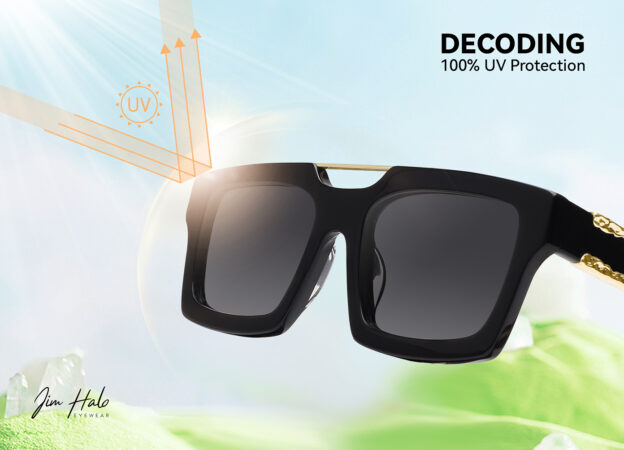
Decoding 100% UV Protection: Unveiling the Shield

Decoding 100% UV Protection: Unveiling the Shield

This guide will explore:

1.Understanding the Importance of UV Protection
2.The Shield of 100% UV Protection
3.Debunking UV Protection Myths
4.The Hidden Dangers of UV Radiation
5.Evaluating UV Protection in Eyewear
6.Embrace Optimal Eye Health with UV Protection
7.Conclusion

Text Leading

When it comes to protecting our eyes from the harmful effects of UV radiation, there’s one phrase that stands out: UV protection. In this blog, we’ll dive deep into the significance of UV protection for our eye health. From understanding the dangers of UV rays to unraveling the mechanisms behind effective protection, we’ll explore why choosing the right eyewear matters.

Understanding the Importance of UV Protection

Let’s take a moment to understand why UV protection for our eyes is so crucial. When we step out into the sunlight, we are exposed to invisible dangers lurking in the form of harmful UV rays. These rays, categorized as UVA, UVB, and UVC, have the potential to wreak havoc on our delicate eyes, leading to long-term damage and eye conditions. That’s where the mighty shield of UV protection comes in. By wearing the right kind of eyewear that offers effective UV protection, we can safeguard our eyes from these hidden dangers. It’s like putting on a suit of armor for our eyes, defending them against the harmful effects of UV radiation.
The Shield of 100% UV Protection

Imagine slipping on a pair of sunglasses and instantly feeling a shield of protection against the invisible threats of UV rays. It’s like having a superhero’s shield for your eyes, guarding them against the harmful effects of UV radiation. How does it work, you ask? Well, behind the scenes, these remarkable sunglasses are equipped with special UV filters and coatings that act as a fortress, blocking those pesky UV rays from reaching your precious eyes. When you choose trusted eyewear brands like Jimhaloeyewear, you can be confident that you’re getting reliable and effective UV protection. It’s not just about fashion or style; it’s about ensuring the long-term health of your eyes. So, the next time you put on those shades, remember that you’re not just making a fashion statement, you’re embracing a powerful shield that keeps your eyes safe and secure.

Clearing the Air: Unmasking UV Protection Myths

Let’s uncover the truth and put an end to the myths surrounding UV protection. There’s a lot of misinformation floating around, so it’s time to set the record straight.
Myth 1: UV protection is only necessary on sunny days. False! UV rays are sneaky and can penetrate through clouds, meaning your eyes are still at risk even on overcast days.
Myth 2: Lens color determines the level of UV protection. Not quite. The level of UV protection is determined by the coatings and filters applied to the lenses, regardless of their color. And last but not least,
Myth 3: You don’t need UV protection indoors. Wrong again! While the intensity of UV rays may be lower indoors, they can still harm your eyes, especially in environments with strong artificial lighting.
So, let’s shatter these misconceptions and prioritize our eye health by choosing UV-protective eyewear from trusted brands like Jimhaloeyewear. Don’t let myths cloud your vision—opt for the truth and shield your eyes from harmful UV rays.
Unveiling the Sun’s Secret Hazards: Safeguarding Your Eyes

As the warm sun kisses our skin, we revel in its glow, but little do we know about the hidden dangers it holds for our eyes. UV radiation, the silent assailant, can wreak havoc on our precious windows to the world. It’s time to uncover these lurking risks and take charge of our eye health. Prolonged exposure to UV rays can lead to cataracts, a clouding of the eye’s lens that can blur our vision. Macular degeneration, a progressive eye disease, can rob us of our central vision over time. And then there’s photokeratitis, an excruciating sunburn of the eyes, causing pain and temporary vision loss. But fear not, for prevention is within reach. By adorning ourselves with UV-protective eyewear,we shield our eyes from these unseen dangers, ensuring a lifetime of clear, vibrant vision. Let’s step into the sun’s warm embrace with confidence, knowing that we’ve embraced the power of UV protection for our precious eyes.

Decoding UV Protection: Finding Your Shield

When it comes to choosing the right eyewear to safeguard our eyes from harmful UV rays, it’s essential to be an informed consumer. Let’s navigate the realm of UV protection together and empower ourselves to make the best choices. Start by examining the UV protection labels on sunglasses or eyeglasses. Look for clear indicators of 100% UV protection, as this ensures maximum defense against harmful rays. Familiarize yourself with industry standards and certifications, such as the ANSI Z80.3 standard, which guarantees effective UV protection. Remember, it’s not just about style; it’s about keeping our eyes safe and healthy. When you slip on a pair of sunglasses from Jimhaloeyewear, you can trust that they meet the highest standards of UV protection.
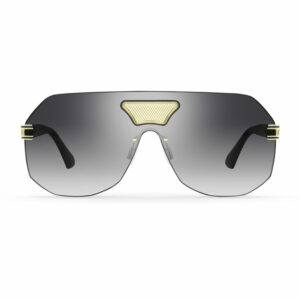
Ezra S

Conclusion

Conclusion
As we reach the end of this eye-opening journey, let’s reflect on the significance of UV protection and the profound impact it can have on our eye health. Remember, our eyes are precious, delicate treasures that deserve the utmost care and attention. By embracing the shield of UV protection, we can protect our eyes from the hidden perils of UV radiation, such as cataracts, macular degeneration, and photokeratitis. The choice is in your hands – prioritize your eye health and make a commitment to yourself. Take the first step towards preserving your vision by exploring the range of UV-protective eyewear available at Jimhaloeyewear.com. Each pair is thoughtfully crafted to provide both style and reliable UV protection, ensuring your eyes radiate with clarity and vitality. Don’t wait any longer; cherish your eyes, adorn them with the protection they deserve, and embark on a future filled with vibrant sights and memorable experiences. Visit Jimhaloeyewear.com today, because your eyes deserve nothing less than the very best.
Is blue light really harmful to the eyes?

Understanding Blue Light and Anti-Blue Light Glasses

Introduction:

In today’s digital age, concerns have been raised about the potential harm of blue light emitted by electronic devices like cell phones and computers. This guide aims to explore the impact of blue light on our health and shed light on the effectiveness and qualifications of anti-blue light glasses.

The Nature of Blue Light:

Blue light is a component of visible light characterized by its short wavelength and high energy. It can be further classified into blue-green light and blue-violet light. While blue-green light is believed to have beneficial effects on the human body, stimulating pupil contraction and regulating biorhythms, blue-violet light poses potential harm to the eyes. Prolonged exposure to blue-violet light can lead to the production of lipofuscin in the eye’s macula, resulting in phototoxic reactions and macular degeneration.

Age Sensitivity and Exposure:

Blue light affects individuals of different ages in varying degrees. As we age, the lens of our eyes naturally absorbs more blue light, reducing its transmission. However, children have clear lenses with a higher transmission rate, making them more susceptible to the effects of blue light. Excessive use of electronic devices has been shown to impact children’s vision and sleep quality. While blue light may not be solely to blame, it is essential to limit screen time for children.

Anti-Blue Light Glasses:

Anti-blue light glasses have gained popularity as a means to reduce the potential eye damage caused by blue light from electronic devices. These glasses are designed to filter out harmful blue-violet light while allowing the beneficial blue-green light to pass through, ensuring visual clarity and comfort. However, the effectiveness of anti-blue light glasses has been primarily studied using high-intensity blue-violet light in animal experiments, which do not represent typical exposure levels from LED lights and electronic screens. Thus, there is no need for excessive concern about blue light‘s impact.

Quality and Selection:

The quality of anti-blue light glasses available in the market varies significantly. High-quality lenses effectively filter blue-violet light while maintaining optimal blue-green light transmission. They are typically light in color and may come at a higher price. It is advisable to choose reputable brands that meet the required standards for lens transmittance and chromatic aberration.

Considerations and Alternatives:

If one lacks confidence in selecting qualified anti-blue light glasses, wearing ordinary glasses is a viable alternative. The exposure to blue light in everyday life is not significant enough to necessitate the use of anti-blue light glasses. Furthermore, wearing non-qualified glasses can potentially cause more harm to the eyes.

Conclusion:

Understanding the nature of blue light and its effects is crucial in making informed decisions about protecting our eyes. While blue-violet light can be harmful, it is essential to consider the level of exposure and the qualifications of anti-blue light glasses. Prioritizing screen time limitations, especially for children, can also contribute to maintaining healthy eyesight in the digital era.
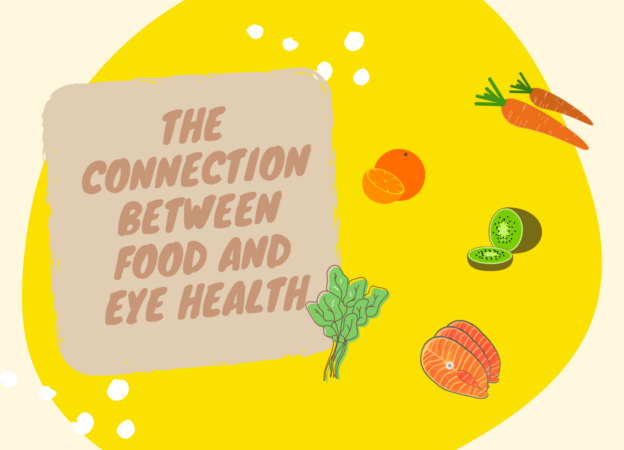
The Connection between Food and Eye Health

Nourishing Your Eyes: The Connection between Food and Eye Health

Introduction:

Our eyes are not only windows to the world but also vital organs that enable us to experience the beauty around us. Taking care of our eyes is crucial for maintaining good vision and overall eye health. While regular eye examinations and proper eye care habits are important, we often overlook the role that nutrition plays in keeping our eyes in optimal condition. In this blog post, we will explore the connection between food and eye health and discover how certain nutrients can contribute to maintaining healthy eyes.
  1. Antioxidants for Eye Health:

Antioxidants are powerful compounds that help protect our cells from damage caused by free radicals. When it comes to eye health, antioxidants play a vital role in preventing age-related macular degeneration (AMD) and cataracts, two common eye conditions that can lead to vision loss. Foods rich in antioxidants, such as fruits and vegetables, help combat oxidative stress and reduce the risk of these conditions. Include colorful fruits like berries, oranges, and kiwis, as well as leafy greens like spinach and kale, in your diet to ensure a good intake of antioxidants.
  1. Omega-3 Fatty Acids for Eye Moisture:

Dry eyes can be uncomfortable and may even affect our vision. Omega-3 fatty acids, particularly docosahexaenoic acid (DHA), are essential for maintaining eye moisture and reducing the symptoms of dry eyes. Cold-water fish like salmon, tuna, and sardines are excellent sources of omega-3 fatty acids. For non-fish eaters, options like flaxseeds, chia seeds, and walnuts provide plant-based alternatives. Including these foods in your diet can help alleviate dry eye symptoms and support overall eye health.
  1. Vitamins and Minerals for Eye Vitality:

Certain vitamins and minerals are crucial for maintaining eye vitality and preventing eye diseases. Vitamin C, vitamin E, and zinc are known for their role in reducing the risk of developing advanced AMD. Citrus fruits, bell peppers, almonds, and oysters are great sources of these nutrients. Additionally, vitamin A, commonly found in carrots, sweet potatoes, and spinach, is essential for maintaining good night vision. Including a variety of foods rich in these vitamins and minerals can contribute to the long-term health of your eyes.
  1. Maintaining Healthy Blood Sugar Levels:

High blood sugar levels can have detrimental effects on our overall health, including our eyes. Diabetic retinopathy is a condition that occurs when blood vessels in the retina are damaged due to diabetes. To maintain healthy blood sugar levels, it is important to follow a balanced diet that includes whole grains, lean proteins, and plenty of fruits and vegetables. Avoid excessive consumption of sugary and processed foods to reduce the risk of developing diabetic retinopathy.
  1. Hydration for Eye Moisture:

Proper hydration is essential for maintaining eye moisture and preventing dry eyes. Drinking an adequate amount of water throughout the day helps in maintaining the natural tear film that keeps our eyes lubricated. Additionally, consuming hydrating foods like cucumbers, watermelon, and celery can contribute to overall hydration and eye health. Remember to drink enough water and include hydrating foods as part of your daily routine.

Conclusion:

When it comes to eye health, the saying “you are what you eat” holds true. A well-balanced diet rich in antioxidants, omega-3 fatty acids, vitamins, and minerals is essential for maintaining healthy eyes. By incorporating eye-friendly foods into our daily meals, we can nourish our eyes and reduce the risk of developing common eye conditions. Remember, caring for your eyes goes beyond just visiting the eye doctor; it starts with the choices you make in the kitchen. Let’s prioritize our eye health and enjoy the world.
dry eye syndrome

Dry Eye Syndrome

Dry eye syndrome, or keratoconjunctivitis sicca, occurs when the eyes don’t produce enough tears or when tears evaporate too quickly. Causes include low humidity, medical conditions, certain medications, aging, and prolonged digital device use. Symptoms include dryness, redness, blurry vision, light sensitivity, eye fatigue, discomfort when wearing contact lenses, excessive tearing, and gritty or sandy sensation.

What Is Dry Eye Syndrome

Dry eye syndrome, also known as keratoconjunctivitis sicca, is a condition in which the eyes do not produce enough tears, or the tears evaporate too quickly, causing the eyes to become dry, red, and irritated.

Causes

Dry eye syndrome can be caused by a variety of factors, including environmental factors such as low humidity or exposure to wind or smoke, medical conditions such as Sjogren’s syndrome, certain medications, aging, hormonal changes, and even prolonged use of digital devices. Additionally, some people may not produce enough tears or may have poor quality tears, which can also contribute to dry eye syndrome.

Dry Eye Symptom

The symptoms of dry eye syndrome may include:
  1. A feeling of dryness or irritation in the eyes
  2. Redness in the eyes
  3. Blurry vision
  4. Sensitivity to light
  5. Eye fatigue
  6. Discomfort when wearing contact lenses
  7. Excessive tearing (as the eyes try to compensate for the dryness)
  8. A gritty or sandy sensation in the eyes.

Dry Eye Treatment

The treatment for dry eye syndrome varies depending on the severity and underlying cause. Some common treatments include:
  1. Artificial Tears: Over-the-counter eye drops that can help lubricate the eyes and relieve dryness.
  2. Prescription Eye Drops: In some cases, prescription eye drops may be helpful. It’s necessary to reduce inflammation and increase tear production.
  3. Lifestyle Changes: Avoiding dry environments, taking frequent breaks from computer or device use. You can put on JimHalo’s eyeglasses and stay hydrated. can all help reduce symptoms.
  4. Punctal Plugs: These are small devices that can be inserted into the tear ducts, and they will help keep tears on the surface of the eye longer. This helps to keep the eyes moist. It may be recommended if other treatments have not been effective.
The most important thing is to visit an eye doctor. Doctors will give professional treatment for your specific case.

prevetetion

Here are some tips to prevent dry eye syndrome:
  1. Blink frequently: Make a conscious effort to blink more often, especially when working on the computer or reading for long periods of time.Blinking helps to spread moisture over the surface of the eye, keeping it moist.
  2. Take breaks: To prevent eye strain, frequent breaks are needed. Take breaks from activities like staring at a computer screen or reading. Every 20 minutes, take a break and look away from your screen. This gives your eyes a chance to rest and reduces the strain on your eyes.
  3. Use a humidifier: Adding moisture to the air can help prevent dry eyes, especially when winter comes, the air indoors turns extremely dry .
  4. Avoid smoking: Smoking can worsen dry eye symptoms, so if you smoke, consider quitting.
  5. Use eye drops: Over-the-counter eye drops can provide temporary relief for dry eyes, but talk to your doctor if you need more long-term treatment options.
  6. Adjust the lighting: The lighting in your work area can also contribute to eye dryness. Make sure that the lighting is not too bright or too dim, and avoid glare from windows or overhead lights.

conclusion

In conclusion, dry eye syndrome can be caused by a variety of factors, including environmental factors, medical conditions, and prolonged device use. To prevent dry eye syndrome, it’s important to blink frequently, take breaks from activities that strain the eyes, use a humidifier, avoid smoking, use eye drops as needed, and adjust the lighting in your work area. If you are experiencing symptoms of dry eye syndrome, it’s important to consult with an eye doctor for professional treatment tailored to your specific needs.
Eye health has become an important and common health concern. For our happiness in life, we need to pay attention to our eyes condition.And JimHalo eyewear will always be your perfect choice.
To protect your eyes from dryness, let’s visit at https://www.jimhaloeyewear.com/ . You may find one pair perfect for you!
Myopia

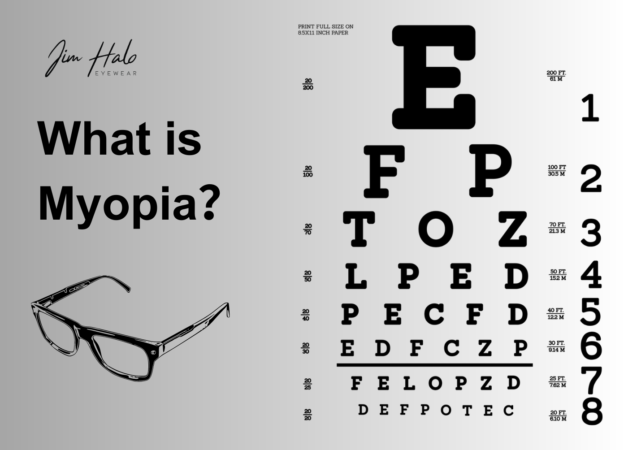
What is Myopia?

Myopia, also known as nearsightedness, is a refractive error,which affects the ability of the eye to focus on distant objects. It is a common vision problem. Even though it affects millions of people worldwide, its prevalence is increasing at an alarming rate.

What Causes Myopia

Myopia is caused by both genetic and environmental factors. Research suggests that if one or both parents are nearsighted, their children are more likely to develop myopia.
Also, spending too much time indoors and engaging in activities,like reading and using digital devices, which require a lot of close-up work, may increase the risk of developing myopia. Parents can help their children by encouraging outdoor activities and limiting screen time. Good habits, such as taking frequent breaks during close-up work, maintaining proper posture, and getting regular eye check-ups, can also help prevent and manage myopia.

Signs & Symptoms of Nearsightedness

The main symptom of nearsightedness is difficulty seeing distant objects clearly, while nearby objects are usually clear. Other signs and symptoms of nearsightedness may include:
  • Squinting to see distant objects
  • Headaches, especially after reading or other close work
  • Eye strain or fatigue
  • Blurred vision when looking at distant objects
  • Difficulty seeing while driving, especially at night
  • Needing to sit closer to the TV or computer screen
  • Rubbing the eyes frequently
If you are experiencing any of these symptoms, it is important to schedule an eye exam with an optometrist or ophthalmologist to determine if you have nearsightedness or another vision problem.

Can Myopia Be Corrected

Yes, it can be corrected through various methods such as wearing glasses or contact lenses, undergoing refractive surgery, or using orthokeratology lenses. The most common method of correction is wearing prescription glasses or contact lenses that are designed to adjust the focus of light entering the eye.
Refractive surgery, such as LASIK, can also be an option for those who want a more permanent solution. Orthokeratology lenses are another option, which involves wearing specialized contact lenses overnight to reshape the cornea temporarily. It’s important to consult with an eye care professional to determine the best method of correction for your individual needs.

How to Choose Eyeglasses for Your Eyes

Regular eye check-ups with an eye doctor are crucial to ensure you have the right prescription lenses for your degree of myopia. Comfort and suitability are key factors when choosing a frame style and shape. Some frames can be too heavy or tight, causing discomfort or headaches.
Material of the frame is important, too. There are many options available, including metal, plastic, and even eco-friendly materials like bamboo.
Besides, think about any additional features you may want, such as anti-reflective coatings, photochromic lenses, or blue light blocking technology.

How to Stop Myopia from Progressing

One of the most effective ways is to take regular breaks from close-up activities. Spending long periods of reading or using electronic devices can strain your eyes and contribute to myopia progression. To prevent this, take frequent breaks and look away from the screen or book to give your eyes a rest. Spending time outdoors and getting exposure to natural sunlight can slow the progression of myopia, according to studies.
A healthy diet that includes fruits, vegetables, and omega-3 fatty acids can also support healthy vision and reduce myopia progression.
Wearing the correct prescription is crucial and an effective way to slow the progression of myopia. Therefore, it is essential to wear the correct prescription prescribed by your eye doctor, especially if you already wear glasses or contacts for myopia. Wearing the wrong prescription can worsen myopia.
Consider orthokeratology, a non-surgical treatment where special contact lenses are worn overnight to reshape the cornea and temporarily correct myopia. This treatment has been shown to slow the progression of myopia in some patients. It’s important to consult with your eye doctor for personalized advice on how to manage and stop the progression of your myopia. By taking proactive steps and addressing the underlying causes, you can help protect your eyesight and maintain healthy vision.
Willow

Conclusion

In conclusion, myopia is a common vision problem that can be caused by both genetic and environmental factors. However, there are several ways to manage and correct myopia, including wearing glasses or contact lenses, undergoing refractive surgery, or using orthokeratology lenses. Taking proactive steps like spending time outdoors, maintaining a healthy diet, and wearing the correct prescription can also help slow the progression of myopia. Regular eye check-ups with an eye doctor are essential to ensure you have the right prescription lenses for your individual needs.
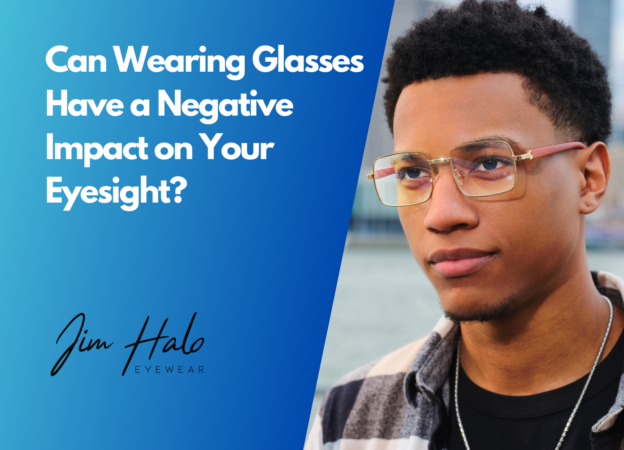
Can Wearing Glasses Have a Negative Impact on Your Eyesight?

Can Wearing Glasses Have a Negative Impact on Your Eyesight?

Table of Content:
  • Understanding the Need for Eyeglasses
  • Eyeglasses Cause Weakened Vision?
  • Myths vs Facts: Debunking Misconceptions about Eyeglasses
  • The Link Between Eyeglasses and Visual Acuity
  • Exploring the Connection Between Eyeglasses and Eye Strain
  • Managing Your Eyesight with Eyeglasses and Preventing Further Deterioration
  • Conclusion
Text Leading:
Have you ever been concerned that wearing glasses could somehow harm your vision? We know there’s a lot of confusion out there, but we’re here to clear things up. In our newest blog post, we tackle common myths and misunderstandings about eyeglasses and how they affect your eyesight. Plus, we’ll talk about why it’s crucial to pick the perfect pair for your needs, and show off some fashionable, high-quality options from Jimhaloeyewear.
Don’t let these tall tales keep you from seeing the world in crystal-clear focus. Our blog post will help you understand how glasses can actually enhance your vision and keep your eyes in tip-top shape.

Understanding the Need for Eyeglasses

Eyeglasses are essential for many people. They help correct vision problems caused by refractive errors. These errors include nearsightedness, farsightedness, and astigmatism. They happen when the eye’s shape affects how light focuses on the retina. Glasses help fix these issues and provide clearer vision.
To get the right glasses, you need a prescription from an eye care professional. They will do an eye exam and find the right corrective power for your vision. Regular eye exams are important. They make sure your glasses match your current vision needs. Our vision can change over time because of aging, genetics, and lifestyle.
Wearing the right glasses is good for our eyes. It helps prevent eye strain, headaches, and discomfort. In short, glasses improve our vision and overall eye health.
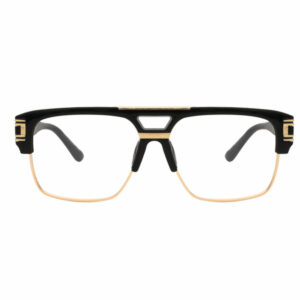
William glasses

Eyeglasses Cause Weakened Vision?

The concern that wearing glasses could lead to weaker vision is a common misconception. Many people worry that using glasses might make their eyes dependent on this external support, potentially worsening their vision in the long run. However, this idea is far from accurate, and it’s essential to debunk such myths.
Glasses are actually designed to help, not hinder, our vision. They work by compensating for any focusing issues our eyes may have, allowing us to see more clearly. Whether it’s nearsightedness, farsightedness, or astigmatism, eyeglass provide the necessary assistance for our eyes to focus light accurately on the retina. Importantly, eyeglass don’t alter the physical structure of our eyes, nor do they interfere with their natural ability to focus light. Instead, they serve as a valuable tool for improving our eyesight and maintaining overall eye health.

Myths vs Facts: Debunking Misconceptions about Eyeglasses

There are several myths surrounding glasses and their impact on eyesight. Let’s debunk some of the most common misconceptions:
  • Myth: Wearing glasses weakens your eyesight, making you more dependent on them.
  • Fact: As mentioned earlier, glasses do not weaken your vision. They simply correct refractive errors, allowing you to see clearly.
  • Myth: It’s better to avoid wearing glasses to prevent your vision from getting worse.
  • Fact: Avoiding glasses when you need them can strain your eyes and cause headaches. Wearing glasses as prescribed can help maintain your vision and reduce eye strain.

The Link Between Eyeglass and Visual Acuity

Wearing glasses can significantly improve your visual acuity, which is a measure of how well you can see at various distances. When you wear eyewear that matches your prescription, your eyes can focus light correctly, and your visual acuity improves.
In some cases, wearing glasses can even improve your vision beyond the standard 20/20 level. For instance, individuals with high levels of myopia may see better with glasses than those with perfect vision.

Exploring the Connection Between Eyeglass and Eye Strain

Wearing glasses can also help reduce eye strain, which is often caused by squinting and struggling to see clearly. Glasses can minimize eye strain by correcting refractive errors and allowing your eyes to focus light more accurately.
However, it’s essential to wear the correct prescription, as wearing the wrong eyewear can cause discomfort and even increase eye strain. Regular eye exams can help ensure that your prescription remains up-to-date and your eyes are protected from unnecessary strain.

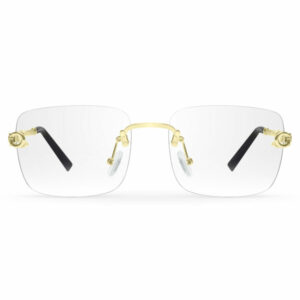
James glasses

Managing Your Eyesight with Eyeglass and Preventing Further Deterioration

Taking care of your eyesight is crucial, and wearing eyeglass is an effective way to manage vision problems. To prevent further deterioration of your eyesight, it’s essential to:
  1. Attend regular eye exams to monitor your vision and update your prescription as needed.
  2. Wear glasses as prescribed by your eye care professional, ensuring that they fit well and are comfortable.
  3. Protect your eyes from harmful UV rays by wearing sunglasses with adequate UV protection, such as those available from Jimhaloeyewear.
  4. Limit screen time and practice the 20-20-20 rule: every 20 minutes, look at something 20 feet away for 20 seconds to reduce eye strain.
  5. Maintain a healthy lifestyle, including a balanced diet and regular exercise, to support overall eye health.

Conclusion

Jimhaloeyewear provides a fantastic variety of trendy, high-quality glasses and sunglasses to help you see better and shield your eyes from harmful UV rays. When you choose Jimhaloeyewear, you can trust that you’re giving your eyes the best care and keeping them in great shape.
So, in conclusion, glasses don’t harm your eyesight. In fact, they correct vision problems, sharpen your sight, and lessen eye strain. By looking after your eyes and wearing the right glasses, you can avoid making your vision worse and keeping your eyes healthy.
Don’t wait to treat your eyes right. Head to jimhaloeyewear.com now to browse their amazing selection of stylish and top-quality glasses and sunglasses, and find the perfect pair for your peepers.