Tag Archives: optical glasses

The Evolution of Optical Glasses: A Brief History

The Evolution of Optical Glasses: A Brief History

Introduction:

Optical glasses have revolutionized the way we perceive the world, correcting our vision and enhancing our visual experience. From their humble beginnings to the advanced technologies we have today, the evolution of optical glasses is a fascinating journey that has spanned centuries. In this blog, we will take a closer look at the history of optical glasses and the significant milestones that have shaped this essential aspect of our lives.
  1. Ancient Beginnings:

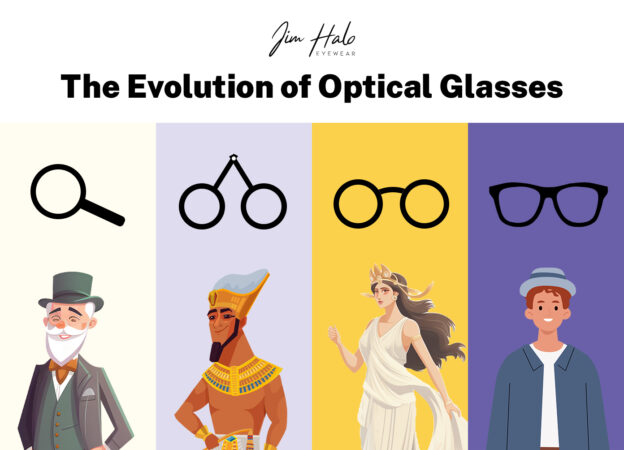
The roots of optical glasses can be traced back to ancient civilizations. Evidence of magnifying lenses can be dated as far back as the first century AD in ancient Rome. During this time, skilled glassblowers would experiment with convex lenses, creating rudimentary magnifying glasses. Similarly, the ancient Egyptians were known to utilize flat glass discs as early versions of corrective lenses. These early developments in ancient civilizations laid the foundation for the evolution of optical glasses as we know them today.
  1. The Birth of Eyeglasses:

An unknown Italian artisan is often credited with inventing the first wearable spectacles, marking a pivotal moment in the history of optical glasses during the 13th century. These early spectacles consisted of two glass lenses held together by a frame, allowing individuals with presbyopia (age-related farsightedness) to read and perform close-up tasks more comfortably.
  1. Advancements in Lens Shape and Design:

The 17th and 18th centuries witnessed notable progress in lens shape and design. Dutch scientist Christiaan Huygens played a crucial role during the 1600s by introducing lenses with a biconcave shape. This innovation greatly enhanced the optical performance of glasses. Moreover, it laid the foundation for the creation of smaller and more comfortable eyewear, opening new possibilities in the realm of visual correction.
  1. The Industrial Revolution and Mass Production:

The industrial revolution in the 19th century brought about a remarkable revolution in the manufacturing of optical glasses. Through the introduction of machinery and the ability to mass-produce lenses, the accessibility and affordability of eyewear underwent a transformative change. Of notable significance was the invention of the optometric lens-grinding machine by American ophthalmologist Hermann Snellen in 1862. This invention played a pivotal role in standardizing the precision of lens grinding techniques. Consequently, it ensured enhanced visual correction for individuals requiring eyeglasses.
  1. The Introduction of Lightweight Materials:

The 20th century witnessed a shift from traditional materials like glass to lightweight materials such as plastic. In the 1930s, polymethyl methacrylate (PMMA), commonly known as acrylic or plexiglass, emerged as a popular alternative due to its durability and lighter weight. This breakthrough allowed for more comfortable eyeglasses, reducing the pressure on the bridge of the nose.
  1. The Rise of Fashionable Eyewear:

In the late 20th century, eyeglasses transcended their functional purpose and transformed into fashionable accessories. Designers began infusing style and aesthetics into eyewear, transforming them into striking statement pieces. This shift elevated eyeglasses to the realm of fashion, and individuals started embracing them as an integral part of their personal style. No longer merely a visual aid, eyeglasses became a powerful fashion statement, allowing people to express their unique sense of style and personality.
  1. Technological Advancements and Customization:

Recent years have witnessed remarkable technological advancements in optical glasses. Digital lenses, progressive lenses, photochromic lenses, and anti-reflective coatings are just a few examples of the cutting-edge features available today. Additionally, advancements in 3D printing technology have opened up new possibilities for customized frames, allowing individuals to have eyeglasses tailored to their unique preferences and facial characteristics.

Conclusion:

The journey of optical glasses, starting from ancient magnifying lenses and culminating in the modern, technologically advanced eyewear we enjoy today, stands as a testament to human ingenuity and our relentless quest for enhanced vision. As optical glasses continue to progress, we can anticipate even greater advancements in materials, designs, and functionality. These breakthroughs will not only enrich our visual acuity but also elevate our overall eyewear experience, reflecting the ongoing pursuit of excellence in the field of vision correction.

What to do if your glasses are slipping?

This guide will explore:
  • Ask a professional optometrist to adjust the frames
  • Stick non-slip nose pad
  • Install an eyeglass anti-slip sleeve on the temples
  • Clean your glasses regularly
  • Choose the right frame

Text Leading

People who wear glasses wear them for more than 12 hours a day. With such a high frequency of use, the comfort of wearing glasses is crucial. The problem of sliding downward is also a problem that almost all glasses wearers encounter.
How to solve this problem?
  1. Ask a professional optometrist to adjust the frames

If the glasses are caused by looseness, you can deal with it by adjusting the tightness of the connection or the frame.
If the frame has a nosepiece, you can adjust the nosepiece to ease the slippage. Sliding or uneven glasses are basically caused by uneven weight, and adjusting the nosepiece can bring the frame back into balance.
  1. Levi glasssesStick non-slip nose pad

If it is a frame without nosepiece, there is no way to relieve it by adjusting the nosepiece, then we have to use nose pads to improve it.The better quality imported nose pads are mostly made of soft and transparent silicone, which is not easy to yellow and not easy to deform, and has strong anti-slip and corrosion resistance. And you can also choose different thin and thick nose pads according to your needs.
However, remember that nose pads cannot be reused and cannot be rinsed directly with water. For nose pads, they typically have a usage period of approximately 3 months. During summer when sweating is more frequent, it is advisable to replace them every two months. However, in winter when sweating is less, replacements can be made once every six months.
  1. Install an eyeglass anti-slip sleeve on the temples

Place the anti-slip sleeve on top of the temples and hook it over the ears without affecting the aesthetics. If you usually exercise and work out a lot, or engage in heavy work, you can consider adding a non-slip cover on the temples to avoid the glasses from slipping, but also to protect the frame from being broken.
There are many forms of anti-slip sleeves, invisible, anti-allergic, and simple ear hook forms, you can choose according to your needs.
  1. Clean your glasses regularly

One reason for glasses to slip is the accumulation of dust and oil on the nose pads and temples. Cleaning your glasses regularly will prevent this buildup and keep them in place. To clean your glasses, use a mild soap and water solution and gently scrub the nose pads and temples with a soft brush. Rinse with clean water and dry with a clean cloth.
  1. Choose the right glasses frame

Finally, if you are still having trouble keeping your glasses in place, it may be time to consider a different frame. The right frame will keep your glasses in the right position. Look for frames with adjustable nose pads, comfortable accessories, and sturdy temples. Also, consider the shape of your face and choose a frame that complements your features.
In summary, keeping glasses from slipping off may pose challenges. However, the mentioned methods can effectively solve this issue.

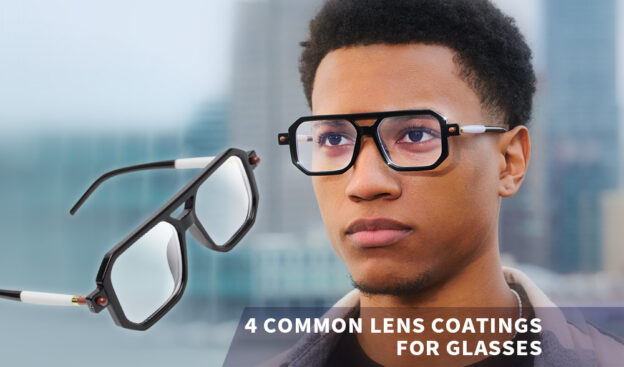
4 Common Lens Coatings for Glasses

This guide will explore:
  1. Introduction
  2. Coating 1: Anti-reflective Coating
  3. Coating 2: Scratch-resistant Coating
  4. Coating 3: Ultraviolet (UV) Protection Coating
  5. Coating 4: Blue Light Blocking Coating
  6. Photochromic Lenses: Adapting to Light Conditions
  7. Choosing the Right Coatings: Factors to Consider
  8. Conclusion

Text Leading

This article explores four common lens coatings for glasses that improve visual experience, extend lens life, and protect your eyes. These coatings include anti-reflective, scratch-resistant, UV protection, and blue light blocking, each offering unique benefits. Additionally, photochromic lenses and factors to consider when choosing the right coating are discussed. Select the best for your glasses, ensuring optimal eye health and comfort.
  1. Introduction

In today’s fast-paced world, people rely heavily on their vision to navigate daily life. Glasses, being the most common solution to refractive errors, should provide optimal vision and eye protection. This article will discuss four common lens coatings for glasses, along with two additional topics to enhance your knowledge of the subject. These coatings can improve your visual experience, extend the life of your lenses, and safeguard your eyes from harmful external elements.
Kenny
  1. Anti-reflective Coating

Anti-reflective (AR) coating is a thin, transparent layer applied to the surface of the lens. It reduces glare and reflections, allowing more light to pass through the lens and reach your eyes. This results in sharper vision and reduced eye strain, especially during nighttime driving or prolonged computer use.
Benefits of AR coatings include:
  • Improved visual comfort
  • Enhanced cosmetic appearance
  • Reduced glare, making it easier to see in high-glare situations
  • Clearer vision at night
  • Minimized eye strain during extended screen time
  1. Scratch-resistant Coating

Scratch-resistant coatings are designed to protect the lens surface from scratches and minor abrasions, prolonging the life of your glasses. While no lens material is entirely scratch-proof, this coating makes the lens more resistant to everyday wear and tear.
Advantages of scratch-resistant coating are:
  • Enhanced durability of lenses
  • Better clarity and visual quality
  • Cost-effective, as it reduces the need for frequent lens replacements
  • Maintains a clear and sharp view through the lens
Douglas
  1. Ultraviolet (UV) Protection Coating

Prolonged exposure to ultraviolet radiation can harm your eyes and increase the risk of developing conditions like cataracts, macular degeneration, and corneal sunburn. UV protection coatings are designed to block harmful UV rays, shielding your eyes from potential damage.
Key benefits of UV protection coating include:
  • Protection from UVA and UVB radiation
  • Reduced risk of age-related eye diseases
  • Prevention of corneal sunburn and other sun-related eye issues
  • Ensuring proper eye care for outdoor activities
  1. Blue Light Blocking Coating

Blue light, emitted by digital devices like smartphones, computers, and LED screens, can contribute to digital eye strain and disrupt sleep patterns. Blue light blocking coatings help filter out this harmful light, alleviating eye strain and promoting better sleep.
Advantages of blue light blocking coating are:
  • Reduced digital eye strain and fatigue
  • Improved sleep quality by regulating melatonin production
  • Prevention of potential long-term damage to retinal cells
  • Enhanced visual comfort during screen time
Sethos
  1. Photochromic Lenses: Adapting to Light Conditions

While not a coating, photochromic lenses are worth mentioning as they offer additional convenience to eyeglass wearers. These lenses darken automatically when exposed to sunlight and return to their clear state indoors. They provide continuous UV protection and reduce glare, ensuring comfortable vision in varying light conditions.
  1. Choosing the Right Coating: Factors to Consider

Selecting the appropriate lens coatings depends on your lifestyle, personal preferences, and specific visual requirements. Consider the following factors when choosing it:
  • Occupation: Do you work outdoors, in a digital environment, or a combination of both?
  • Hobbies: Do your hobbies involve extended screen time, outdoor activities, or require sharp vision?
  • Budget: Balance your needs with your budget, as it may add to the overall cost of your glasses.
  • Previous experiences: If you’ve had issues with glare, scratches, or eye strain in the past, consider coatings that address these problems.
Darren

Conclusion

Lens coatings play a significant role in enhancing visual comfort, protecting your eyes, and prolonging the life of your glasses. Anti-reflective, scratch-resistant, UV protection, and blue light blocking coatings offer numerous benefits, tailored to different needs and lifestyles. Photochromic lenses provide an added level of convenience for those who prefer adaptive eyewear.
When choosing the right coating, consider factors such as occupation, hobbies, budget, and previous experiences to make an informed decision. Consult with your optometrist or optician to better understand your specific visual requirements and find the best lens coatings for your glasses. Remember, investing in the appropriate lens coatings can make all the difference in maintaining optimal eye health and comfort.
Understanding Progressive Lenses: A Comprehensive Guide

Understanding Progressive Lenses: A Comprehensive Guide

Introduction

Earth Day is an annual event that celebrates the environment and raises awareness about the pressing issues our planet faces. As individuals, we can take small steps to contribute to a healthier world, and one such effort is choosing eco-friendly eyewear. In this comprehensive guide, we explore optical glasses with progressive lenses as an environmentally conscious option for your vision needs.
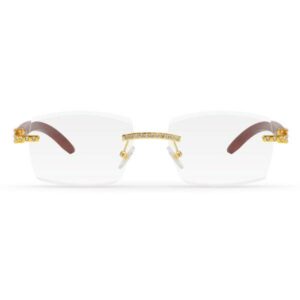
Adonis Gold

What are Progressive Lenses?

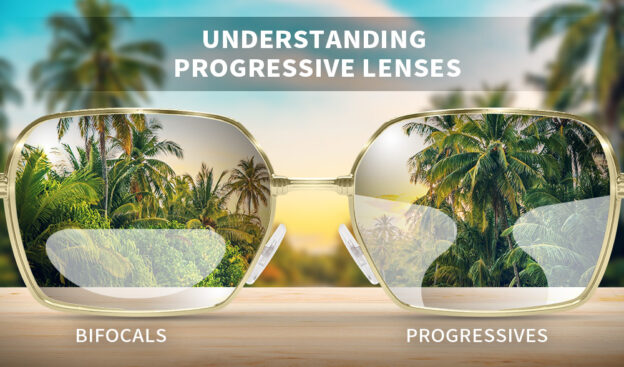
Progressive lenses, also known as multifocal lenses, are an advanced type of optical glasses that provide seamless vision correction for varying distances. Unlike bifocal and trifocal lenses, which have distinct zones for near and far vision, progressive lenses offer a smooth transition between these zones, eliminating the “image jump” commonly experienced with traditional multifocals.
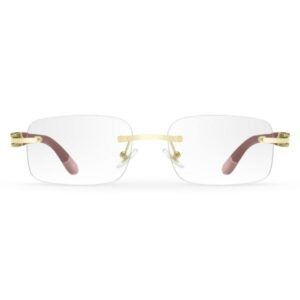
Paxton Gold
The advantages of progressive lenses are numerous, including improved visual comfort, a more natural viewing experience, and a sleek, modern appearance without visible lines on the lens surface.

The Art of Crafting Eyewear with a Conscience: A Glimpse into the Environmental Impact of Eyewear Production

The world of eyewear, much like other industries, has an undeniable connection to the health of our planet. Amidst the sparkle of fashionable frames and the promise of crystal-clear vision, lies the often-overlooked reality of the industry’s contribution to the global carbon footprint. The traditional process of crafting lenses is not without its environmental consequences, as it involves the use of harmful chemicals, excessive energy consumption, and the generation of unwanted waste materials. However, by consciously opting for eyeglasses fitted with progressive lenses, we, as consumers, have the power to make a more eco-friendly choice.
A progressive lens, as its name suggests, offers a seamless transition between different levels of vision correction, enabling its wearer to enjoy the benefits of multiple prescriptions in a single pair of glasses. This innovative design not only reduces the need for additional materials but also minimizes waste production by eliminating the necessity for separate eyewear for varying vision requirements. As a cherry on top, these versatile lenses boast an extended lifespan, thanks to their adaptability and durability. This means fewer trips to the optician to replace outdated or damaged glasses, ultimately lessening the burden on our environment.
By choosing progressive lenses, we not only embrace the convenience and simplicity of a single pair of glasses, but also actively participate in protecting our precious planet. Through this small but significant choice, we can contribute to a more sustainable future for the eyewear industry and the environment as a whole. So, the next time you find yourself in need of a new pair of optical glasses, remember that opting for progressive lenses is not only a smart choice for your eyes, but also a loving gesture towards Mother Earth.
Ernest Black-Gold progressive lenses

Materials and Manufacturing of Progressive Lenses

When it comes to sustainable eyewear, the materials and manufacturing techniques employed play a crucial role in determining their impact on our environment. Progressive lenses, the true heroes of environmentally-conscious eyewear, are skillfully crafted with a deep appreciation for our vision and the well-being of our planet. These ingenious lenses are fashioned from eco-friendly materials like plant-based plastics, offering a refreshing and sustainable alternative to the traditional petroleum-based options we’ve grown accustomed to.
The process of crafting progressive lenses showcases our dedication to nurturing a more sustainable, eco-friendly world. By adopting energy-conscious production methods, we’re able to protect our valuable resources and simultaneously reduce the environmental impact that often accompanies the eyewear industry.
Moreover, the manufacturing process of these optical glasses substantially minimizes waste generation, making them stand out from conventional lens production techniques that frequently rely on hazardous chemicals and create a considerable amount of waste.
Kelsey Gold
As we explore the fascinating realm of progressive lenses, it becomes clear that their eco-friendly qualities are not mere happenstance. Instead, they are the result of deliberate choices made throughout each stage of the production process. The choice of materials and the adoption of environmentally responsible manufacturing methods reflect a collective effort to create a more sustainable eyewear industry. By choosing progressive lenses, we not only support innovative, eco-friendly solutions, but also play our part in preserving the beauty and health of our planet for generations to come.
Therefore, progressive lenses are not only a marvel of optical technology but also a shining example of how we can harmonize our needs and desires with our responsibility towards the environment. By embracing these lenses, we are making a statement – that we care for our eyes and our planet in equal measure.

How to Choose the Right Progressive Lenses

Selecting the right progressive lenses for your optical glasses involves several factors, such as your prescription, lifestyle, and personal preferences. An optometrist can help determine the most suitable progressive lenses for your needs and provide guidance on eco-friendly lens options.
When shopping for sustainable optical glasses, consider brands like Jimhaloeyewear, which offers a range of stylish and eco-friendly options, such as the Adonis, Paxton, Ernest, Kelsey, and Darcy models.

Proper Care and Maintenance of Progressive Lenses

Taking good care of your optical glasses with progressive lenses is essential for both their longevity and their environmental impact. Clean and store your glasses using eco-friendly methods, such as using biodegradable lens cleaning solutions and storing them in sustainable cases.
Extending the life of your can help reduce waste, so ensure they are well-maintained by having them regularly adjusted by your optometrist. When it’s time to replace your glasses, recycle or dispose of them responsibly.

Supporting Sustainable Eyewear Companies

By choosing optical glasses from eco-friendly brands like Jimhaloeyewear, you’re supporting companies that prioritize sustainability and environmental responsibility. These brands often have certifications and labels that verify their commitment to sustainable practices, making it easier for consumers to identify and choose environmentally friendly products.
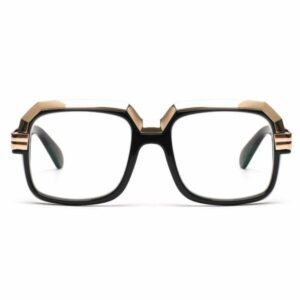
Darcy Black-Gold progressive lenses
Encourage more sustainable practices in the eyewear industry by promoting and supporting these brands, sharing your experiences with others, and demanding transparency from manufacturers regarding their production methods and materials.

Conclusion

Progressive lenses present a multitude of advantages, not only for the enhancement of our vision but also for the preservation of our environment. By opting for eyeglasses equipped with progressive lenses, you can revel in the comfort of seamless visual transitions, a more natural and enjoyable viewing experience, and a contemporary, stylish look – all while simultaneously shrinking your carbon footprint.
As Earth Day approaches, it’s the perfect time to reflect on our choices and actively incorporate eco-friendly decisions into every facet of our lives, including the eyewear we don. Supporting sustainable brands like Jimhaloeyewear is a fantastic way to make a positive impact. Immerse yourself in their collection of chic and environmentally-conscious optical glasses, which include the sophisticated Adonis, the versatile Paxton, the classic Ernest, the trendy Kelsey, and the elegant Darcy models. By making these mindful choices, we can collectively contribute to a greener, healthier planet for ourselves and future generations.
By consciously selecting products and championing brands that emphasize sustainability, we can join forces to foster a greener, healthier world. Take a moment to explore jimhaloeyewear.com and discover your ideal pair of earth-friendly optical glasses, making a meaningful difference for our precious environment along the way.