Tag Archives: JimHalo

Age-Related Vision Changes: Maintaining Eye Health as You Age

Age-Related Vision Changes: Maintaining Eye Health as You Age

Text leading

As we age, our bodies undergo various changes, and our eyes are no exception. Eye health becomes increasingly important as we grow older, as age-related vision changes and conditions such as presbyopia and cataracts can affect our overall quality of life. However, with proper knowledge and proactive care, it is possible to maintain healthy eyes and enjoy good vision well into our golden years. In this article, we will explore the common vision changes associated with aging, discuss presbyopia and cataracts, and offer practical tips to preserve and improve eye health as you age.
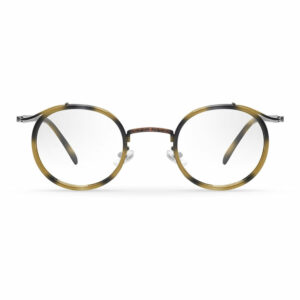
Age-Related Vision Changes:

As we grow older, there are eye changes that can impact our vision. Here are simplified explanations of these changes:
  1. Reduced pupil size: The muscles controlling our pupils become less responsive, which makes it difficult for our eyes to adapt to changes in light.
  2. Declining tear production: Over time, our eyes produce fewer tears, leading to dryness, discomfort, and potential irritation.
  3. Decreased visual acuity: Our ability to see fine details and focus on nearby objects diminishes, often necessitating the use of reading glasses or bifocals.
  4. Reduced peripheral vision: Our side vision becomes narrower, making it more challenging to notice objects or movements at the edges of our field of view.
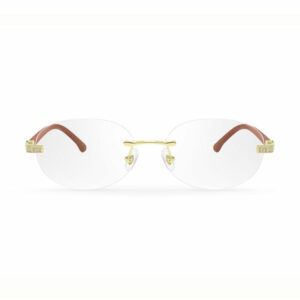
Presbyopia:

Presbyopia is an age-related condition that affects near vision. It occurs when the lens of the eye becomes less flexible, making it harder to focus on close-up objects. People typically start experiencing presbyopia in their early to mid-40s. Common signs of presbyopia include difficulty reading small print, eyestrain, and the need to hold reading material at arm’s length.
To address presbyopia, many individuals opt for reading glasses, bifocals, or progressive lenses. These corrective lenses help compensate for the loss of focusing ability, allowing for clear vision at various distances. Regular eye exams are essential to monitor the progression of presbyopia and ensure that the prescribed lenses are up to date.
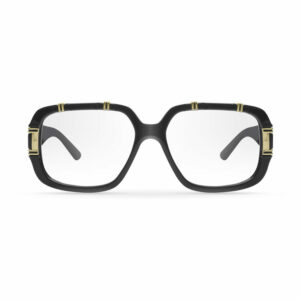
Cataracts:

Cataracts are another common eye condition associated with aging. A cataract refers to the clouding of the eye’s natural lens, resulting in blurred or hazy vision. It can make daily activities such as driving, reading, or recognizing faces challenging.
Cataracts develop gradually over time and can occur in one or both eyes. Factors such as exposure to UV radiation, smoking, diabetes, and certain medications can increase the risk of developing cataracts. Fortunately, cataract surgery is a safe and effective treatment option. During the procedure, the cloudy lens is replaced with an artificial lens, improving vision clarity and quality.

Maintaining Eye Health as You Age:

While some changes in vision are inevitable, there are steps you can take to maintain good eye health and potentially reduce the risk of age-related eye conditions:
  1. Regular eye exams: Schedule comprehensive eye exams with an eye care professional at least once every two years, or more frequently if advised. Eye exams can detect potential issues early on and help monitor any existing conditions.
  2. Healthy lifestyle choices: A balanced diet rich in antioxidants, vitamins (especially A, C, and E), and omega-3 fatty acids can support eye health. Additionally, regular exercise, managing chronic conditions like diabetes, maintaining a healthy weight, and avoiding smoking can reduce the risk of eye-related complications.
  3. Protect your eyes from UV rays: Keep your eyes protected from harmful UV rays by wearing sunglasses. When using screens for extended periods, remember to take breaks and rest your eyes .
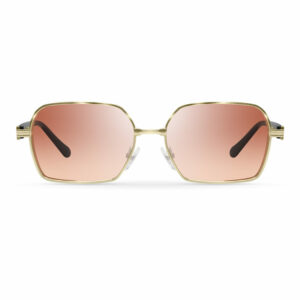
  1. Practice good eye hygiene: Avoid spending too much time looking at screens and taking breaks. Make sure you have proper lighting when reading or working. Keep your computer screen at a comfortable distance and angle to reduce eye fatigue.
  2. Stay hydrated: Drink plenty of water to maintain optimal tear production and prevent dry eyes.
  3. Practice proper eye hygiene: Gently cleanse your eyelids and lashes using a mild cleanser to remove any debris or crust. The debris and crust may accumulate.
  4. Manage chronic conditions: If you have underlying health conditions like diabetes or hypertension, collaborate closely with your healthcare provider to effectively manage them. Uncontrolled conditions can have a negative impact on eye health.
  5. Say no to smoking: Smoking is associated with an increased risk of age-related macular degeneration (AMD), cataracts, and various other eye conditions. Quitting smoking or avoiding exposure to secondhand smoke can greatly benefit your eye health.

Conclusion:

As we age, it is crucial to prioritize our eye health to maintain good vision and overall well-being. Understanding the common age-related vision changes, such as presbyopia and cataracts, allows us to recognize and address them promptly. By adopting healthy lifestyle choices, seeking regular eye care, and taking necessary precautions, we can significantly reduce the risk of eye conditions and enjoy clear vision for years to come. Remember, caring for your eyes is an investment in a brighter future and a better quality of life.
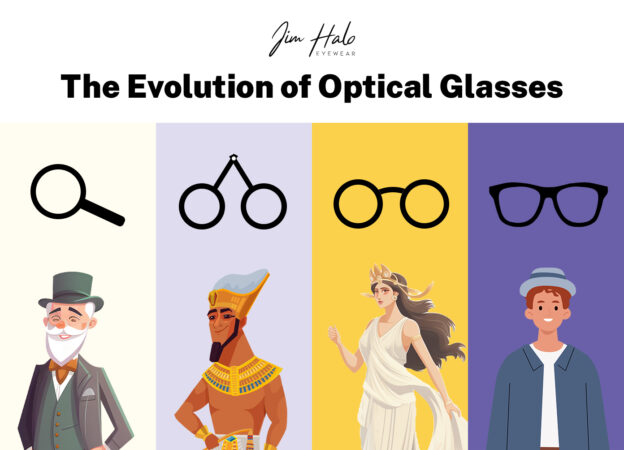
The Evolution of Optical Glasses: A Brief History

The Evolution of Optical Glasses: A Brief History

Introduction:

Optical glasses have revolutionized the way we perceive the world, correcting our vision and enhancing our visual experience. From their humble beginnings to the advanced technologies we have today, the evolution of optical glasses is a fascinating journey that has spanned centuries. In this blog, we will take a closer look at the history of optical glasses and the significant milestones that have shaped this essential aspect of our lives.
  1. Ancient Beginnings:

The roots of optical glasses can be traced back to ancient civilizations. Evidence of magnifying lenses can be dated as far back as the first century AD in ancient Rome. During this time, skilled glassblowers would experiment with convex lenses, creating rudimentary magnifying glasses. Similarly, the ancient Egyptians were known to utilize flat glass discs as early versions of corrective lenses. These early developments in ancient civilizations laid the foundation for the evolution of optical glasses as we know them today.
  1. The Birth of Eyeglasses:

An unknown Italian artisan is often credited with inventing the first wearable spectacles, marking a pivotal moment in the history of optical glasses during the 13th century. These early spectacles consisted of two glass lenses held together by a frame, allowing individuals with presbyopia (age-related farsightedness) to read and perform close-up tasks more comfortably.
  1. Advancements in Lens Shape and Design:

The 17th and 18th centuries witnessed notable progress in lens shape and design. Dutch scientist Christiaan Huygens played a crucial role during the 1600s by introducing lenses with a biconcave shape. This innovation greatly enhanced the optical performance of glasses. Moreover, it laid the foundation for the creation of smaller and more comfortable eyewear, opening new possibilities in the realm of visual correction.
  1. The Industrial Revolution and Mass Production:

The industrial revolution in the 19th century brought about a remarkable revolution in the manufacturing of optical glasses. Through the introduction of machinery and the ability to mass-produce lenses, the accessibility and affordability of eyewear underwent a transformative change. Of notable significance was the invention of the optometric lens-grinding machine by American ophthalmologist Hermann Snellen in 1862. This invention played a pivotal role in standardizing the precision of lens grinding techniques. Consequently, it ensured enhanced visual correction for individuals requiring eyeglasses.
  1. The Introduction of Lightweight Materials:

The 20th century witnessed a shift from traditional materials like glass to lightweight materials such as plastic. In the 1930s, polymethyl methacrylate (PMMA), commonly known as acrylic or plexiglass, emerged as a popular alternative due to its durability and lighter weight. This breakthrough allowed for more comfortable eyeglasses, reducing the pressure on the bridge of the nose.
  1. The Rise of Fashionable Eyewear:

In the late 20th century, eyeglasses transcended their functional purpose and transformed into fashionable accessories. Designers began infusing style and aesthetics into eyewear, transforming them into striking statement pieces. This shift elevated eyeglasses to the realm of fashion, and individuals started embracing them as an integral part of their personal style. No longer merely a visual aid, eyeglasses became a powerful fashion statement, allowing people to express their unique sense of style and personality.
  1. Technological Advancements and Customization:

Recent years have witnessed remarkable technological advancements in optical glasses. Digital lenses, progressive lenses, photochromic lenses, and anti-reflective coatings are just a few examples of the cutting-edge features available today. Additionally, advancements in 3D printing technology have opened up new possibilities for customized frames, allowing individuals to have eyeglasses tailored to their unique preferences and facial characteristics.

Conclusion:

The journey of optical glasses, starting from ancient magnifying lenses and culminating in the modern, technologically advanced eyewear we enjoy today, stands as a testament to human ingenuity and our relentless quest for enhanced vision. As optical glasses continue to progress, we can anticipate even greater advancements in materials, designs, and functionality. These breakthroughs will not only enrich our visual acuity but also elevate our overall eyewear experience, reflecting the ongoing pursuit of excellence in the field of vision correction.
Genetics and Myopia

Investigating the Relationship Between Genetics and Myopia Development

Introduction:

Myopia, commonly referred to as nearsightedness, is a widespread visual impairment that impacts a significant portion of the global population. Individuals with near sight experience difficulty in seeing distant objects clearly while maintaining clear vision of objects up close. Over the years, there has been a surge in research interest regarding the role of genetics in the onset and progression of near sight. This blog aims to delve into the intricate relationship between genetics and myopia, delving into the most recent research findings and their potential implications.

Understanding Myopia:

Myopia is a complex condition influenced by various factors, including both environmental and genetic components. It typically emerges during childhood or adolescence and can progress over time. While environmental factors such as excessive near work and prolonged screen time have been identified as potential contributors, the impact of genetics on myopia development has gained significant attention.

Genetic Factors and Myopia:

Numerous studies have revealed a strong genetic component in myopia, with heritability estimates ranging from 50% to 90%. Family and twin studies consistently demonstrate a higher prevalence of myopia among individuals with affected relatives, indicating that genetic factors play a crucial role in determining an individual’s susceptibility to near sight.

Genome-Wide Association Studies (GWAS):

Advancements in genetic research have paved the way for identifying specific genetic variants associated with near sight susceptibility. Genome-wide association studies (GWAS) have been conducted to investigate these genetic markers. By analyzing the genetic profiles of thousands of individuals with and without myopia, researchers have discovered several genes potentially linked to near sight development. These genes actively participate in various biological processes, such as eye development, scleral remodeling, and neurotransmitter signaling.

Gene-Environment Interactions:

While genetic factors significantly contribute to short sight development, it is important to acknowledge their interaction with environmental factors. For instance, spending excessive time engaged in near work activities, such as reading or using digital devices, can exacerbate myopia progression in genetically susceptible individuals. Understanding the interplay between genetic and environmental factors is crucial for devising effective strategies for near sight prevention and management.

Future Implications:

The identification of genetic markers associated with myopia provides promising prospects for early detection, risk assessment, and personalized interventions. Genetic testing, combined with environmental modifications, may enable healthcare professionals to identify individuals at high risk for short sight and implement targeted interventions to prevent or slow down its progression.
Additionally, gaining a deeper understanding of the genetic mechanisms behind near sight may pave the way for innovative treatment options. Scientists are actively exploring potential gene therapies and pharmacological interventions that specifically target the genetic pathways associated with myopia development. These groundbreaking approaches hold the potential to revolutionize myopia management, significantly reducing its impact on individuals’ vision and overall quality of life.

Conclusion:

The investigation of the relationship between genetics and myopia development is an intriguing area of research that continues to evolve. The mounting evidence highlighting the significant role of genetic factors in short sight susceptibility opens up exciting possibilities for early detection, personalized interventions, and novel treatments. By further exploring the intricate interactions between genetics and environmental factors, we can hope to address the increasing prevalence of myopia and improve the vision health of individuals worldwide.
The Future is Here: Discover Jim Halo's Revolutionary Smart Audio Glasses

The Future is Here: Discover Jim Halo’s Revolutionary Smart Audio Glasses

Text Leading:
When it comes to blending fashion and technology, few have hit the nail on the head quite like Jim Halo Eyewear. Their smart audio glasses bring a modern twist to the world of eyewear that isn’t just stylish, but packed full of innovative features. Here, we dive into what sets these glasses apart and why they might just be the game-changer you’ve been waiting for.

An Unparalleled Auditory Adventure: The Surround Sound System

Picture this: you’re walking down the street, your favorite song streaming directly from your glasses, all while the ambient noise of the city buzzes around you. It’s no sci-fi movie – it’s the reality Jim Halo brings to the table with its Surround Sound System. The audio experience these smart audio glasses offer is immersive and liberating, allowing you to engage with your environment while you enjoy your music. You can be part of the world around you and still not miss a beat.

Authenticity and Connection: How Sound Gets Real

There’s a sweet spot between getting lost in your music and staying connected to the world around you – and that’s exactly where Jim Halo smart audio glasses live. They deliver authentic, high-quality sound that doesn’t isolate you. The sound is so natural and clear that even in the middle of your favorite song, you can hear someone calling your name. It’s a unique experience that seamlessly integrates music into your daily life.

Smart Audio Glasses – Comfort Comes Standard

We’ve all been there – after an hour or two of wearing earbuds, your ears start to protest. But with the Jim Halo smart audio glasses, you can say goodbye to ear discomfort. They are designed with your comfort in mind, relieving ear pressure and protecting your ears from potential damage caused by loud volumes. Plus, the stylish frames mean you look good while you’re at it!

Smatrt Audio Glasses – Balancing Music and Awareness

Safety and awareness are essential, especially in today’s busy world. These smart audio glasses are designed to keep you in the loop. You can listen to your music and still hear important environmental sounds or announcements. Whether you’re crossing a busy street or waiting for an important train announcement, you won’t miss a thing.

Unleash Your Style: The Magic of Interchangeable Frames

Here’s where it gets fun – the smart audio glasses come with interchangeable frames. What does this mean for you? Infinite possibilities to express your style. These glasses don’t just play your favorite music; they also let you experiment with your look. With a variety of frames to choose from, you can switch up your style in seconds.

Dependable and Durable

With a titanium alloy port, these glasses are sturdy and built to last. After passing tens of thousands of durability tests, you can be confident that these smart audio glasses will stand the test of time. Whether you’re a careful user or someone who’s always on the go, these glasses won’t let you down.

Smatrt Audio Glasses – Support for Custom Lenses

Not all eyes are the same, and Jim Halo gets that. That’s why their smart audio glasses support custom lenses. From prescription lenses to sunglasses and even photochromic lenses, you can customize your glasses to suit your needs. It’s all about ensuring you get the best of both worlds – quality sound and optimal vision.
Jim Halo’s smart audio glasses are more than a gadget – they’re a lifestyle accessory. They’re all about enhancing your music experience while keeping you connected and stylish. So why wait? Head over to jimhaloeyewear.com and give your listening experience a revolutionary makeover.

Accessibility at Your Fingertips

Here’s the icing on the cake – the Jim Halo smart audio glasses offer easy and intuitive controls. With a touch area on the temple, you can manage your audio experience with a simple swipe or tap. Adjusting the volume, skipping tracks, or answering phone calls is as easy as it gets. These glasses put you in control, so you can enjoy your music on your own terms.

Smatrt Audio Glasses – Made for All Weather

Whether you’re a sun-chaser or a rain-lover, these glasses are ready for whatever the day has in store. They are splashproof, so a little rain won’t stop your tunes. Just remember, they’re not designed to be submerged in water, so maybe skip that dive in the pool.

Long-Lasting Battery Life

There’s nothing more frustrating than running out of battery in the middle of your favorite song. But with Jim Halo’s smart audio glasses, that’s not something you need to worry about. On a regular charge, these glasses can keep you jamming for up to 6 hours. That’s a whole lot of music for your everyday adventures.

Compatibility and Connectivity

Good news for all you tech enthusiasts out there – these glasses are compatible with both Android and iPhone. Thanks to Bluetooth connectivity, they can seamlessly connect with your smartphone or tablet. Whether you’re taking a call or listening to your favorite podcast, these glasses keep you connected wherever you go.

Make It Personal

We all have unique tastes, and Jim Halo understands that. That’s why they offer a range of premium lens options to suit your needs. From anti-blue light lenses for those long work days to oil-resistant options for a smudge-free view, you can customize your glasses to fit your lifestyle.
In a world where technology and style collide, Jim Halo Eyewear stands out with their smart audio glasses. They’re not just a pair of glasses; they’re a statement. They tell the world that you value quality sound, comfort, and style. So why wait? Give your ears (and eyes) the upgrade they deserve. Hop onto jimhaloeyewear.com and explore a new dimension of sound today. Your auditory adventure awaits!
Say Goodbye to Foggy Lenses: The Benefits of Anti-Fog Eyeglasses

Say Goodbye to Foggy Lenses: The Benefits of Anti-Fog Eyeglasses

Text Leading

Have you ever experienced the frustration of your eyeglasses fogging up when you step into a warm room after being outside on a chilly day? If so, you’re not alone. Foggy lenses can hinder your vision and create a significant inconvenience. Fortunately, with advancements in technology, a solution to this common problem has emerged: anti-fog eyeglasses. In this blog, we will explore the benefits of anti-fog eyeglasses and how they can enhance your everyday life.
Understanding the Science behind Foggy Lenses:

To understand the effectiveness of anti-fog eyeglasses, it’s essential to comprehend why lenses fog up in the first place. When warm air comes into contact with a cool surface, such as your eyeglasses, it condenses into tiny droplets, causing fog to form. This phenomenon occurs due to the difference in temperature and the moisture present in the air or your breath.
The Advantages of Anti-Fog Eyeglasses:

  1. Clear Vision, Always: The primary advantage of anti-fog eyeglasses is their ability to maintain clear vision in various situations. Whether you’re transitioning from a cold environment to a warm one or engaging in activities that generate heat or moisture, such as exercising or cooking, these glasses prevent fog from obstructing your view. Say goodbye to constantly wiping your lenses or enduring impaired vision during critical moments.
  1. Enhanced Safety: Foggy lenses can be a safety hazard, especially when you’re engaged in activities that require sharp vision, such as driving or operating machinery. By opting for anti-fog eyeglasses, you eliminate the risk of sudden visibility impairment. Whether you’re on the road or in a workshop, these glasses provide peace of mind and help ensure your safety.
  2. Convenience and Comfort: Anti-fog eyeglasses offer convenience and comfort by eliminating the need for constant lens wiping. With traditional lenses, wiping them only provides temporary relief, as the fog tends to return quickly. Anti-fog glasses save you from the hassle of carrying a cleaning cloth or resorting to other makeshift methods to clear your lenses. You can go about your day without interruptions, enjoying clear vision all the while.
  1. Versatility and Durability: Anti-fog technology is available for various types of eyewear, including prescription glasses, sunglasses, safety goggles, and sports goggles. This versatility means that you can enjoy fog-free vision regardless of your specific eyewear needs. Additionally, many anti-fog coatings are durable and long-lasting, ensuring that your glasses remain fog-free for an extended period.

How Anti-Fog Eyeglasses Work:

Anti-fog eyeglasses employ innovative technologies to combat fogging. The most common approach is the application of a specialized coating on the lens surface. This coating works by reducing the surface tension of the water droplets, causing them to spread out and create a thin, transparent film instead of forming fog. This mechanism allows for better visibility and prevents the accumulation of moisture on the lens.

Maintenance and Care Tips:

To maximize the effectiveness of your anti-fog eyeglasses, it’s essential to follow a few maintenance and care tips. Avoid wiping the lens with abrasive materials or using cleaning agents that can damage the anti-fog coating. Instead, use a soft, microfiber cloth to gently clean the lenses. Additionally, storing your glasses in a case when not in use helps protect the anti-fog coating from scratches or damage.

Conclusion:

Anti-fog eyeglasses have revolutionized the eyewear industry by providing a practical solution to the age-old problem of foggy lenses. With their ability to maintain clear vision, enhance safety, and provide convenience and comfort, these glasses have become an indispensable accessory
The Future of Eyewear: A Deep Dive into Smart Audio Glasses vs. Traditional Glasses

The Future of Eyewear: A Deep Dive into Smart Audio Glasses vs. Traditional Glasses

Text Leading:
The world is changing rapidly, and technology is at the heart of this revolution. It’s enhancing our everyday essentials, making them smarter, more convenient, and more stylish. This wave of innovation has not missed the realm of eyewear. A key player driving this evolution is Jim Halo Eyewear with their breakthrough product – the smart audio glasses. But how do these advanced eyewear compare with traditional glasses? Let’s take a closer look.

Bring Music to Your Ears

The primary function of traditional glasses is vision correction. They help you see better, plain and simple. But in this era of advancement, is ‘simple’ enough? Enter smart audio glasses, which take functionality to a whole new level.
With a built-in surround sound system, these glasses are your portable audio device. They allow you to enjoy your favorite tracks, catch up on podcasts, or take phone calls, all without blocking out ambient noise. You can traverse through a busy street, savoring your personal playlist while still being aware of the sounds around you. It’s a feature that traditional glasses or even headphones can’t offer.

Experience the Durability

When investing in glasses, durability is a crucial factor. Traditional glasses, while serving their purpose, can often be fragile. A small mishap can lead to a broken frame or a scratched lens. But Jim Halo’s smart audio glasses turn the tables on durability.
They’re equipped with a robust titanium alloy port, ensuring they’re built to last. This isn’t a feature based on mere claims; these glasses have passed thousands of durability tests, proving their toughness. So, whether you’re out for a jog, caught in a sudden rain, or just living your daily life, these glasses are designed to keep pace.

Smart Audio Glasses Fit Your Style

Eyewear is not just about vision, it’s a reflection of your personal style. With traditional glasses, you are essentially stuck with the same look until you invest in a new pair. However, the smart audio glasses from Jim Halo defy this limitation.
Their interchangeable frames let you switch styles in seconds. Want to go classic for a business meeting, or trendy for a day out with friends? No problem. You have the freedom to match your eyewear with your mood, your outfit, or even the event.

Smart Audio Glasses Provide Comfort

Traditional glasses provide one solution – correcting your vision. But what about the music lovers who spend hours with earphones plugged in, leading to ear discomfort? Here again, smart audio glasses come to the rescue.
Jim Halo’s audio glasses are designed with an innovative system that relieves ear pressure, providing a comfortable experience for your ears while you indulge in your favorite music or podcasts. This feature demonstrates how these glasses are not just about adding benefits but also about solving problems.

Conclusion

In conclusion, smart audio glasses from Jim Halo Eyewear are not just an evolution in eyewear; they are a revolution. They break the norm of ‘glasses are just for vision’ and usher in a new era where eyewear is about audio, style, and comfort, without compromising on vision.
Are you ready to step into the future of eyewear and embrace this innovation? Then visit jimhaloeyewear.com and explore the world of smart audio eyewears. It’s more than a product; it’s an experience, a journey into a world where eyewear does more and goes beyond. Welcome to the future of eyewear.
Amplify Your World with Jim Halo Smart Audio Glasses

Amplify Your World with Jim Halo Smart Audio Glasses

This passage will explore:
  1. A New Era of Sound with Smart Audio Glasses
  2. Blend of Vision and Sound
  3. Authentic Sound Experience
  4. Revolutionary Design and Durability
  5. Intuitive Controls and Efficient Battery Life
  6. Time to Make a Choice
  7. A Lifestyle Transformation
  8. Endless Possibilities
  9. Protect Your Ears and Eyes
  10. Conclusion
Text leading:
In the bustling soundscape of life, one name stands out in the realm of innovative audio solutions – Jim Halo Eyewear. Crafting a seamless blend of style and sound, the brand takes the concept of eyewear to new heights. In this post, we’re diving deep into the allure of JimHalo’s smart audio glasses and why Jim Halo leads the charge.

A New Era of Sound with Smart Audio Glasses

Imagine stepping into your favorite song, hearing the strum of every guitar, the pulse of the beat, and the melodious voice that sends shivers down your spine. That’s what smart audio glasses offer – a way to live inside your music while staying connected to the world around you.
At the heart of this revolution is Jim Halo Eyewear, taking a bold stride into the future with its smart audio glasses. Providing a concert hall experience right at your fingertips, these glasses offer a sound experience like no other. Delivering the essence of natural sound, they make sure you stay connected and aware, no matter where you are.

Blend of Vision and Sound

What makes these glasses truly extraordinary is their versatility. As an extension of your senses, Jim Halo Eyewear combines your vision needs with your auditory desires.
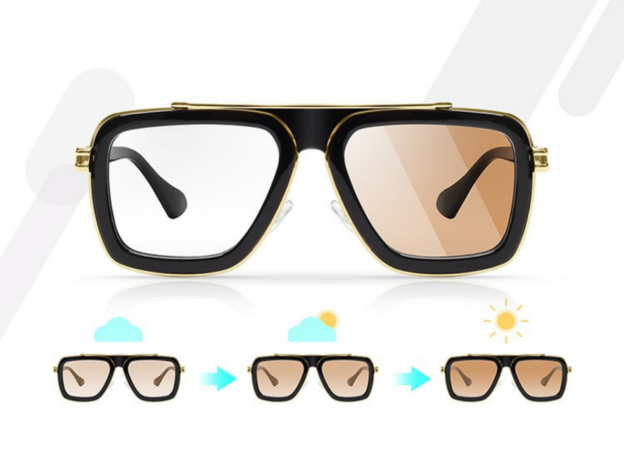
Whether you need prescription lenses or love the convenience of photochromic ones, these glasses have got you covered. The transition from indoors to outdoors becomes seamless as the lenses darken in sunlight, only to lighten again once you step inside.
More than just reacting to your environment, these glasses also protect your eyes from the harmful UVA/UVB rays of the sun. In essence, Jim Halo’s smart audio glasses safeguard your eyes while enriching your auditory experience.

Authentic Sound Experience

Delve into the heart of Jim Halo’s smart audio glasses, and you’ll find a symphony of sound. The speaker-like sound system offers a genuine stereo sound experience, reminiscent of a live concert. But it’s not just about enjoying your favorite tracks.
These glasses are all about keeping you connected. Whether it’s a phone call or a voice message, you’ll never miss out on any important communication. The seamless compatibility with both Android and iPhone devices further enhances this connected experience.

Revolutionary Design and Durability

Stepping out with JimHalo’s smart audio glasses is a style statement in itself. The various interchangeable frames allow you to switch styles in seconds, making these glasses the perfect accessory for every occasion.
Beyond style, these glasses are designed for comfort, reducing ear pressure and discomfort associated with traditional earphones. This comfort, coupled with the sturdy and durable titanium alloy port, ensures that these glasses are not just an aesthetic addition but also a reliable one.

Intuitive Controls and Efficient Battery Life

Navigating your audio experience is a breeze with intuitive touch controls on the temples of these glasses. Adjusting volume, enabling voice assistants, or managing phone calls becomes second nature with just a few swipes and clicks.
When it comes to battery life, these glasses are designed to perform. With up to 6 hours of music playback, your audio experience remains uninterrupted, ready to accompany you through every part of your day.

Time to Make a Choice

In a world where technology is constantly evolving, staying ahead of the curve is not just a luxury; it’s a necessity. JimHalo’s smart audio glasses are more than just a pair of glasses; they’re a statement, a lifestyle choice. They bring the world of sound to your fingertips, seamlessly integrating with your daily life, and adding a touch of style to every moment.
Equipped with features such as IPX4 water-resistance, these glasses ensure that neither sweat nor a sudden downpour dampen your audio experience. They’re built to accompany you in all walks of life, reflecting a commitment to convenience, reliability, and style.

A Lifestyle Transformation

Choosing JimHalo’s smart audio glasses is a step towards transforming your lifestyle. With them, you can dive into a captivating audio journey while continuing to interact with the world around you. The immersive sound experience does not isolate you; instead, it enables you to hear environmental sounds and announcements clearly while enjoying your music.
Embrace a sense of security that is not common with traditional headphones. Be aware of your surroundings, whether you’re navigating through busy city streets or enjoying a peaceful walk in the park.

Endless Possibilities

With Jim Halo Eyewear, you buy one, but get unlimited. The interchangeable frames offer endless possibilities, allowing you to change styles in seconds. The freedom to customize according to your taste and mood is a testament to the versatility of these glasses.
The frames not only meet your aesthetic needs but also surpass durability expectations. With a titanium alloy port that has passed tens of thousands of durability tests, these glasses are built to last.

Protect Your Ears and Eyes

One of the standout features of JimHalo’s smart audio glasses is their commitment to your health. They relieve ear pressure and discomfort, safeguarding you from potential ear damage caused by loud volume.
But it’s not just about your ears. These glasses also protect your eyes. Whether you require prescription lenses or desire the cool aesthetics of sunglasses, they’ve got you covered. With the availability of anti-blue light and oil-resistant lens functions, your eyes receive the protection they deserve.

Conclusion

As we navigate through this digitally dominated world, it’s crucial to stay connected without compromising our health and style. That’s exactly what JimHalo’s smart audio glasses offer. They are a testament to technological innovation and human creativity, all wrapped up in a stylish package.
Your quest for an enriching audio experience that complements your lifestyle ends with Jim Halo Eyewear. It’s not just about hearing; it’s about experiencing and living in the moment. Don’t just listen to the world; feel it, live it with smart audio glasses.
Make a lifestyle statement that resonates with the future. Check out the Jim Halo Eyewear range on jimhaloeyewear.com and redefine your audio experience today! It’s time to embrace the symphony of life with Jim Halo Eyewear – where technology meets style. Head over to jimhaloeyewear.com and become a part of the audio revolution!
Exploring Future Technology Photochromic Lenses Leading the Fashion Trend

Exploring Future Technology: Photochromic Lenses Leading the Fashion Trend

Introduction:

With the rapid advancement of technology, our lives are becoming increasingly smarter. In this digital era, technology has permeated various aspects of our daily lives, including the eyewear industry. In recent years, photochromic lenses, as an emerging technological product, have captured people’s attention and become a trendsetter.

Understanding Photochromic Lenses:

Photochromic lenses, also known as transition lenses, are innovative eyewear lenses that undergo a reversible color change in response to UV light exposure. These lenses are engineered with special photochromic molecules that react to the presence or absence of sunlight, leading to a darkening or lightening effect. The transition from clear to tinted or vice versa occurs within seconds, providing wearers with enhanced visual comfort in varying light conditions.

Benefits of Photochromic Lenses:

Erik

Convenience: They eliminate the need to carry multiple pairs of glasses for different light conditions. They adapt to changing environments seamlessly, ensuring optimal vision clarity indoors and outdoors.
UV Protection: Photochromic lenses offer a built-in UV protection feature, safeguarding our eyes from harmful ultraviolet rays. This reduces the risk of developing eye conditions such as cataracts and macular degeneration caused by prolonged UV exposure.
Style and Fashion: These lenses have evolved beyond their functional aspect and become a trendy fashion accessory. They come in a variety of colors and styles, allowing individuals to express their personal style while enjoying the benefits of adaptive eyewear.

Applications in Different Fields:

Sports and Outdoor Activities: Photochromic lenses are highly suitable for athletes and outdoor enthusiasts who engage in activities exposed to varying light conditions. These lenses provide optimal visual clarity and eliminate the hassle of switching between different pairs of sunglasses.
Driving: They are ideal for drivers, as they automatically adjust to changing light conditions, ensuring a clear view of the road. The lenses darken in bright sunlight and lighten indoors or at night, enhancing safety and reducing glare.
Fashion Industry: Photochromic lenses have gained popularity in the fashion industry due to their versatile nature. They can be incorporated into various eyewear designs, offering a unique and contemporary look.
The Future of Photochromic Technology: As technology continues to advance, the future of photochromic lenses holds promising possibilities. Researchers are exploring innovations such as faster transition times, improved color options, and enhanced photochromic performance. With these advancements, they will become even more adaptable, stylish, and seamlessly integrated into our daily lives.

Conclusion:

Photochromic lenses represent a significant advancement in eyewear technology, revolutionizing the way we perceive and interact with the world around us. Their ability to adapt to changing light conditions, provide UV protection, and offer stylish options makes them a popular choice for individuals seeking convenience, fashion, and eye health. Embracing the future of photochromic technology will undoubtedly lead us to a more vibrant and fashionable world.
Is blue light really harmful to the eyes?

Understanding Blue Light and Anti-Blue Light Glasses

Introduction:

In today’s digital age, concerns have been raised about the potential harm of blue light emitted by electronic devices like cell phones and computers. This guide aims to explore the impact of blue light on our health and shed light on the effectiveness and qualifications of anti-blue light glasses.

The Nature of Blue Light:

Blue light is a component of visible light characterized by its short wavelength and high energy. It can be further classified into blue-green light and blue-violet light. While blue-green light is believed to have beneficial effects on the human body, stimulating pupil contraction and regulating biorhythms, blue-violet light poses potential harm to the eyes. Prolonged exposure to blue-violet light can lead to the production of lipofuscin in the eye’s macula, resulting in phototoxic reactions and macular degeneration.

Age Sensitivity and Exposure:

Blue light affects individuals of different ages in varying degrees. As we age, the lens of our eyes naturally absorbs more blue light, reducing its transmission. However, children have clear lenses with a higher transmission rate, making them more susceptible to the effects of blue light. Excessive use of electronic devices has been shown to impact children’s vision and sleep quality. While blue light may not be solely to blame, it is essential to limit screen time for children.

Anti-Blue Light Glasses:

Anti-blue light glasses have gained popularity as a means to reduce the potential eye damage caused by blue light from electronic devices. These glasses are designed to filter out harmful blue-violet light while allowing the beneficial blue-green light to pass through, ensuring visual clarity and comfort. However, the effectiveness of anti-blue light glasses has been primarily studied using high-intensity blue-violet light in animal experiments, which do not represent typical exposure levels from LED lights and electronic screens. Thus, there is no need for excessive concern about blue light‘s impact.

Quality and Selection:

The quality of anti-blue light glasses available in the market varies significantly. High-quality lenses effectively filter blue-violet light while maintaining optimal blue-green light transmission. They are typically light in color and may come at a higher price. It is advisable to choose reputable brands that meet the required standards for lens transmittance and chromatic aberration.

Considerations and Alternatives:

If one lacks confidence in selecting qualified anti-blue light glasses, wearing ordinary glasses is a viable alternative. The exposure to blue light in everyday life is not significant enough to necessitate the use of anti-blue light glasses. Furthermore, wearing non-qualified glasses can potentially cause more harm to the eyes.

Conclusion:

Understanding the nature of blue light and its effects is crucial in making informed decisions about protecting our eyes. While blue-violet light can be harmful, it is essential to consider the level of exposure and the qualifications of anti-blue light glasses. Prioritizing screen time limitations, especially for children, can also contribute to maintaining healthy eyesight in the digital era.
The Connection between Food and Eye Health

Nourishing Your Eyes: The Connection between Food and Eye Health

Introduction:

Our eyes are not only windows to the world but also vital organs that enable us to experience the beauty around us. Taking care of our eyes is crucial for maintaining good vision and overall eye health. While regular eye examinations and proper eye care habits are important, we often overlook the role that nutrition plays in keeping our eyes in optimal condition. In this blog post, we will explore the connection between food and eye health and discover how certain nutrients can contribute to maintaining healthy eyes.
  1. Antioxidants for Eye Health:

Antioxidants are powerful compounds that help protect our cells from damage caused by free radicals. When it comes to eye health, antioxidants play a vital role in preventing age-related macular degeneration (AMD) and cataracts, two common eye conditions that can lead to vision loss. Foods rich in antioxidants, such as fruits and vegetables, help combat oxidative stress and reduce the risk of these conditions. Include colorful fruits like berries, oranges, and kiwis, as well as leafy greens like spinach and kale, in your diet to ensure a good intake of antioxidants.
  1. Omega-3 Fatty Acids for Eye Moisture:

Dry eyes can be uncomfortable and may even affect our vision. Omega-3 fatty acids, particularly docosahexaenoic acid (DHA), are essential for maintaining eye moisture and reducing the symptoms of dry eyes. Cold-water fish like salmon, tuna, and sardines are excellent sources of omega-3 fatty acids. For non-fish eaters, options like flaxseeds, chia seeds, and walnuts provide plant-based alternatives. Including these foods in your diet can help alleviate dry eye symptoms and support overall eye health.
  1. Vitamins and Minerals for Eye Vitality:

Certain vitamins and minerals are crucial for maintaining eye vitality and preventing eye diseases. Vitamin C, vitamin E, and zinc are known for their role in reducing the risk of developing advanced AMD. Citrus fruits, bell peppers, almonds, and oysters are great sources of these nutrients. Additionally, vitamin A, commonly found in carrots, sweet potatoes, and spinach, is essential for maintaining good night vision. Including a variety of foods rich in these vitamins and minerals can contribute to the long-term health of your eyes.
  1. Maintaining Healthy Blood Sugar Levels:

High blood sugar levels can have detrimental effects on our overall health, including our eyes. Diabetic retinopathy is a condition that occurs when blood vessels in the retina are damaged due to diabetes. To maintain healthy blood sugar levels, it is important to follow a balanced diet that includes whole grains, lean proteins, and plenty of fruits and vegetables. Avoid excessive consumption of sugary and processed foods to reduce the risk of developing diabetic retinopathy.
  1. Hydration for Eye Moisture:

Proper hydration is essential for maintaining eye moisture and preventing dry eyes. Drinking an adequate amount of water throughout the day helps in maintaining the natural tear film that keeps our eyes lubricated. Additionally, consuming hydrating foods like cucumbers, watermelon, and celery can contribute to overall hydration and eye health. Remember to drink enough water and include hydrating foods as part of your daily routine.

Conclusion:

When it comes to eye health, the saying “you are what you eat” holds true. A well-balanced diet rich in antioxidants, omega-3 fatty acids, vitamins, and minerals is essential for maintaining healthy eyes. By incorporating eye-friendly foods into our daily meals, we can nourish our eyes and reduce the risk of developing common eye conditions. Remember, caring for your eyes goes beyond just visiting the eye doctor; it starts with the choices you make in the kitchen. Let’s prioritize our eye health and enjoy the world.
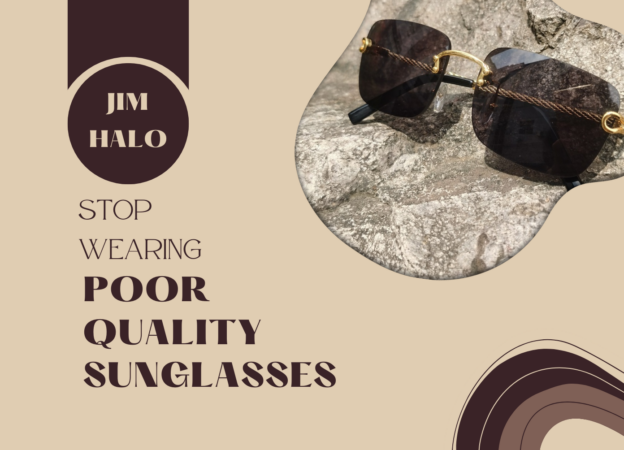
Stop wearing poor quality sunglasses

Stop wearing poor quality sunglasses

Text Leading

Sunglasses are a fashion item for us, even if an ordinary person wears them, they will become a fashion trendsetter in seconds. There are many different styles of them, and the quality varies.But many people may not know that poor quality sunglasses can make people’s eyesight deteriorate. Today’s blog lets us understand the difference between poor quality and regular sunglasses.

The Difference

  1. Ultraviolet light

Both quality sunglasses and poor quality ones have the function of darkening the intensity of the light outside. But one thing that must be known is that darkening the light is not the same as blocking UV rays. Some sunglasses can also reduce the degree of blinding, but can not block UV rays.
Ultraviolet rays are sun rays with wavelengths between 200nm and 380nm, so any lens that can block light exposure at wavelengths above 380nm can effectively protect against UV rays. A more common indicator is “UV400. If the regular brand, and the “UV400” logo, then sunglasses UV protection is not a problem.
  1. Sunglasses Design differences

High-grade sunglasses will have a designer’s unique design, in the shape, with, fashion degree above will reflect their own style, materials mostly titanium alloy or pure titanium, Z titanium, EX titanium, etc.. Wearing will be lighter, more comfortable and natural. And it is not easy to lose paint and deformation. Lenses will use PC, reinforced glass, nylon and other materials, imaging better, more durable.
And poor quality ones, many do not have their own design, the material will use cheap materials, less durable.

The harm of poor quality sunglasses

Some people may ask, although they are poor quality sunglasses, it is better than not wearing them, right? At least it’s better than exposing your eyes to direct UV rays. Wrong! If they are of substandard quality, it’s really better not to wear them.
The reasons for this are twofold:
  1. permanent injury to the eyes. Wear sunglasses, the light becomes darker, so the human pupil is increased, but because yours can not block ultraviolet rays, that is equal to a large number of ultraviolet intake grown pupils, which is more than not wear but also hurt the eyes! And UV damage to the eyes is cumulative and irreversible.
  1. Harm to eyesight. This is mainly a matter of workmanship. General glasses, whether sunglasses or other glasses, there are reasonable optical indicators design, including spherical degree, prism degree, etc., if the design is not reasonable, easy to see deformation, causing double eye fatigue, long-term down will vision loss. Good sunglasses, in the function of complete UV protection to reduce UV damage to the eyes; in the optical to reduce visual deformation, to protect vision; in the wear comfortable, sturdy.
So, to protect our eyes from the scorching sun, pick cool sunglasses for yourself when summer comes.At the end of the day, I hope you can all pick a pair of them that suit you.

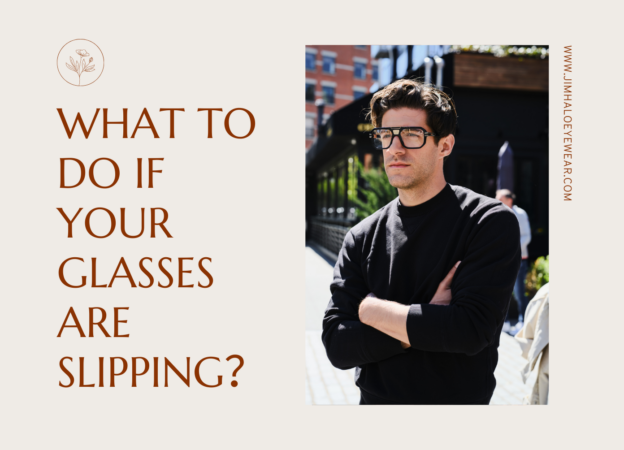
What to do if your glasses are slipping?

This guide will explore:
  • Ask a professional optometrist to adjust the frames
  • Stick non-slip nose pad
  • Install an eyeglass anti-slip sleeve on the temples
  • Clean your glasses regularly
  • Choose the right frame

Text Leading

People who wear glasses wear them for more than 12 hours a day. With such a high frequency of use, the comfort of wearing glasses is crucial. The problem of sliding downward is also a problem that almost all glasses wearers encounter.
How to solve this problem?
  1. Ask a professional optometrist to adjust the frames

If the glasses are caused by looseness, you can deal with it by adjusting the tightness of the connection or the frame.
If the frame has a nosepiece, you can adjust the nosepiece to ease the slippage. Sliding or uneven glasses are basically caused by uneven weight, and adjusting the nosepiece can bring the frame back into balance.
  1. Levi glasssesStick non-slip nose pad

If it is a frame without nosepiece, there is no way to relieve it by adjusting the nosepiece, then we have to use nose pads to improve it.The better quality imported nose pads are mostly made of soft and transparent silicone, which is not easy to yellow and not easy to deform, and has strong anti-slip and corrosion resistance. And you can also choose different thin and thick nose pads according to your needs.
However, remember that nose pads cannot be reused and cannot be rinsed directly with water. For nose pads, they typically have a usage period of approximately 3 months. During summer when sweating is more frequent, it is advisable to replace them every two months. However, in winter when sweating is less, replacements can be made once every six months.
  1. Install an eyeglass anti-slip sleeve on the temples

Place the anti-slip sleeve on top of the temples and hook it over the ears without affecting the aesthetics. If you usually exercise and work out a lot, or engage in heavy work, you can consider adding a non-slip cover on the temples to avoid the glasses from slipping, but also to protect the frame from being broken.
There are many forms of anti-slip sleeves, invisible, anti-allergic, and simple ear hook forms, you can choose according to your needs.
  1. Clean your glasses regularly

One reason for glasses to slip is the accumulation of dust and oil on the nose pads and temples. Cleaning your glasses regularly will prevent this buildup and keep them in place. To clean your glasses, use a mild soap and water solution and gently scrub the nose pads and temples with a soft brush. Rinse with clean water and dry with a clean cloth.
  1. Choose the right glasses frame

Finally, if you are still having trouble keeping your glasses in place, it may be time to consider a different frame. The right frame will keep your glasses in the right position. Look for frames with adjustable nose pads, comfortable accessories, and sturdy temples. Also, consider the shape of your face and choose a frame that complements your features.
In summary, keeping glasses from slipping off may pose challenges. However, the mentioned methods can effectively solve this issue.