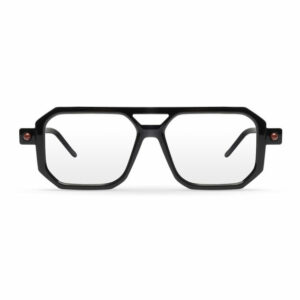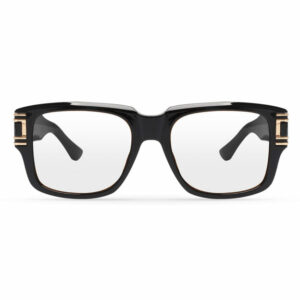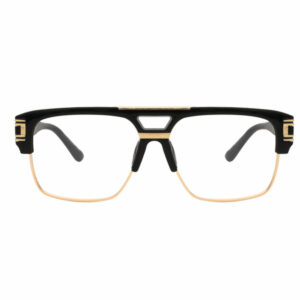
Tag Archives: JimHalo

What Should We Know about Comprehensive Eye Exams?

What Should We Know about Comprehensive Eye Exams?

Text leading
A comprehensive eye exam is like a comprehensive check-up for your eyes. Just as you visit a doctor for a regular physical examination to keep your body healthy, an eye exam is a similar check-up specifically focused on your eyes. During the exam, an eye care professional will thoroughly assess your eyes to determine their overall health and to detect any potential vision problems or eye conditions.
In this blog post, we will discuss what a comprehensive eye exam is, what it involves, and why it is important.
What is Comprehensive Eye Exam?

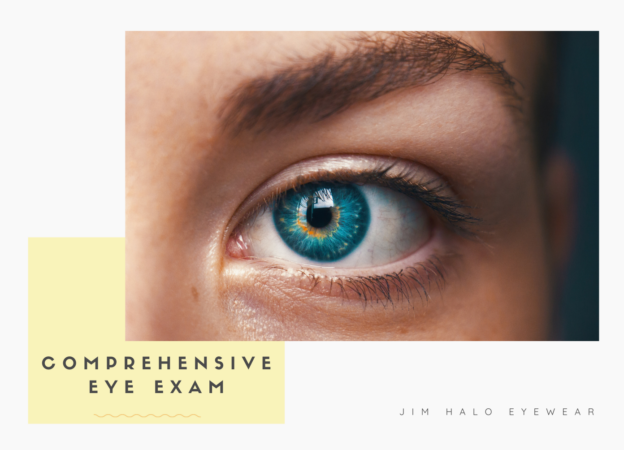
A comprehensive eye exam is a detailed evaluation of your eyes and vision performed by a trained eyes care specialist. It is a regular examination aimed at assessing the well-being of your eyes, identifying any vision issues, and detecting any underlying eye diseases or conditions. During this comprehensive examination, a wide range of tests and assessments are conducted to thoroughly evaluate your visual acuity, eye movement, eye pressure, and overall eye condition. It serves as a vital preventive measure to promote optimal eye health by catching any potential problems early on, enabling timely intervention and treatment.
What Does a Comprehensive Eye Exam Involve?

The comprehensive eye exam includes a thorough assessment of various structures within your eyes. It includes measuring your visual acuity (how well you can see), checking your eye movement and alignment, evaluating eye pressure, and examining the health of the various eye structures. These evaluations play a critical role in understanding the overall health of your eyes and enable the detection of any signs of eye diseases or conditions.
In some cases, the eye care professional may opt to dilate your eyes using specialized eye drops. This dilation widens the pupils, allowing for a more detailed examination of the internal structures, particularly the retina. This comprehensive evaluation provides valuable insights into your eye health.
 It aims to provide a thorough assessment of your health, ensuring the detection of any potential issues. By performing these tests and evaluations, the exam aims to facilitate early intervention or treatment when necessary, promoting optimal eye health and well-being.
Why is a Comprehensive Eye Exam Important?

There are several important reasons why a comprehensive eye exam is essential:
  1. Early Detection of Eye Diseases: By undergoing regular exams, you can proactively detect eye diseases in their early stages. This ensures timely and effective treatment. Moreover, it helps prevent the progression of vision deterioration.
  2. Prevention of Blindness: Eye diseases like glaucoma and macular degeneration can lead to blindness if left untreated. A comprehensive exam can detect these diseases early, allowing for timely intervention and management to prevent vision loss.
  3. Monitoring Eye Health: Routine comprehensive eye exams enable the continuous monitoring of your eye health. This is particularly crucial for individuals with a family history of eye diseases or other conditions that can impact the eyes. Regular examinations help identify any changes or potential risks, allowing for appropriate measures to be taken.
  4. Prescription of Glasses or Contacts: If you require corrective eyewear, a comprehensive eye exam is vital. It determines whether you need glasses or contact lenses and provides accurate prescription details tailored to your specific vision needs. This ensures optimal visual clarity and comfort.
Conclusion:

Schedule a comprehensive eye exam if it’s been over a year since your last one. Prioritize your eye health by booking an appointment with your doctor.Take charge of your eye health by prioritizing regular eye exams. Address potential issues promptly and maintain optimal visual well-being. Remember, proactive care today can lead to clearer vision and healthier eyes tomorrow.
Father's Day Eyeglasses Sale

Father’s Day Eyeglasses Sale

Introduction:
Father’s Day is just around the corner, and what better way to show your appreciation for the incredible dads in your life than with a thoughtful and stylish gift? This year, JimHalo is excited to bring you an exclusive Father’s Day Eyeglasses Sale, offering a fantastic selection of eyewear at unbeatable prices. Whether your dad is a fashion enthusiast or simply in need of a new pair of glasses, our gift guides, promotions, and special offers will help you find the perfect present that combines style and functionality. Let’s dive into the world of eyewear and celebrate Father’s Day in style with JimHalo!

Why Eyeglasses Could Be A Great Father’s Day Choice :

  1. Practicality: Gifting your father new eyeglasses is highly practical if he wears prescription glasses or complains about his current pair. It shows that you care about his visual comfort and overall well-being.
  2. Health and Eye Care: By gifting your father a new pair of eyeglasses, you are promoting his eye health and encouraging regular eye care. Good vision is crucial for daily activities, and wearing appropriate prescription glasses can significantly improve clarity and comfort. It’s a practical way to support his well-being and ensure he can enjoy better visual experiences.
  3. Long-lasting Gift: Eyeglasses are typically durable and long-lasting, making them a gift that your father can use and appreciate for a considerable period. Unlike some other Father’s Day presents that might lose their appeal or functionality over time, a well-made pair of eyeglasses will continue to serve him well in the years to come.
Remember to consider your father’s specific needs, style preferences, and prescription requirements when choosing eyeglasses as a Father’s Day gift. Consulting with an optometrist or eyewear specialist can also help you make an informed decision and ensure the best fit and comfort for your father’s eyes.

Gift Guides for Father’s Day:

  1. Classic and Timeless: Help your dad elevate his style with a pair of classic eyeglasses. From sleek rectangular frames to sophisticated round styles, JimHalo has a wide range of timeless designs that will enhance any look.
  2. Trendy and Fashion-Forward: Is your dad always ahead of the fashion curve? Surprise him with a pair of trendy eyeglasses that will make a statement. Explore our collection of bold frames, unique colors, and contemporary shapes to find the perfect match for his personality.
  3. Sporty and Active Sunglasses: If your dad leads an active lifestyle, consider getting him a pair of sporty sunglasses that are designed for performance and durability. Our selection includes lightweight frames, polarized lenses, and wraparound styles that provide.

Promotions and Pros:

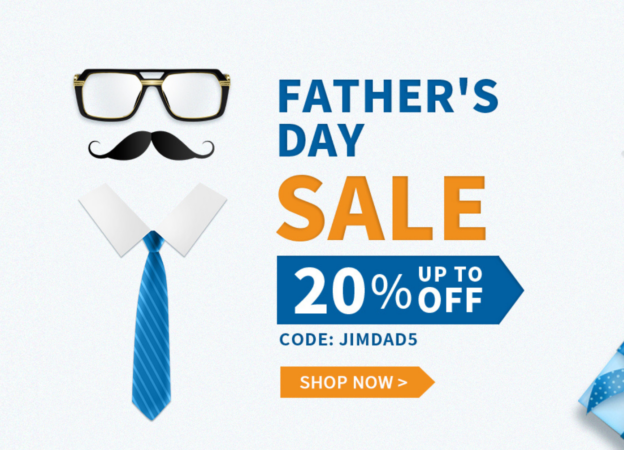
  1. Discounted Prices: Indulge in special discounts of up to 20% off on a diverse selection of eyeglasses for Father’s Day. JimHalo is committed to ensuring that top-notch eyewear is affordable for all. Seize the opportunity during our sale to discover the ideal pair of glasses at an extraordinary price.
  1. Style+Quality: Detailed craftsmanship and material fusion create eyeglasses that enhance vision and elevate personal style. With JimHalo, you can confidently express your individuality and embrace eyewear , which is a seamless blend of exceptional quality and fashionable flair.

About JimHalo:

At JimHalo, we offer fashionable, functional, and affordable eyewear. We prioritize craftsmanship, attention to detail, and customer satisfaction. With diverse styles, we cater to different preferences, ensuring everyone finds their perfect pair.
Ben father's day

Conclusion:

This Father’s Day, give your dad a gift that not only enhances his style but also improves his vision and overall well-being. Explore the exclusive Eyeglasses Sale at JimHalo, where you’ll find a diverse range of frames, personalized engravings, and unbeatable promotions. Celebrate your dad’s uniqueness and show him how much you care about a thoughtful and fashionable gift. He’ll appreciate every time he wears it. Make this Father’s Day truly memorable with JimHalo eyewear!
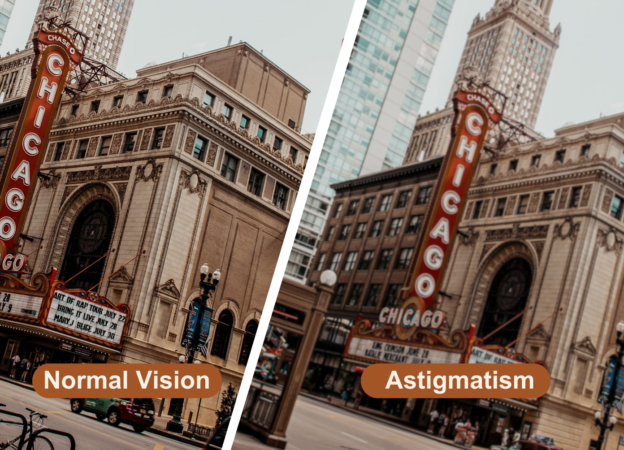
What Is Astigmatism, and Can It Be Corrected.png

What Is Astigmatism, and Can It Be Corrected?

Astigmatism is a common vision problem caused by an irregularly shaped cornea or lens. It can be corrected with eyeglasses, contact lenses, or refractive surgery. Regular eye exams are important for monitoring and managing it.

Understanding: Causes and Symptoms

When the cornea, the clear front surface of the eye, or the lens inside the eye has an irregular shape, Astigmatism occurs. And that’s what causes light to focus unevenly on the retina. As a result, objects may appear blurry, distorted, or tilted.
Symptoms of astigmatism can vary from person to person, including but not limited to:
  • Blurred or distorted vision at all distances
  • Headaches or eyestrain
  • Difficulty seeing at night or in low-light conditions
  • Squinting or tilting the head to see clearly

Diagnosing Astigmatism: What to Expect During an Eye Exam

If you suspect astigmatism, it’s important to get a routine eye exam by an optometrist or doctor, during which a series of tests will be conducted to determine the curvature of the cornea and the shape of the eye.

Correcting Astigmatism: Options for Treatment

There are several treatment options available for astigmatism, including eyeglasses, contact lenses, and refractive surgery. Corrective lenses are the most common option, compensating for the irregular shape of the cornea or lens and allowing light to properly focus on the retina. Refractive surgeries such as LASIK or PRK can also be effective, offering a permanent solution to vision problems by reshaping the cornea using lasers.

Astigmatism and Other Vision Problems: How They Can Impact Your Sight

It’s worth noting that astigmatism can occur in combination with other vision problems, such as nearsightedness or farsightedness. In such cases, corrective lenses or surgery may be required to address multiple vision problems.
Don’t let astigmatism hold you back. With proper treatment, you can regain clear vision and live life to the fullest. Remember to schedule regular eye exams and never hesitate to seek help if you need it. You deserve to see the world in all its beauty.

Conclusion 

In conclusion, astigmatism is a common vision problem caused by an irregularly shaped cornea or lens. This can cause light to focus unevenly on the retina, resulting in blurred or distorted vision, headaches, and difficulty seeing in low-light conditions. However, with proper diagnosis and treatment,we can use eyeglasses, contact lenses to manage astigmatism effectively. It’s important to note that astigmatism can occur alongside other vision problems, and regular eye exams are crucial for maintaining eye health and monitoring it. So, don’t let it
stop you from enjoying life’s beautiful sights. Seek help from your optometrist and explore the treatment options available to regain clear vision and live life to the fullest.
If you wanna konw more about eyehealth, welcome to Jim Halo Eyewear, you may find more interesting things.
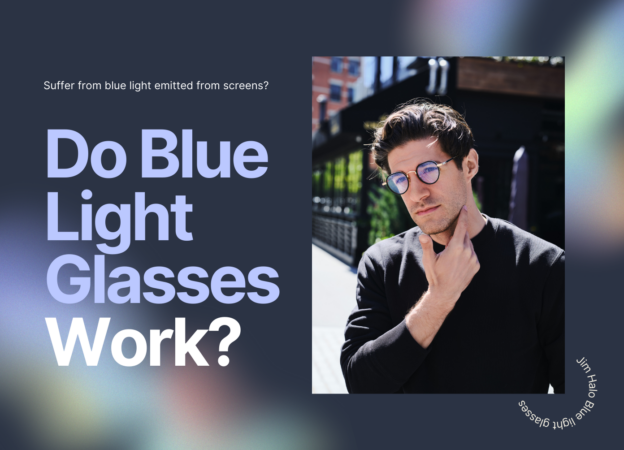
Do Blue Light Glasses Work?

Do Blue Light Glasses Work?

Short Answer
Yes, they work by reducing the amount of blue light that enters your eyes. Quality blue light glasses help improve sleep and protect eyes from damage. They also improve sleep quality, and reduce the risk of eye damage from blue light.

What Is Blue Light? Is It Harmful?

Blue light exposure has negative effects on health besides digital eye strain and sleep disorders. It has been linked to macular degeneration and can suppress serotonin production, affecting mood, appetite, and sleep.
However, exposure to blue light during the daytime has positive effects on mood, energy levels, and cognitive function. Blue light therapy may also be an effective treatment for some medical conditions.
To protect overall health, it’s crucial to reduce blue light exposure. Blue light glasses, taking breaks from electronic devices, and adjusting display settings can all help.
They are designed to reduce the amount of blue light that enters your eyes. They have become increasingly popular in recent years. And more people have become aware of the potential harmful effects of blue light emitted by electronic devices.
Using specialized lenses that filter or block blue light, they can protect our eyes from the harmful effects of it.
By selectively blocking the high-energy, short-wavelength blue light, Blue light glasses protect our eyes. That harmful blue light can cause digital eye strain, sleep disruption, and other health issues. When you wear them, the lenses absorb or reflect the blue light. Before it enters your eyes, the lenses reduce the amount that your eyes are exposed to.

The Benefits

Reduced Eye Strain:
They can reduce eye strain from electronic devices by decreasing blue light. They relieve dry eyes, headaches, and blurred vision.
Improved Sleep:
Blue light suppresses melatonin, disrupting sleep-wake cycles. Blue light glasses improve sleep quality by blocking blue light.
Reduced Risk of Eye Damage:
Excessive blue light exposure leads to vision loss. Blue light glasses lower exposure and protect eyes.

Other ways to Protect Your Eyes From Blue Light

  1. Take breaks every 20 minutes to look at something 20 feet away.
  2. Limit screen time and take regular breaks.
  3. Increase lighting to reduce eye strain.
  4. Adjust device display settings to reduce blue light emission.
Overall, it’s important understand the potential harmful effects and take steps to protect your eyes and promote eye health. By use blue light glasses and other protections, you can reduce your exposure to blue light and maintain healthy vision. JimHalo offers a wide selection of stylish and functional blue light glasses you can choose from. It’s easier than ever to prioritize your eye health while still looking great.
What causes vision loss

What Causes Vision Loss?

This guide will explore:
  • The causes of vision loss
  • Prevention of poor vision

Text Leading

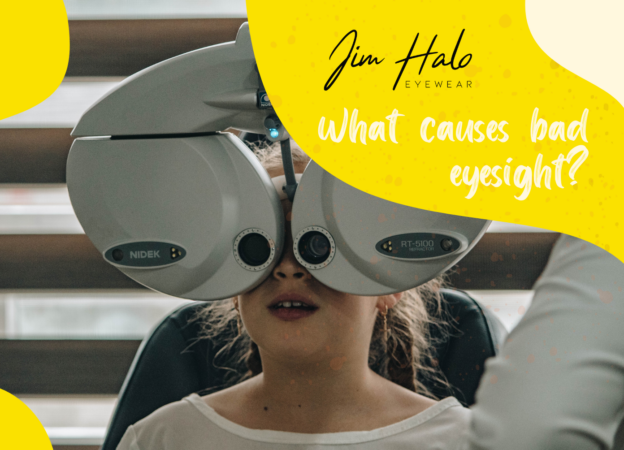
The ability to see clearly is a precious gift that we often take for granted. Unfortunately, millions of people worldwide suffer from poor eyesight, and this can significantly impact their daily lives. In this blog, we will explore the various factors that can lead to bad eyesight.

Causes

  1. Genetics:

One of the primary causes of bad eyesight is genetics. If your parents or close relatives have poor eyesight, there is a higher chance that you may also develop similar issues. Conditions like nearsightedness (myopia), farsightedness (hyperopia), and astigmatism are all hereditary. These conditions occur due to a variation in the shape or size of the eyeball, cornea, or lens. This leads to difficulties in focusing on objects at various distances, leading to blurry vision.
  1. Excessive eye use:

Staring at items such as computers, cell phones or books for long periods of time can cause excessive force on the glasses, which can easily cause eye fatigue and dryness, which in turn can affect vision.
  1. Age factor:

As we age, the adjustment ability of the eyes will gradually decrease, and the phenomenon of presbyopia will appear, making it difficult to see items at close range clearly.
  1. Eye diseases:

Certain eye diseases such as glaucoma, cataracts, and retinal detachment can also cause vision loss.
  1. Environmental factors:

Environmental factors may also have an effect on vision, such as insufficient light and overexposure to ultraviolet light.
  1. Chronic lack of nutrition:

Malnutrition and long-term lack of vitamins and other nutritional elements can also have an adverse effect on vision.
Kelsey eyesight

Prevention of poor vision

  1. Cultivate good living habits:

Both students and office workers need to ensure that they have sufficient sleep and rest time in their daily lives as well as at work, and do appropriate outdoor activities to be able to rest their eyes. In general, people should go to bed early and get up early, as far as possible not to stay up late. You can do more outdoor activities and participate in sports to prevent your eyesight from being affected.
  1. Insist on doing eye exercises:

Eye exercises can effectively protect their eyesight and play a role in preventing myopia. So even after going to college or working, people should continue to do eye exercises to protect their eyesight.
  1. Regular vision examinations:

Only regular vision checkups can promptly detect changes in your vision and whether it has decreased, and when it does, you need to promptly choose effective measures, such as eye drops and enhanced eye rest time, to relieve your vision fatigue.
  1. Timely supplementation of nutrition:

When vision loss occurs, you should pay more attention to your diet, a healthy and reasonable diet, and more protein. In addition, to prevent vision loss again, you should supplement more calcium and phosphorus. Calcium and phosphorus can make the sclera tougher and participate in the physiological activities of the optic nerve.
  1. Pay attention to eye hygiene in general:

Do not rub your eyes with your hands
memorial day sale

JimHalo Memorial Day sale is coming

Text leading

Memorial Day is a special day to remember and honor the brave men and women who have served America. It’s also a time for us to show their appreciation by offering promotions and sales. If you’re in the market for new glasses, the Memorial Day glasses promotions can be an excellent opportunity to save money on high-quality eyewear. Our brand Jimhalo glasses offers special discounts during this time. In this article, we’ll show you Memorial Day glasses sale offered by Jimhalo glasses and discuss how you can take advantage of their promotions to get the best deals on glasses. Whether you’re looking for prescription glasses, sunglasses, or blue light glasses, the Memorial Day glasses sale is a great time to shop and save.

Introduction

JimHalo is dedicated to high-quality products, stylish designs and affordable prices. Now is the perfect time to check out JimHalo’s sale, where you can find high-quality eyewear at a discounted price. Don’t miss out on this opportunity to upgrade your look and improve your vision – shop JimHalo’s collection of glasses today! You’ll be pleased to know that JimHalo is currently holding a sale, offering discounts on a wide range of eyewear products.

Products

Here are some of the products that you can get at a discounted price during the JimHalo sale:
  1. Prescription Glasses

If you wear glasses, you know that prescription eyewear can be expensive. Fortunately, JimHalo is offering discounts on a wide range of prescription glasses, making it more affordable to get the glasses you need.
  1. Sunglasses

Summer is here and sunglasses are a must-have accessory. Luckily, JimHalo has a wide variety of stylish sunglasses to choose from, including polarized and mirrored options. Plus, our current sale means you can get these high-quality sunglasses at a discounted price. Don’t wait – shop JimHalo’s sunglasses collection today to take advantage of these great deals!
  1. Blue Light Glasses

With the growing amount of time we spend in front of screens, blue light glasses have become an essential accessory for many. By blocking the harmful blue light emitted by digital screens, these glasses can help reduce eye strain and fatigue. Luckily, JimHalo offers a range of high-quality blue light glasses, and our current sale means you can protect your eyes at a discounted price. Don’t miss out on this opportunity to invest in your eye health. Check out JimHalo’s selection of blue light glasses today!
  1. Reading Glasses

If you’re over 40, you might require reading glasses to aid you in reading small print. At JimHalo, you can explore a variety of reading glasses with different styles, shapes, and colors. The ongoing sale provides discounts on reading glasses, making it easier to discover the ideal pair that suits your needs.
To sum up, if you’re in the market for new glasses, the JimHalo sale presents an excellent opportunity to obtain high-quality eyewear at a reduced price. Whether you need prescription glasses, sunglasses, blue light glasses, or reading glasses, there is a broad range of products available to select from. Additionally, there are discounts on accessories to help you keep your glasses clean and secure. Do not miss out on this opportunity to purchase the glasses you require at a price you can afford. Browse the JimHalo sale today!
Get an Eye Exam Regularly

Remember to Get an Eye Exam Regularly

This guide will explore:
  • Why it is important to have regular eye exams?
  • How often should you get an eye exam?
  • What are the items in the eye examination

Text Leading

Nowadays, information technology is developing faster and faster, and our eyes are browsing more and more information. People spend most of their time looking at information with their eyes, so eyes are very important for human beings.

Why it is important to have regular eye exams?

  1. Regular checkups facilitate the timely detection of various refractive problems

Refractive errors include myopia, hyperopia and astigmatism, of which ‘myopia’ is the most common and troubling problem. When you open a website, there is a popular topic about “myopia in children and adolescents”. The eye health problems of children and adolescents are becoming more and more prominent, and myopia is a trend of high incidence and low age. Regular eye checkups can help identify problems and take appropriate measures to address them.
  1. Regular checkups facilitate the detection of strabismus and amblyopia, timely intervention and better treatment results

In addition to refractive error, strabismus, amblyopia and other eye diseases are also common eye diseases in the growth of children and adolescents. Strabismus and amblyopia can affect the development of the child’s eyes, and without timely treatment will likely affect the child’s corrected visual acuity and binocular vision function, affecting the child’s future learning, life, and even employment.
  1. Regular checkups are good for preventing fundus lesions

Many people have a one-sided understanding of myopia: it’s okay to wear glasses when you’re nearsighted.
But in fact, it is much more than that!
Too much myopia can also cause other diseases of the eye. Myopia of more than 600 degrees is called high myopia. As our myopia increases, the length of the eye axis also increases. As the axis of the eye becomes longer, the wall of the eye will be stretched more and more, becoming more and more fragile and more prone to various types of fundus pathologies, such as retinal detachment and macular fissures. Therefore, in order to prevent the occurrence of fundus lesions, it is also recommended that patients with high myopia should have regular fundus examinations every year.

How often should you get an eye exam?

Infant stage:

A preliminary eye exam is done when the baby is about 6 months old to rule out some congenital eye diseases such as congenital cataract, glaucoma, strabismus, etc.
James: Remember to Get an Eye Exam Regularly

Early Childhood:

Once a child can recognize a vision chart at age 3-4, a vision and eye health examination is required. The purpose of the examination is to rule out some congenital eye diseases, but mainly to see if the child’s vision is developing normally and if there is amblyopia and refractive error.

Student stage:

during this period of study will be heavy, most of them will overload eye use, coupled with the popularity of computers, tablet computers and smart phones, do not pay attention to normal eye use, prolonged eye use to make eye fatigue, so it is easy to happen refractive error with myopic glasses. At least once a year, medical optometry and eye pressure examination should be conducted at this stage.

Adults:

If adults have a regular lifestyle and healthy habits, myopia is generally more stable and does not grow as fast as minors, so it is usually okay to go for a checkup in about a year. But if the adult is highly myopic. It is generally recommended to check about half a year.

Elderly people (60 years old and above):

In old age, they will put on presbyopia glasses because of the decreasing adjustment ability. In addition, the chance of eye diseases such as cataract and age-related macular degeneration increases, which can lead to loss of vision at a distance. Getting into the habit of regular eye checkups can lead to early detection and treatment and improve the quality of life in later years.

What are the items in the eye examination

  1. Visual acuity examination.

  1. Checking eye examination.

  1. Visual field examination.

  1. Color vision examination.

  1. Dark adaptation examination.

  1. Stereoscopic vision examination.

  1. Contrast sensitivity check.

  1. Visual electrophysiological examination.

  1. Slit lamps live microscopy.

  1. Anterior chamber angle microscopy.

  1. Intraocular pressure check.

  1. Dilated pupil examination.

  1. Optometry.

Ben
Ninety-five percent of the information we receive in our lifetime is obtained by our eyes, and bad eyes will affect our daily work and life, so eye health is very important. So please remember to get regular eye exams!
dry eye syndrome

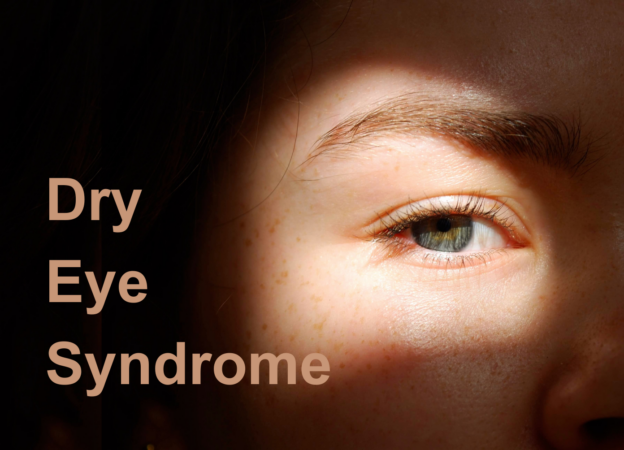
Dry Eye Syndrome

Dry eye syndrome, or keratoconjunctivitis sicca, occurs when the eyes don’t produce enough tears or when tears evaporate too quickly. Causes include low humidity, medical conditions, certain medications, aging, and prolonged digital device use. Symptoms include dryness, redness, blurry vision, light sensitivity, eye fatigue, discomfort when wearing contact lenses, excessive tearing, and gritty or sandy sensation.

What Is Dry Eye Syndrome

Dry eye syndrome, also known as keratoconjunctivitis sicca, is a condition in which the eyes do not produce enough tears, or the tears evaporate too quickly, causing the eyes to become dry, red, and irritated.

Causes

Dry eye syndrome can be caused by a variety of factors, including environmental factors such as low humidity or exposure to wind or smoke, medical conditions such as Sjogren’s syndrome, certain medications, aging, hormonal changes, and even prolonged use of digital devices. Additionally, some people may not produce enough tears or may have poor quality tears, which can also contribute to dry eye syndrome.

Dry Eye Symptom

The symptoms of dry eye syndrome may include:
  1. A feeling of dryness or irritation in the eyes
  2. Redness in the eyes
  3. Blurry vision
  4. Sensitivity to light
  5. Eye fatigue
  6. Discomfort when wearing contact lenses
  7. Excessive tearing (as the eyes try to compensate for the dryness)
  8. A gritty or sandy sensation in the eyes.

Dry Eye Treatment

The treatment for dry eye syndrome varies depending on the severity and underlying cause. Some common treatments include:
  1. Artificial Tears: Over-the-counter eye drops that can help lubricate the eyes and relieve dryness.
  2. Prescription Eye Drops: In some cases, prescription eye drops may be helpful. It’s necessary to reduce inflammation and increase tear production.
  3. Lifestyle Changes: Avoiding dry environments, taking frequent breaks from computer or device use. You can put on JimHalo’s eyeglasses and stay hydrated. can all help reduce symptoms.
  4. Punctal Plugs: These are small devices that can be inserted into the tear ducts, and they will help keep tears on the surface of the eye longer. This helps to keep the eyes moist. It may be recommended if other treatments have not been effective.
The most important thing is to visit an eye doctor. Doctors will give professional treatment for your specific case.

prevetetion

Here are some tips to prevent dry eye syndrome:
  1. Blink frequently: Make a conscious effort to blink more often, especially when working on the computer or reading for long periods of time.Blinking helps to spread moisture over the surface of the eye, keeping it moist.
  2. Take breaks: To prevent eye strain, frequent breaks are needed. Take breaks from activities like staring at a computer screen or reading. Every 20 minutes, take a break and look away from your screen. This gives your eyes a chance to rest and reduces the strain on your eyes.
  3. Use a humidifier: Adding moisture to the air can help prevent dry eyes, especially when winter comes, the air indoors turns extremely dry .
  4. Avoid smoking: Smoking can worsen dry eye symptoms, so if you smoke, consider quitting.
  5. Use eye drops: Over-the-counter eye drops can provide temporary relief for dry eyes, but talk to your doctor if you need more long-term treatment options.
  6. Adjust the lighting: The lighting in your work area can also contribute to eye dryness. Make sure that the lighting is not too bright or too dim, and avoid glare from windows or overhead lights.

conclusion

In conclusion, dry eye syndrome can be caused by a variety of factors, including environmental factors, medical conditions, and prolonged device use. To prevent dry eye syndrome, it’s important to blink frequently, take breaks from activities that strain the eyes, use a humidifier, avoid smoking, use eye drops as needed, and adjust the lighting in your work area. If you are experiencing symptoms of dry eye syndrome, it’s important to consult with an eye doctor for professional treatment tailored to your specific needs.
Eye health has become an important and common health concern. For our happiness in life, we need to pay attention to our eyes condition.And JimHalo eyewear will always be your perfect choice.
To protect your eyes from dryness, let’s visit at https://www.jimhaloeyewear.com/ . You may find one pair perfect for you!
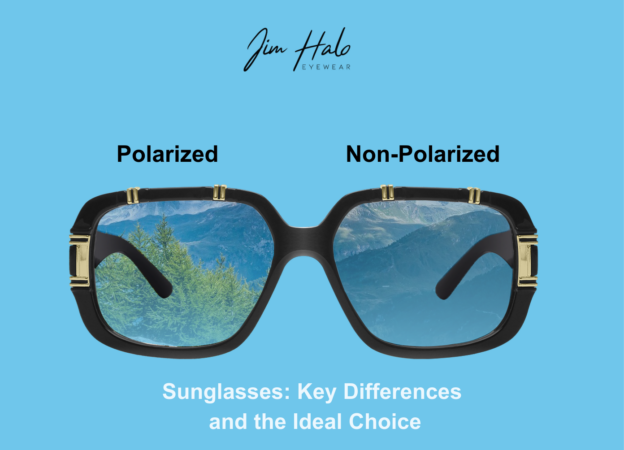
Comparing Polarized and Non-Polarized Sunglasses: Key Differences and the Ideal Choice

Comparing Polarized and Non-Polarized Sunglasses: Key Differences and the Ideal Choice

This passage will explore:
Introduction
The Science behind Polarized Sunglasses
The Science behind Non-Polarized Sunglasses
Comparing Polarized and Non-Polarized Sunglasses
Situational Suitability
Price and Accessibility
Conclusion
Text Leading:
This blog explores the differences between polarized and non-polarized sunglasses, highlighting their respective advantages and drawbacks. Polarized lenses offer superior glare reduction and visual clarity, making them ideal for outdoor activities, while non-polarized lenses provide a balance between glare reduction and color accuracy, suitable for everyday use and driving. Jim Halo Eyewear offers affordable, high-quality options for both types of sunglasses.

Introduction

Ah, sunglasses – they’re not only a stylish accessory, but also a vital component in protecting our eyes from the sun’s harmful rays. Navigating the world of sunglasses can be quite a challenge, given the plethora of choices out there. Fret not, because in this blog, we’re going to explore the nuances between polarized sunglasses and non-polarized ones, guiding you towards the perfect pair that complements your lifestyle. So, grab your shades and let’s jump right in!

The Science behind Polarized Sunglasses

You might think polarization belongs exclusively to physics, but it’s actually an essential concept in eyewear too. Polarized lenses are engineered to combat glare from reflective surfaces like water, snow, and glass. The secret lies in a unique chemical film applied to the lenses, which serves as a selective filter that blocks horizontal light waves while permitting vertical ones to pass through.
The benefits of polarized sunglasses are numerous. For starters, they significantly reduce glare, making it much more comfortable to spend time outdoors – especially near water or in snowy conditions. Polarized lenses also enhance visual clarity and contrast, allowing you to perceive more details in your surroundings. For outdoor enthusiasts and athletes, polarized glasses are an excellent choice, providing clearer vision and reducing eye strain during long days in the sun.

The Science behind Non-Polarized Sunglasses

Unlike polarized ones, non-polarized shades focus on reducing the overall amount of light that reaches your eyes. To accomplish this, a uniform layer of tint is applied to the lens material, which helps block a portion of the incoming light. This tint doesn’t just tone down brightness; it also provides a layer of defense against those pesky and harmful UV rays that can cause damage to your eyes.
Though non-polarized sunglasses might not boast the same glare reduction as polarized lenses, they still come with a host of perks. For instance, they’re usually more budget-friendly, making them an attractive option for many. Moreover, non-polarized sunglasses are great for situations where true-to-life color perception is essential, like driving or soaking in the splendor of a scenic landscape.

Comparing Polarized and Non-Polarized Sunglasses

When it comes to glare reduction, visual clarity, and color perception, polarized and non-polarized sunglasses each have their strengths and weaknesses.
Polarized lenses truly shine when it comes to reducing glare and boosting visual clarity, making them perfect for water sports, snowy adventures, and various outdoor activities. However, their ability to enhance colors may occasionally cause minor distortions in color perception, which might not be ideal in some situations.
On the flip side, non-polarized sunglasses might not be as adept at curbing glare, but they generally provide a truer representation of colors.They’re often a better option for everyday use, as they provide a good balance between glare reduction and color accuracy. Ultimately, the choice between polarized and non-polarized sunglasses comes down to personal preference and intended use.

Situational Suitability

Choosing the right sunglasses depends heavily on the activities you plan to engage in while wearing them. For water sports enthusiasts, fishermen, and those who spend a significant amount of time near reflective surfaces, polarized sunglasses are a clear winner. The glare reduction provided by polarized lenses makes it much easier to see beneath the water’s surface and enhances overall visual comfort.
For drivers, the debate between polarized and non-polarized sunglasses is more nuanced. While polarized lenses can reduce glare from the road and other vehicles, they may also obscure essential information displayed on LCD screens, such as GPS devices or vehicle dashboards. Non-polarized sunglasses may be a safer option for driving, as they maintain accurate color perception without compromising visibility.
In everyday life, non-polarized ones can be a fashionable and functional accessory. They offer a balance between glare reduction and color accuracy, making them suitable for a wide range of activities – from strolling through the park to attending an outdoor event.

Price and Accessibility

When it comes to the price tag of sunglasses, polarized lenses usually carry a heftier cost than their non-polarized counterparts. This is mainly because of the extra manufacturing steps and materials needed to craft the polarizing film. However, don’t let this deter you – it’s entirely feasible to find budget-friendly polarized sunglasses that don’t skimp on quality. So, keep your eyes peeled for affordable options that won’t break the bank.
A prime example is the Jim Halo Eyewear collection, which offers a wide range of stylish and high-quality polarized glasses at reasonable prices. You can find both polarized and non-polarized options on their website, jimhaloeyewear.com, ensuring that you can choose the perfect pair to suit your needs and budget.

Conclusion

In conclusion, the choice between polarized and non-polarized sunglasses ultimately comes down to personal preference and the activities you engage in most frequently. Polarized lenses offer superior glare reduction and visual clarity, making them ideal for outdoor enthusiasts and those who spend time near water or snow. Non-polarized sunglasses provide a balance between glare reduction and accurate color perception, making them suitable for everyday use and driving.
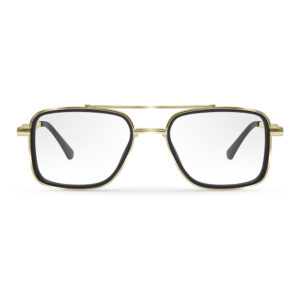
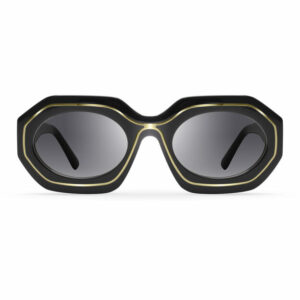
No matter which type of sunglasses you prefer, the Jim Halo Eyewear collection has a variety of stylish options to choose from. Visit jimhaloeyewear.com to explore their range of  both polarized and non-polarized ones , and find the perfect pair to keep your eyes protected and comfortable in any situation. Don’t miss out – enhance your eyewear game today!
Myopia

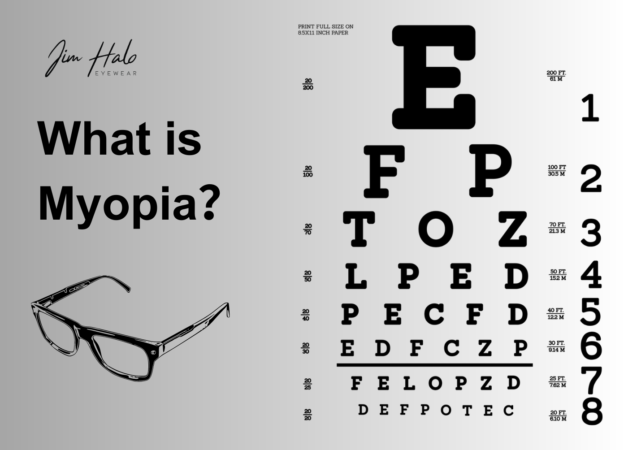
What is Myopia?

Myopia, also known as nearsightedness, is a refractive error,which affects the ability of the eye to focus on distant objects. It is a common vision problem. Even though it affects millions of people worldwide, its prevalence is increasing at an alarming rate.

What Causes Myopia

Myopia is caused by both genetic and environmental factors. Research suggests that if one or both parents are nearsighted, their children are more likely to develop myopia.
Also, spending too much time indoors and engaging in activities,like reading and using digital devices, which require a lot of close-up work, may increase the risk of developing myopia. Parents can help their children by encouraging outdoor activities and limiting screen time. Good habits, such as taking frequent breaks during close-up work, maintaining proper posture, and getting regular eye check-ups, can also help prevent and manage myopia.

Signs & Symptoms of Nearsightedness

The main symptom of nearsightedness is difficulty seeing distant objects clearly, while nearby objects are usually clear. Other signs and symptoms of nearsightedness may include:
  • Squinting to see distant objects
  • Headaches, especially after reading or other close work
  • Eye strain or fatigue
  • Blurred vision when looking at distant objects
  • Difficulty seeing while driving, especially at night
  • Needing to sit closer to the TV or computer screen
  • Rubbing the eyes frequently
If you are experiencing any of these symptoms, it is important to schedule an eye exam with an optometrist or ophthalmologist to determine if you have nearsightedness or another vision problem.

Can Myopia Be Corrected

Yes, it can be corrected through various methods such as wearing glasses or contact lenses, undergoing refractive surgery, or using orthokeratology lenses. The most common method of correction is wearing prescription glasses or contact lenses that are designed to adjust the focus of light entering the eye.
Refractive surgery, such as LASIK, can also be an option for those who want a more permanent solution. Orthokeratology lenses are another option, which involves wearing specialized contact lenses overnight to reshape the cornea temporarily. It’s important to consult with an eye care professional to determine the best method of correction for your individual needs.

How to Choose Eyeglasses for Your Eyes

Regular eye check-ups with an eye doctor are crucial to ensure you have the right prescription lenses for your degree of myopia. Comfort and suitability are key factors when choosing a frame style and shape. Some frames can be too heavy or tight, causing discomfort or headaches.
Material of the frame is important, too. There are many options available, including metal, plastic, and even eco-friendly materials like bamboo.
Besides, think about any additional features you may want, such as anti-reflective coatings, photochromic lenses, or blue light blocking technology.

How to Stop Myopia from Progressing

One of the most effective ways is to take regular breaks from close-up activities. Spending long periods of reading or using electronic devices can strain your eyes and contribute to myopia progression. To prevent this, take frequent breaks and look away from the screen or book to give your eyes a rest. Spending time outdoors and getting exposure to natural sunlight can slow the progression of myopia, according to studies.
A healthy diet that includes fruits, vegetables, and omega-3 fatty acids can also support healthy vision and reduce myopia progression.
Wearing the correct prescription is crucial and an effective way to slow the progression of myopia. Therefore, it is essential to wear the correct prescription prescribed by your eye doctor, especially if you already wear glasses or contacts for myopia. Wearing the wrong prescription can worsen myopia.
Consider orthokeratology, a non-surgical treatment where special contact lenses are worn overnight to reshape the cornea and temporarily correct myopia. This treatment has been shown to slow the progression of myopia in some patients. It’s important to consult with your eye doctor for personalized advice on how to manage and stop the progression of your myopia. By taking proactive steps and addressing the underlying causes, you can help protect your eyesight and maintain healthy vision.
Willow

Conclusion

In conclusion, myopia is a common vision problem that can be caused by both genetic and environmental factors. However, there are several ways to manage and correct myopia, including wearing glasses or contact lenses, undergoing refractive surgery, or using orthokeratology lenses. Taking proactive steps like spending time outdoors, maintaining a healthy diet, and wearing the correct prescription can also help slow the progression of myopia. Regular eye check-ups with an eye doctor are essential to ensure you have the right prescription lenses for your individual needs.
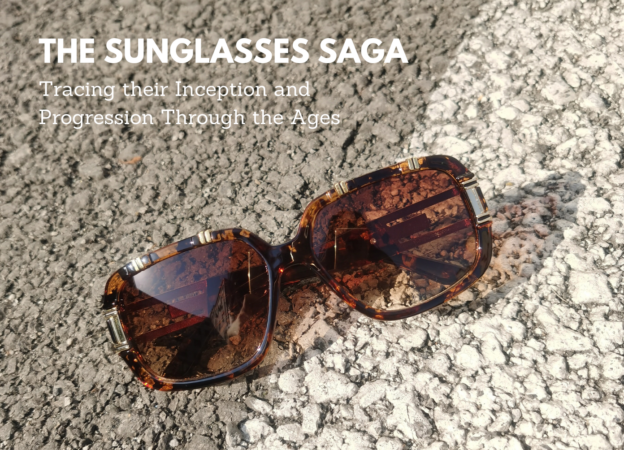
The Sunglasses Saga

The Sunglasses Saga: Tracing their Inception and Progression Through the Ages

This passage will explore:
Introduction
Ancient Origins of Sunglasses
The Emergence of Sunglasses in Ancient Rome and China
Sunglasses in the Renaissance and Baroque Periods
The 18th and 19th Centuries: Pioneering Innovations
The 20th Century: The Golden Age of Sunglasses
Modern Sunglasses: Function and Fashion
Conclusion
Text Leading:
The Sunglasses Saga explores the fascinating journey of sunglasses from ancient origins to modern-day fashion statements. It highlights the evolution of design, functionality, and cultural significance throughout history. The blog features Jimhaloeyewear, encourages readers to discover their perfect pair at jimhaloeyewear.com.

Introduction

The history of sunglasses spans across centuries, cultures, and continents. With diverse origins and myriad applications, these quintessential accessories have evolved from rudimentary protective eyewear to fashion statements. In this blog post, we delve into the fascinating journey of them. We also explore how they have shaped our world. As we examine the past, present, and future of glasses, we’ll also introduce you to the stylish and functional eyewear offered by Jimhaloeyewear.

Ancient Origins of Sunglasses

The fascinating story of sunglasses dates back to ancient times when our ancestors ingeniously devised methods to protect their eyes from the sun’s powerful rays. Among these early innovations were the snow goggles crafted by prehistoric Inuit people. These resourceful individuals used materials such as bone, wood, or leather to create primitive eyewear. Designed with narrow slits, these snow goggles minimized exposure to sunlight and effectively shielded the wearer’s eyes from the dangers of snow blindness. This early example of protective eyewear laid the foundation for the modern glasses we cherish today.

The Emergence of Sunglasses in Ancient Rome and China

The use of sunglasses as a status symbol can be traced back to Ancient Rome, where emperors sported smoky quartz lenses to protect their eyes from glare and disguise their expressions. Similarly, in Ancient China, judges wore flat panels of smoky quartz to conceal their emotions during court proceedings. These rudimentary sunglasses not only shielded their eyes from sunlight but also bestowed an air of mystery and authority.

Renaissance and Baroque Periods

During the Renaissance and Baroque periods, remarkable progress was made in the realm of eyewear. It was during this time that eyeglasses were first introduced in Europe. That’s the time when set the stage for a new era of visual aid. As artistic and fashion trends began to blossom, the practicality of eyeglasses expanded to include protection from the sun’s glare. This adaptation marked the birth of early sunglasses.
Designers of the time drew inspiration from the artistic movements of the era, crafting intricate and ornate frames that embodied the extravagance of the period. These embellishments were not only visually striking but also reflected the societal importance of eyewear, transforming mere functionality into a fashionable statement. In this way, the Renaissance and Baroque periods played a pivotal role in shaping the future of glasses as both practical tools and fashionable accessories.

The 18th and 19th Centuries: Pioneering Innovations

English optician James Ayscough revolutionized sunglasses in the 18th century by introducing tinted lenses, which he believed could alleviate specific vision impairments. Meanwhile, the invention of side shields further enhanced the functionality of them, offering increased protection from the sun’s rays.

The 20th Century: The Golden Age of Sunglasses

The mass production of sunglasses in the 20th century popularized these essential accessories, transforming them from protective eyewear to stylish fashion statements. Hollywood celebrities and iconic movie characters sported various sunglasses styles, making them highly sought-after by the general public. World War II also saw the development of new sunglasses technology for military pilots, with innovations such as polarized lenses and aviator frames.

Modern Sunglasses: Function and Fashion

In the 21st century, glasses have become a perfect blend of function and fashion. Technological advancements, such as polarized lenses, UV protection, and photochromic lenses, provide enhanced performance and comfort, while designer brands and high-end fashion houses cater to diverse aesthetic preferences.
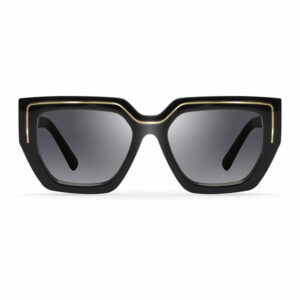
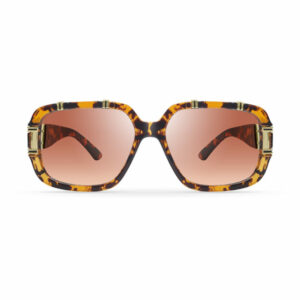
Jimhaloeyewear skillfully blends style and practicality, offering a wide variety of fashionable and functional sunglasses tailored to meet the unique needs of each individual. Whether you’re an outdoor enthusiast on the hunt for high-performance eyewear or a fashion-forward shopper keen on staying up-to-date with the latest trends, Jimhaloeyewear has the perfect pair just for you.


A shining example of Jimhaloeyewear’s dedication to excellence is their diverse collection. It features an array of trendy sunglasses tailored to suit various tastes and lifestyles. These glasses not only exude style, but they also integrate advanced features such as polarized lenses, UV protection, and lightweight, durable frames. As a result, Jimhaloeyewear’s glasses cater to fashion-forward individuals and experienced explorers alike, ensuring everyone can enjoy the seamless blend of style and practicality.

Conclusion

The enduring significance of sunglasses in our society is undeniable.  As we look forward to future trends  in the world, we can expect more innovative designs to emerge.
As time progresses, Jimhaloeyewear consistently remains at the cutting edge of fashionable and functional sunglasses. With a plethora of designs tailored to various tastes, you’re certain to find the perfect pair for any occasion . So, why hold back? Dive into the mesmerizing history and contemporary charm of them. Visit jimhaloeyewear.com today and browse their vast collection of eye-catching accessories.
Discover your next must-have item and experience the extraordinary blend of style, practicality, and protection that is distinctly Jimhaloeyewear. Seize the opportunity to upgrade your eyewear collection and embrace the incredible world of sunglasses waiting just for you.
Ethan S