Author Archives: WUJI

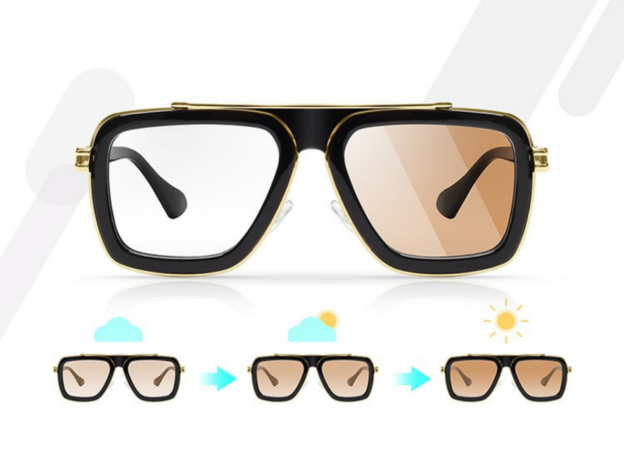
Exploring Future Technology Photochromic Lenses Leading the Fashion Trend

Exploring Future Technology: Photochromic Lenses Leading the Fashion Trend

Introduction:

With the rapid advancement of technology, our lives are becoming increasingly smarter. In this digital era, technology has permeated various aspects of our daily lives, including the eyewear industry. In recent years, photochromic lenses, as an emerging technological product, have captured people’s attention and become a trendsetter.

Understanding Photochromic Lenses:

Photochromic lenses, also known as transition lenses, are innovative eyewear lenses that undergo a reversible color change in response to UV light exposure. These lenses are engineered with special photochromic molecules that react to the presence or absence of sunlight, leading to a darkening or lightening effect. The transition from clear to tinted or vice versa occurs within seconds, providing wearers with enhanced visual comfort in varying light conditions.

Benefits of Photochromic Lenses:
Erik

Convenience: They eliminate the need to carry multiple pairs of glasses for different light conditions. They adapt to changing environments seamlessly, ensuring optimal vision clarity indoors and outdoors.
UV Protection: Photochromic lenses offer a built-in UV protection feature, safeguarding our eyes from harmful ultraviolet rays. This reduces the risk of developing eye conditions such as cataracts and macular degeneration caused by prolonged UV exposure.
Style and Fashion: These lenses have evolved beyond their functional aspect and become a trendy fashion accessory. They come in a variety of colors and styles, allowing individuals to express their personal style while enjoying the benefits of adaptive eyewear.
Applications in Different Fields:

Sports and Outdoor Activities: Photochromic lenses are highly suitable for athletes and outdoor enthusiasts who engage in activities exposed to varying light conditions. These lenses provide optimal visual clarity and eliminate the hassle of switching between different pairs of sunglasses.
Driving: They are ideal for drivers, as they automatically adjust to changing light conditions, ensuring a clear view of the road. The lenses darken in bright sunlight and lighten indoors or at night, enhancing safety and reducing glare.
Fashion Industry: Photochromic lenses have gained popularity in the fashion industry due to their versatile nature. They can be incorporated into various eyewear designs, offering a unique and contemporary look.
The Future of Photochromic Technology: As technology continues to advance, the future of photochromic lenses holds promising possibilities. Researchers are exploring innovations such as faster transition times, improved color options, and enhanced photochromic performance. With these advancements, they will become even more adaptable, stylish, and seamlessly integrated into our daily lives.
Conclusion:

Photochromic lenses represent a significant advancement in eyewear technology, revolutionizing the way we perceive and interact with the world around us. Their ability to adapt to changing light conditions, provide UV protection, and offer stylish options makes them a popular choice for individuals seeking convenience, fashion, and eye health. Embracing the future of photochromic technology will undoubtedly lead us to a more vibrant and fashionable world.
Do myopic glasses make your eyes bulge out

Do Myopic Glasses Make Your Eyes Bulge Out?

Introduction:

In society, there is a misconception that wearing eyeglasses can cause bulging eyes. This belief leads some individuals to avoid wearing glasses altogether or limit their usage to specific situations. However, it is crucial to understand the truth behind this notion. This comprehensive guide aims to debunk the myth surrounding bulging eyes, shed light on the role of myopia, provide insights into choosing the right eyeglasses, offer precautions for wearing them, and emphasize the importance of good eye habits.
  1. Myopia as the Root Cause of Bulging Eyes:

Contrary to popular belief, wearing glasses does not directly result in bulging eyes. The primary cause of bulging eyes is myopia, which involves the elongation of the eye axis. Axial myopia, the most common type, occurs when the eye axis grows rapidly. During a child’s growth, the eye axis follows a pattern similar to their height, transitioning from hyperopia (farsightedness) to orthopia (normal vision). However, if the eye axis grows too quickly, myopia can develop. The lengthening of the eye axis is what leads to bulging eyes, and it is unrelated to wearing glasses.
Benjamin myopia
Glasses correct vision by changing the concentration and dispersion of light. Myopic glasses, specifically concave lenses, allow light to diverge before reaching the retina, ensuring clear vision. However, due to the optical properties of concave lenses, objects appear smaller as myopia increases. This might give the impression that the eyes of someone wearing myopic glasses are smaller and distorted. In reality, properly prescribed glasses not only correct vision but also help modify certain eye and facial defects. Avoiding glasses when experiencing myopia can lead to visual fatigue and potential complications, such as increased myopia progression or strabismus. It is crucial for individuals, especially children, to undergo standardized examinations and obtain scientifically fitted glasses from reputable medical institutions.
Dugall glasses
  1. Choosing the Right Glasses for Bulging Eyes:

While frame glasses are a conventional solution for correcting refractive errors, selecting the appropriate glasses requires careful consideration. Optimal eyeglasses selection encompasses optical, aesthetic, and mechanical factors. Accurate optometry forms the foundation of a suitable prescription. Additionally, attention should be given to the frame’s fit, ensuring compatibility between the bridge and the nose, as well as the temples and the shape of the ears. Lastly, lenses must be precisely shaped, aligning the optical center with the center of the pupil. Neglecting to match the pupil distance and height may result in visual fatigue and the production of prismatic effects.
Gygnus glasses
  1. Precautions for Wearing Glasses and Managing Bulging Eyes:

a. Adhering to Prescription Duration: It is essential to follow the doctor’s recommended duration for wearing eyeglasses. Medical professionals determine the type of eyewear and the appropriate wearing schedule based on refractive errors, individual eye needs, and visual function. Experts generally recommend individuals who need eyeglasses to use them regularly and consistently. It is crucial to avoid using glasses that belong to others or wearing deformed glasses.
b. Protecting Your Glasses: When putting on or removing glasses, it is advisable to use both hands and maintain a parallel direction along both sides of the face. Using only one hand may disrupt the balance of the frame and result in deformation. Storing glasses with the lenses facing upwards or placing them in a protective case helps prevent lens wear. Direct exposure to sunlight in a car should be avoided, and it is recommended to wash the lenses with water regularly. Additionally, periodic visits to professional optometric centers for maintenance and adjustment are highly recommended after obtaining glasses.
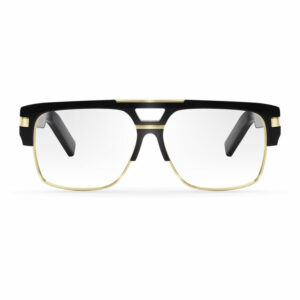
Theodore Glasses
c. Regular Vision Check-ups: Children, adolescents, and adults should undergo regular vision check-ups to monitor their visual condition. Children and adolescents need visual system reviews every 3-6 months due to their developmental stage. Adults should have check-ups every six months. In cases of lens wear and tear or changes in prescription, refitting becomes necessary.
  1. Cultivating Good Eye Habits for Bulging Eyes:

In addition to wearing eyewear, prevention and management of myopia involve developing healthy eye habits. Children and adolescents, regardless of their current vision status, should engage in outdoor activities, limit prolonged near-range eye usage, and maintain proper writing posture.

conclusion

In conclusion, understanding myopia, proper glasses usage, and good eye habits are vital for long-term eye health and preventing bulging eyes.
Exploring the World of Smart Audio Glasses

Exploring the World of Smart Audio Glasses

Text leading

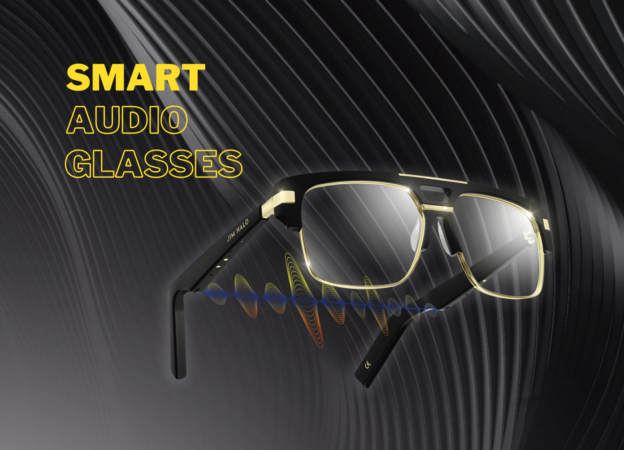
Do you find yourself getting tired of wearing conventional eyeglasses that only serve the purpose of correcting your vision? Have you ever wished that your eyeglasses could do more than just help you see better? Smart Audio Glasses are here, and they’re changing the way we perceive eyewear. So, what are these snazzy gadgets, and why should you care? Buckle up as we take you on a thrilling journey exploring the ins and outs of Bluetooth Glasses. And for those of you keen on staying ahead of the curve, we’ll also shine a spotlight on the remarkable brand, Jimhalo Eyewear, and help you make an informed decision when shopping for your next pair of smart glasses. In this blog, we will take a closer look at everything you need to know about them and why they are a game-changer for eyewear.

How Smart Audio Glasses Work

When it comes to writing content, two factors are crucial, “perplexity” and “burstiness.” And trust us, these smart glasses are nothing short of perplexing in the best possible way. So, how do they work?
  1. Bluetooth Connectivity: These glasses employ Bluetooth technology, wirelessly connecting them to your smartphone or other smart devices.
  2. Integrated Components: Miniaturized tech components, including speakers, microphones, and sensors, are skillfully built into the frame.
  3. Functionality: Smart Audio Glasses allow you to make calls, listen to music, access voice assistants-all hands-free!
Voila! That’s the secret sauce behind these futuristic wearables.
Smart Audio Glasses-Peter

Features

Smart Audio Glasses come packed with features that make them stand out from traditional eyeglasses. Some of these features include:
  • Wireless Audio: No more tangled earphone wires, folks! The integrated speakers and microphones provide a seamless audio experience.
  • Smart Touch Controls: Allows you to control music playback, adjust volume, answer phone calls, and more.
  • UV Protection: On top of everything else, the lenses also protect your eyes from harmful UV rays.

Applications of Smart Audio Glasses

Smart Audio Glasses have numerous applications that make them a must-have for anyone who wants to simplify their life.
Some of the applications include:
  1. Daily Commute: Listen to music or make calls while keeping your eyes on the road or train platform.
  2. Workplace: Effortlessly switch between work calls and tunes without ever removing your Smart Audio Glasses.
  3. Outdoor Activities: Go hiking or cycling with ease, knowing your glasses double up as protective eyewear and an entertainment hub.
Smart Audio Sunglasses-Peter

Advantages of Smart Audio Glasses

There are numerous advantages to using Smart Audio Glasses over traditional eyeglasses. Some of these advantages include:
  • Stylish and Practical: Sporting a sleek design, they combine style with utility.
  • Increased Safety: No need to fumble with your phone while driving, cycling, or walking.
  • Convenience: Access essential functions with just a tap or swipe, leaving your hands free for other tasks.
  • Multifunctionality: One device does it all – calls, music, and UV protection.

Comparison with Traditional Glasses

It’s important to note that Bluetooth glasses differ from other smart glasses.
Traditional eyeglasses only correct vision, while they provide additional features and applications. Smart Audio Glasses also allow for hands-free communication and music listening, while traditional ones do not. Additionally, they are more fashionable and stylish than traditional eyeglasses.
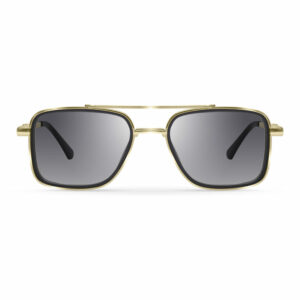
Smart Audio Sunglasses-Naval

Key Considerations When Shopping

Let’s make your smart eyewear journey more enjoyable by considering these important aspects:
  1. Compatibility: Double-check that the Smart Audio Glasses play well with your smartphone.
  2. Battery Life: Opt for a longer battery life for added convenience and less time spent charging.
  3. Comfort: Ensure the frames are lightweight and provide a snug fit for a comfy experience during long wear.
  4. Durability: Seek out water and sweat-resistant frames capable of handling everyday use.
  5. Style: You know you want your smart glasses to look fantastic on you, so go ahead and choose a design that truly reflects your unique style.
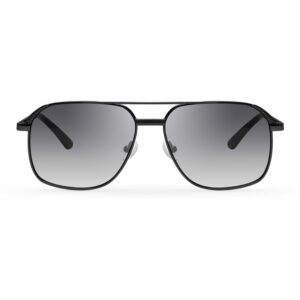
Smart Audio Glasses-Naval

Conclusion

To sum it up, Smart Audio Glasses have revolutionized the eyewear industry, offering convenience, safety, fashion, and functionality. At Jimhaloeyewear.com, we supply a vast selection of Bluetooth Glasses to suit your requirements and distinctive taste. So, there you have it! A quick journey through the fascinating world of Bluetooth Glasses. With their cutting-edge features, diverse uses, and undeniable benefits, it’s time to say goodbye to traditional eyewear and welcome the future with open arms. And what better way to do that than with the fabulous range of Jimhalo Eyewear? Don’t wait any longer! Visit jimhaloeyewear.com and start your smart eyewear adventure today!
Is blue light really harmful to the eyes?

Understanding Blue Light and Anti-Blue Light Glasses

Introduction:

In today’s digital age, concerns have been raised about the potential harm of blue light emitted by electronic devices like cell phones and computers. This guide aims to explore the impact of blue light on our health and shed light on the effectiveness and qualifications of anti-blue light glasses.

The Nature of Blue Light:

Blue light is a component of visible light characterized by its short wavelength and high energy. It can be further classified into blue-green light and blue-violet light. While blue-green light is believed to have beneficial effects on the human body, stimulating pupil contraction and regulating biorhythms, blue-violet light poses potential harm to the eyes. Prolonged exposure to blue-violet light can lead to the production of lipofuscin in the eye’s macula, resulting in phototoxic reactions and macular degeneration.

Age Sensitivity and Exposure:

Blue light affects individuals of different ages in varying degrees. As we age, the lens of our eyes naturally absorbs more blue light, reducing its transmission. However, children have clear lenses with a higher transmission rate, making them more susceptible to the effects of blue light. Excessive use of electronic devices has been shown to impact children’s vision and sleep quality. While blue light may not be solely to blame, it is essential to limit screen time for children.

Anti-Blue Light Glasses:

Anti-blue light glasses have gained popularity as a means to reduce the potential eye damage caused by blue light from electronic devices. These glasses are designed to filter out harmful blue-violet light while allowing the beneficial blue-green light to pass through, ensuring visual clarity and comfort. However, the effectiveness of anti-blue light glasses has been primarily studied using high-intensity blue-violet light in animal experiments, which do not represent typical exposure levels from LED lights and electronic screens. Thus, there is no need for excessive concern about blue light‘s impact.

Quality and Selection:

The quality of anti-blue light glasses available in the market varies significantly. High-quality lenses effectively filter blue-violet light while maintaining optimal blue-green light transmission. They are typically light in color and may come at a higher price. It is advisable to choose reputable brands that meet the required standards for lens transmittance and chromatic aberration.

Considerations and Alternatives:

If one lacks confidence in selecting qualified anti-blue light glasses, wearing ordinary glasses is a viable alternative. The exposure to blue light in everyday life is not significant enough to necessitate the use of anti-blue light glasses. Furthermore, wearing non-qualified glasses can potentially cause more harm to the eyes.

Conclusion:

Understanding the nature of blue light and its effects is crucial in making informed decisions about protecting our eyes. While blue-violet light can be harmful, it is essential to consider the level of exposure and the qualifications of anti-blue light glasses. Prioritizing screen time limitations, especially for children, can also contribute to maintaining healthy eyesight in the digital era.
The Connection between Food and Eye Health

Nourishing Your Eyes: The Connection between Food and Eye Health

Introduction:

Our eyes are not only windows to the world but also vital organs that enable us to experience the beauty around us. Taking care of our eyes is crucial for maintaining good vision and overall eye health. While regular eye examinations and proper eye care habits are important, we often overlook the role that nutrition plays in keeping our eyes in optimal condition. In this blog post, we will explore the connection between food and eye health and discover how certain nutrients can contribute to maintaining healthy eyes.
  1. Antioxidants for Eye Health:

Antioxidants are powerful compounds that help protect our cells from damage caused by free radicals. When it comes to eye health, antioxidants play a vital role in preventing age-related macular degeneration (AMD) and cataracts, two common eye conditions that can lead to vision loss. Foods rich in antioxidants, such as fruits and vegetables, help combat oxidative stress and reduce the risk of these conditions. Include colorful fruits like berries, oranges, and kiwis, as well as leafy greens like spinach and kale, in your diet to ensure a good intake of antioxidants.
  1. Omega-3 Fatty Acids for Eye Moisture:

Dry eyes can be uncomfortable and may even affect our vision. Omega-3 fatty acids, particularly docosahexaenoic acid (DHA), are essential for maintaining eye moisture and reducing the symptoms of dry eyes. Cold-water fish like salmon, tuna, and sardines are excellent sources of omega-3 fatty acids. For non-fish eaters, options like flaxseeds, chia seeds, and walnuts provide plant-based alternatives. Including these foods in your diet can help alleviate dry eye symptoms and support overall eye health.
  1. Vitamins and Minerals for Eye Vitality:

Certain vitamins and minerals are crucial for maintaining eye vitality and preventing eye diseases. Vitamin C, vitamin E, and zinc are known for their role in reducing the risk of developing advanced AMD. Citrus fruits, bell peppers, almonds, and oysters are great sources of these nutrients. Additionally, vitamin A, commonly found in carrots, sweet potatoes, and spinach, is essential for maintaining good night vision. Including a variety of foods rich in these vitamins and minerals can contribute to the long-term health of your eyes.
  1. Maintaining Healthy Blood Sugar Levels:

High blood sugar levels can have detrimental effects on our overall health, including our eyes. Diabetic retinopathy is a condition that occurs when blood vessels in the retina are damaged due to diabetes. To maintain healthy blood sugar levels, it is important to follow a balanced diet that includes whole grains, lean proteins, and plenty of fruits and vegetables. Avoid excessive consumption of sugary and processed foods to reduce the risk of developing diabetic retinopathy.
  1. Hydration for Eye Moisture:

Proper hydration is essential for maintaining eye moisture and preventing dry eyes. Drinking an adequate amount of water throughout the day helps in maintaining the natural tear film that keeps our eyes lubricated. Additionally, consuming hydrating foods like cucumbers, watermelon, and celery can contribute to overall hydration and eye health. Remember to drink enough water and include hydrating foods as part of your daily routine.

Conclusion:

When it comes to eye health, the saying “you are what you eat” holds true. A well-balanced diet rich in antioxidants, omega-3 fatty acids, vitamins, and minerals is essential for maintaining healthy eyes. By incorporating eye-friendly foods into our daily meals, we can nourish our eyes and reduce the risk of developing common eye conditions. Remember, caring for your eyes goes beyond just visiting the eye doctor; it starts with the choices you make in the kitchen. Let’s prioritize our eye health and enjoy the world.
Stop wearing poor quality sunglasses

Stop wearing poor quality sunglasses

Text Leading

Sunglasses are a fashion item for us, even if an ordinary person wears them, they will become a fashion trendsetter in seconds. There are many different styles of them, and the quality varies.But many people may not know that poor quality sunglasses can make people’s eyesight deteriorate. Today’s blog lets us understand the difference between poor quality and regular sunglasses.

The Difference

  1. Ultraviolet light

Both quality sunglasses and poor quality ones have the function of darkening the intensity of the light outside. But one thing that must be known is that darkening the light is not the same as blocking UV rays. Some sunglasses can also reduce the degree of blinding, but can not block UV rays.
Ultraviolet rays are sun rays with wavelengths between 200nm and 380nm, so any lens that can block light exposure at wavelengths above 380nm can effectively protect against UV rays. A more common indicator is “UV400. If the regular brand, and the “UV400” logo, then sunglasses UV protection is not a problem.
  1. Sunglasses Design differences

High-grade sunglasses will have a designer’s unique design, in the shape, with, fashion degree above will reflect their own style, materials mostly titanium alloy or pure titanium, Z titanium, EX titanium, etc.. Wearing will be lighter, more comfortable and natural. And it is not easy to lose paint and deformation. Lenses will use PC, reinforced glass, nylon and other materials, imaging better, more durable.
And poor quality ones, many do not have their own design, the material will use cheap materials, less durable.

The harm of poor quality sunglasses

Some people may ask, although they are poor quality sunglasses, it is better than not wearing them, right? At least it’s better than exposing your eyes to direct UV rays. Wrong! If they are of substandard quality, it’s really better not to wear them.
The reasons for this are twofold:
  1. permanent injury to the eyes. Wear sunglasses, the light becomes darker, so the human pupil is increased, but because yours can not block ultraviolet rays, that is equal to a large number of ultraviolet intake grown pupils, which is more than not wear but also hurt the eyes! And UV damage to the eyes is cumulative and irreversible.
  1. Harm to eyesight. This is mainly a matter of workmanship. General glasses, whether sunglasses or other glasses, there are reasonable optical indicators design, including spherical degree, prism degree, etc., if the design is not reasonable, easy to see deformation, causing double eye fatigue, long-term down will vision loss. Good sunglasses, in the function of complete UV protection to reduce UV damage to the eyes; in the optical to reduce visual deformation, to protect vision; in the wear comfortable, sturdy.
So, to protect our eyes from the scorching sun, pick cool sunglasses for yourself when summer comes.At the end of the day, I hope you can all pick a pair of them that suit you.

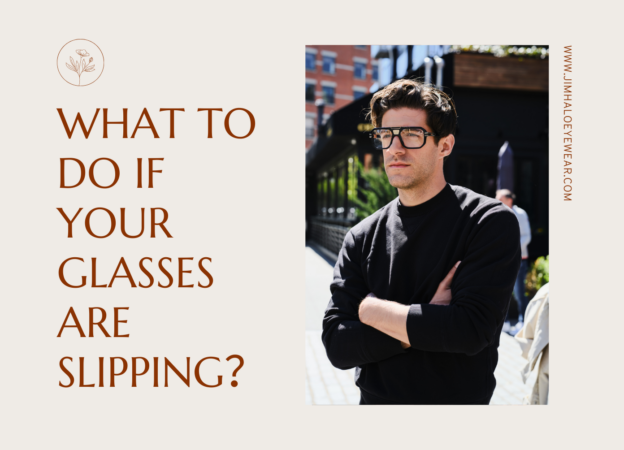
What to do if your glasses are slipping?

This guide will explore:
  • Ask a professional optometrist to adjust the frames
  • Stick non-slip nose pad
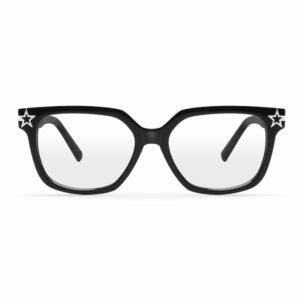
  • Install an eyeglass anti-slip sleeve on the temples
  • Clean your glasses regularly
  • Choose the right frame

Text Leading

People who wear glasses wear them for more than 12 hours a day. With such a high frequency of use, the comfort of wearing glasses is crucial. The problem of sliding downward is also a problem that almost all glasses wearers encounter.
How to solve this problem?
  1. Ask a professional optometrist to adjust the frames

If the glasses are caused by looseness, you can deal with it by adjusting the tightness of the connection or the frame.
If the frame has a nosepiece, you can adjust the nosepiece to ease the slippage. Sliding or uneven glasses are basically caused by uneven weight, and adjusting the nosepiece can bring the frame back into balance.
  1. Levi glasssesStick non-slip nose pad
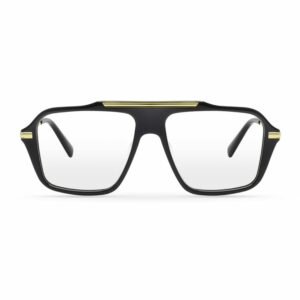
If it is a frame without nosepiece, there is no way to relieve it by adjusting the nosepiece, then we have to use nose pads to improve it.The better quality imported nose pads are mostly made of soft and transparent silicone, which is not easy to yellow and not easy to deform, and has strong anti-slip and corrosion resistance. And you can also choose different thin and thick nose pads according to your needs.
However, remember that nose pads cannot be reused and cannot be rinsed directly with water. For nose pads, they typically have a usage period of approximately 3 months. During summer when sweating is more frequent, it is advisable to replace them every two months. However, in winter when sweating is less, replacements can be made once every six months.
  1. Install an eyeglass anti-slip sleeve on the temples

Place the anti-slip sleeve on top of the temples and hook it over the ears without affecting the aesthetics. If you usually exercise and work out a lot, or engage in heavy work, you can consider adding a non-slip cover on the temples to avoid the glasses from slipping, but also to protect the frame from being broken.
There are many forms of anti-slip sleeves, invisible, anti-allergic, and simple ear hook forms, you can choose according to your needs.
  1. Clean your glasses regularly

One reason for glasses to slip is the accumulation of dust and oil on the nose pads and temples. Cleaning your glasses regularly will prevent this buildup and keep them in place. To clean your glasses, use a mild soap and water solution and gently scrub the nose pads and temples with a soft brush. Rinse with clean water and dry with a clean cloth.
  1. Choose the right glasses frame

Finally, if you are still having trouble keeping your glasses in place, it may be time to consider a different frame. The right frame will keep your glasses in the right position. Look for frames with adjustable nose pads, comfortable accessories, and sturdy temples. Also, consider the shape of your face and choose a frame that complements your features.
In summary, keeping glasses from slipping off may pose challenges. However, the mentioned methods can effectively solve this issue.
What Should We Know about Comprehensive Eye Exams?

What Should We Know about Comprehensive Eye Exams?

Text leading
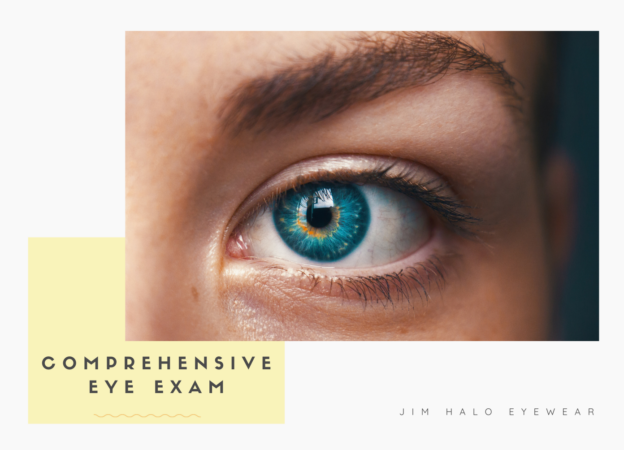
A comprehensive eye exam is like a comprehensive check-up for your eyes. Just as you visit a doctor for a regular physical examination to keep your body healthy, an eye exam is a similar check-up specifically focused on your eyes. During the exam, an eye care professional will thoroughly assess your eyes to determine their overall health and to detect any potential vision problems or eye conditions.
In this blog post, we will discuss what a comprehensive eye exam is, what it involves, and why it is important.

What is Comprehensive Eye Exam?

A comprehensive eye exam is a detailed evaluation of your eyes and vision performed by a trained eyes care specialist. It is a regular examination aimed at assessing the well-being of your eyes, identifying any vision issues, and detecting any underlying eye diseases or conditions. During this comprehensive examination, a wide range of tests and assessments are conducted to thoroughly evaluate your visual acuity, eye movement, eye pressure, and overall eye condition. It serves as a vital preventive measure to promote optimal eye health by catching any potential problems early on, enabling timely intervention and treatment.

What Does a Comprehensive Eye Exam Involve?

The comprehensive eye exam includes a thorough assessment of various structures within your eyes. It includes measuring your visual acuity (how well you can see), checking your eye movement and alignment, evaluating eye pressure, and examining the health of the various eye structures. These evaluations play a critical role in understanding the overall health of your eyes and enable the detection of any signs of eye diseases or conditions.
In some cases, the eye care professional may opt to dilate your eyes using specialized eye drops. This dilation widens the pupils, allowing for a more detailed examination of the internal structures, particularly the retina. This comprehensive evaluation provides valuable insights into your eye health.
 It aims to provide a thorough assessment of your health, ensuring the detection of any potential issues. By performing these tests and evaluations, the exam aims to facilitate early intervention or treatment when necessary, promoting optimal eye health and well-being.

Why is a Comprehensive Eye Exam Important?

There are several important reasons why a comprehensive eye exam is essential:
  1. Early Detection of Eye Diseases: By undergoing regular exams, you can proactively detect eye diseases in their early stages. This ensures timely and effective treatment. Moreover, it helps prevent the progression of vision deterioration.
  2. Prevention of Blindness: Eye diseases like glaucoma and macular degeneration can lead to blindness if left untreated. A comprehensive exam can detect these diseases early, allowing for timely intervention and management to prevent vision loss.
  3. Monitoring Eye Health: Routine comprehensive eye exams enable the continuous monitoring of your eye health. This is particularly crucial for individuals with a family history of eye diseases or other conditions that can impact the eyes. Regular examinations help identify any changes or potential risks, allowing for appropriate measures to be taken.
  4. Prescription of Glasses or Contacts: If you require corrective eyewear, a comprehensive eye exam is vital. It determines whether you need glasses or contact lenses and provides accurate prescription details tailored to your specific vision needs. This ensures optimal visual clarity and comfort.

Conclusion:

Schedule a comprehensive eye exam if it’s been over a year since your last one. Prioritize your eye health by booking an appointment with your doctor.Take charge of your eye health by prioritizing regular eye exams. Address potential issues promptly and maintain optimal visual well-being. Remember, proactive care today can lead to clearer vision and healthier eyes tomorrow.
Father's Day Eyeglasses Sale

Father’s Day Eyeglasses Sale

Introduction:
Father’s Day is just around the corner, and what better way to show your appreciation for the incredible dads in your life than with a thoughtful and stylish gift? This year, JimHalo is excited to bring you an exclusive Father’s Day Eyeglasses Sale, offering a fantastic selection of eyewear at unbeatable prices. Whether your dad is a fashion enthusiast or simply in need of a new pair of glasses, our gift guides, promotions, and special offers will help you find the perfect present that combines style and functionality. Let’s dive into the world of eyewear and celebrate Father’s Day in style with JimHalo!

Why Eyeglasses Could Be A Great Father’s Day Choice :

  1. Practicality: Gifting your father new eyeglasses is highly practical if he wears prescription glasses or complains about his current pair. It shows that you care about his visual comfort and overall well-being.
  2. Health and Eye Care: By gifting your father a new pair of eyeglasses, you are promoting his eye health and encouraging regular eye care. Good vision is crucial for daily activities, and wearing appropriate prescription glasses can significantly improve clarity and comfort. It’s a practical way to support his well-being and ensure he can enjoy better visual experiences.
  3. Long-lasting Gift: Eyeglasses are typically durable and long-lasting, making them a gift that your father can use and appreciate for a considerable period. Unlike some other Father’s Day presents that might lose their appeal or functionality over time, a well-made pair of eyeglasses will continue to serve him well in the years to come.
Remember to consider your father’s specific needs, style preferences, and prescription requirements when choosing eyeglasses as a Father’s Day gift. Consulting with an optometrist or eyewear specialist can also help you make an informed decision and ensure the best fit and comfort for your father’s eyes.

Gift Guides for Father’s Day:

  1. Classic and Timeless: Help your dad elevate his style with a pair of classic eyeglasses. From sleek rectangular frames to sophisticated round styles, JimHalo has a wide range of timeless designs that will enhance any look.
  2. Trendy and Fashion-Forward: Is your dad always ahead of the fashion curve? Surprise him with a pair of trendy eyeglasses that will make a statement. Explore our collection of bold frames, unique colors, and contemporary shapes to find the perfect match for his personality.
  3. Sporty and Active Sunglasses: If your dad leads an active lifestyle, consider getting him a pair of sporty sunglasses that are designed for performance and durability. Our selection includes lightweight frames, polarized lenses, and wraparound styles that provide.

Promotions and Pros:

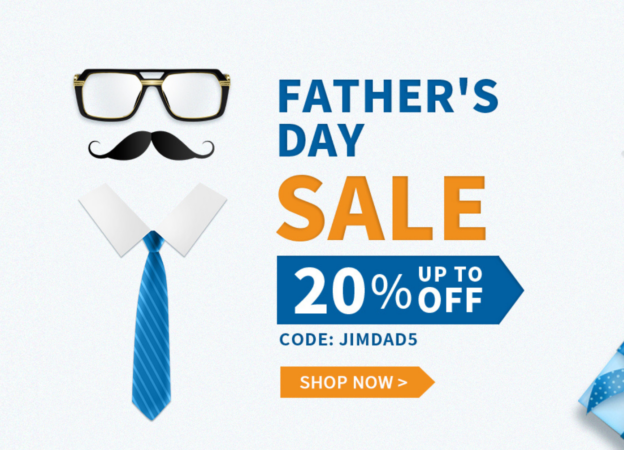
  1. Discounted Prices: Indulge in special discounts of up to 20% off on a diverse selection of eyeglasses for Father’s Day. JimHalo is committed to ensuring that top-notch eyewear is affordable for all. Seize the opportunity during our sale to discover the ideal pair of glasses at an extraordinary price.
  1. Style+Quality: Detailed craftsmanship and material fusion create eyeglasses that enhance vision and elevate personal style. With JimHalo, you can confidently express your individuality and embrace eyewear , which is a seamless blend of exceptional quality and fashionable flair.

About JimHalo:

At JimHalo, we offer fashionable, functional, and affordable eyewear. We prioritize craftsmanship, attention to detail, and customer satisfaction. With diverse styles, we cater to different preferences, ensuring everyone finds their perfect pair.
Ben father's day

Conclusion:

This Father’s Day, give your dad a gift that not only enhances his style but also improves his vision and overall well-being. Explore the exclusive Eyeglasses Sale at JimHalo, where you’ll find a diverse range of frames, personalized engravings, and unbeatable promotions. Celebrate your dad’s uniqueness and show him how much you care about a thoughtful and fashionable gift. He’ll appreciate every time he wears it. Make this Father’s Day truly memorable with JimHalo eyewear!
What Is Astigmatism, and Can It Be Corrected.png

What Is Astigmatism, and Can It Be Corrected?

Astigmatism is a common vision problem caused by an irregularly shaped cornea or lens. It can be corrected with eyeglasses, contact lenses, or refractive surgery. Regular eye exams are important for monitoring and managing it.

Understanding: Causes and Symptoms

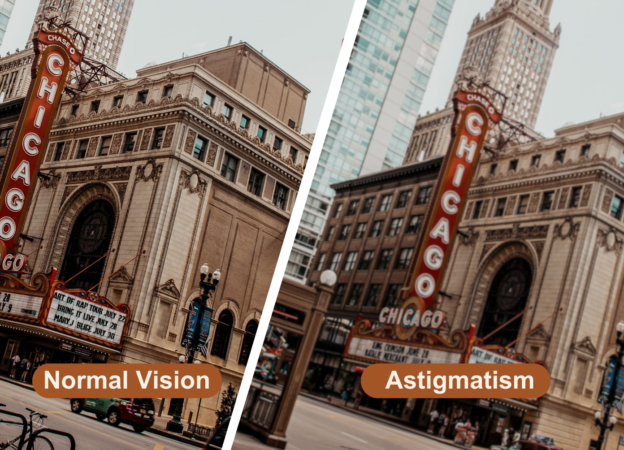
When the cornea, the clear front surface of the eye, or the lens inside the eye has an irregular shape, Astigmatism occurs. And that’s what causes light to focus unevenly on the retina. As a result, objects may appear blurry, distorted, or tilted.
Symptoms of astigmatism can vary from person to person, including but not limited to:
  • Blurred or distorted vision at all distances
  • Headaches or eyestrain
  • Difficulty seeing at night or in low-light conditions
  • Squinting or tilting the head to see clearly

Diagnosing Astigmatism: What to Expect During an Eye Exam

If you suspect astigmatism, it’s important to get a routine eye exam by an optometrist or doctor, during which a series of tests will be conducted to determine the curvature of the cornea and the shape of the eye.

Correcting Astigmatism: Options for Treatment

There are several treatment options available for astigmatism, including eyeglasses, contact lenses, and refractive surgery. Corrective lenses are the most common option, compensating for the irregular shape of the cornea or lens and allowing light to properly focus on the retina. Refractive surgeries such as LASIK or PRK can also be effective, offering a permanent solution to vision problems by reshaping the cornea using lasers.

Astigmatism and Other Vision Problems: How They Can Impact Your Sight

It’s worth noting that astigmatism can occur in combination with other vision problems, such as nearsightedness or farsightedness. In such cases, corrective lenses or surgery may be required to address multiple vision problems.
Don’t let astigmatism hold you back. With proper treatment, you can regain clear vision and live life to the fullest. Remember to schedule regular eye exams and never hesitate to seek help if you need it. You deserve to see the world in all its beauty.

Conclusion 

In conclusion, astigmatism is a common vision problem caused by an irregularly shaped cornea or lens. This can cause light to focus unevenly on the retina, resulting in blurred or distorted vision, headaches, and difficulty seeing in low-light conditions. However, with proper diagnosis and treatment,we can use eyeglasses, contact lenses to manage astigmatism effectively. It’s important to note that astigmatism can occur alongside other vision problems, and regular eye exams are crucial for maintaining eye health and monitoring it. So, don’t let it
stop you from enjoying life’s beautiful sights. Seek help from your optometrist and explore the treatment options available to regain clear vision and live life to the fullest.
If you wanna konw more about eyehealth, welcome to Jim Halo Eyewear, you may find more interesting things.
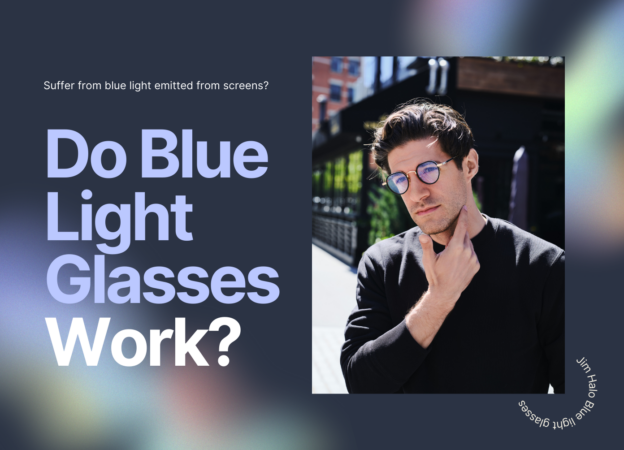
Do Blue Light Glasses Work?

Do Blue Light Glasses Work?

Short Answer
Yes, they work by reducing the amount of blue light that enters your eyes. Quality blue light glasses help improve sleep and protect eyes from damage. They also improve sleep quality, and reduce the risk of eye damage from blue light.

What Is Blue Light? Is It Harmful?

Blue light exposure has negative effects on health besides digital eye strain and sleep disorders. It has been linked to macular degeneration and can suppress serotonin production, affecting mood, appetite, and sleep.
However, exposure to blue light during the daytime has positive effects on mood, energy levels, and cognitive function. Blue light therapy may also be an effective treatment for some medical conditions.
To protect overall health, it’s crucial to reduce blue light exposure. Blue light glasses, taking breaks from electronic devices, and adjusting display settings can all help.
They are designed to reduce the amount of blue light that enters your eyes. They have become increasingly popular in recent years. And more people have become aware of the potential harmful effects of blue light emitted by electronic devices.
Using specialized lenses that filter or block blue light, they can protect our eyes from the harmful effects of it.
By selectively blocking the high-energy, short-wavelength blue light, Blue light glasses protect our eyes. That harmful blue light can cause digital eye strain, sleep disruption, and other health issues. When you wear them, the lenses absorb or reflect the blue light. Before it enters your eyes, the lenses reduce the amount that your eyes are exposed to.

The Benefits

Reduced Eye Strain:
They can reduce eye strain from electronic devices by decreasing blue light. They relieve dry eyes, headaches, and blurred vision.
Improved Sleep:
Blue light suppresses melatonin, disrupting sleep-wake cycles. Blue light glasses improve sleep quality by blocking blue light.
Reduced Risk of Eye Damage:
Excessive blue light exposure leads to vision loss. Blue light glasses lower exposure and protect eyes.

Other ways to Protect Your Eyes From Blue Light

  1. Take breaks every 20 minutes to look at something 20 feet away.
  2. Limit screen time and take regular breaks.
  3. Increase lighting to reduce eye strain.
  4. Adjust device display settings to reduce blue light emission.
Overall, it’s important understand the potential harmful effects and take steps to protect your eyes and promote eye health. By use blue light glasses and other protections, you can reduce your exposure to blue light and maintain healthy vision. JimHalo offers a wide selection of stylish and functional blue light glasses you can choose from. It’s easier than ever to prioritize your eye health while still looking great.
What causes vision loss

What Causes Vision Loss?

This guide will explore:
  • The causes of vision loss
  • Prevention of poor vision

Text Leading

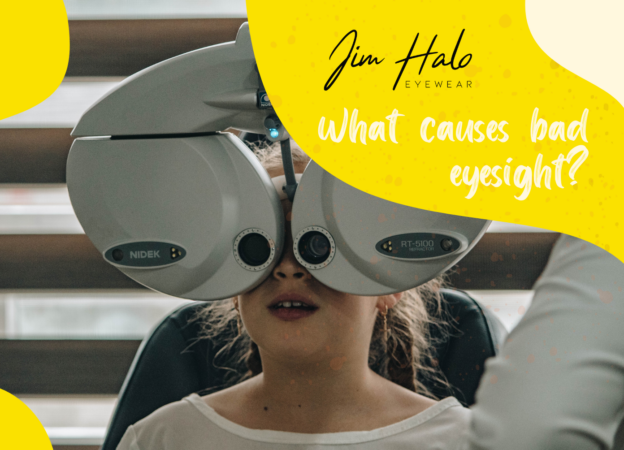
The ability to see clearly is a precious gift that we often take for granted. Unfortunately, millions of people worldwide suffer from poor eyesight, and this can significantly impact their daily lives. In this blog, we will explore the various factors that can lead to bad eyesight.

Causes

  1. Genetics:

One of the primary causes of bad eyesight is genetics. If your parents or close relatives have poor eyesight, there is a higher chance that you may also develop similar issues. Conditions like nearsightedness (myopia), farsightedness (hyperopia), and astigmatism are all hereditary. These conditions occur due to a variation in the shape or size of the eyeball, cornea, or lens. This leads to difficulties in focusing on objects at various distances, leading to blurry vision.
  1. Excessive eye use:

Staring at items such as computers, cell phones or books for long periods of time can cause excessive force on the glasses, which can easily cause eye fatigue and dryness, which in turn can affect vision.
  1. Age factor:

As we age, the adjustment ability of the eyes will gradually decrease, and the phenomenon of presbyopia will appear, making it difficult to see items at close range clearly.
  1. Eye diseases:

Certain eye diseases such as glaucoma, cataracts, and retinal detachment can also cause vision loss.
  1. Environmental factors:

Environmental factors may also have an effect on vision, such as insufficient light and overexposure to ultraviolet light.
  1. Chronic lack of nutrition:

Malnutrition and long-term lack of vitamins and other nutritional elements can also have an adverse effect on vision.
Kelsey eyesight

Prevention of poor vision

  1. Cultivate good living habits:

Both students and office workers need to ensure that they have sufficient sleep and rest time in their daily lives as well as at work, and do appropriate outdoor activities to be able to rest their eyes. In general, people should go to bed early and get up early, as far as possible not to stay up late. You can do more outdoor activities and participate in sports to prevent your eyesight from being affected.
  1. Insist on doing eye exercises:

Eye exercises can effectively protect their eyesight and play a role in preventing myopia. So even after going to college or working, people should continue to do eye exercises to protect their eyesight.
  1. Regular vision examinations:

Only regular vision checkups can promptly detect changes in your vision and whether it has decreased, and when it does, you need to promptly choose effective measures, such as eye drops and enhanced eye rest time, to relieve your vision fatigue.
  1. Timely supplementation of nutrition:

When vision loss occurs, you should pay more attention to your diet, a healthy and reasonable diet, and more protein. In addition, to prevent vision loss again, you should supplement more calcium and phosphorus. Calcium and phosphorus can make the sclera tougher and participate in the physiological activities of the optic nerve.
  1. Pay attention to eye hygiene in general:

Do not rub your eyes with your hands